(7% discount is applied at checkout)
Cart is empty
Your go-to destination for cutting-edge server products
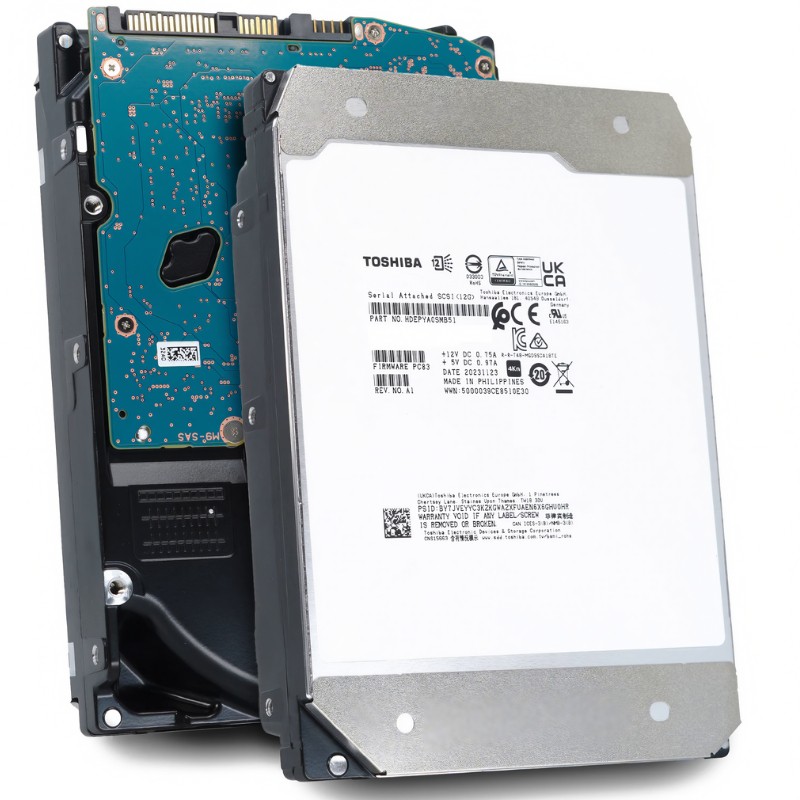


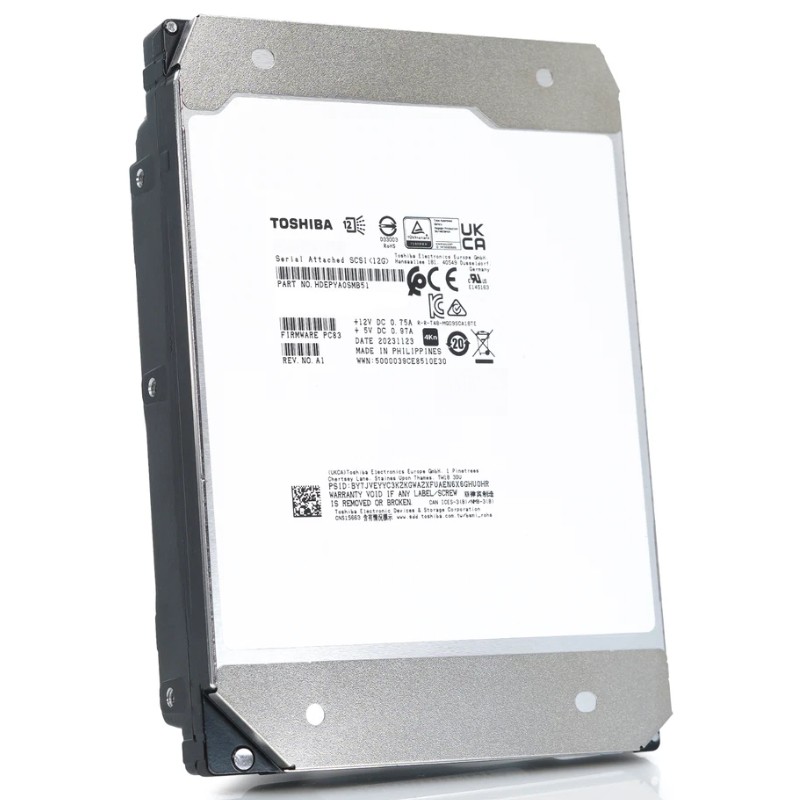
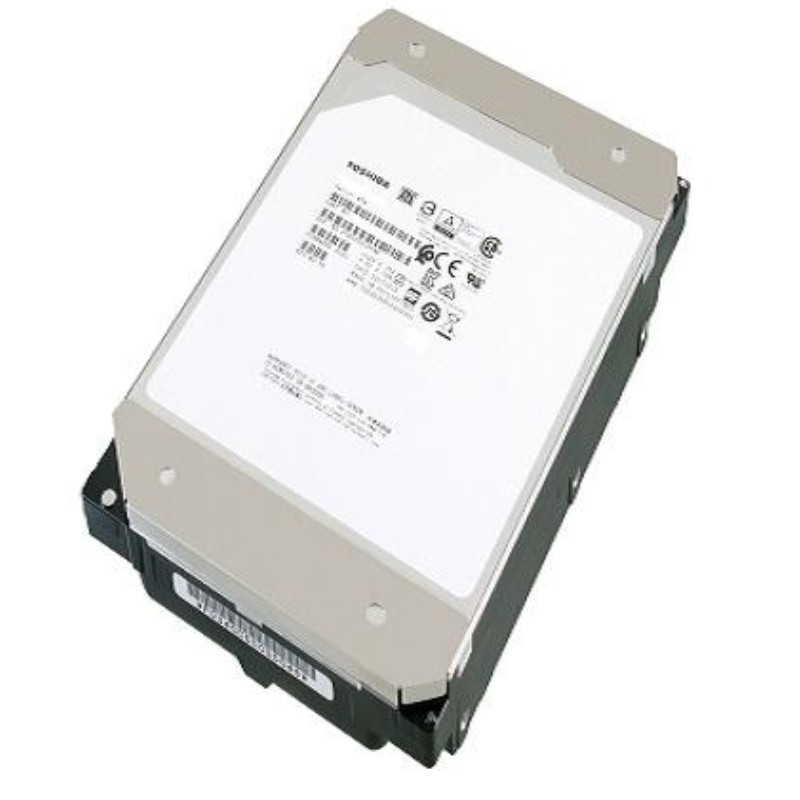
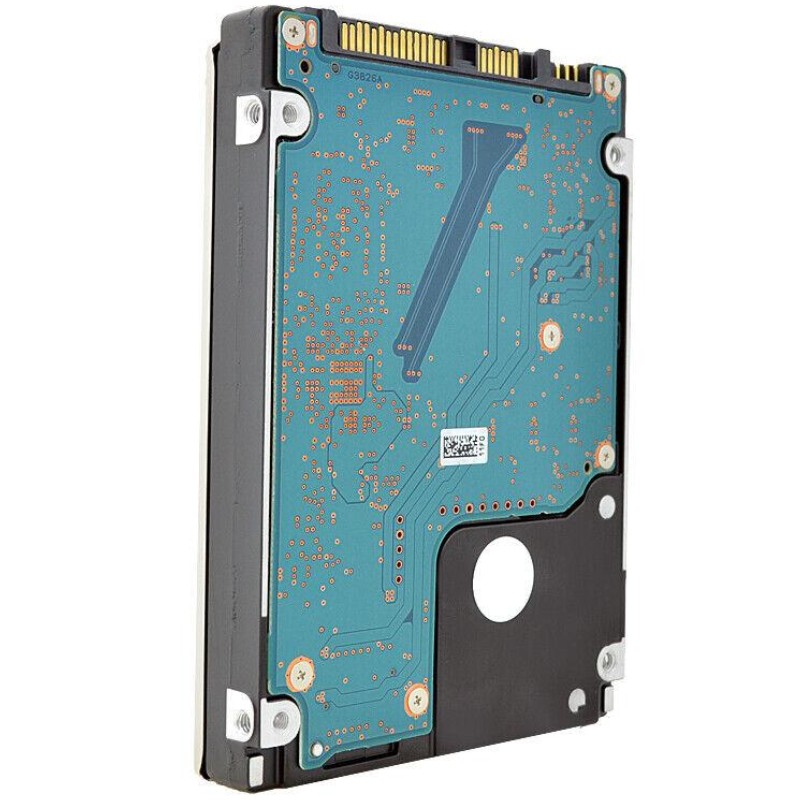
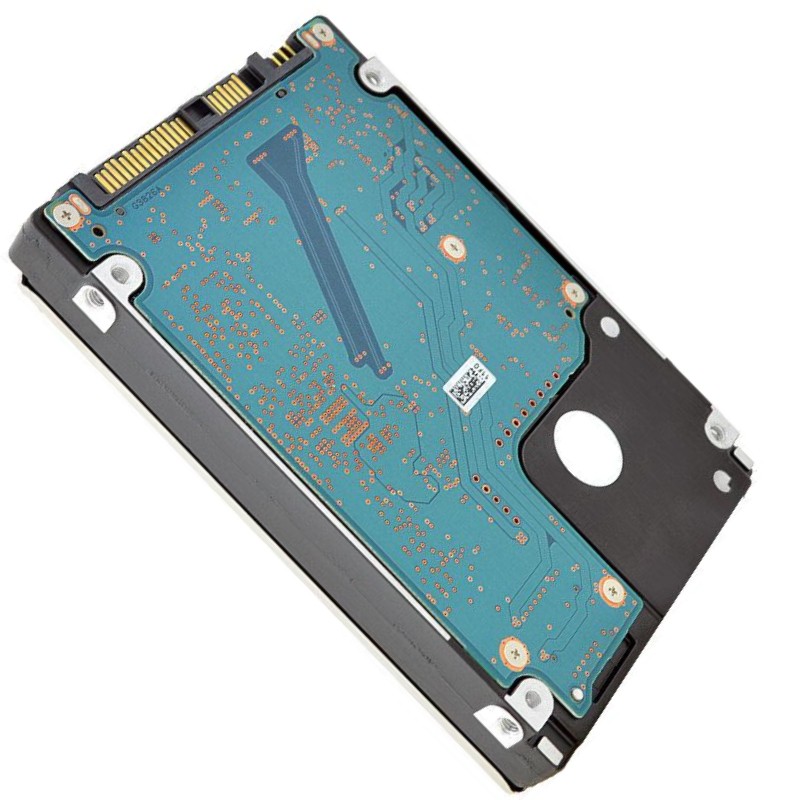
Toshiba HDEPM11GEA51F 12TB 7.2K RPM SAS-12GBPS Hard Drive. New Sealed in Box (NIB) with 3 years Warranty
The Toshiba HDEPM11GEA51F 12TB enterprise-grade hard disk drive is engineered to deliver exceptional performance, reliability, and scalability for modern data centers and business-critical environments. Built with advanced SAS-12Gbps interface technology and optimized for high-capacity storage applications, this 3.5-inch internal HDD ensures seamless data handling for demanding workloads.
The Toshiba HDEPK41DAB51 8TB 7.2K RPM SAS 12Gbps Hard Drive belongs to a highly specialized class of enterprise-grade storage solutions designed for data-intensive environments where reliability, scalability, and sustained performance are essential. This category of storage devices is widely deployed in data centers, cloud infrastructures, virtualization clusters, archival systems, and mission-critical enterprise servers that require consistent read and write operations without performance degradation under continuous workloads.
As part of the SAS (Serial Attached SCSI) hard drive ecosystem, this category is engineered to deliver enhanced data integrity, faster command processing, and superior error handling compared to consumer-grade SATA drives. The 12Gbps interface further expands throughput capability, making it suitable for modern enterprise infrastructures that demand efficient data transfer rates and reduced latency under heavy I/O conditions.
The 7200 RPM rotational speed in this category represents a balanced engineering approach between performance efficiency and operational stability. Unlike high-speed 10K or 15K RPM drives that prioritize extreme speed at the cost of heat and power consumption, the 7.2K RPM class focuses on delivering consistent throughput, reduced mechanical stress, and long-term durability. This makes it ideal for storage environments where data availability and continuous uptime are more critical than peak access speed.
The Toshiba HDEPK41DAB51 series integrates precision-engineered platters and actuator mechanisms that ensure consistent head positioning accuracy. This mechanical stability is essential for enterprise applications such as database storage systems, virtualization environments, and large-scale backup infrastructures where data consistency is paramount.
The SAS 12Gbps interface is one of the defining features of this category, enabling significantly higher data transfer rates compared to older SAS generations. This high-speed interface supports full-duplex communication, meaning simultaneous read and write operations can occur without bottlenecks. In enterprise storage clusters, this capability is critical for maintaining uninterrupted data flow across multiple virtual machines and storage nodes.
Additionally, SAS technology incorporates dual-port connectivity, which enhances redundancy and fault tolerance. If one path experiences a failure, the secondary path ensures continuous access to stored data, thereby improving system resilience in high-availability environments.
SAS-based hard drives utilize advanced signaling protocols that reduce electromagnetic interference and improve data transmission accuracy. This is particularly important in dense server racks where multiple drives operate in close proximity. The Toshiba enterprise architecture includes error correction mechanisms and robust firmware-level data verification processes to maintain data integrity even under heavy workloads.
An 8TB storage capacity provides a substantial balance between density and manageability in enterprise environments. This capacity is commonly deployed in RAID arrays, distributed storage systems, and cloud-based infrastructures where large volumes of structured and unstructured data must be stored efficiently. The Toshiba HDEPK41DAB51 category supports scalability strategies that allow organizations to expand storage capacity without significant architectural redesign.
In data-driven industries, such as financial analytics, healthcare records management, and media storage, 8TB enterprise drives serve as foundational building blocks for large-scale storage clusters. Their reliability ensures that data remains accessible and secure over extended operational lifecycles.
Virtualized environments require storage devices capable of handling simultaneous access requests from multiple virtual machines. The consistent performance profile of 7.2K RPM SAS drives makes them suitable for virtualization hosts and cloud storage nodes. These drives can sustain moderate I/O workloads while maintaining predictable latency, which is essential for maintaining virtual machine stability and performance consistency.
The Toshiba enterprise hard drive category is frequently integrated into RAID configurations such as RAID 5, RAID 6, and RAID 10. These configurations enhance fault tolerance by distributing data across multiple drives and incorporating parity or mirroring techniques. The durability and error correction capabilities of SAS drives ensure that RAID rebuild processes occur efficiently without compromising data integrity.
Enterprise storage workloads often involve continuous data read/write operations that require consistent throughput over long periods. The Toshiba HDEPK41DAB51 category is optimized for such workloads through firmware-level tuning that balances caching, seek time optimization, and thermal regulation. This ensures that performance remains stable even under prolonged usage conditions.
Unlike consumer-grade drives, enterprise SAS drives are designed for 24/7 operation, making them suitable for environments where downtime is not acceptable. Their endurance rating and workload capacity are significantly higher, allowing them to handle multi-petabyte storage systems efficiently.
Latency is a critical performance metric in enterprise storage systems. SAS drives reduce latency through optimized command queuing mechanisms that prioritize data access requests based on system demands. This ensures that high-priority operations such as database queries and transactional updates are processed efficiently.
Native Command Queuing (NCQ) in SAS architecture allows multiple data requests to be processed in an optimized sequence, reducing mechanical movement within the drive. This results in faster response times and improved overall system efficiency, particularly in multi-user environments.
Enterprise hard drives like the Toshiba HDEPK41DAB51 series are engineered with significantly higher MTBF ratings compared to consumer storage devices. This reflects their ability to operate continuously under heavy workloads with minimal risk of failure. The internal components are manufactured with precision-grade materials that reduce wear and tear over extended usage periods.
The thermal management system within these drives is also optimized to maintain stable operating temperatures, reducing the risk of overheating in densely packed server environments.
Data centers often contain large numbers of simultaneously operating drives, which can generate mechanical vibrations. Enterprise SAS drives incorporate rotational vibration sensors and adaptive correction algorithms that minimize performance degradation caused by physical disturbances. This ensures consistent data access speeds even in high-density storage arrays.
Efficient heat dissipation is crucial for maintaining long-term drive reliability. The Toshiba enterprise storage architecture includes advanced airflow optimization compatibility and internal thermal balancing mechanisms. These features help maintain consistent performance even under high ambient temperature conditions commonly found in server racks.
Data integrity is a core requirement in enterprise storage environments. The Toshiba HDEPK41DAB51 category incorporates advanced ECC algorithms that detect and correct data corruption during read and write operations. This ensures that stored data remains accurate and consistent over time, even in the presence of minor physical or electrical anomalies.
The Toshiba HDEPK41DAB51 8TB SAS drive category is widely used in cloud storage infrastructures where large-scale data aggregation and retrieval are required. These drives support distributed storage models that enable seamless scalability across multiple data nodes.
Relational and non-relational databases rely heavily on storage performance. SAS drives support high transaction rates and ensure that database operations such as indexing, querying, and replication are executed efficiently without bottlenecks.
Despite their high performance capabilities, enterprise SAS drives are designed to maintain energy efficiency through optimized power management systems. The 7.2K RPM speed contributes to reduced power consumption compared to higher-speed alternatives, making them suitable for large-scale deployments where energy efficiency directly impacts operational costs.
When deployed in large arrays, the Toshiba enterprise storage category offers a cost-effective balance between performance, reliability, and capacity. Organizations benefit from reduced maintenance costs, longer lifecycle expectancy, and lower failure rates compared to consumer-grade alternatives.
Enterprise drives are designed for extended operational lifecycles, reducing the frequency of hardware replacement. This contributes to more sustainable IT infrastructure management and lowers total cost of ownership in long-term deployments.
While solid-state storage technologies continue to evolve, mechanical SAS hard drives remain essential for cost-effective high-capacity storage solutions. The Toshiba enterprise category continues to adapt through advancements in platter density, firmware optimization, and interface efficiency improvements.
Modern data centers increasingly utilize hybrid storage architectures that combine SAS hard drives with SSD caching layers. This approach enhances performance while maintaining large-scale storage affordability. The Toshiba 8TB SAS category plays a crucial role in the bulk storage layer of these hybrid systems.
Data tiering strategies allow organizations to allocate frequently accessed data to faster storage layers while archiving less frequently used data on high-capacity SAS drives. This improves system efficiency and optimizes resource utilization across the entire storage infrastructure.
Enterprise SAS hard drives are often used for long-term archival storage due to their reliability and stability. They provide a dependable solution for preserving critical business data, regulatory records, and historical information that must remain accessible over extended periods.


 Contact Us
 Information
 Catalog
 Solid State Drives (SSD)
 Network Switches
 Hard Disk Drives
 HBA & Controllers
 PC & Servers
 PC & Server Memory
 CPU & Processors
 Network Routers
 Power Supplies
 Tape Drives & Libraries
 Network Devices
 Computer & Network Cables