(7% discount is applied at checkout)
Cart is empty
Your go-to destination for cutting-edge server products
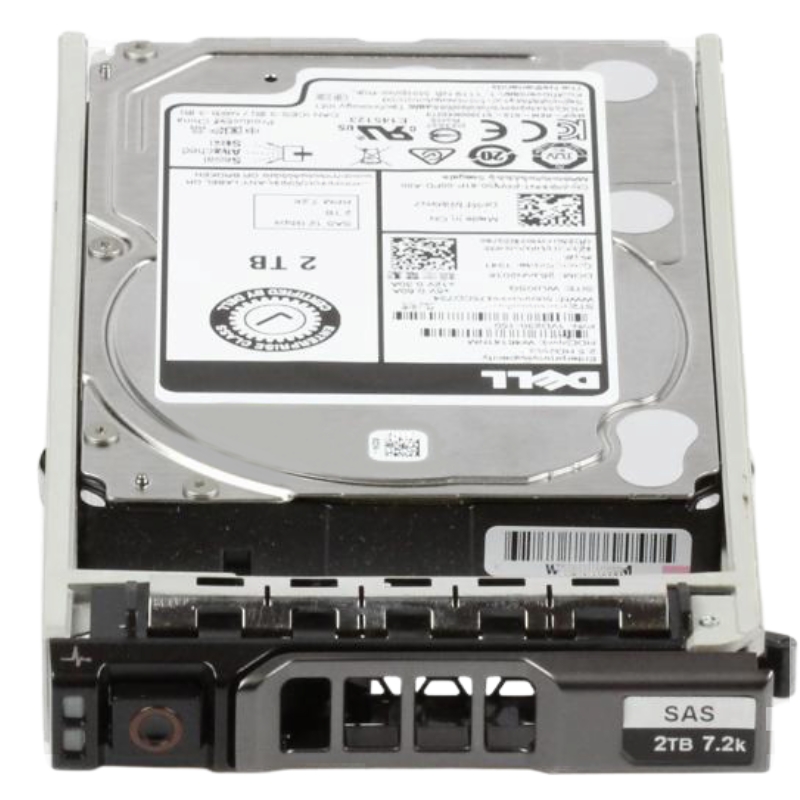


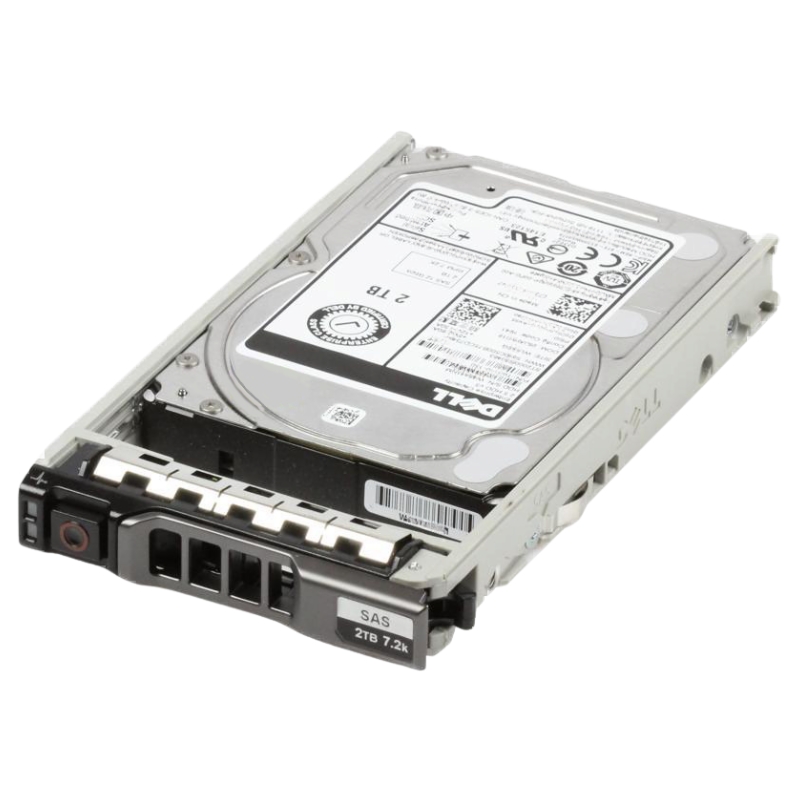
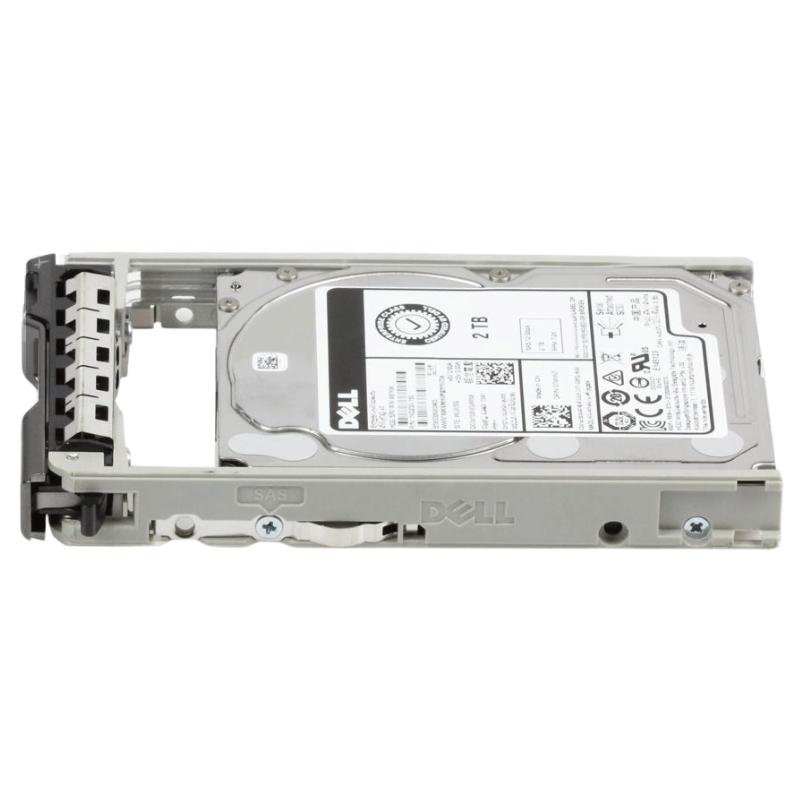
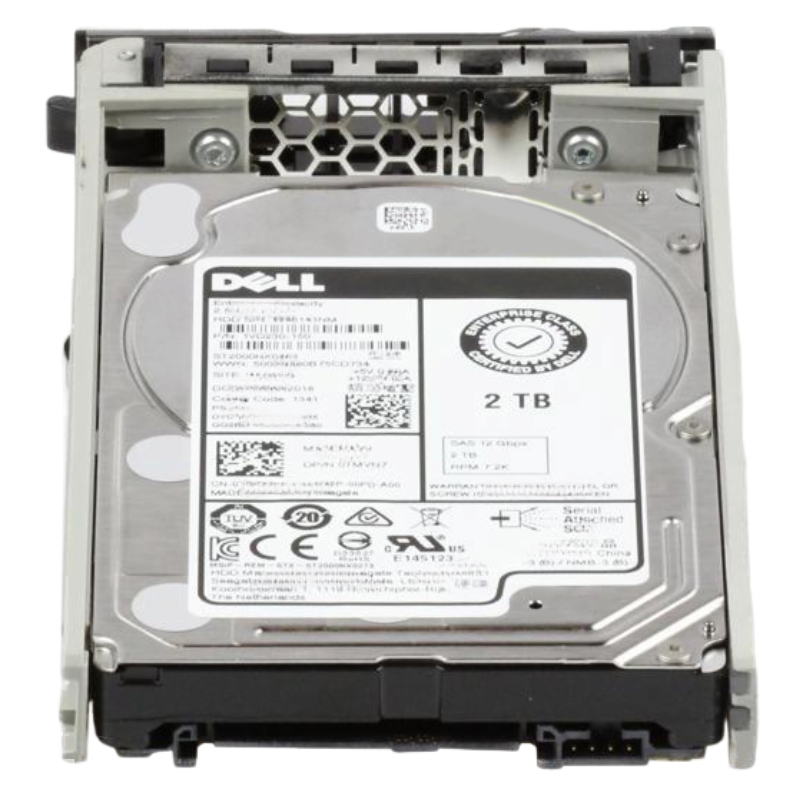
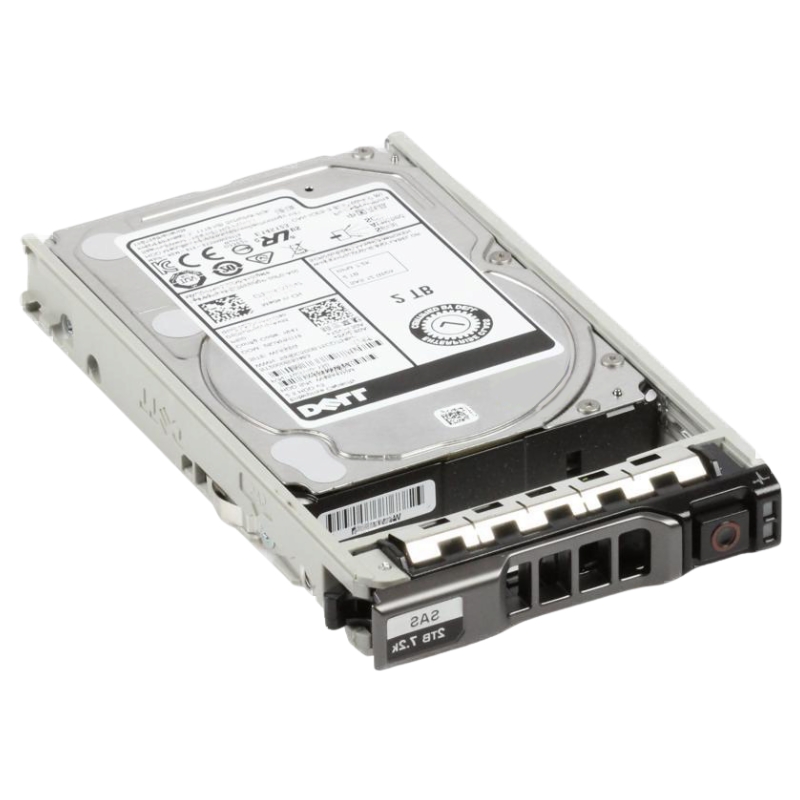
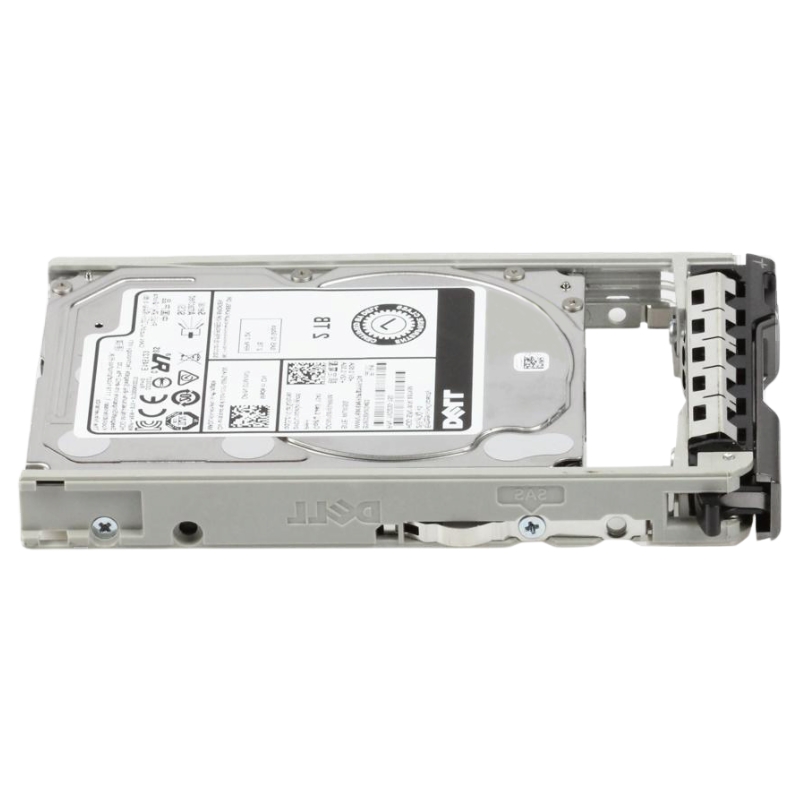
Dell D5FMJ Internal SFF Hard Disk 2TB 7.2K RPM SAS-12GBPS. New Sealed in Box (NIB) with 1-Year Replacement Warranty
| SKU/MPN | Warranty | Price | Condition | You save |
|---|---|---|---|---|
| D5FMJ | 1 Year Warranty | $99.00 | Excellent Refurbished | You save: $34.65 (26%) |
| D5FMJ | 1 Year Warranty | $266.00 | New Sealed in Box (NIB) | You save: $93.10 (26%) |
The Dell D5FMJ 2TB 7.2K Nearline SAS 12Gbps 2.5-inch Hot-Plug Hard Drive is a dependable enterprise-class storage solution, offering high capacity, consistent performance, and seamless integration with Dell PowerEdge servers.
The Dell D5FMJ 2TB 7.2K RPM SAS-12Gbps SFF External Hard Drive is engineered for enterprise-grade storage environments where reliability, scalability, and sustained performance are essential. Built on a Serial Attached SCSI (SAS) 12Gbps interface, this storage device is designed to deliver consistent throughput in high-demand server infrastructures. The architecture focuses on balancing rotational media efficiency with enterprise resilience, making it suitable for data center deployments, virtualization layers, and large-scale storage arrays.
The SAS 12Gbps interface enhances full-duplex communication, enabling simultaneous read and write operations without bottlenecking performance. This significantly improves transactional workloads, particularly in environments requiring high input/output operations per second. Compared to SATA-based systems, SAS architecture ensures better command queuing, error recovery, and scalability across multi-drive configurations.
Operating at 7,200 revolutions per minute, the drive is optimized for capacity-driven workloads rather than ultra-low latency transactional systems. This balance ensures that enterprises achieve a cost-effective storage solution while maintaining predictable performance under continuous workloads. The rotational speed is carefully tuned to reduce power consumption while maintaining stable access times for sequential and semi-random data operations.
The 2.5-inch Small Form Factor (SFF) design of the Dell D5FMJ drive allows dense storage configurations within constrained rack environments. This compact footprint enables data centers to maximize storage per rack unit, improving overall infrastructure efficiency. SFF drives are commonly deployed in blade servers, hyper-converged systems, and modular storage arrays where space optimization is a critical design requirement.
As an external SAS hard drive module, this category supports hot-swappable integration into compatible storage enclosures. This allows system administrators to perform maintenance, upgrades, and replacements without system downtime. The external deployment model enhances operational continuity, especially in high-availability enterprise environments where uptime is a critical performance metric.
The 12Gbps SAS bandwidth provides significantly improved data transfer rates compared to earlier generations of storage interfaces. This high-speed communication channel ensures that large datasets can be transferred efficiently across enterprise networks. The bandwidth is particularly beneficial for applications involving data analytics, cloud storage backends, and virtual machine hosting environments.
Advanced command queuing mechanisms in SAS technology allow the drive to handle multiple input/output requests simultaneously. This reduces latency in multi-user environments and improves overall system responsiveness. The architecture is designed to prioritize critical workloads while maintaining balanced throughput across concurrent operations.
Enterprise SAS drives such as the Dell D5FMJ incorporate advanced error detection and correction algorithms. These systems continuously monitor data integrity and automatically initiate recovery procedures when inconsistencies are detected. This ensures that stored data remains accurate and protected against corruption during heavy workloads or unexpected interruptions.
In dense storage environments, vibration from adjacent drives can impact performance and longevity. The drive is engineered with vibration tolerance mechanisms that stabilize read/write operations even in high-density rack configurations. This makes it suitable for enterprise storage arrays where multiple drives operate simultaneously within confined spaces.
The Dell D5FMJ 2TB SAS drive is designed with energy efficiency in mind, reducing operational costs in large-scale deployments. The drive dynamically adjusts power usage based on workload intensity, ensuring minimal energy waste during idle or low-activity periods. This contributes to sustainable data center operations and reduced total cost of ownership.
Effective thermal management is critical in enterprise storage systems. The drive architecture ensures consistent heat dissipation, preventing overheating during sustained workloads. This thermal stability extends hardware lifespan and maintains consistent performance levels across extended operational cycles.
With 2TB of storage capacity, this drive category is positioned for mid-tier enterprise storage requirements. It is suitable for backup repositories, archival systems, and structured data storage environments. The capacity is optimized to balance cost efficiency with enterprise scalability needs.
The drive integrates effectively into tiered storage architectures, where frequently accessed data is stored on high-performance media while less frequently accessed data resides on high-capacity SAS drives. This hybrid approach improves system efficiency and reduces infrastructure costs while maintaining data accessibility.
The Dell D5FMJ SAS drive is commonly deployed within Dell PowerEdge server environments, ensuring seamless compatibility and optimized performance. The integration supports firmware-level optimization, enabling enhanced drive management and monitoring capabilities within enterprise server ecosystems.
The drive is fully compatible with RAID configurations, allowing enterprises to implement redundancy, performance optimization, and data protection strategies. RAID deployments enhance fault tolerance and ensure continuous availability of critical data even in the event of hardware failure.
Virtualized environments require consistent storage performance to support multiple virtual machines operating simultaneously. The SAS 12Gbps architecture ensures that virtualization workloads maintain stable performance, even under high-density usage scenarios. This makes the drive suitable for private cloud infrastructures and hybrid cloud deployments.
Relational databases and transactional systems benefit from the drive’s balanced performance characteristics. While not designed for ultra-low latency SSD workloads, the drive provides reliable throughput for structured query operations and data logging systems. This makes it suitable for enterprise resource planning systems and customer relationship management platforms.
The Dell D5FMJ drive supports scalable deployment in modular storage systems, allowing enterprises to expand capacity incrementally. This modularity ensures that organizations can adapt their storage infrastructure according to evolving data requirements without full system replacement.
In distributed storage environments, multiple drives are deployed across networked systems to ensure redundancy and load balancing. The SAS architecture supports efficient data distribution, reducing latency and improving system resilience in geographically distributed data centers.
Enterprise SAS drives often include built-in security mechanisms that protect against unauthorized data access and ensure data integrity. These features help safeguard sensitive enterprise information in multi-user environments.
At the end of the drive lifecycle, secure data erasure protocols ensure that sensitive information cannot be recovered. This is particularly important for industries that handle confidential or regulated data.


 Contact Us
 Information
 Catalog
 Solid State Drives (SSD)
 Network Switches
 Hard Disk Drives
 HBA & Controllers
 PC & Servers
 PC & Server Memory
 CPU & Processors
 Network Routers
 Power Supplies
 Tape Drives & Libraries
 Network Devices
 Computer & Network Cables