(7% discount is applied at checkout)
Cart is empty
Your go-to destination for cutting-edge server products
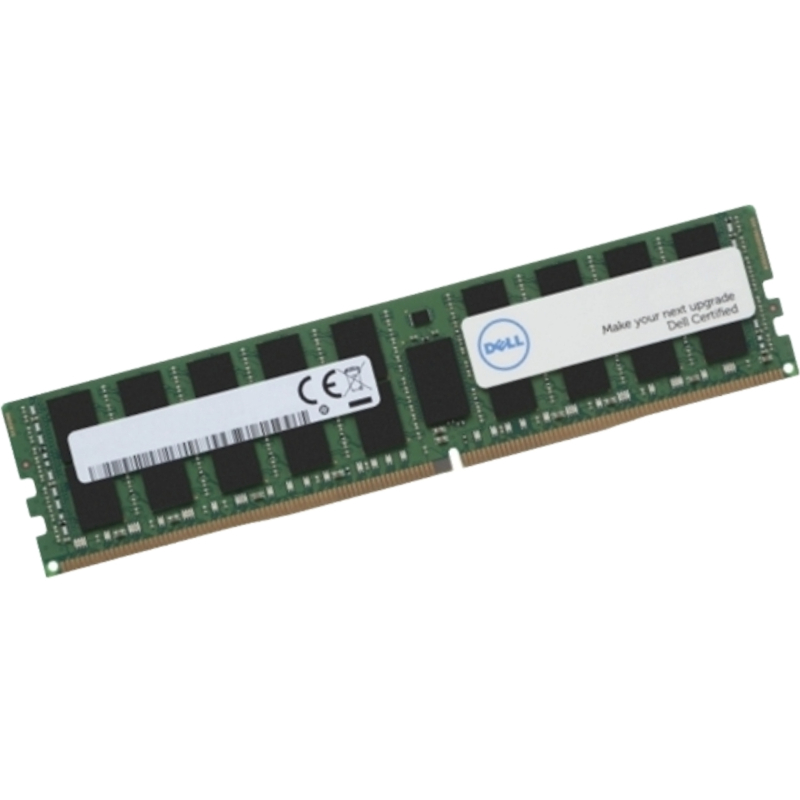


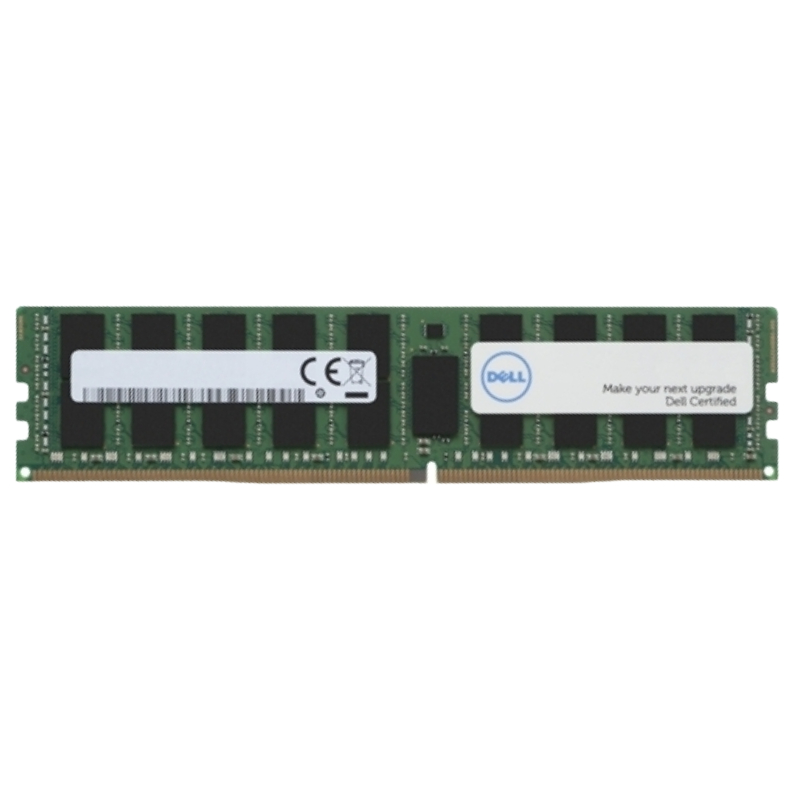
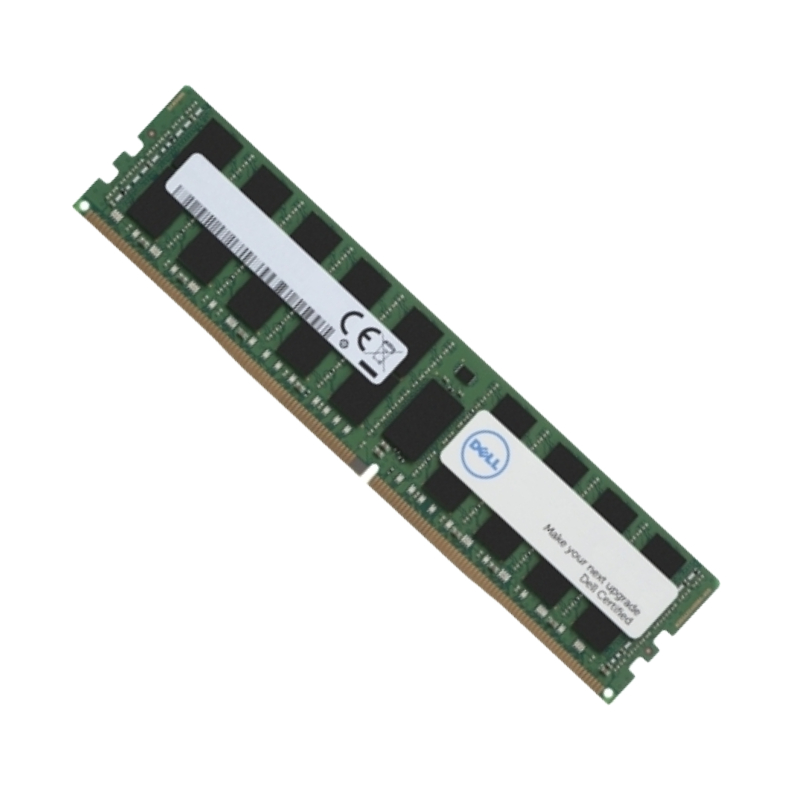
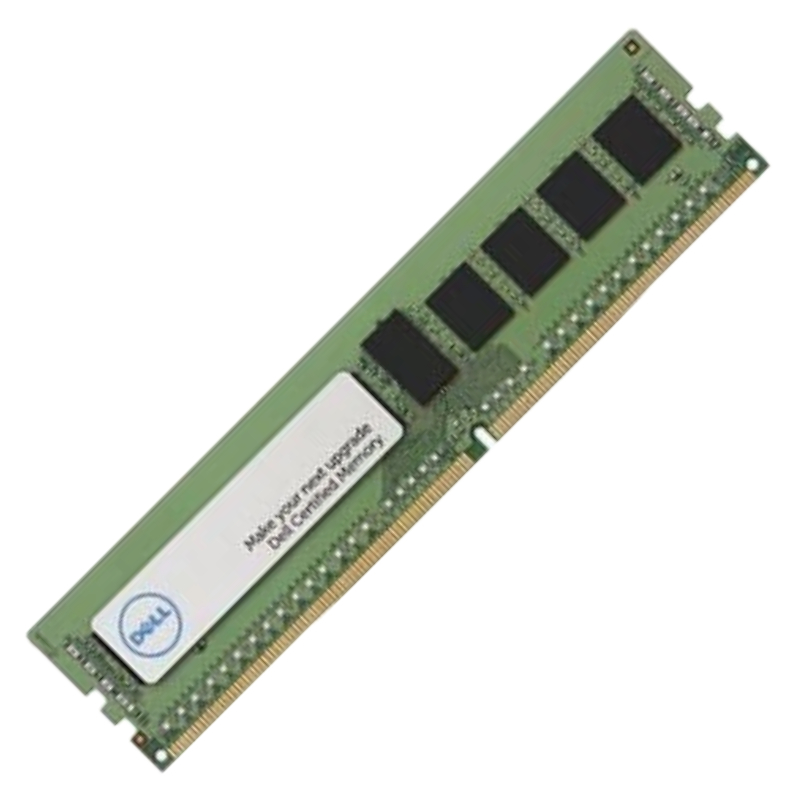
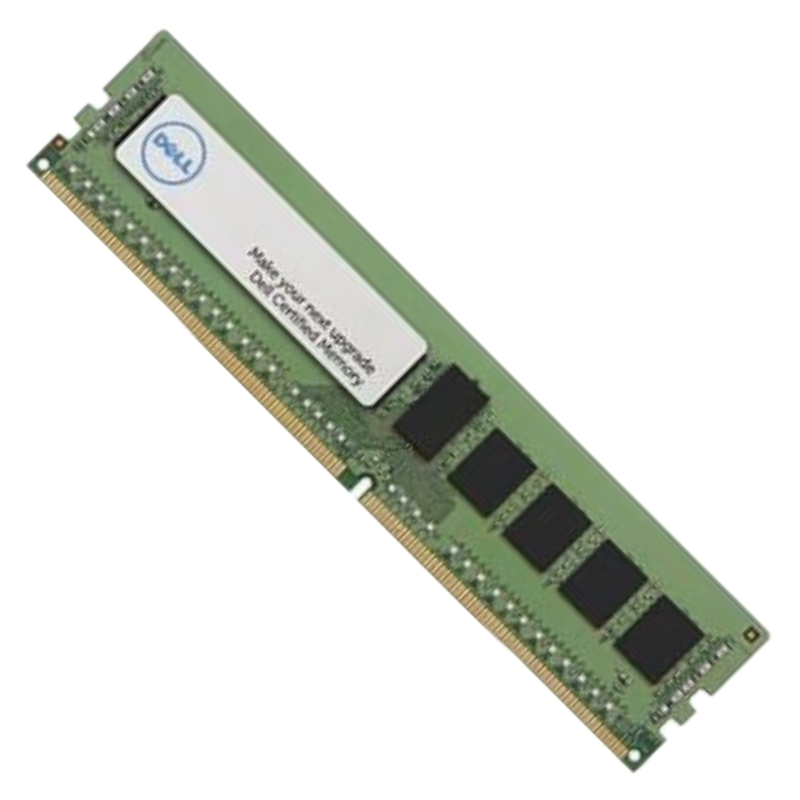
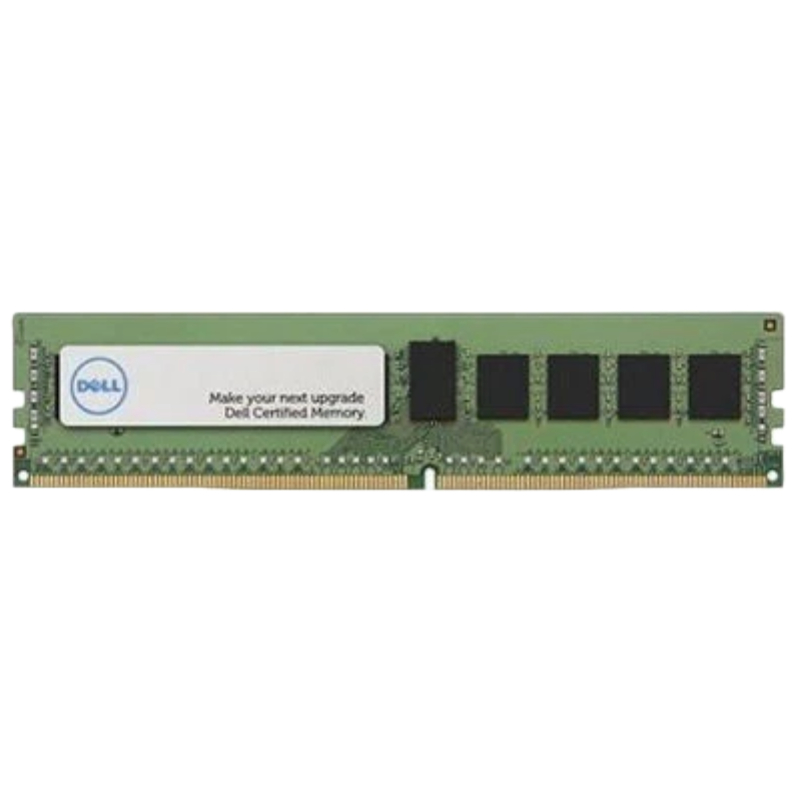
Dell AA601616 32GB 1X32GB 2933MHZ PC4-23400 Cl21 Ecc Registered Dual Rank X4 1.2v DDR4 SDRAM 288-Pin Rdimm Memory Module For Server. New Sealed in Box (NIB) - Samsung Version
| SKU/MPN | Warranty | Price | Condition | You save |
|---|---|---|---|---|
| AA601616 | 1 Year Warranty | $281.00 | New (System) Pull | You save: $98.35 (26%) |
| AA601616 | 1 Year Warranty | $455.00 | New Sealed in Box (NIB) | You save: $159.25 (26%) |
The Dell AA601616 32GB 2933MHz PC4-23400 CL21 ECC Registered Dual Rank x4 1.2V DDR4 SDRAM 288-Pin RDIMM Memory Module is designed for Enterprise-Level performance and reliability. It offers advanced memory technology to enhance server capabilities in demanding data environments.
The Dell AA601616 32GB 2933MHz PC4-23400 CL21 ECC Registered Dual Rank X4 1.2V DDR4 SDRAM 288-pin RDIMM is engineered specifically for enterprise-class Dell PowerEdge servers and high-density rack systems where reliability, error correction, and predictable performance are non-negotiable. This module combines the capacity required for consolidation and virtualization with a memory frequency that balances throughput and system stability. Its ECC (Error Correcting Code) registered architecture corrects single-bit errors and detects multi-bit faults, reducing the risk of silent data corruption that can compromise virtual machines, databases, and intensive analytics workloads. The dual-rank X4 design optimizes memory density on the module while maintaining signal integrity across the server memory bus, and the 1.2-volt operating point reduces power draw compared with earlier DDR4 generations designed at higher voltages, enabling improved thermal profiles in dense server chassis.
At its core, the Dell AA601616 module is specified as 32GB capacity with a nominal data rate of 2933MT/s, commonly referred to as 2933MHz in marketing terms and standardized as PC4-23400 for total bandwidth. The CAS latency of CL21 is typical for high-capacity DDR4 server modules operating at this speed grade and represents a trade-off between clock rate and access latency that is appropriate for multi-socket server platforms. As an RDIMM (Registered DIMM), the part places register circuitry between the memory controller and the DRAM chips to buffer control and address signals, which improves electrical loading and enables higher module counts per channel without sacrificing signal integrity. This makes AA601616 an excellent candidate for servers that require large aggregate DRAM (for example when running dozens of VMs, memory-intensive databases, or in-memory caching layers).
Compatibility is central to server memory selection. The AA601616 is designed to match the memory topology and firmware expectations of Dell PowerEdge families that support DDR4 RDIMMs at 2933MT/s. When deployed in a validated PowerEdge chassis, these modules work with server BIOS and firmware memory maps to ensure correct channel population, interleaving, and rank sparing when supported. Validation by Dell typically includes signal integrity testing across populated memory channels, JEDEC compliance checks, and thermal verification to ensure the module behaves correctly under enterprise workloads. While the module is optimized for PowerEdge servers, administrators should consult their specific server’s Dell documentation or system compatibility matrices to confirm supported memory speeds, maximum per-socket population, and any BIOS settings required to enable higher clock rates or memory interleaving for best performance.
2933MT/s bandwidth offers a substantial uplift over lower-rated DDR4 speeds in memory-bound applications. The module’s effective throughput supports faster data movement between CPU and DRAM for workloads such as in-memory databases, large-scale virtualization, and high-performance computing nodes running parallel tasks. CAS latency CL21 must be interpreted in the context of the clock period: a higher clock frequency reduces the absolute nanoseconds per cycle even with a larger CL figure, so the perceived latency can still be competitive. For mixed workloads that alternate between heavy random accesses and long streaming accesses, the AA601616 provides a strong balance—its dual-rank layout improves bank parallelism, which helps with concurrent thread access patterns, while ECC provides the safety net needed for production environments where uptime and data correctness are critical.
Modern PowerEdge servers utilize multiple memory channels per CPU socket; populating matched modules across channels enables channel interleaving, increasing effective bandwidth and reducing contention. Because RDIMMs buffer command and address lines, they allow for greater populated DIMM counts per channel compared to unbuffered memory, supporting configurations that scale memory capacity without drastic performance penalties. It is important to note that mixing different speed modules or differing ranks can cause the system to downclock memory to the lowest common denominator or change operating modes, so for predictable throughput and latency behavior, matched modules from the same family and speed grade are recommended.
The 1.2V operating point for DDR4 reduces steady-state power consumption compared with earlier memory generations, which is meaningful when dozens of modules are installed across a data center rack. Lower voltage contributes to reduced heat generation per module, simplifying thermal design and enabling denser server packing or additional CPU/GPU resources without exceeding thermal envelopes. For high-density deployments, system integrators should still validate that airflow patterns and heat sinks are adequate, particularly in blade or short-depth servers where space for convection is limited. Monitoring tools integrated into modern PowerEdge management suites can report per-module health and temperature, enabling proactive planning for cooling or reconfiguration before thermal throttling affects application performance.
Reliability features are a defining characteristic of Dell AA601616 modules. ECC technology detects and corrects single-bit errors and assists in identifying multi-bit error conditions that could indicate failing components. Registered addressing improves stability at scale by homogenizing signal timing across multiple DIMMs. Enterprise memory modules also undergo stringent qualification processes, including burn-in testing and bit-level stress tests, to ensure long-term stability under workload conditions expected in production environments. For customers running critical workloads, these safeguards translate to reduced unplanned downtime and fewer data integrity incidents.
When evaluating server memory options, decision-makers should compare the AA601616 against alternatives along axes of capacity, frequency, rank configuration, buffering (registered vs. unbuffered), and ECC capability. Lower-frequency modules may offer slightly lower latencies in some microbenchmarks but sacrifice aggregate throughput for memory-bound tasks.


 Contact Us
 Information
 Catalog
 Solid State Drives (SSD)
 Network Switches
 Hard Disk Drives
 HBA & Controllers
 PC & Servers
 PC & Server Memory
 CPU & Processors
 Network Routers
 Power Supplies
 Tape Drives & Libraries
 Network Devices
 Computer & Network Cables