(7% discount is applied at checkout)
Cart is empty
Your go-to destination for cutting-edge server products
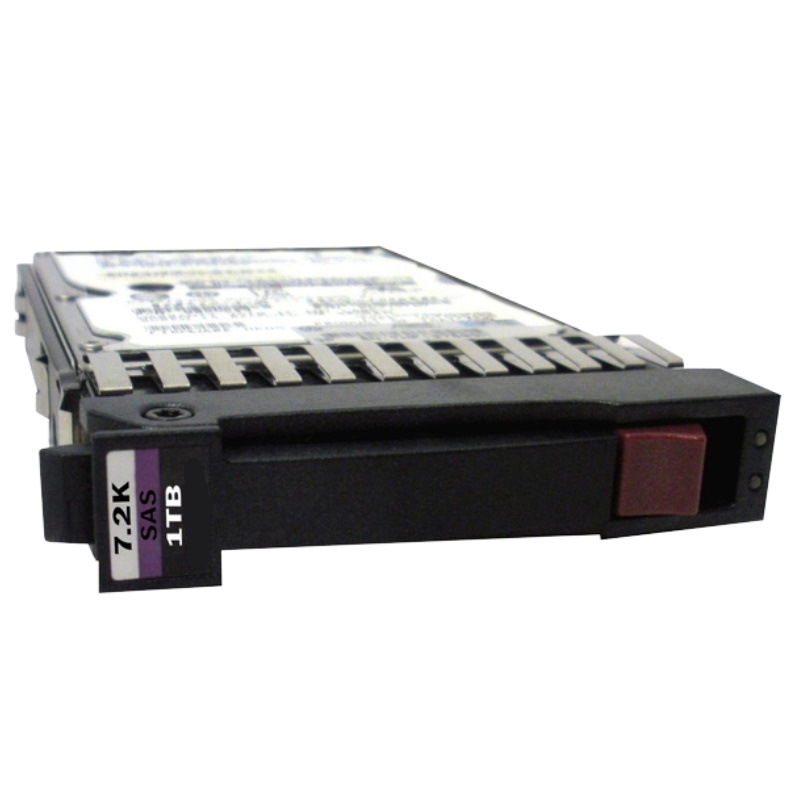


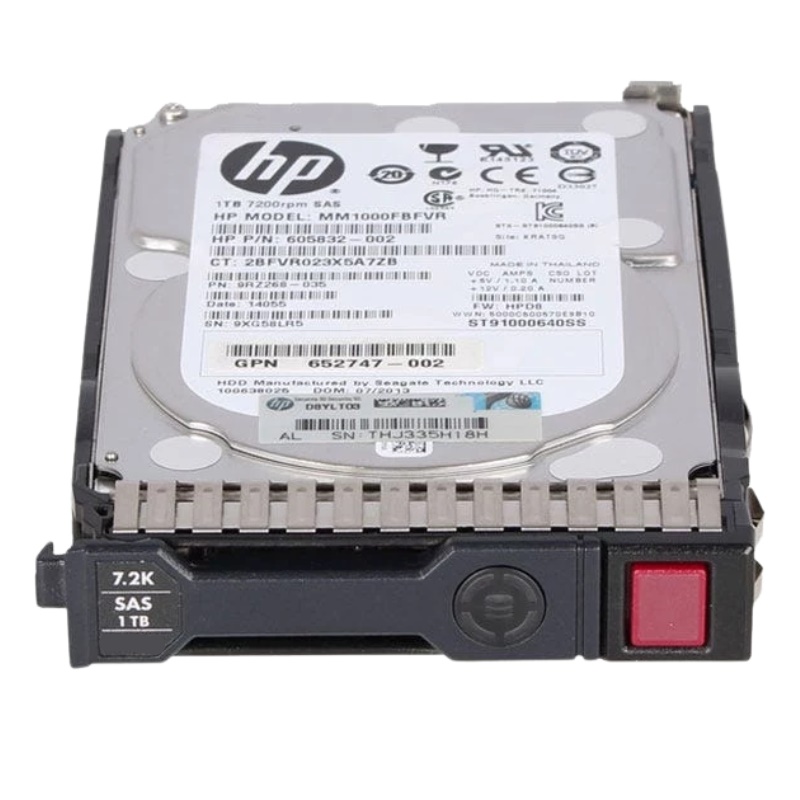
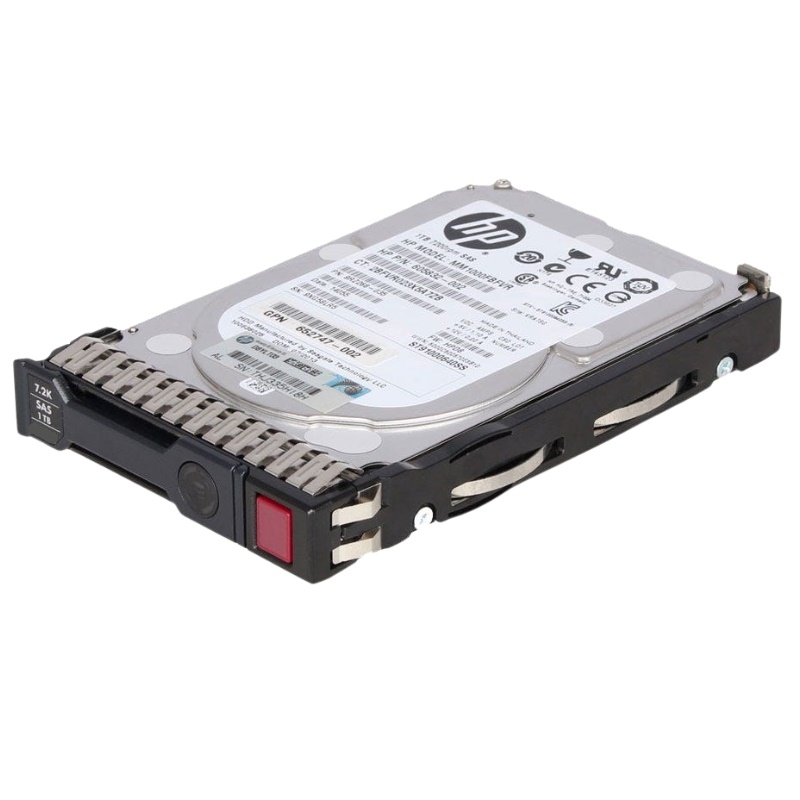
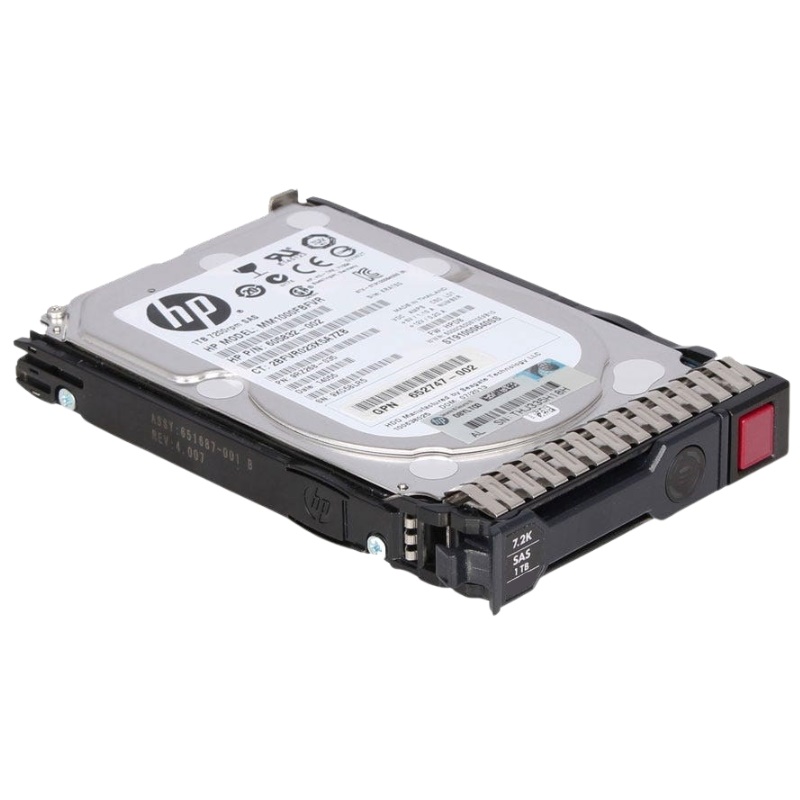
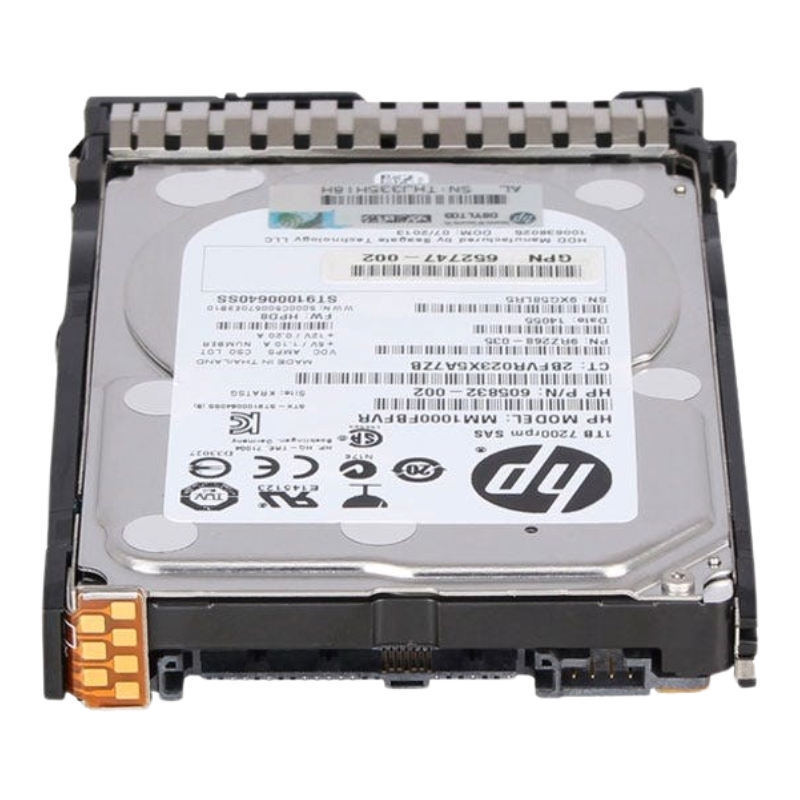
HPE MM1000JEFRB 1TB 7.2K RPM SAS 12GBPS Hot-swap Hard Drive. Factory-Sealed New in Original Box (FSB) with 3 Years Warranty
| SKU/MPN | Warranty | Price | Condition | You save |
|---|---|---|---|---|
| MM1000JEFRB | 1 Year Warranty | $122.00 | Excellent Refurbished | You save: $42.70 (26%) |
| MM1000JEFRB | 1 Year Warranty | $238.00 | Factory-Sealed New in Original Box (FSB) | You save: $83.30 (26%) |
The MM1000JEFRB HPE 1TB 7.2K RPM SAS 12Gbps Hot-Swap Hard Drive represents a critical component in enterprise-grade storage infrastructure, offering a balanced combination of performance, reliability, and scalability. Designed for use in demanding data center environments, this category of hard drives is engineered to support high-availability systems, mission-critical workloads, and continuous data access requirements. Businesses operating virtualization platforms, database applications, cloud storage systems, and backup environments rely heavily on such enterprise SAS drives for consistent and efficient data operations.
With a storage capacity of 1TB, this hard drive category addresses mid-range storage needs while maintaining high throughput and responsiveness. The 7,200 RPM spindle speed ensures stable performance across sequential and random workloads, making it suitable for applications that require steady data transfer rather than extreme IOPS. Its SAS 12Gbps interface significantly enhances communication speed between the drive and server, ensuring reduced latency and improved overall system performance.
Serial Attached SCSI (SAS) technology forms the backbone of enterprise storage solutions, and drives like the MM1000JEFRB exemplify the strengths of this interface. Unlike SATA drives, SAS offers dual-port connectivity, enabling redundant data paths that improve fault tolerance and ensure continuous operation even in the event of hardware failures. This feature is particularly valuable in RAID configurations and clustered environments where uptime is critical.
The 12Gbps SAS interface provides double the bandwidth of its 6Gbps predecessor, allowing faster data transfers and improved scalability. This increased bandwidth is essential for modern data centers handling large volumes of data, as it minimizes bottlenecks and supports high-speed data access across multiple applications simultaneously. Furthermore, SAS drives are designed with enhanced error correction mechanisms and advanced command queuing capabilities, which contribute to higher reliability and efficiency.
One of the defining characteristics of SAS drives is dual-port connectivity. This feature allows the drive to connect to two separate controllers simultaneously, ensuring redundancy and load balancing. In high-availability environments, dual-port access ensures that if one path fails, the system can continue operating without interruption using the alternate path. This level of resilience is crucial for enterprises that cannot afford downtime.
Enterprise SAS drives incorporate sophisticated error detection and correction algorithms that protect data integrity during transmission and storage. These features include cyclic redundancy checks (CRC), end-to-end data protection, and sector-level error recovery mechanisms. As a result, data corruption risks are significantly reduced, making these drives ideal for applications involving sensitive or mission-critical data.
The 7,200 RPM rotational speed strikes a balance between performance and energy efficiency. While higher RPM drives such as 10K or 15K models deliver superior IOPS, 7.2K drives provide sufficient performance for a wide range of workloads at a lower cost and reduced power consumption. This makes them an excellent choice for bulk storage, archival systems, and applications that require consistent throughput rather than peak performance.
In addition to rotational speed, factors such as cache size, firmware optimization, and interface bandwidth contribute to overall performance. The MM1000JEFRB category typically includes drives with optimized firmware designed for enterprise environments, ensuring predictable performance under heavy workloads.
7.2K RPM drives perform exceptionally well in sequential read and write operations, making them suitable for applications such as media streaming, backups, and data archiving. While they may not match the random access performance of higher RPM or SSD solutions, they remain highly efficient for workloads that involve large, continuous data transfers.
Energy efficiency is a critical factor in modern data centers, where power consumption directly impacts operational costs. 7.2K RPM drives consume less power compared to higher-speed alternatives, resulting in lower heat generation and reduced cooling requirements. This contributes to overall cost savings and improved sustainability in large-scale deployments.
Hot-swap capability is a defining feature of enterprise hard drives, allowing administrators to replace or upgrade drives without shutting down the system. This feature is essential for maintaining uptime and ensuring continuous operation in mission-critical environments. The MM1000JEFRB category supports hot-swapping, enabling seamless maintenance and minimizing disruptions.
In RAID configurations, hot-swappable drives facilitate quick replacement of failed units, allowing the system to rebuild data without significant downtime. This capability is particularly valuable in environments where data availability is paramount, such as financial institutions, healthcare systems, and cloud service providers.
By enabling immediate replacement of faulty drives, hot-swappable systems reduce the risk of data loss. In combination with RAID configurations, this feature ensures that data remains accessible and protected even in the event of hardware failures.
Enterprise hard drives are designed to operate continuously under demanding conditions. The MM1000JEFRB category is built to withstand 24/7 operation, high workload intensities, and varying environmental conditions. These drives undergo rigorous testing and validation to ensure reliability and longevity.
Key reliability features include high mean time between failures (MTBF), robust mechanical design, and advanced vibration tolerance. These attributes make them suitable for densely populated server racks where multiple drives operate in close proximity.
Enterprise drives are rated for higher workload capacities compared to consumer-grade drives. This ensures consistent performance and reliability even under heavy usage. The MM1000JEFRB category supports sustained workloads, making it ideal for data-intensive applications.
In multi-drive environments, vibrations can impact performance and reliability. Enterprise drives are equipped with rotational vibration sensors and adaptive control mechanisms that maintain stability and performance. Additionally, efficient thermal management ensures optimal operating temperatures, reducing the risk of overheating.
The MM1000JEFRB HPE 1TB SAS hard drive category is versatile and suitable for a wide range of enterprise applications. Its combination of capacity, performance, and reliability makes it a preferred choice for various use cases.
In data centers, these drives are used for storing large volumes of data while maintaining consistent access speeds. They support cloud storage platforms by providing reliable and scalable storage solutions.
The 1TB capacity and stable performance make these drives ideal for backup and archival purposes. Organizations can store critical data securely while ensuring easy retrieval when needed.
Virtualized environments and database systems require reliable storage with predictable performance. The MM1000JEFRB category meets these requirements, supporting efficient data management and processing.
Compatibility is a crucial consideration when selecting enterprise hard drives. The MM1000JEFRB category is designed to integrate seamlessly with a wide range of servers and storage systems. Its standardized SAS interface ensures compatibility with modern enterprise hardware.
These drives are commonly used in rack servers, blade servers, and storage arrays, providing flexibility in deployment. Proper firmware and hardware compatibility ensure optimal performance and reliability.
RAID configurations enhance data protection and performance. The MM1000JEFRB drives are compatible with various RAID levels, enabling organizations to choose configurations that best suit their needs.
Scalability is essential for growing businesses. These drives support scalable storage architectures, allowing organizations to expand their storage capacity as needed without significant infrastructure changes.
With a storage capacity of 1TB, this hard drive category addresses mid-range storage needs while maintaining high throughput and responsiveness. The 7,200 RPM spindle speed ensures stable performance across sequential and random workloads, making it suitable for applications that require steady data transfer rather than extreme IOPS. Its SAS 12Gbps interface significantly enhances communication speed between the drive and server, ensuring reduced latency and improved overall system performance.
Serial Attached SCSI (SAS) technology forms the backbone of enterprise storage solutions, and drives like the MM1000JEFRB exemplify the strengths of this interface. Unlike SATA drives, SAS offers dual-port connectivity, enabling redundant data paths that improve fault tolerance and ensure continuous operation even in the event of hardware failures. This feature is particularly valuable in RAID configurations and clustered environments where uptime is critical.
The 12Gbps SAS interface provides double the bandwidth of its 6Gbps predecessor, allowing faster data transfers and improved scalability. This increased bandwidth is essential for modern data centers handling large volumes of data, as it minimizes bottlenecks and supports high-speed data access across multiple applications simultaneously. Furthermore, SAS drives are designed with enhanced error correction mechanisms and advanced command queuing capabilities, which contribute to higher reliability and efficiency.
One of the defining characteristics of SAS drives is dual-port connectivity. This feature allows the drive to connect to two separate controllers simultaneously, ensuring redundancy and load balancing. In high-availability environments, dual-port access ensures that if one path fails, the system can continue operating without interruption using the alternate path. This level of resilience is crucial for enterprises that cannot afford downtime.
Enterprise SAS drives incorporate sophisticated error detection and correction algorithms that protect data integrity during transmission and storage. These features include cyclic redundancy checks (CRC), end-to-end data protection, and sector-level error recovery mechanisms. As a result, data corruption risks are significantly reduced, making these drives ideal for applications involving sensitive or mission-critical data.
The 7,200 RPM rotational speed strikes a balance between performance and energy efficiency. While higher RPM drives such as 10K or 15K models deliver superior IOPS, 7.2K drives provide sufficient performance for a wide range of workloads at a lower cost and reduced power consumption. This makes them an excellent choice for bulk storage, archival systems, and applications that require consistent throughput rather than peak performance.
In addition to rotational speed, factors such as cache size, firmware optimization, and interface bandwidth contribute to overall performance. The MM1000JEFRB category typically includes drives with optimized firmware designed for enterprise environments, ensuring predictable performance under heavy workloads.
7.2K RPM drives perform exceptionally well in sequential read and write operations, making them suitable for applications such as media streaming, backups, and data archiving. While they may not match the random access performance of higher RPM or SSD solutions, they remain highly efficient for workloads that involve large, continuous data transfers.
Energy efficiency is a critical factor in modern data centers, where power consumption directly impacts operational costs. 7.2K RPM drives consume less power compared to higher-speed alternatives, resulting in lower heat generation and reduced cooling requirements. This contributes to overall cost savings and improved sustainability in large-scale deployments.
Hot-swap capability is a defining feature of enterprise hard drives, allowing administrators to replace or upgrade drives without shutting down the system. This feature is essential for maintaining uptime and ensuring continuous operation in mission-critical environments. The MM1000JEFRB category supports hot-swapping, enabling seamless maintenance and minimizing disruptions.
In RAID configurations, hot-swappable drives facilitate quick replacement of failed units, allowing the system to rebuild data without significant downtime. This capability is particularly valuable in environments where data availability is paramount, such as financial institutions, healthcare systems, and cloud service providers.
By enabling immediate replacement of faulty drives, hot-swappable systems reduce the risk of data loss. In combination with RAID configurations, this feature ensures that data remains accessible and protected even in the event of hardware failures.
Enterprise hard drives are designed to operate continuously under demanding conditions. The MM1000JEFRB category is built to withstand 24/7 operation, high workload intensities, and varying environmental conditions. These drives undergo rigorous testing and validation to ensure reliability and longevity.
Key reliability features include high mean time between failures (MTBF), robust mechanical design, and advanced vibration tolerance. These attributes make them suitable for densely populated server racks where multiple drives operate in close proximity.
Enterprise drives are rated for higher workload capacities compared to consumer-grade drives. This ensures consistent performance and reliability even under heavy usage. The MM1000JEFRB category supports sustained workloads, making it ideal for data-intensive applications.
In multi-drive environments, vibrations can impact performance and reliability. Enterprise drives are equipped with rotational vibration sensors and adaptive control mechanisms that maintain stability and performance. Additionally, efficient thermal management ensures optimal operating temperatures, reducing the risk of overheating.
The MM1000JEFRB HPE 1TB SAS hard drive category is versatile and suitable for a wide range of enterprise applications. Its combination of capacity, performance, and reliability makes it a preferred choice for various use cases.
In data centers, these drives are used for storing large volumes of data while maintaining consistent access speeds. They support cloud storage platforms by providing reliable and scalable storage solutions.
The 1TB capacity and stable performance make these drives ideal for backup and archival purposes. Organizations can store critical data securely while ensuring easy retrieval when needed.
Virtualized environments and database systems require reliable storage with predictable performance. The MM1000JEFRB category meets these requirements, supporting efficient data management and processing.
Compatibility is a crucial consideration when selecting enterprise hard drives. The MM1000JEFRB category is designed to integrate seamlessly with a wide range of servers and storage systems. Its standardized SAS interface ensures compatibility with modern enterprise hardware.
These drives are commonly used in rack servers, blade servers, and storage arrays, providing flexibility in deployment. Proper firmware and hardware compatibility ensure optimal performance and reliability.
RAID configurations enhance data protection and performance. The MM1000JEFRB drives are compatible with various RAID levels, enabling organizations to choose configurations that best suit their needs.
Scalability is essential for growing businesses. These drives support scalable storage architectures, allowing organizations to expand their storage capacity as needed without significant infrastructure changes.


 Contact Us
 Information
 Catalog
 Solid State Drives (SSD)
 Network Switches
 Hard Disk Drives
 HBA & Controllers
 PC & Servers
 PC & Server Memory
 CPU & Processors
 Network Routers
 Power Supplies
 Tape Drives & Libraries
 Network Devices
 Computer & Network Cables