(7% discount is applied at checkout)
Cart is empty
Your go-to destination for cutting-edge server products
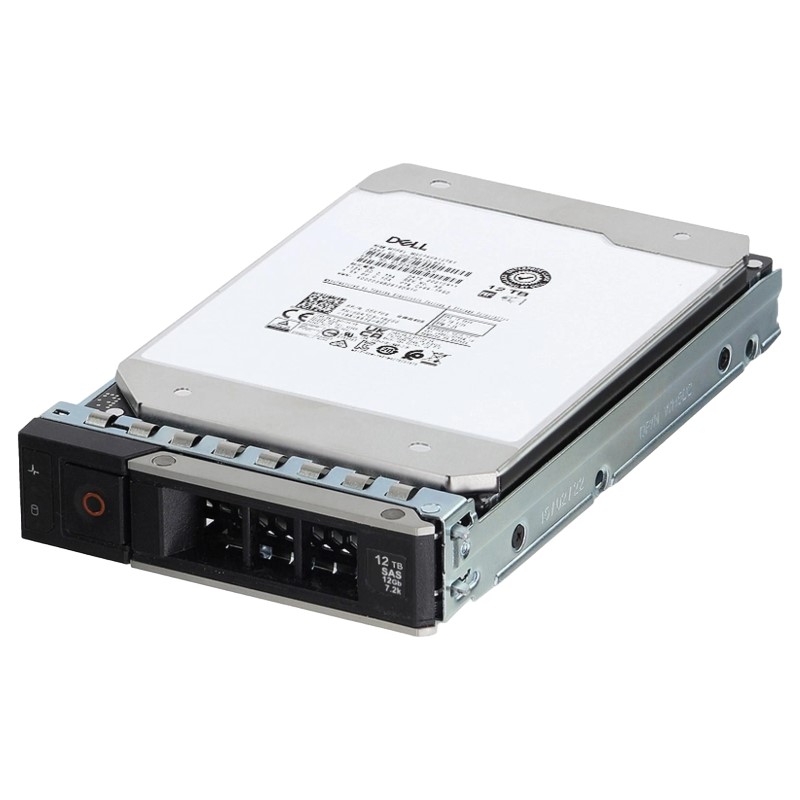


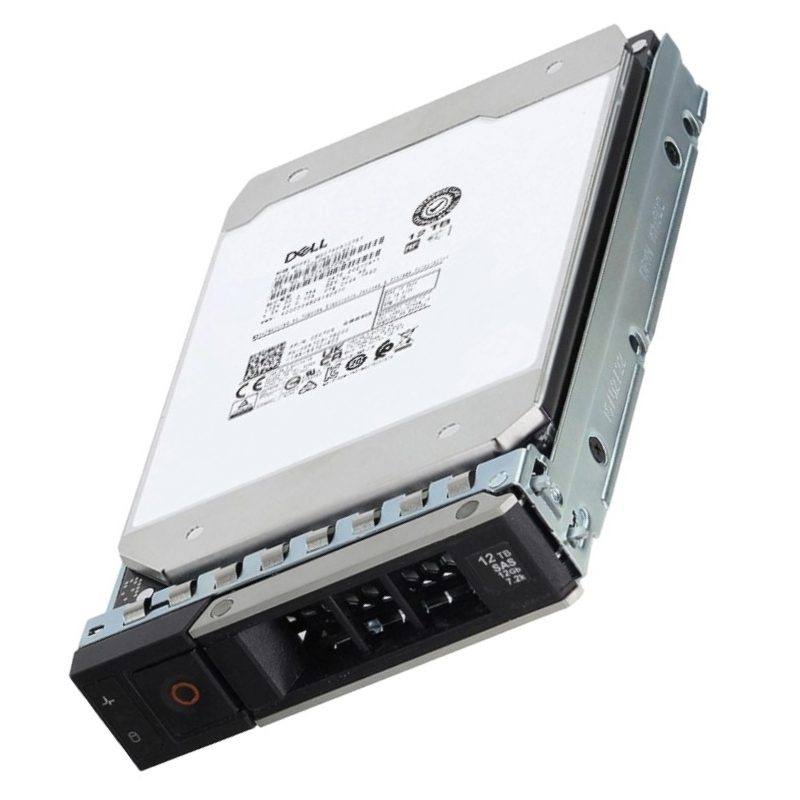
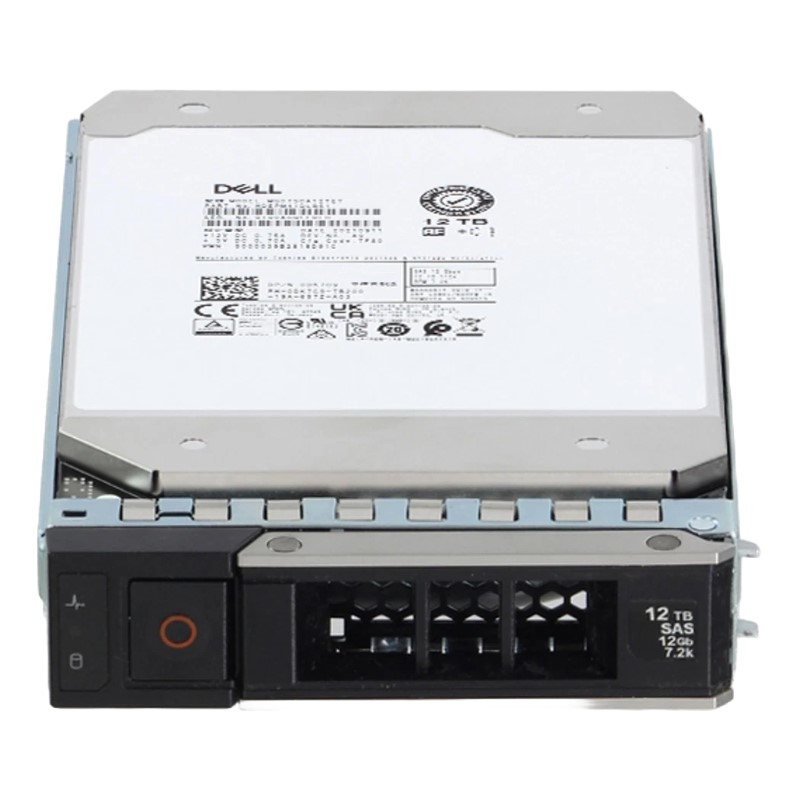
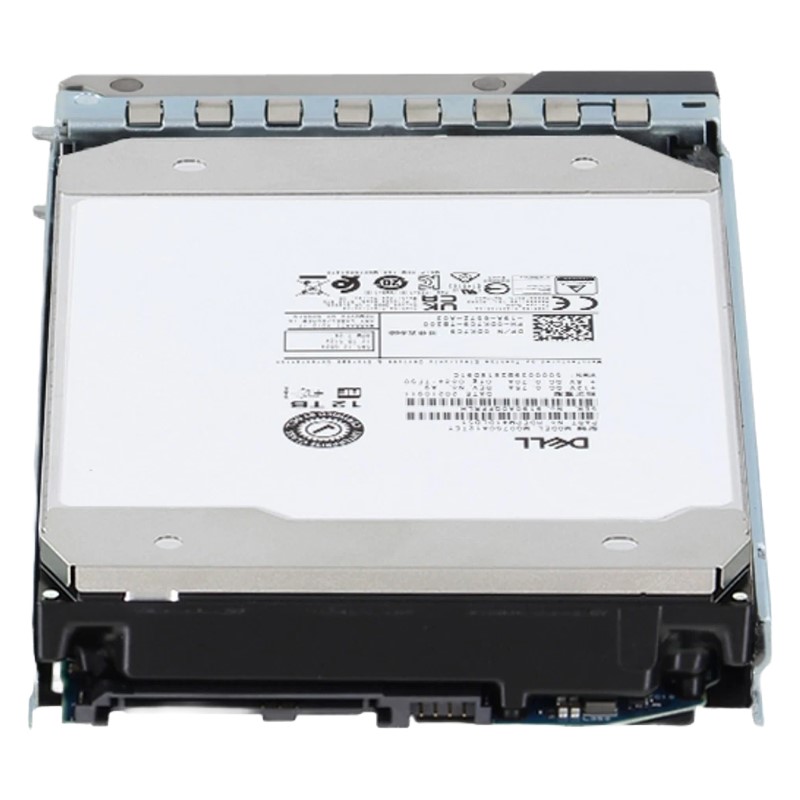
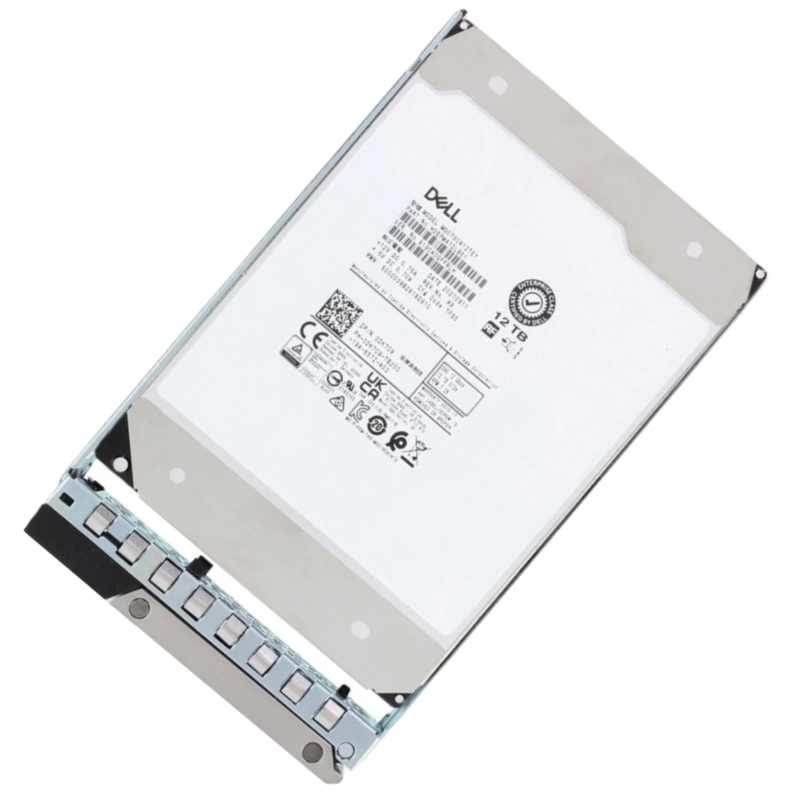
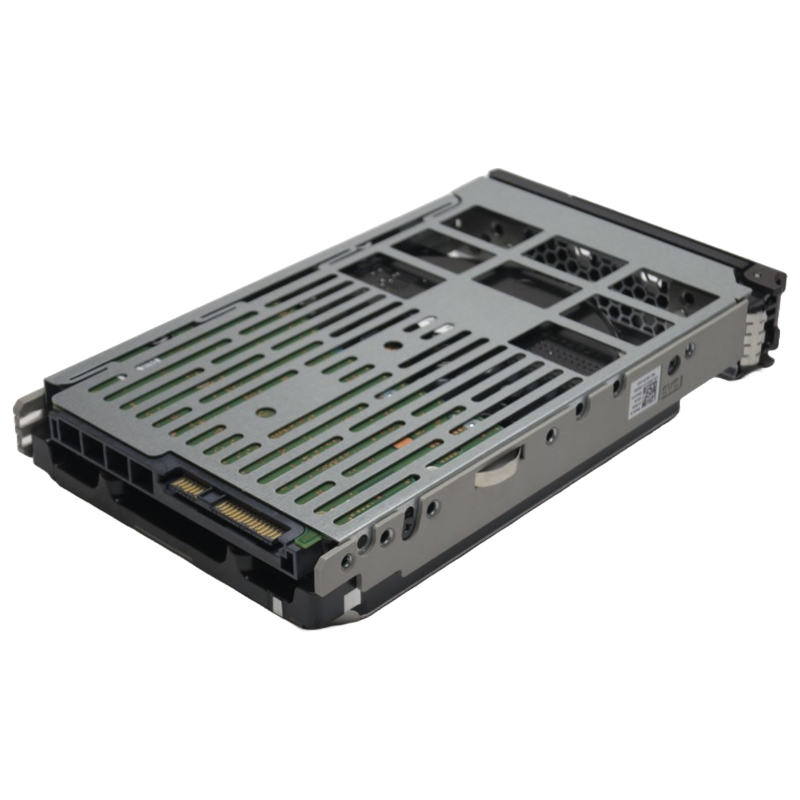
Dell 400-BEKH 12TB 7.2K RPM SAS-12GBPS 256MB 512E LFF Hard Disk. New Sealed in Box (NIB) with 1-Year Replacement Warranty
The Dell 400-BEKH 12TB hard drive is engineered for demanding business environments that require dependable, high-volume data storage. Designed with enterprise-grade reliability in mind, this large form factor (LFF) drive ensures consistent performance for servers and data-intensive applications.
Compatible HPE ProLiant Server Series
The Dell 400-BEKH 12TB 7.2K RPM SAS 12Gbps 256MB 512E LFF hard disk represents a powerful category of enterprise-grade storage solutions built to address the ever-growing demands of modern data environments. Designed for high-capacity storage and dependable performance, this class of hard drives is ideal for organizations that require consistent throughput, long-term reliability, and seamless scalability. With its 12TB capacity, this drive is engineered to support massive datasets, making it an essential component in data centers, enterprise servers, and large-scale storage systems.
This category of hard disks is particularly suited for businesses that rely on data-intensive applications, including analytics, virtualization, cloud storage, and backup systems. By combining a high storage capacity with enterprise-level durability and advanced interface technology, these drives offer a well-rounded solution for organizations seeking to optimize their storage infrastructure. The SAS 12Gbps interface ensures fast and reliable data transfer, while the 7,200 RPM rotational speed balances performance with energy efficiency.
One of the defining features of this category is its substantial 12TB storage capacity, which enables organizations to store large volumes of data on a single drive. This reduces the need for multiple lower-capacity drives, simplifying storage management and improving overall efficiency. High-capacity drives are particularly valuable in environments where data growth is rapid and continuous, such as cloud computing platforms, big data analytics systems, and digital content repositories.
By consolidating storage into fewer drives, businesses can optimize their data center footprint, reducing the number of drive bays required and improving airflow within server racks. This not only enhances performance but also contributes to lower operational costs by reducing power consumption and cooling requirements. The ability to store more data in less physical space is a critical advantage for organizations looking to maximize efficiency in their IT infrastructure.
These drives are also ideal for archival storage, where large volumes of data must be retained for long periods. Their capacity ensures that organizations can meet regulatory and compliance requirements while maintaining easy access to stored information. This makes them a practical choice for industries such as healthcare, finance, and media, where data retention is essential.
The SAS 12Gbps interface is a key feature of this category, providing superior performance and reliability compared to traditional SATA interfaces. SAS technology is designed specifically for enterprise environments, offering higher data transfer rates, improved error handling, and better scalability. This makes it an ideal choice for applications that require consistent performance under heavy workloads.
With a data transfer rate of up to 12Gbps, these drives can handle large volumes of data quickly and efficiently. This is particularly important in environments where multiple users or applications access data simultaneously. The increased bandwidth reduces latency and ensures that the storage system can keep up with demanding workloads, maintaining productivity and efficiency.
Another advantage of SAS technology is its support for full-duplex communication, allowing simultaneous read and write operations. This capability enhances performance and makes these drives suitable for high-performance computing environments and transactional databases. The reliability of the SAS interface further ensures that data is transferred accurately, minimizing the risk of errors.
The 7,200 RPM rotational speed of this category of hard disks provides a balanced approach to performance and energy efficiency. While not as fast as higher-RPM drives or solid-state storage solutions, this speed is sufficient for a wide range of enterprise applications. It ensures consistent performance for tasks such as file storage, backup operations, and data archiving.
The inclusion of a 256MB cache buffer enhances performance by temporarily storing frequently accessed data, reducing the time required to retrieve information from the disk. This results in faster read and write operations, improving overall system responsiveness. The cache also helps optimize data handling by organizing data more efficiently, reducing latency and ensuring smooth operation under heavy workloads.
These drives are well-suited for mixed workloads, where both sequential and random data access patterns are present. Their ability to handle diverse workloads makes them a versatile solution for enterprise environments, supporting a wide range of applications without compromising performance.
The 512E (512 emulation) sector format is another important feature of this category, ensuring compatibility with both legacy and modern systems. This format allows the drive to emulate traditional 512-byte sectors while using larger physical sectors internally, improving efficiency and performance. This compatibility simplifies deployment, as organizations can integrate these drives into existing infrastructures without requiring significant changes.
The 512E format also enhances data integrity by reducing the likelihood of errors during data transfer. This is particularly important in enterprise environments where data accuracy is critical. By maintaining compatibility with legacy systems, these drives provide a smooth transition path for organizations upgrading their storage infrastructure.
This flexibility makes the category suitable for a wide range of applications, from older systems to modern data centers. Organizations can deploy these drives with confidence, knowing that they will work seamlessly with their existing hardware and software.
The large form factor (LFF) 3.5-inch design of this category is optimized for high-capacity storage applications. This form factor allows for greater storage density compared to smaller drives, making it ideal for data centers and enterprise servers. The standardized design ensures compatibility with a wide range of systems, enabling easy integration and deployment.
The LFF design also contributes to improved thermal management, as the larger size allows for better heat dissipation. This is particularly important in high-density environments where multiple drives operate in close proximity. Effective cooling helps maintain optimal performance and extends the lifespan of the drives.
Additionally, the robust construction of LFF drives ensures durability, making them suitable for continuous operation in demanding environments. Their ability to withstand the rigors of enterprise use makes them a reliable choice for critical storage applications.
Reliability is a cornerstone of this category, with these drives designed to operate लगातार in demanding enterprise environments. Advanced error correction technologies and robust firmware ensure data integrity, reducing the risk of data loss or corruption. This is essential for businesses that rely on accurate and secure data storage.
Features such as rotational vibration tolerance and enhanced shock resistance contribute to stable operation in multi-drive configurations. These capabilities are particularly important in data centers, where drives are often installed in large arrays. By minimizing the impact of vibration and physical stress, these drives maintain consistent performance and reliability.
The long lifespan of these drives further enhances their value, as organizations can rely on them for extended periods without frequent replacements. This reduces maintenance costs and minimizes downtime, contributing to a more efficient and cost-effective storage infrastructure.
Scalability is a key consideration for modern businesses, and this category of hard disks is designed to support future growth. The high capacity of these drives allows organizations to expand their storage capabilities without requiring significant changes to their infrastructure. This makes them an ideal choice for businesses that anticipate increasing data demands.
These drives can be integrated into scalable storage architectures, such as storage area networks (SANs) and network-attached storage (NAS) systems. This flexibility enables organizations to build storage solutions that can grow with their needs, ensuring long-term viability and efficiency.
By investing in high-capacity drives, businesses can reduce the frequency of upgrades and avoid the disruptions associated with hardware changes. This provides a stable foundation for future growth, allowing organizations to focus on their core operations without worrying about storage limitations.
Integration and management are critical aspects of enterprise storage, and this category of hard disks is designed to simplify both. These drives are compatible with a wide range of server platforms and storage systems, enabling easy deployment in diverse environments. Their standardized interface and form factor ensure seamless integration into existing infrastructures.
Advanced management tools allow administrators to monitor drive health, performance, and status, enabling proactive maintenance and reducing the risk of unexpected failures. This level of visibility is essential for maintaining a reliable storage infrastructure and ensuring optimal performance.
Support for hot-swappable configurations allows drives to be replaced or upgraded without shutting down the system, ensuring continuous operation. This feature is particularly valuable in enterprise environments where downtime can have significant consequences.
Data protection is a top priority for organizations, and this category of hard disks includes features designed to safeguard critical information. Advanced error correction mechanisms ensure data integrity, while support for RAID configurations provides redundancy and protection against hardware failures.
These drives can be integrated into secure storage solutions that include encryption and access control features, ensuring that sensitive data remains protected. This is particularly important in industries where data security is critical, such as finance and healthcare.
The combination of high capacity, reliable performance, and robust security features makes this category of hard disks an essential component of modern enterprise storage strategies. By providing a comprehensive solution for data storage and protection, these drives enable organizations to manage their data with confidence and efficiency.


 Contact Us
 Information
 Catalog
 Solid State Drives (SSD)
 Network Switches
 Hard Disk Drives
 HBA & Controllers
 PC & Servers
 PC & Server Memory
 CPU & Processors
 Network Routers
 Power Supplies
 Tape Drives & Libraries
 Network Devices
 Computer & Network Cables