(7% discount is applied at checkout)
Cart is empty
Your go-to destination for cutting-edge server products
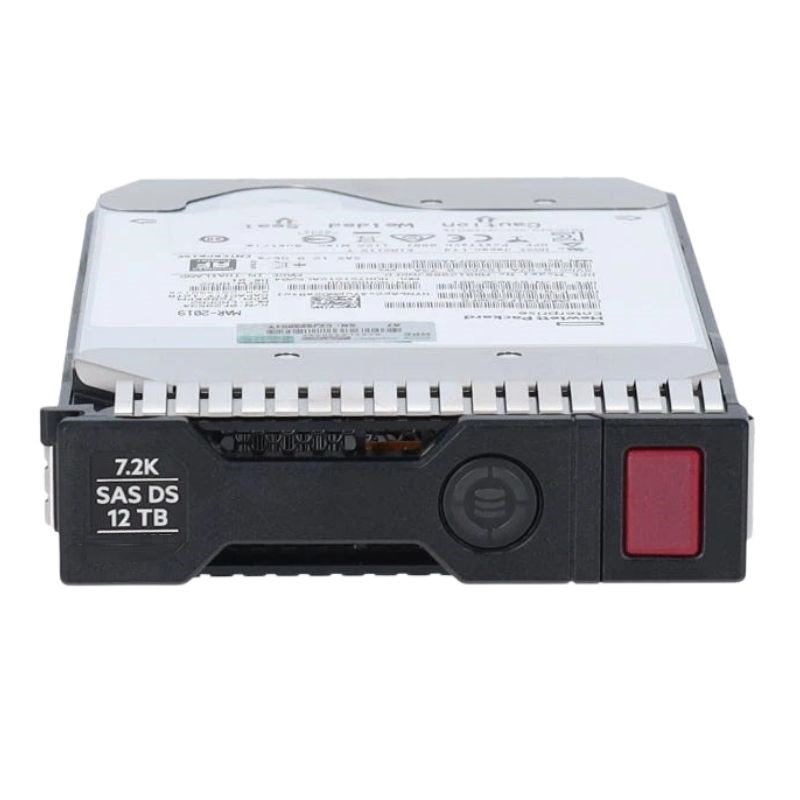


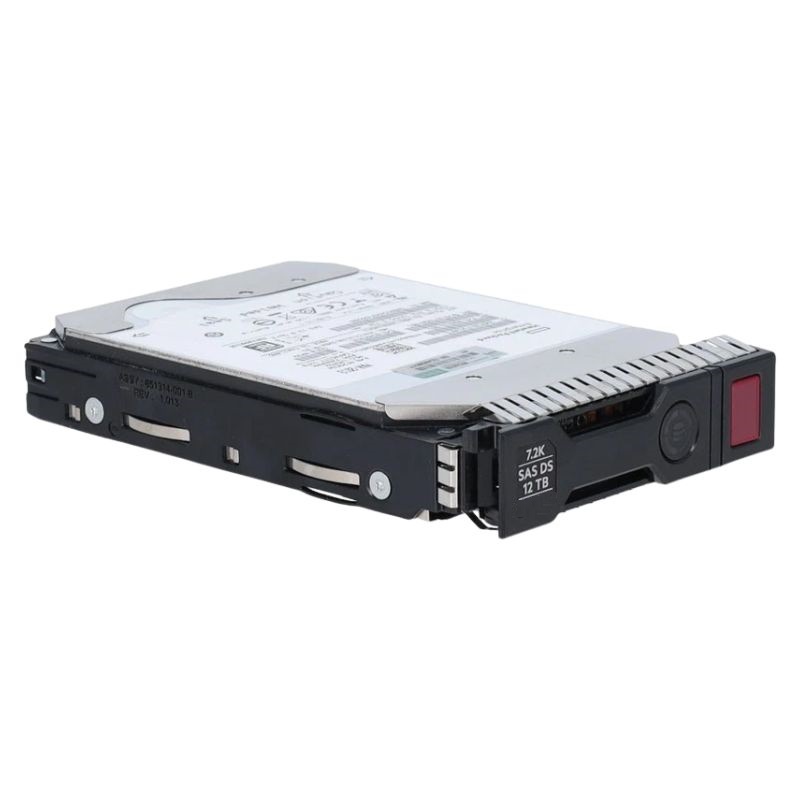
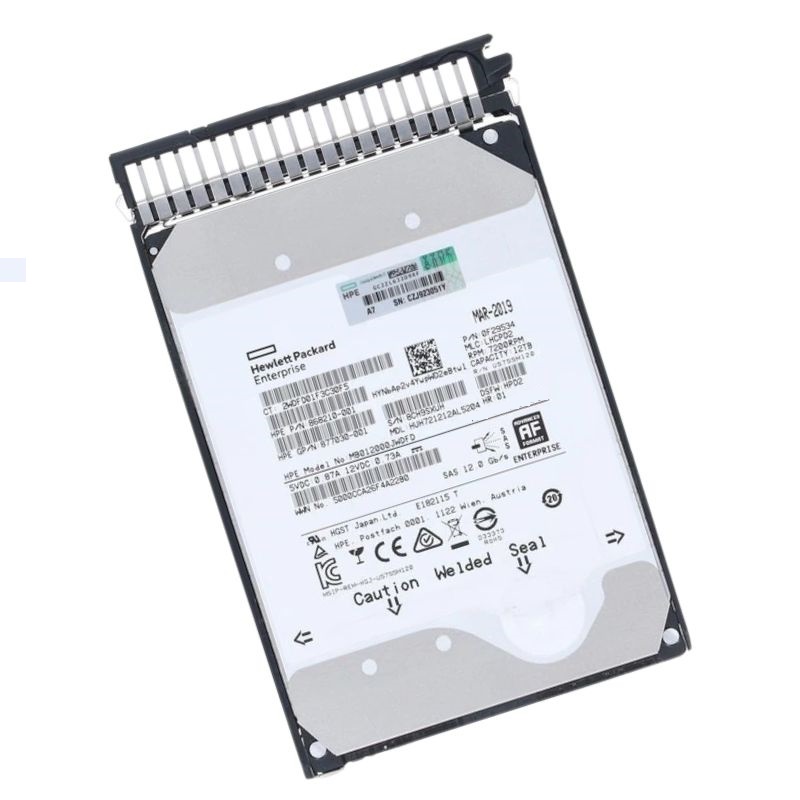
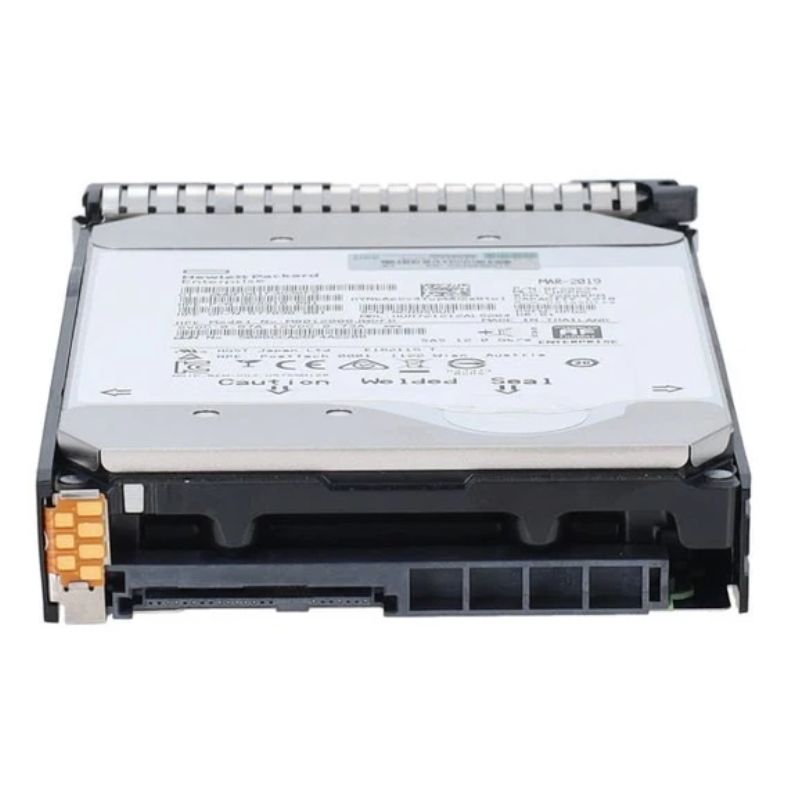
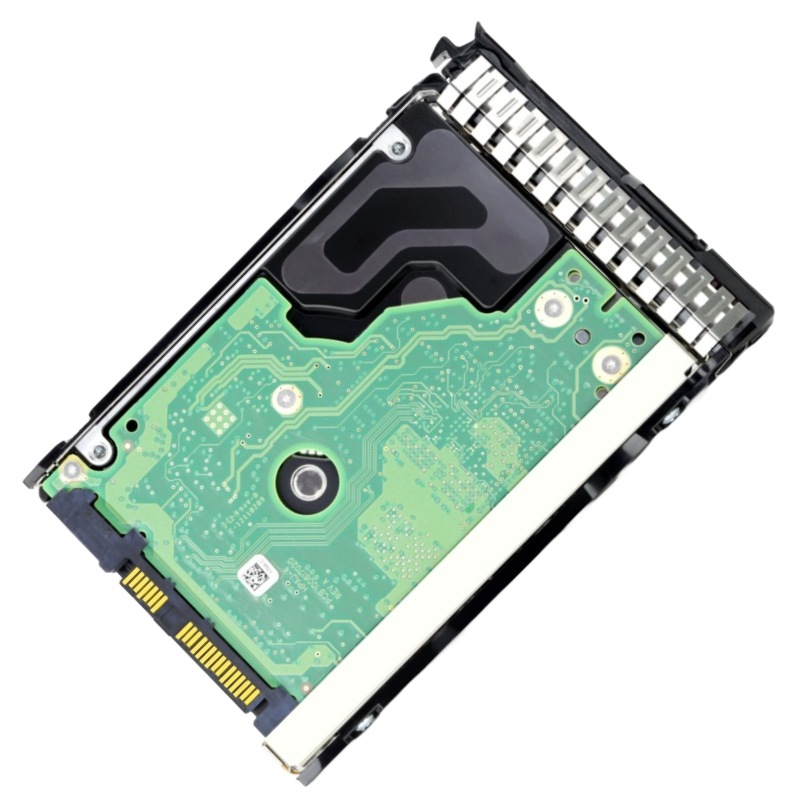
12TB 7.2K RPM SAS-12GBPS LFF SC Hard Drive With Tray HPE 881783-B21. Excellent Refurbished with 1 year replacement warranty
The HPE 881783-B21 is a high-capacity enterprise-grade storage solution designed for reliability and performance. This 12TB 7.2K RPM SAS-12Gbps LFF SC hard disk drive with tray is optimized for HPE ProLiant servers and storage arrays, ensuring seamless integration and dependable data management.
As businesses continue to generate vast amounts of structured and unstructured data, the need for high-capacity storage solutions has become increasingly critical. Enterprise storage systems must not only store large datasets but also provide quick access, redundancy, and reliability. The 12TB capacity offered by this category of drives allows organizations to consolidate storage infrastructure, reduce hardware footprint, and improve energy efficiency without compromising performance.
Large form factor drives, such as this model, are particularly valuable in environments where maximizing storage density per drive bay is crucial. These drives support high-capacity workloads such as data warehousing, backup and archival systems, media repositories, and virtualization platforms. The combination of high capacity and enterprise-grade reliability makes them a preferred choice for IT administrators seeking scalable storage solutions.
The Serial Attached SCSI (SAS) interface operating at 12Gbps plays a significant role in ensuring high-speed data transfer and robust connectivity. Compared to SATA interfaces, SAS provides superior reliability, better error handling, and enhanced performance under heavy workloads. This makes SAS drives particularly suitable for enterprise environments where uptime and data integrity are critical.
The 12Gbps bandwidth allows faster communication between the storage drive and the server controller, minimizing latency and improving overall system responsiveness. Additionally, SAS drives support dual-port connectivity, enabling redundancy and failover capabilities that are essential for mission-critical applications.
In enterprise environments, SAS drives offer several advantages over SATA alternatives. These include higher durability, better workload handling, and improved data integrity features. SAS drives are designed to operate continuously under demanding conditions, making them ideal for data centers that require 24/7 uptime.
The error correction capabilities and advanced command queuing features of SAS technology ensure that data is processed efficiently and accurately. This reduces the risk of data corruption and enhances overall system stability, which is crucial for applications such as financial systems, healthcare databases, and enterprise resource planning platforms.
The rotational speed of 7,200 RPM strikes a balance between performance and energy efficiency. While higher RPM drives offer faster data access, they also consume more power and generate more heat. The 7.2K RPM configuration provides sufficient performance for bulk storage and sequential workloads while maintaining lower operational costs.
This makes the drive suitable for applications such as backup storage, file servers, and content delivery systems where large volumes of data need to be stored and accessed efficiently without the need for extremely high input/output operations per second (IOPS).
Midline drives like this one are designed for applications that require a balance between performance and capacity. They are ideal for environments where data is accessed less frequently but still needs to be readily available. These drives support high-capacity storage requirements while maintaining cost efficiency, making them a popular choice for enterprise storage tiers.
Organizations can leverage midline drives to create tiered storage architectures, where frequently accessed data is stored on high-performance drives, and less critical data is stored on high-capacity midline drives. This approach optimizes resource utilization and reduces overall storage costs.
The large form factor design provides several advantages in enterprise environments. LFF drives typically offer higher storage capacities compared to small form factor drives, making them suitable for applications that require maximum storage density per drive. This reduces the number of drives needed, simplifying storage management and lowering power consumption.
The physical design of LFF drives also allows for better heat dissipation, which contributes to improved reliability and longer lifespan. In high-density storage systems, effective thermal management is essential to prevent overheating and ensure consistent performance.
The inclusion of a smart carrier tray enhances the usability and manageability of the drive. The tray is designed for easy installation and removal, allowing IT administrators to quickly replace or upgrade drives without disrupting system operations. This hot-swappable capability is critical in enterprise environments where downtime must be minimized.
The smart carrier also includes status indicators that provide real-time information about the drive’s health and activity. These indicators help administrators monitor system performance and quickly identify potential issues, enabling proactive maintenance and reducing the risk of unexpected failures.
Hot-swappable drives significantly improve maintenance efficiency in enterprise systems. Administrators can replace faulty drives without shutting down the server, ensuring continuous operation and minimizing downtime. This feature is particularly important for businesses that rely on uninterrupted access to data.
The ability to perform maintenance tasks without disrupting operations also reduces the need for scheduled downtime, allowing organizations to maintain high levels of productivity and service availability.
Enterprise hard drives are designed with advanced reliability features to ensure data integrity and long-term durability. These drives undergo rigorous testing and validation to meet strict industry standards. Features such as error correction, vibration tolerance, and thermal monitoring contribute to their robust performance in demanding environments.
The drive’s firmware is optimized for enterprise workloads, providing consistent performance and minimizing the risk of data loss. This makes it suitable for critical applications where data accuracy and reliability are paramount.
Enterprise drives are built to handle high workloads over extended periods. They are designed to support continuous operation and can withstand heavy data access patterns without performance degradation. This endurance ensures that the drive remains reliable even in high-demand scenarios.
The optimized workload capabilities make this category of drives suitable for applications such as data analytics, large-scale databases, and cloud storage systems. Organizations can rely on these drives to deliver consistent performance and maintain data integrity under heavy usage conditions.
Scalability is a key consideration in modern data centers, and high-capacity drives play a crucial role in achieving it. The 12TB capacity allows organizations to expand storage infrastructure without significantly increasing the number of physical drives. This simplifies system design and reduces operational complexity.
By using high-capacity drives, data centers can achieve greater storage density, enabling them to accommodate growing data demands while maintaining efficient use of space and resources. This scalability is essential for businesses that need to adapt to changing data requirements.
This category of drives is designed to integrate seamlessly with enterprise servers and storage arrays. Compatibility with a wide range of systems ensures that organizations can deploy these drives without compatibility issues. This flexibility allows IT teams to upgrade existing infrastructure or build new systems with confidence.
The integration capabilities also support advanced storage features such as RAID configurations, which enhance data protection and performance. By combining multiple drives in a RAID array, organizations can achieve redundancy and improve data availability.
RAID configurations provide an additional layer of data protection by distributing data across multiple drives. This ensures that data remains accessible even if one drive fails. The reliability and performance of enterprise drives make them well-suited for RAID environments, where consistent performance and durability are essential.
Different RAID levels offer varying degrees of redundancy and performance, allowing organizations to choose the configuration that best meets their needs. This flexibility enhances the overall reliability of the storage system.


 Contact Us
 Information
 Catalog
 Solid State Drives (SSD)
 Network Switches
 Hard Disk Drives
 HBA & Controllers
 PC & Servers
 PC & Server Memory
 CPU & Processors
 Network Routers
 Power Supplies
 Tape Drives & Libraries
 Network Devices
 Computer & Network Cables