(7% discount is applied at checkout)
Cart is empty
Your go-to destination for cutting-edge server products
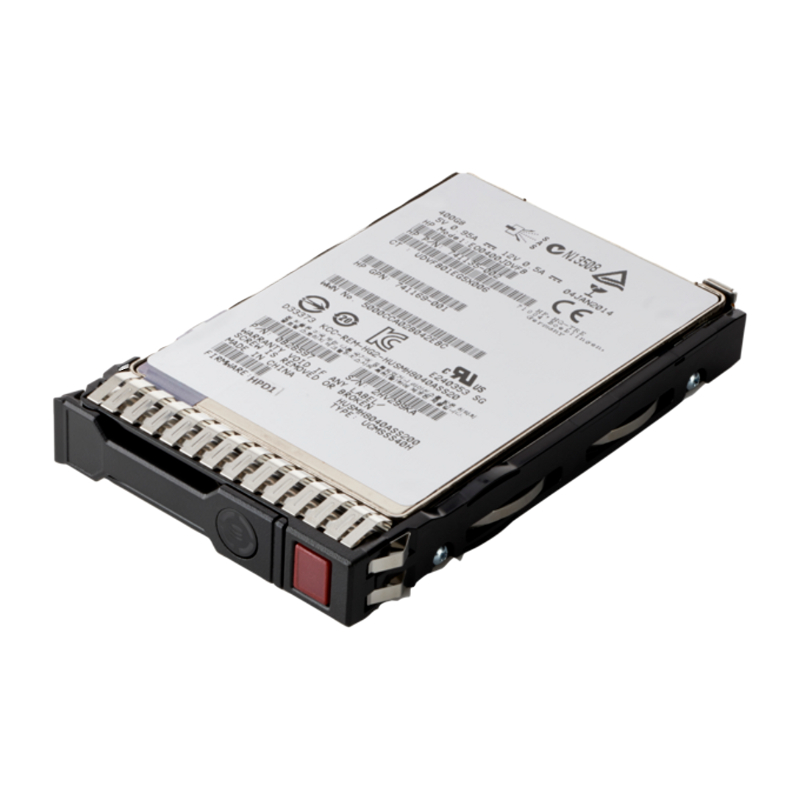


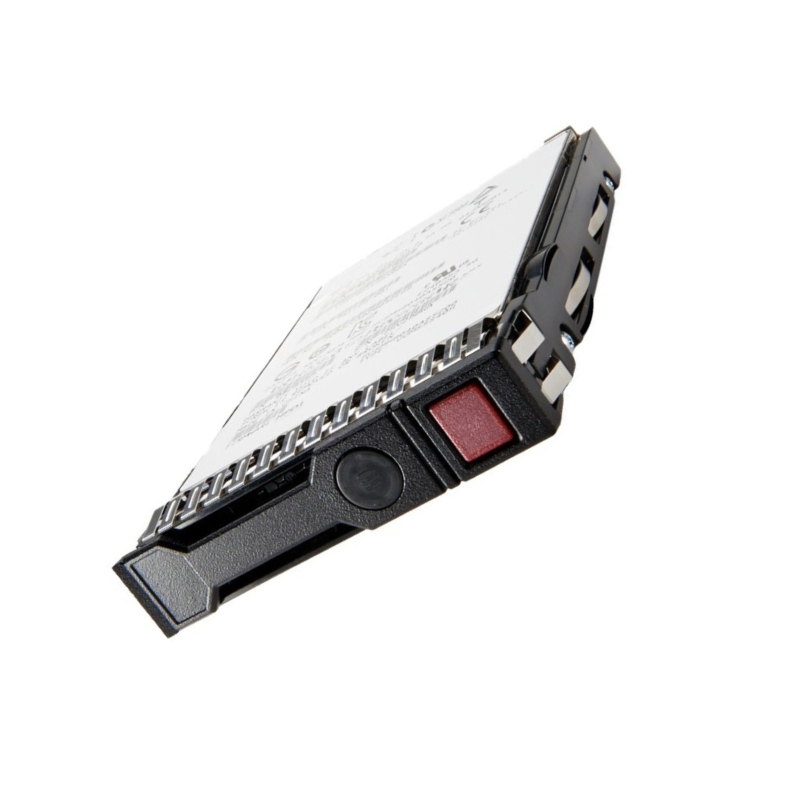
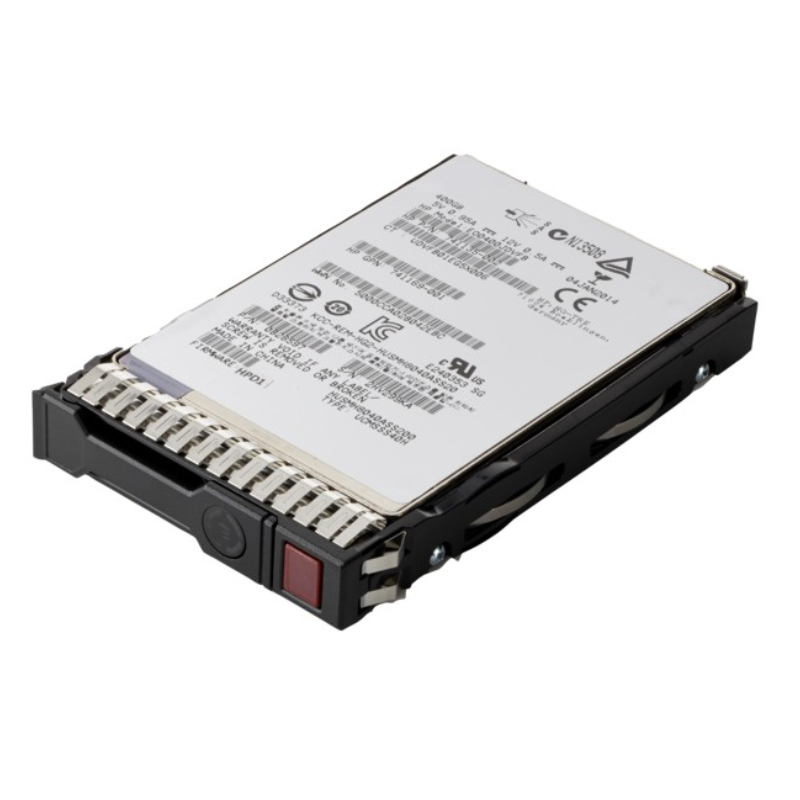
HPE 877984-B21 1TB PCI-E X4 Nvme 2.5inh SFF Read Intensive SCN SSD. New Sealed with 1 Year Replacement Warranty
| SKU/MPN | Warranty | Price | Condition | You save |
|---|---|---|---|---|
| 877984-B21 | 1 Year Warranty | $570.00 | New Sealed in Box (NIB) | You save: $199.50 (26%) |
| 877984-B21 | 1 Year Warranty | $330.00 | Excellent Refurbished | You save: $115.50 (26%) |
The HPE 877984-B21 1TB Read Intensive SFF PCI-Express x4 NVMe solid state drive represents a focused solution for data centers and enterprise-class servers that require high read throughput, low latency, and secure firmware integrity. Engineered as a small form factor (SFF) NVMe device, this SSD is designed to be deployed in HPE servers and storage enclosures where density, performance-per-watt, and predictable behaviors under read-heavy workloads are priorities. The product class is particularly well suited to use cases such as read-caching layers, content delivery and streaming nodes, database read replicas, analytics query acceleration, and virtualization hosts with predominantly read-oriented traffic. The drive’s hot-swap capability simplifies replacement and fleet maintenance, while the digitally signed firmware provides assurance against tampering and enforces firmware authenticity checks as part of an enterprise security posture.
At its core, a read intensive NVMe SSD optimizes flash management and firmware algorithms for workloads where sustained read operations outweigh write activity. Unlike mixed-use or write-intensive enterprise SSDs which prioritize write endurance or complex write amplification mitigation, read intensive models allocate resources around read latency consistency, robust error correction tailored for read patterns, and efficient garbage collection tuned to minimize read path interference. The SFF (small form factor) designation implies a compact physical footprint that enables high drive density in blade servers, rack-mount chassis, and modular storage trays. PCI-Express x4 connectivity delivers a direct host interface with multiple lanes of data transport, enabling NVMe protocol performance that bypasses many legacy SATA bottlenecks. Hot-swap capability means the drive can be removed or replaced while the server remains powered, reducing downtime and simplifying operations during maintenance windows or in failure events.
This SSD category is intentionally balanced to excel in read-centric workloads where IOPS and sequential read throughput matter most. Typical deployment scenarios include read caches for tiered storage architectures, front-end caching for web servers and content delivery networks, virtual desktop infrastructure read caches, analytics engines that perform heavy scanning or index-based queries, and database systems where read replicas serve the majority of client queries. In these scenarios, the SSD’s firmware and controller optimize queue handling, reduce read latency variance, and enable consistent response times at scale. Latency-sensitive enterprise applications—search engines, metadata services, and high-frequency lookup tables—benefit from the deterministic read performance of NVMe over PCIe lanes, and the drive’s ability to respond to high concurrency command queues without excessive jitter.
Sequential read throughput is critical for streaming large files and performing sequential data ingest operations; the PCIe x4 interface offers the bandwidth required to sustain those flows. Equally important in many enterprise contexts is random I/O performance: random reads drive responsiveness for OLTP-style queries, user profile lookups, and metadata access. Read intensive SSDs commonly provide strong random read IOPS at low latency, delivering faster transaction response times than equivalent spinning disk tiers or SATA-based SSDs. When designing a storage tier with these drives, architects typically size the NVMe layer to absorb the active read-working set so that disk seeks and mechanical latency are avoided for the majority of read operations.
For production services where predictable latency is a non-negotiable SLA component, read intensive SSDs are tuned to preserve consistent latency even under sustained load. The firmware implements prioritization and scheduling techniques to prevent background tasks such as wear-leveling and garbage collection from introducing spikes on the read path. The digitally signed firmware in this product family adds a second layer of operational predictability by ensuring that only verified firmware runs on the drive, preventing unexpected behavior that might arise from corrupted or unauthorized firmware images.
Hot-swap capability is a practical advantage that reduces planned and unplanned downtime. When a drive must be replaced—due to a predictive failure alert, reconfiguration, or capacity upgrade—hot-swap sockets and backplane designs allow the technician to remove and install devices without powering down the entire server or array. This is a critical feature for maintaining high availability in clustered environments, stateless compute nodes, and storage pools where rolling maintenance is a standard operational pattern. Hot-swap operation should be combined with proper OS-level and hypervisor-level device handling to ensure the operating system drains pending I/O and releases device queues before replacement.
Deploying this SSD in HPE hardware yields additional management and monitoring benefits through vendor-native tools. HPE systems commonly expose drive telemetry—SMART attributes, temperature readings, endurance estimates, and predictive health warnings—through integrated system management platforms and server management utilities. When used in conjunction with these management layers, administrators gain a consolidated view of drive state across the server fleet. Integration also simplifies firmware updates when official HPE service packs and system firmware bundles include validated drive firmware releases. For enterprises that require tightly controlled firmware update procedures, the vendor’s update channels provide an auditable path for deploying signed firmware images to compliant hardware.
Compared with mechanical drives, NVMe SSDs offer superior performance-per-watt for many workloads; however, sustained high throughput does generate thermal output that must be managed. Selecting a server chassis with adequate airflow, ensuring unobstructed cooling paths, and monitoring per-drive temperature metrics will prevent performance throttling and extend component longevity. Power budgeting at the rack level should include the aggregate consumption of NVMe layers alongside CPUs, memory, and network interfaces to maintain reliable power distribution units (PDUs) and avoid oversubscription.
Migrating workloads to an NVMe read-intensive tier requires an understanding of both application behavior and the surrounding storage architecture. When moving a database read replica or a caching layer onto NVMe, administrators typically measure baseline metrics on the source storage—read latency, IOPS, and throughput—to set target performance thresholds for the NVMe tier. Compatibility with existing RAID controllers, software-defined storage stacks, and hypervisor storage drivers should be validated prior to large-scale rollouts. In many environments, NVMe drives are used in direct-attach configurations or within NVMe-over-Fabrics topologies to preserve low-latency access across nodes. Consideration of driver and operating system support for NVMe namespaces and power management features is essential to ensure that the operating system recognizes and leverages the drive’s capabilities.
While read intensive SSDs primarily advertise performance and endurance characteristics, data protection requirements often dictate encryption strategies for data-at-rest. If encryption is required, validate whether the drive supports self-encrypting drive (SED) standards or integrate host-based encryption where SED functionality is not provided. The presence of digitally signed firmware does not inherently provide encryption for stored data, but it does help ensure firmware-level protections remain intact. For workloads handling regulated data, combine device-level security features with key management systems that meet organizational compliance mandates.
Real-world use cases for the HPE 877984-B21 class of drives appear across multiple industries. Media and entertainment companies use read-optimized NVMe tiers to stream high-resolution assets to editing suites and CDNs. Financial services deploy read-focused flash for historical market data caches and analytics accelerators where rapid query access is essential for trading strategies. E-commerce platforms use NVMe caches to accelerate catalog browse and search operations during peak traffic spikes. Cloud service providers apply read intensive drives to multi-tenant caching layers and metadata services where the cost-efficiency of a read-optimized device yields measurable performance per dollar. Each pattern emphasizes the consistent, low-latency read characteristics and the operational advantages of hot-swap, compact SFF packaging.


 Contact Us
 Information
 Catalog
 Solid State Drives (SSD)
 Network Switches
 Hard Disk Drives
 HBA & Controllers
 PC & Servers
 PC & Server Memory
 CPU & Processors
 Network Routers
 Power Supplies
 Tape Drives & Libraries
 Network Devices
 Computer & Network Cables