(7% discount is applied at checkout)
Cart is empty
Your go-to destination for cutting-edge server products
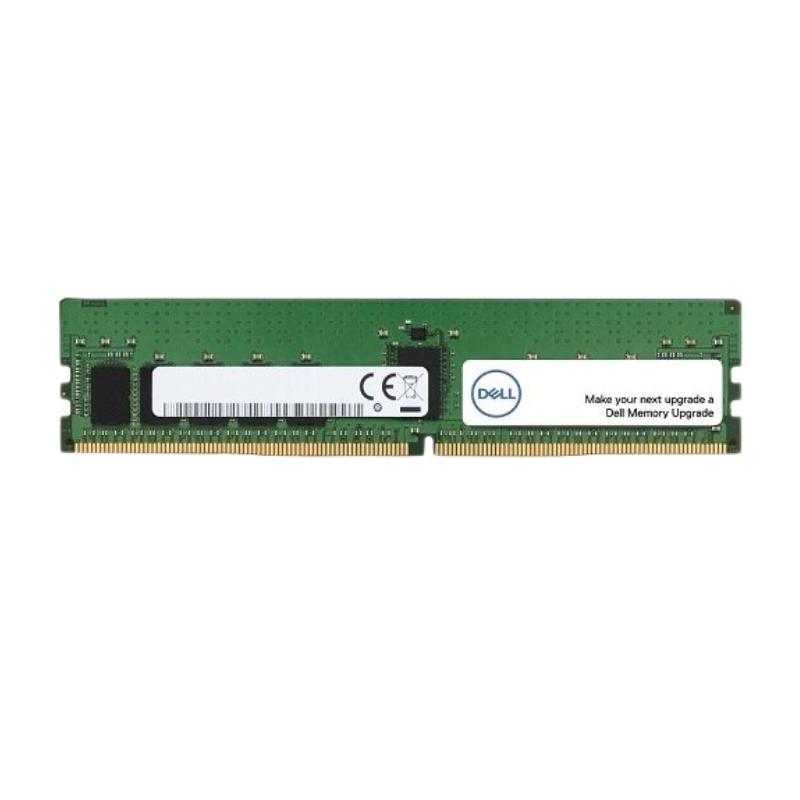


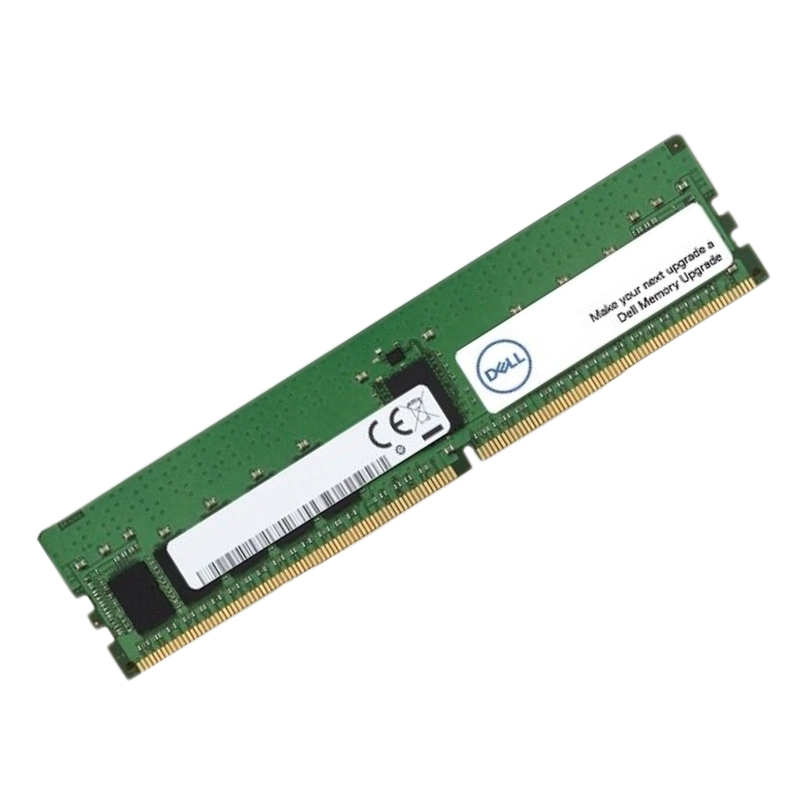
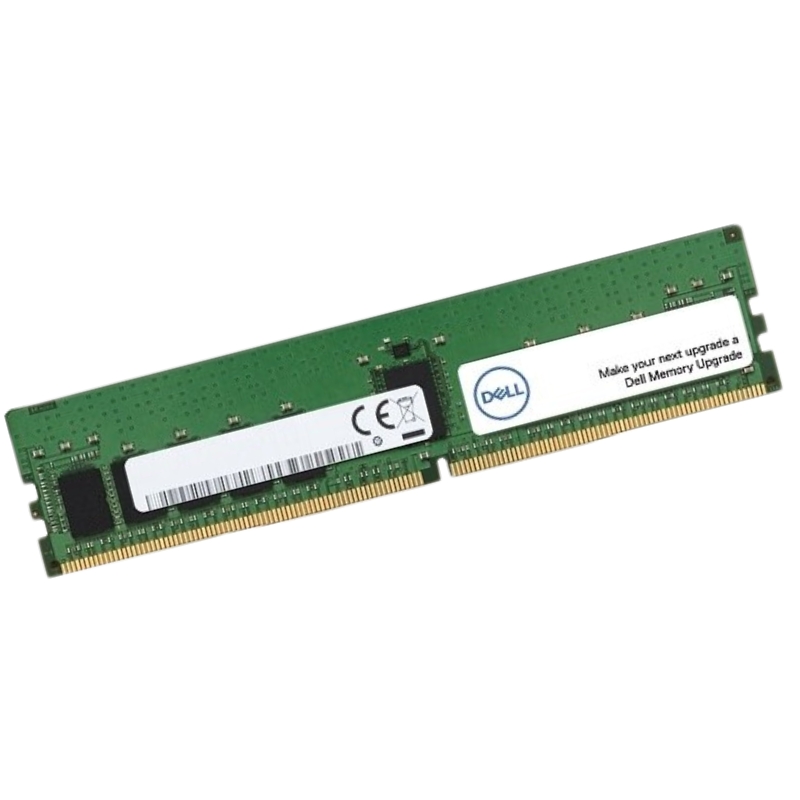
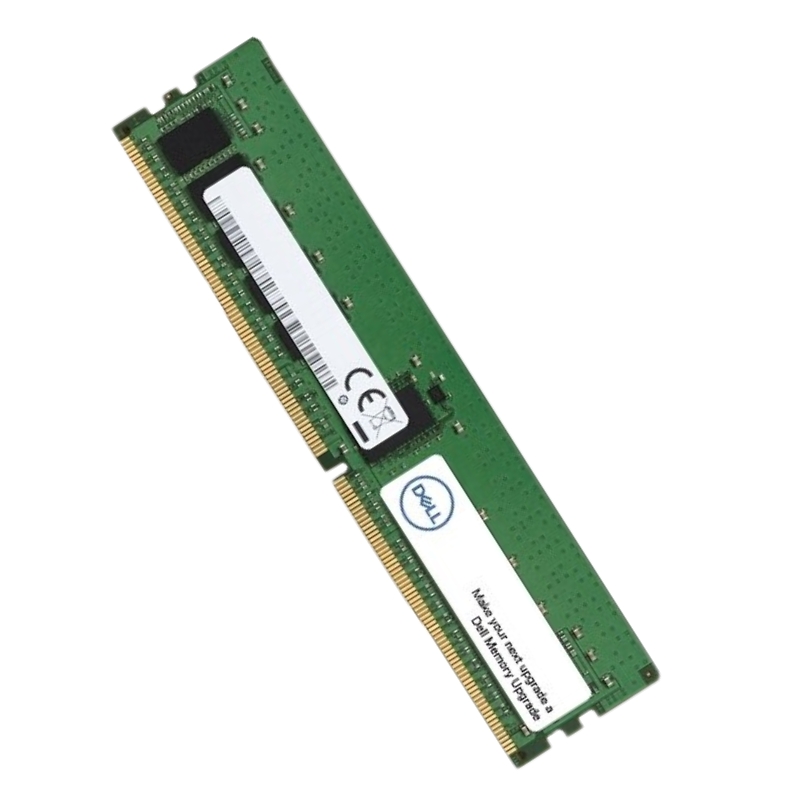
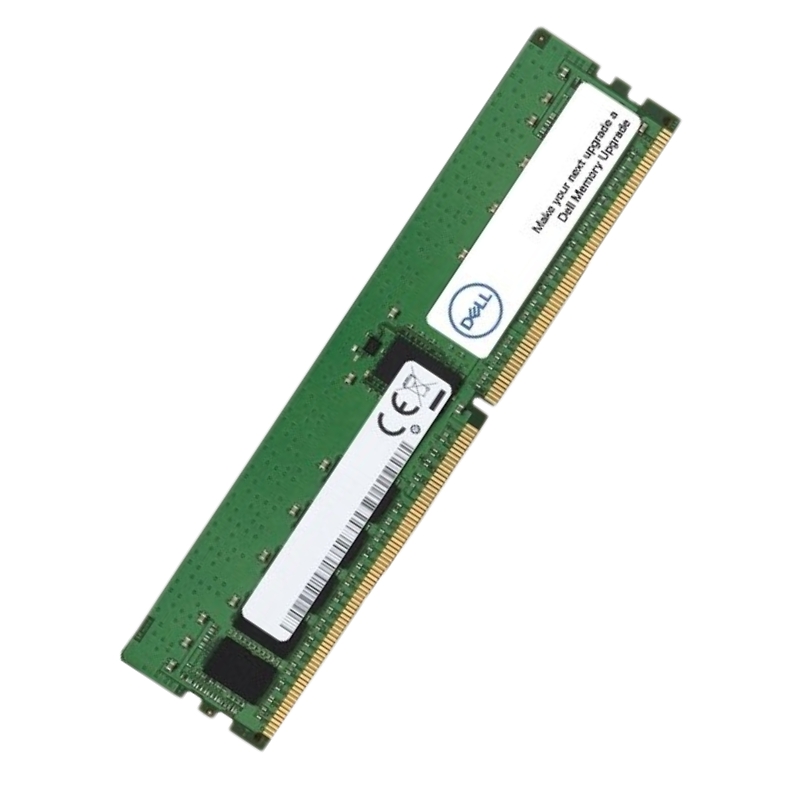
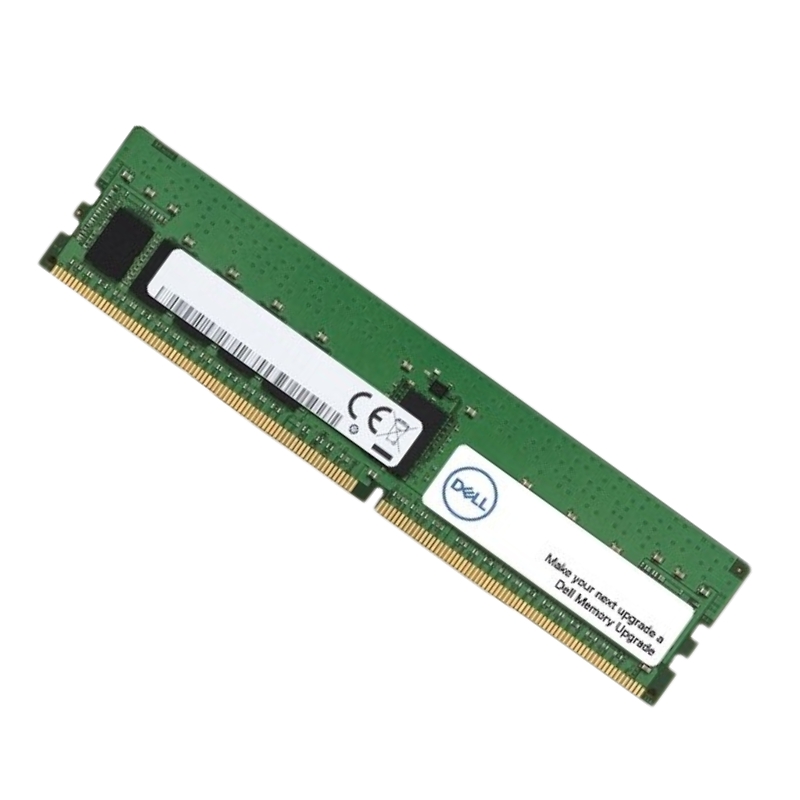
Dell HTPJ7 32GB 3200MHz Pc4-25600 RAM Cl22 ECC Registered DDR4 SDRAM 288Pin. New Sealed in Box (NIB)
| SKU/MPN | Warranty | Price | Condition | You save |
|---|---|---|---|---|
| HTPJ7 | 1 Year Warranty | $480.00 | New (System) Pull | You save: $168.00 (26%) |
| HTPJ7 | 1 Year Warranty | $758.00 | New Sealed in Box (NIB) | You save: $265.30 (26%) |
This memory category is built around Error-Correcting Code (ECC) functionality, a defining characteristic for systems that prioritize reliability and uptime. ECC memory automatically detects and corrects single-bit memory errors before they can cause system crashes, data corruption, or performance degradation. As a result, ECC DDR4 RAM is commonly deployed in data centers, virtualization hosts, database servers, engineering workstations, and cloud infrastructure where accuracy and consistency are non-negotiable.
DDR4 SDRAM forms the technological foundation of this memory category. Compared to earlier memory standards, DDR4 operates at lower voltages, typically around 1.2V, reducing overall power consumption and heat generation. This efficiency gain is particularly valuable in dense server environments where energy costs and thermal management are critical considerations. The PC4-25600 designation indicates a theoretical maximum bandwidth of 25.6GB/s per module, supporting high-throughput workloads such as virtualization, real-time analytics, and content creation.
With a clock speed of 3200MHz, DDR4 memory in this category supports rapid data transfers between the CPU and memory subsystem. This higher frequency enables smoother multitasking, faster application loading, and improved system responsiveness, especially in multi-core processors that rely heavily on memory bandwidth to maintain optimal performance.
The CL22 latency rating reflects the balance between speed and stability that defines this category. While lower CAS latency values are often associated with consumer gaming memory, CL22 is optimized for enterprise workloads where reliability and sustained throughput take precedence over marginal latency reductions. This timing configuration ensures compatibility with a wide range of server-grade motherboards and chipsets while maintaining predictable performance under continuous load.
Memory timing stability is essential in environments where systems operate 24/7. The CL22 specification allows for consistent memory access patterns, minimizing timing-related errors and ensuring long-term operational reliability across diverse workloads.
ECC memory is a cornerstone of this category, providing advanced error detection and correction capabilities that protect critical data. Single-bit memory errors can occur due to electrical interference, cosmic radiation, or component wear over time. In non-ECC memory, these errors may go unnoticed, leading to corrupted files, application crashes, or silent data corruption. ECC memory proactively addresses these issues, significantly reducing the risk of system instability.
For enterprise IT environments, the cost of downtime or data loss can be substantial. By incorporating ECC technology, this memory category supports uninterrupted operations, making it suitable for financial systems, healthcare platforms, scientific research, and large-scale databases where data accuracy is paramount.
Virtualization platforms place heavy demands on system memory, as multiple virtual machines share the same physical resources. ECC DDR4 memory ensures that memory errors in one virtual machine do not propagate across the system, preserving isolation and reliability. This characteristic makes the HTPJ7 Dell 32GB module category particularly well-suited for hypervisors, private cloud deployments, and containerized applications.
Consistent memory performance under virtualization also improves resource allocation efficiency, enabling administrators to maximize server utilization without compromising stability or performance.
The 288-pin DIMM form factor is the standard for DDR4 desktop and server memory, ensuring broad compatibility with modern server motherboards and workstation platforms. This standardized design simplifies installation and upgrades, allowing IT professionals to scale memory capacity efficiently as workload demands increase.
The physical layout of the DIMM supports higher memory densities, enabling 32GB per module configurations without sacrificing signal integrity. This capacity is ideal for systems that require large memory pools for in-memory databases, virtualization, and advanced analytics.
Memory modules in this category are engineered to operate reliably under sustained thermal loads. Server environments often experience elevated temperatures due to high component density and continuous operation. The materials and PCB design used in enterprise DDR4 memory help dissipate heat effectively, reducing the risk of thermal throttling or premature component failure.
Durability is further enhanced through rigorous validation and testing processes, ensuring that each module meets strict quality and performance standards before deployment in production environments.
The HTPJ7 Dell 32GB memory category is specifically aligned with Dell server and workstation architectures. Compatibility testing ensures seamless integration with supported Dell PowerEdge servers and Precision workstations, reducing the risk of firmware conflicts or performance inconsistencies.
Using memory modules validated for specific OEM platforms helps maintain system warranties and ensures that firmware updates, BIOS configurations, and system diagnostics function as intended.
Enterprise memory modules are designed to work in harmony with system firmware, enabling advanced memory management features such as memory mirroring, sparing, and patrol scrubbing. These features enhance fault tolerance and system resilience, particularly in mission-critical deployments.
BIOS-level support for ECC reporting and logging provides administrators with valuable insights into memory health, allowing proactive maintenance and reducing the likelihood of unexpected failures.
In data center environments, memory reliability and scalability are essential. This category of 32GB ECC DDR4 memory supports high-density server configurations, enabling operators to deploy fewer physical servers while maintaining or increasing overall computing capacity. This consolidation reduces power consumption, cooling requirements, and operational costs.
Cloud service providers benefit from the predictable performance and stability of ECC memory, ensuring consistent service delivery to customers across shared infrastructure.
Professional users in fields such as 3D rendering, video editing, CAD, and scientific modeling require large amounts of reliable memory to handle complex datasets and real-time processing. The 32GB capacity per module allows workstations to scale to 64GB, 128GB, or more, supporting memory-intensive applications without bottlenecks.
ECC protection ensures that long rendering jobs and simulations complete accurately, preserving data integrity throughout extended processing cycles.
Database servers and analytics platforms rely heavily on memory performance to deliver fast query responses and real-time insights. This memory category supports in-memory databases and caching layers, reducing latency and improving overall system throughput.
ECC functionality is particularly valuable in these environments, as even minor data corruption can lead to inaccurate results or compromised decision-making.
With 32GB per module, this category enables scalable memory configurations that can grow alongside evolving workload requirements. Servers equipped with multiple DIMM slots can achieve substantial total memory capacities, supporting future application demands without requiring a complete hardware overhaul.
This scalability is essential for organizations planning long-term infrastructure investments, as it extends the usable lifespan of existing systems.
Modern processors from leading manufacturers are optimized to take advantage of high-speed DDR4 memory. The 3200MHz frequency aligns with supported memory speeds for many enterprise CPUs, ensuring optimal performance without overclocking or manual tuning.
This alignment simplifies deployment and reduces configuration complexity, enabling IT teams to focus on application optimization rather than hardware troubleshooting.
Memory modules in this category undergo extensive testing to verify signal integrity, timing accuracy, and error correction functionality. Stress testing under high loads ensures that modules perform reliably in real-world conditions, including continuous operation and fluctuating temperatures.
Quality assurance processes help minimize early-life failures and ensure consistent performance across large deployments, which is critical for enterprise customers managing hundreds or thousands of systems.
Enterprise-grade memory is designed for longevity, with components selected for endurance and resilience. This focus on long-term stability reduces maintenance costs and supports predictable system behavior over extended service periods.
By choosing memory from this category, organizations can build infrastructure that meets both current performance needs and future reliability expectations.
Standardizing on a specific memory category simplifies inventory management and reduces compatibility risks. Using identical modules across multiple systems ensures consistent performance and simplifies troubleshooting and replacement procedures.
This approach is particularly beneficial for large IT environments where uniformity contributes to operational efficiency and cost control.
This category occupies a strategic position in the enterprise memory market, offering a balanced combination of high capacity, reliable performance, and advanced error correction. It addresses the needs of organizations that require more than consumer-grade memory but do not want to compromise on compatibility or efficiency.
The 3200MHz speed and 32GB capacity make it suitable for a wide range of workloads, from virtualization and databases to professional content creation and analytics.


 Contact Us
 Information
 Catalog
 Solid State Drives (SSD)
 Network Switches
 Hard Disk Drives
 HBA & Controllers
 PC & Servers
 PC & Server Memory
 CPU & Processors
 Network Routers
 Power Supplies
 Tape Drives & Libraries
 Network Devices
 Computer & Network Cables