(7% discount is applied at checkout)
Cart is empty
Your go-to destination for cutting-edge server products
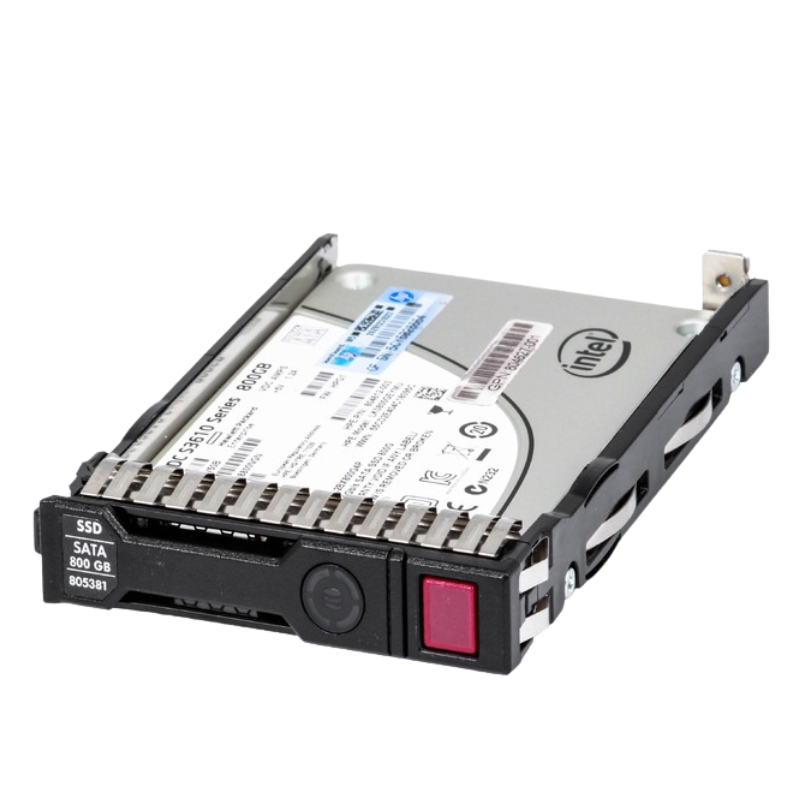


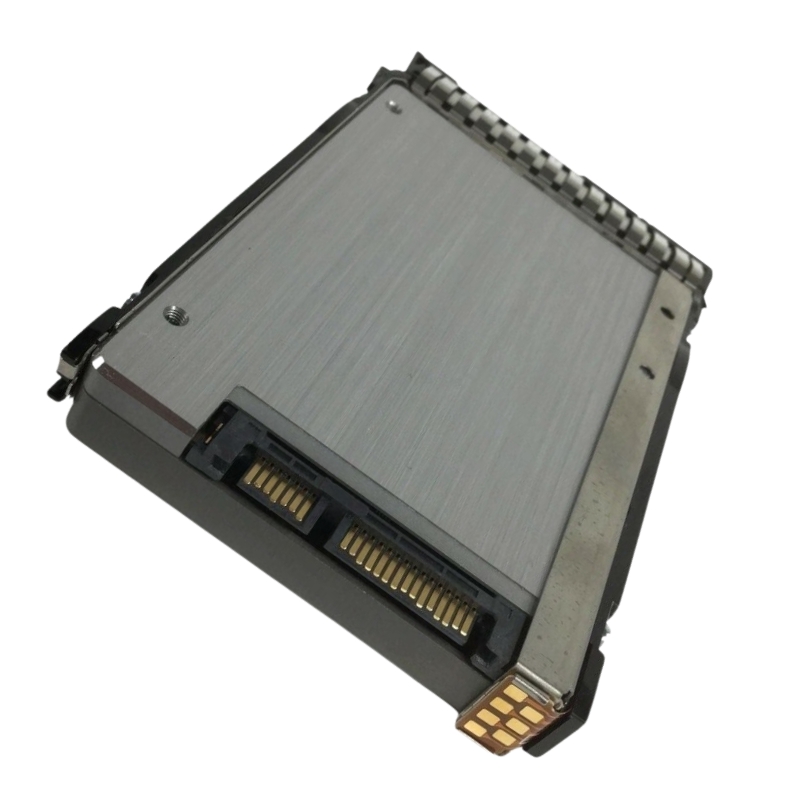
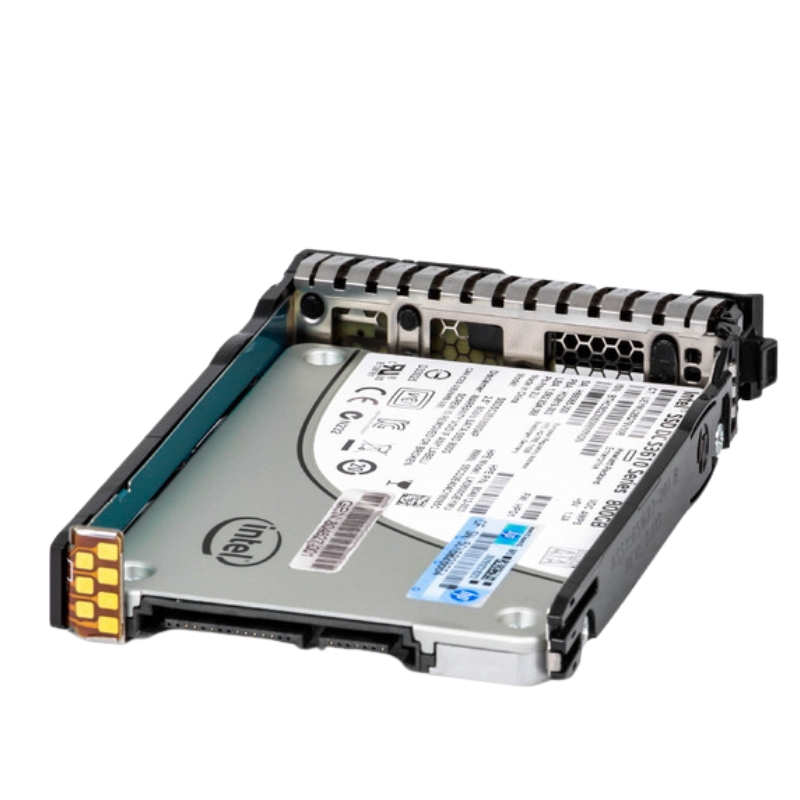
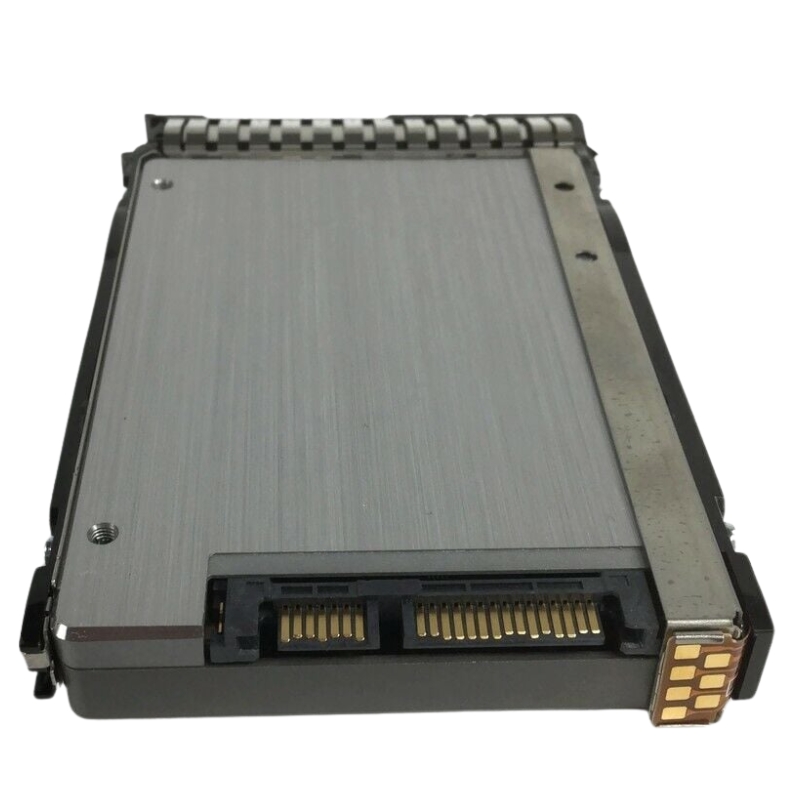
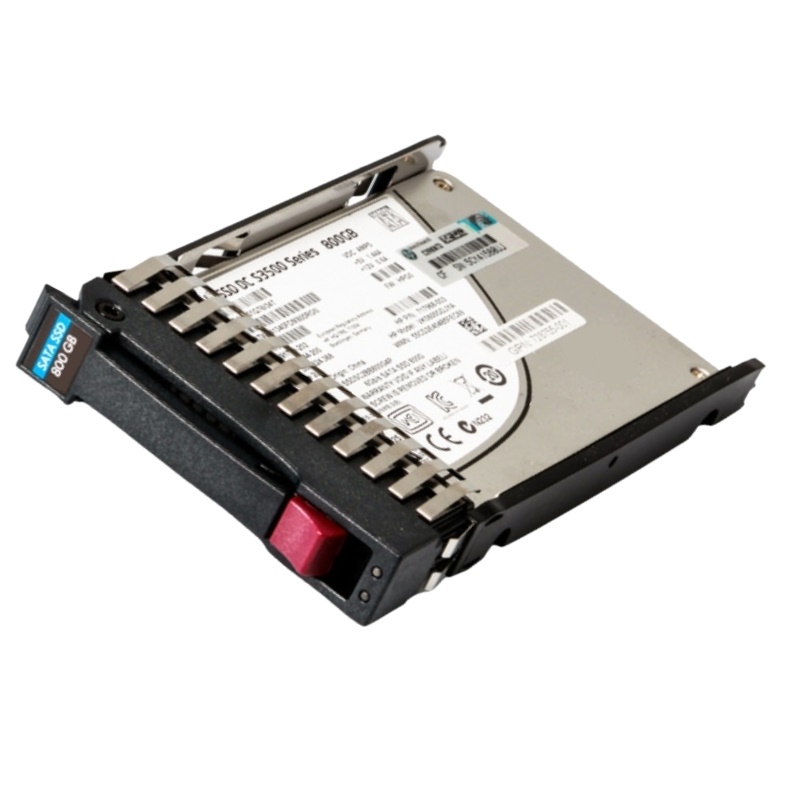
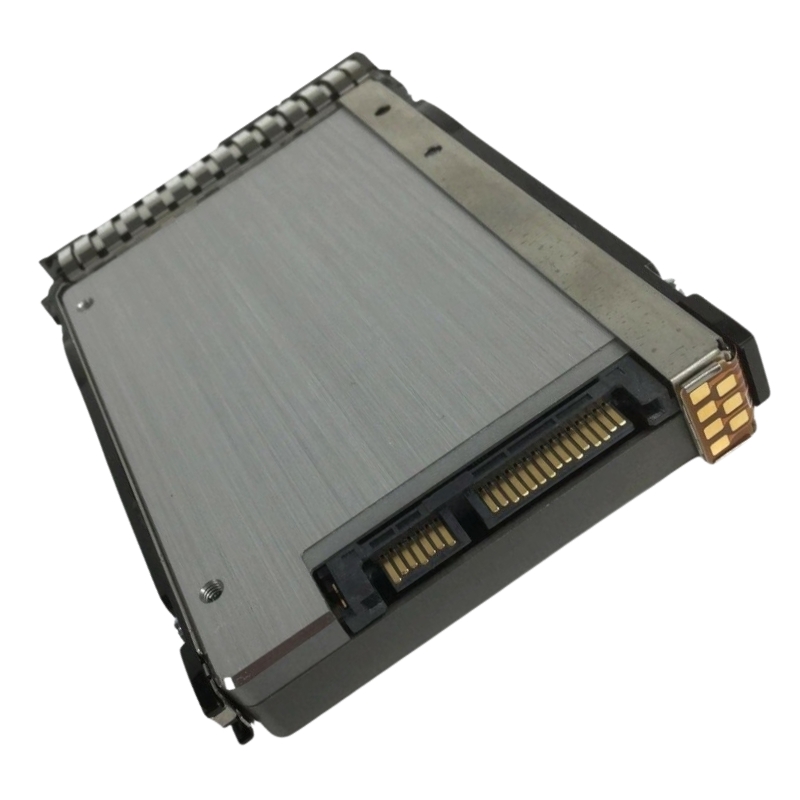
HPE 692167-001 800GB MLC SATA 6GBPS Mainstream Endurance Internal SSD. Excellent Refurbished with 1 year replacement warranty
The HPE 692167-001 800GB SATA 6Gbps Solid State Drive delivers high-speed performance, superior endurance, and efficient data management for enterprise workloads. Designed with advanced Multi-Level Cell (MLC) flash memory and built on reliable SATA 6Gbps technology, it ensures smooth operations for modern data centers and business-critical applications.
The HPE 692167-001 800GB MLC SATA 6Gbps Mainstream Endurance Internal Solid State Drive represents a category of enterprise-grade SATA SSDs optimized for balanced performance, durability, and cost-efficiency within server and storage infrastructures. As a member of Hewlett Packard Enterprise’s mainstream endurance SSD lineup, this drive is specifically engineered for applications requiring dependable throughput and moderate write endurance, making it ideal for read-intensive and mixed-use workloads in data centers and enterprise environments. This category description elaborates on the drive’s architecture, NAND technology, endurance characteristics, interface standards, reliability, and its critical role within HPE ProLiant and storage systems, emphasizing why such SSDs are fundamental to modern IT infrastructure deployments.
Drives in this category utilize the SATA III 6Gbps interface, ensuring backward compatibility with SATA 3Gbps and widespread integration across server platforms. The HPE 692167-001 offers 800GB of usable storage capacity through Multi-Level Cell (MLC) NAND flash, balancing cost and performance effectively for mainstream enterprise operations. SATA SSDs are often chosen for their reliability and compatibility, serving as a direct upgrade from traditional spinning hard drives without requiring specialized controllers or high-cost PCIe solutions. By leveraging SATA 6Gbps bandwidth, this category maintains efficient sequential read and write speeds suitable for virtualized workloads, boot drives, caching applications, and storage arrays where consistent performance is essential.
Multi-Level Cell NAND flash stores two bits of data per cell, providing a solid compromise between endurance, performance, and capacity density. The HPE 692167-001 uses enterprise-grade MLC NAND, which is tested and validated to meet Hewlett Packard Enterprise’s strict quality and reliability standards. The drive’s controller manages advanced wear leveling, garbage collection, and error correction mechanisms to ensure consistent performance and extended life span. Data integrity is reinforced by ECC algorithms and HPE firmware optimizations designed to prevent data corruption and maintain sustained throughput over time. This makes the category suitable for environments where reliability and predictable latency are more important than maximum raw speed.
The “Mainstream Endurance” classification of the HPE 692167-001 signifies that it is built for moderate write workloads, balancing performance and write cycle durability. This endurance tier suits a variety of enterprise applications such as database operations, virtualized environments, business analytics, and general-purpose workloads where storage consistency and data security are essential. Typically, these drives offer endurance measured in drive writes per day (DWPD), ensuring that enterprise IT teams can rely on predictable performance even under continuous operation. The category is not only optimized for read-heavy tasks but also engineered to handle mixed workloads with moderate write intensity, providing efficiency in both energy consumption and thermal behavior.
Designed specifically for seamless integration with HPE ProLiant servers, the 692167-001 800GB SSD fits into standard HPE drive bays, ensuring compatibility with SmartDrive carriers, hot-swap trays, and RAID controller configurations. This tight integration simplifies system management through HPE Smart Array Controllers, iLO (Integrated Lights-Out), and SSA (Smart Storage Administrator), enabling detailed drive health monitoring, firmware updates, and predictive failure alerts. By using genuine HPE-certified drives like the 692167-001, IT administrators ensure full system compatibility, sustained reliability, and validated firmware alignment with HPE ecosystem components. This category is an essential part of HPE’s broader storage strategy, delivering balance between speed, reliability, and capacity for both on-premise and hybrid IT deployments.
Performance in the HPE 692167-001 and related SATA SSDs typically emphasizes sustained sequential throughput, optimized IOPS for random workloads, and predictable latency under multi-threaded operations. Enterprise MLC drives achieve low queue depth performance that supports real-world server tasks like operating system booting, database queries, and virtual machine hosting. The SATA 6Gbps interface provides a theoretical maximum bandwidth of 600 MB/s, and drives in this class usually achieve near-saturation read speeds with efficient write behavior depending on workload type. Moreover, advanced caching algorithms and SLC-style write acceleration may be incorporated to enhance short-term write bursts while maintaining long-term endurance stability. Power efficiency is a major factor, as these drives consume significantly less energy compared to spinning disks, contributing to reduced total cost of ownership (TCO) in large-scale deployments.
Reliability defines this SSD category. The HPE 692167-001 employs end-to-end data path protection, power loss protection mechanisms, and advanced ECC correction that preserve data integrity during unplanned power outages or voltage fluctuations. HPE’s firmware layer is meticulously tested to ensure compatibility and operational reliability across all validated ProLiant and Apollo platforms. SMART attributes, wear-level indicators, and performance telemetry provide real-time diagnostic data to HPE’s monitoring tools, allowing administrators to predict maintenance requirements before failures occur. This drive category also includes thermal throttling management and secure erase functionality, ensuring data safety during decommissioning and compliance with enterprise data sanitization standards.
Solid state drives in the HPE 692167-001 category operate efficiently across a broad temperature range with minimal heat output. Designed for dense rack environments, the SSD’s thermal profile aligns with HPE’s system-level airflow and cooling strategies, ensuring long-term stability. Power draw efficiency not only minimizes energy waste but also reduces cooling overhead, a crucial consideration in data centers aiming for sustainability and optimized PUE (Power Usage Effectiveness). With no moving parts, the SSD operates silently, resists vibration, and provides robust mechanical reliability even in demanding data center conditions.
The HPE 692167-001 800GB MLC SATA SSD category is versatile across multiple deployment models. It can be utilized as a boot drive in HPE servers, as a cache tier in hybrid storage configurations, or as primary storage in small to mid-sized databases and virtual environments. Compatibility extends to a wide range of operating systems including Windows Server, VMware ESXi, and Linux distributions supported by HPE hardware certification. The SATA interface ensures that the drive can be integrated into legacy and current architectures alike, offering a stable transition for organizations upgrading from HDD to SSD technology without altering controller or cabling setups.
Security is a critical factor in enterprise storage, and the HPE 692167-001 category incorporates firmware-based encryption options to protect data at rest. It supports secure erase commands and complies with HPE’s data protection protocols, allowing for secure decommissioning or redeployment of drives. Integration with HPE management frameworks enables real-time encryption key management and security event logging, supporting compliance with organizational and regulatory data governance requirements. These drives may also feature hardware-based AES-256 encryption, depending on configuration, to maintain confidentiality in mission-critical environments such as finance, healthcare, or government data centers.
The primary use cases for the HPE 692167-001 and other mainstream endurance SATA SSDs include read-heavy applications, moderate transaction databases, virtual desktop infrastructures (VDI), and web service hosting. These drives are particularly effective in mixed workload environments where input/output consistency and low latency are more valuable than extreme write endurance. For cloud edge deployments, this category provides high-speed storage within a manageable power envelope, facilitating scalable performance without escalating operational costs. Enterprise users benefit from predictable performance patterns, fast response times, and reduced maintenance cycles compared to mechanical hard drives, all of which contribute to improved application responsiveness and system availability.
Within the broader SSD hierarchy, the HPE 692167-001 sits between read-intensive and write-intensive categories. Read-intensive models prioritize maximum endurance per dollar for read-heavy scenarios, while write-intensive models target transactional workloads demanding high write cycles. The mainstream endurance class offers an intermediate solution, providing a cost-effective balance for mixed workloads. Compared to NVMe-based drives, SATA models like the 692167-001 deliver lower bandwidth but remain popular for their widespread compatibility, lower heat generation, and simpler infrastructure integration. The category serves organizations seeking dependable, predictable SSD performance without the complexity or expense of PCIe solutions.
Drives in this category support HPE’s SmartSSD and HPE Smart Carrier technologies, providing LED indicators for drive status, activity, and predictive failure alerts. Through the Smart Storage Administrator tool, IT staff can monitor lifespan metrics, remaining endurance, and performance analytics in real time. Firmware updates are easily managed through HPE Service Packs, ensuring drives stay aligned with security and performance improvements over their lifecycle. This streamlined maintenance process minimizes downtime and simplifies operations for large-scale server farms and virtualized data centers. The category also supports hot-swap functionality when installed in compatible bays, enabling quick replacement without service interruption.
The HPE 692167-001 and its category provide a strong value proposition for enterprise customers seeking to modernize storage infrastructure while maintaining cost efficiency. The combination of moderate endurance, energy savings, and long operational lifespan results in a lower TCO compared to traditional HDDs. Furthermore, the improved performance leads to better utilization of CPU and memory resources, reducing the need for overprovisioning compute capacity. As storage density increases and energy costs rise, the efficiency benefits of SSD adoption become even more compelling for data centers pursuing sustainability and operational optimization.
Every drive within this category undergoes rigorous HPE qualification processes including extensive testing for read/write consistency, fault tolerance, and firmware reliability. The HPE 692167-001 complies with enterprise storage standards for electromagnetic compatibility (EMC), vibration tolerance, and operational endurance. Certification ensures compatibility with HPE’s full server portfolio and alignment with international data center reliability standards. This level of validation assures IT professionals that each component contributes to overall system uptime, reducing the risk of integration issues and ensuring predictable performance from deployment through decommissioning.


 Contact Us
 Information
 Catalog
 Solid State Drives (SSD)
 Network Switches
 Hard Disk Drives
 HBA & Controllers
 PC & Servers
 PC & Server Memory
 CPU & Processors
 Network Routers
 Power Supplies
 Tape Drives & Libraries
 Network Devices
 Computer & Network Cables