(7% discount is applied at checkout)
Cart is empty
Your go-to destination for cutting-edge server products
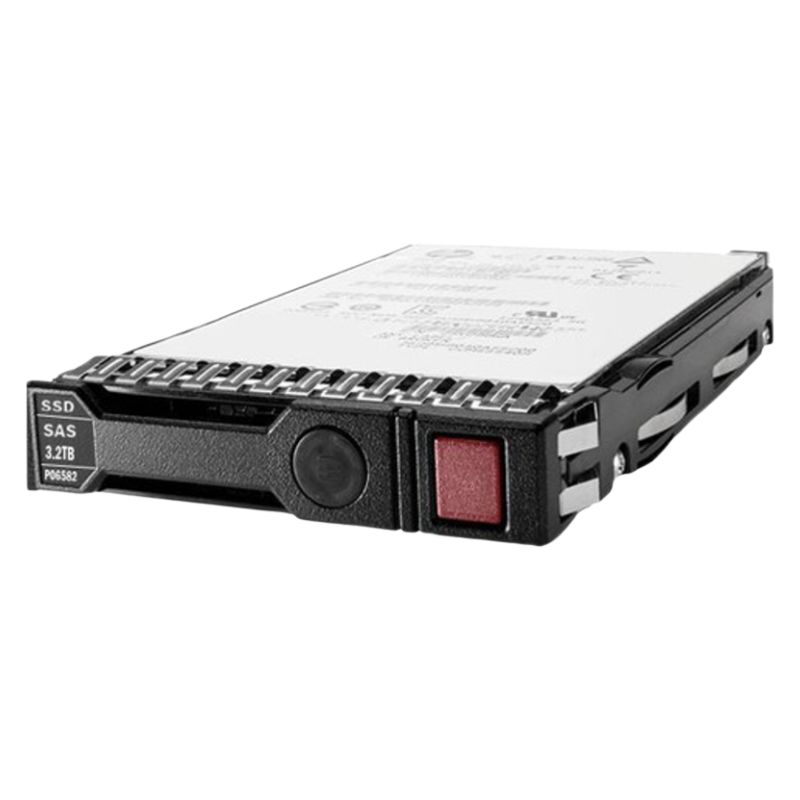


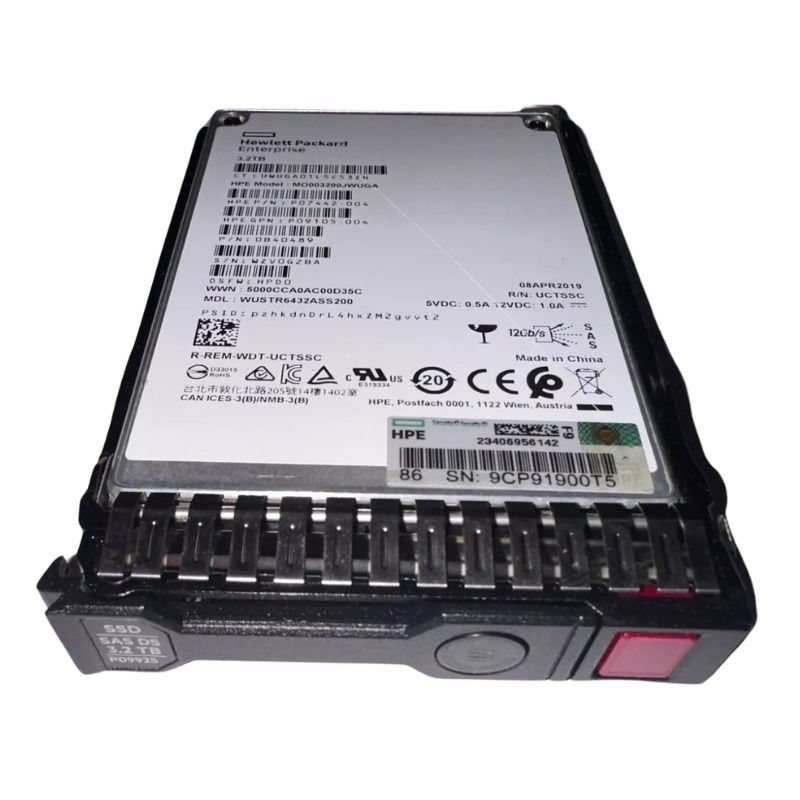
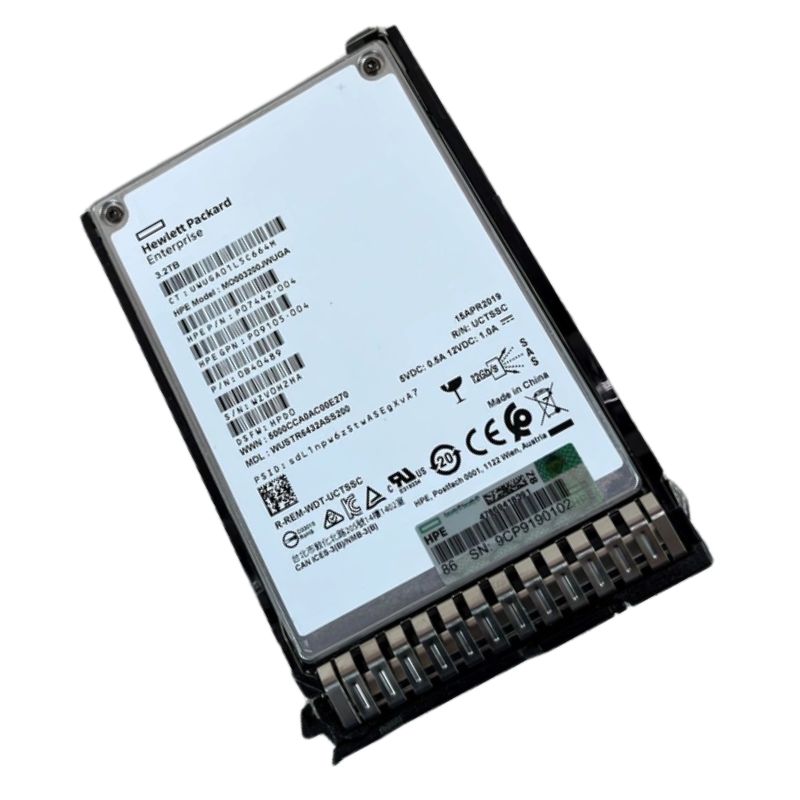
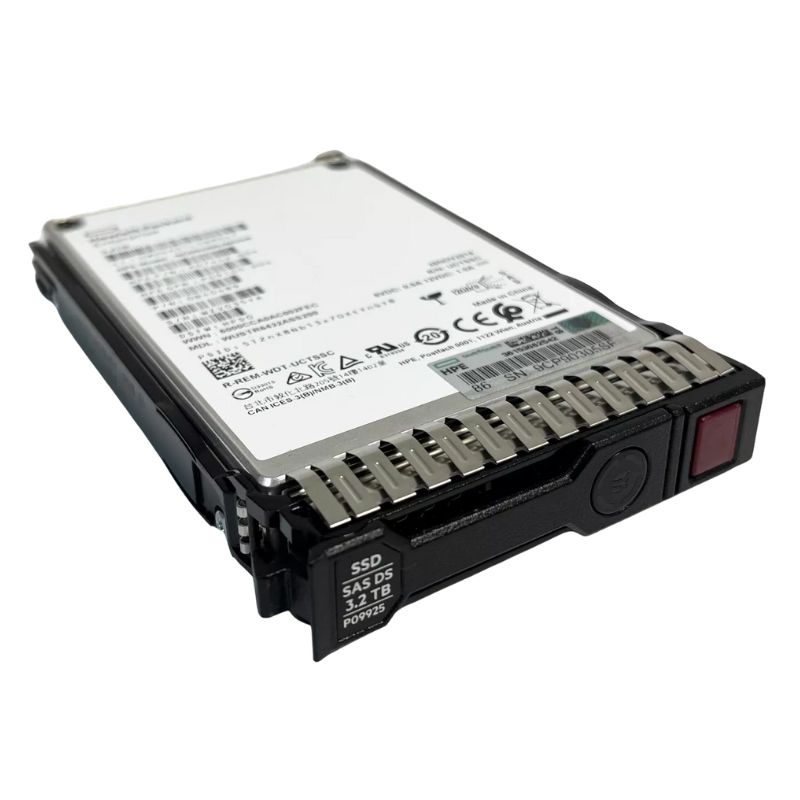
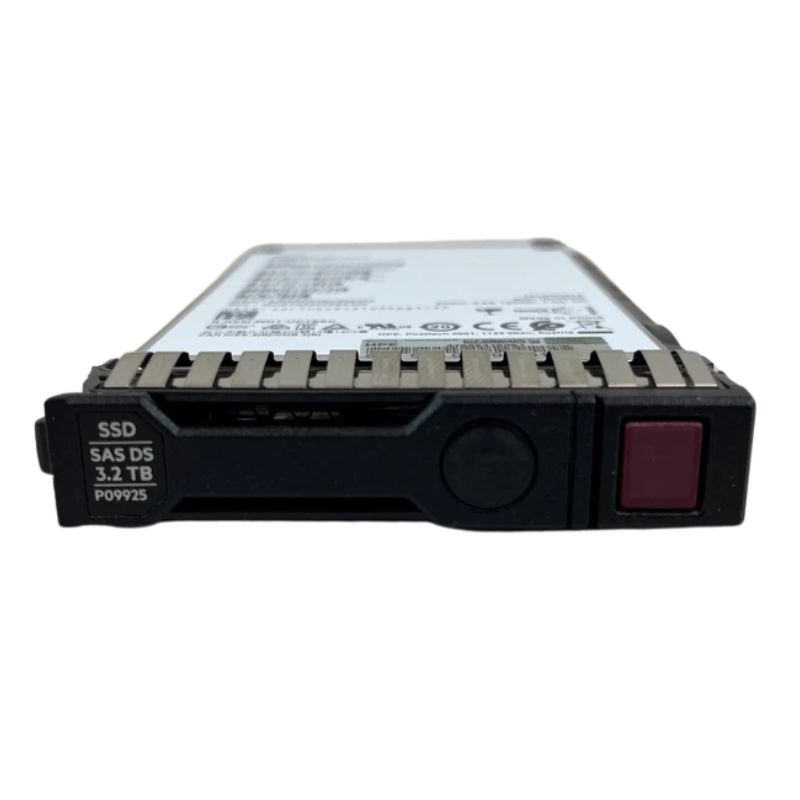
HPE P04547-H21 3.2TB SAS 12GBPS Signed Firmware 2.5inch SSD. New (System) Pull with 1 year replacement warranty
Elevate your enterprise storage infrastructure with the HPE P04547-H21, a high-performance 3.2TB solid state drive engineered for demanding, write-intensive workloads. This robust storage solution combines exceptional speed, remarkable endurance, and seamless integration for HPE server environments.
This SSD is built for speed, offering minimal latency and high input/output operations per second to accelerate your applications.
Engineered for continuous operation in write-heavy environments, this drive offers outstanding longevity.
Optimized for energy efficiency without compromising on performance, this drive manages power effectively across different operational states.
This versatile storage drive is certified for a wide array of HPE's premier server lines, ensuring broad compatibility and reliable performance.
The HPE P04547-H21 is a 3.2 Terabyte, 2.5-inch form factor SSD utilizing the SAS 12Gbps interface and featuring HPE's Signed Firmware. This drive is not a consumer-grade component but a purpose-built solution designed for integration into HPE ProLiant, Apollo, and Synergy server systems. Its role is to provide a blend of high capacity, exceptional I/O performance, and unwavering data integrity for I/O-intensive applications.
Understanding HPE's part numbering system provides immediate insight into the product. The P04547-H21 identifier signifies a genuine HPE engineered drive, ensuring full compatibility and optimization within the HPE ecosystem. Utilizing this specific part number guarantees that the drive is recognized and supported by HPE iLO and OneView management systems, and that it will function seamlessly without generating compatibility alerts.
The 3.2TB capacity point represents a strategic balance in the enterprise storage landscape. It offers substantial storage density, allowing organizations to consolidate workloads and reduce the physical footprint per terabyte. This makes it an optimal choice for scenarios requiring significant local storage without immediately stepping up to the highest, and often more expensive, capacity tiers, thus providing an excellent cost-to-performance ratio.
The architecture of the HPE P04547-H21 is meticulously crafted to deliver consistent, low-latency performance under sustained workloads. This section breaks down the core technological components that contribute to its enterprise-grade stature.
The Serial-Attached SCSI interface, specifically the 12 Gigabits per second generation, is the backbone of this drive's performance. Unlike SATA interfaces, which are designed for cost-effectiveness, SAS is built for reliability, performance, and scalability in multi-drive environments. The dual-port capability inherent to SAS is a critical feature, providing two independent paths to the drive. This enables redundant connections for high-availability configurations, ensuring that a failure in one path does not result in drive or application downtime.
The SAS 12Gbps interface supports full-duplex communication, meaning the drive can send and receive data simultaneously. This is a significant advantage over half-duplex SATA. Coupled with support for deep command queues, the drive can manage a vast number of simultaneous I/O requests from the host system, drastically improving throughput for transactional databases, virtualized environments, and other demanding workloads where concurrent access is the norm.
At the heart of the P04547-H21 is enterprise-grade Multi-Level Cell flash memory. eMLC NAND is specifically engineered for a longer lifespan and higher endurance compared to consumer-grade MLC or TLC NAND. It is characterized by a higher guaranteed number of Program/Erase cycles, which directly translates to a greater total bytes written over the drive's operational life. This endurance is a prerequisite for write-intensive tasks such as server boot drives, log file storage, and write-caching applications.
To maximize the lifespan and maintain performance, the drive employs sophisticated wear-leveling algorithms. These algorithms dynamically distribute write operations evenly across all the memory cells, preventing any single cell from wearing out prematurely. Furthermore, the drive's background garbage collection mechanism proactively reclaims and prepares blocks of NAND that contain stale data, ensuring a pool of pre-erased blocks is available for new writes, which minimizes write latency during peak activity.
One of the most distinguishing features of this SSD is the inclusion of HPE Signed Firmware. This is not merely a version number; it is a foundational element of HPE's drive security and compatibility strategy.Signed Firmware is a digitally signed software package that controls the drive's low-level operations. HPE cryptographically signs this firmware, creating a unique digital signature. When the drive is initialized or updated, the HPE server's BIOS or controller validates this signature against a known, trusted certificate stored within the HPE hardware.
The primary security benefit of this process is the prevention of malicious firmware uploads. In an unsigned environment, a sophisticated attacker could potentially flash a drive with compromised firmware designed to stealthily corrupt data or create a backdoor. The HPE Signed Firmware mechanism makes this virtually impossible, as any firmware without a valid HPE digital signature will be rejected by the server, thereby protecting the integrity of the storage subsystem at the most fundamental level.
Beyond security, Signed Firmware ensures operational stability. HPE engineers and validates this specific firmware revision to work flawlessly with its server platforms, storage controllers, and management software. This eliminates the risk of incompatibilities that can cause system crashes, performance degradation, or unexpected drive failures. It ensures that features like HPE Smart Storage Administrator and the predictive analytics of HPE InfoSight can accurately monitor drive health and performance.
The 2.5-inch small form factor of this drive is the industry standard for modern high-density servers. This design allows for greater storage density within a limited rack unit space compared to older 3.5-inch drives.
The drive is typically deployed in a hot-swappable carrier or caddy. This design is crucial for maintaining system uptime. In the event of a drive failure predicted by analytics or indicated by an alert, a technician can remove and replace the drive without powering down the server or interrupting the services running on it. The system's RAID controller will then automatically begin rebuilding the data onto the new drive from the remaining parity information.
Enterprise 2.5-inch SSDs are designed with efficient thermal profiles. However, in densely packed storage bays, heat can still be a concern. The HPE P04547-H21 includes thermal monitoring and throttling capabilities. If the drive's temperature approaches a critical threshold, it can autonomously reduce its power consumption and performance slightly to cool down, preventing thermal shutdown and data loss, all while maintaining system operation.
Database management systems like Microsoft SQL Server and Oracle Database rely heavily on their transaction logs. These logs are sequential write-intensive operations where latency is the enemy of overall transaction speed. The consistent write performance and low latency of the P04547-H21 make it a premier choice for hosting these logs, ensuring that database commits are processed rapidly. Similarly, the drive can serve as a high-performance tier for write-back caching in storage arrays or software-defined storage solutions.
In HPC clusters and data analytics platforms, the ability to quickly read and write intermediate results is vital for reducing job completion times. The drive's high throughput enables faster data shuffling and processing in frameworks like Apache Spark or Hadoop, accelerating the time-to-insight for large-scale data queries and computational modeling.
While capacity might seem over-provisioned for an operating system, using a high-endurance, high-performance SSD like the P04547-H21 as a boot drive for critical application, web, or database servers ensures extremely fast boot times, rapid service recovery after patches, and a highly responsive operating system, which can contribute to the overall stability and performance of the applications it hosts.


 Contact Us
 Information
 Catalog
 Solid State Drives (SSD)
 Network Switches
 Hard Disk Drives
 HBA & Controllers
 PC & Servers
 PC & Server Memory
 CPU & Processors
 Network Routers
 Power Supplies
 Tape Drives & Libraries
 Network Devices
 Computer & Network Cables