(7% discount is applied at checkout)
Cart is empty
Your go-to destination for cutting-edge server products
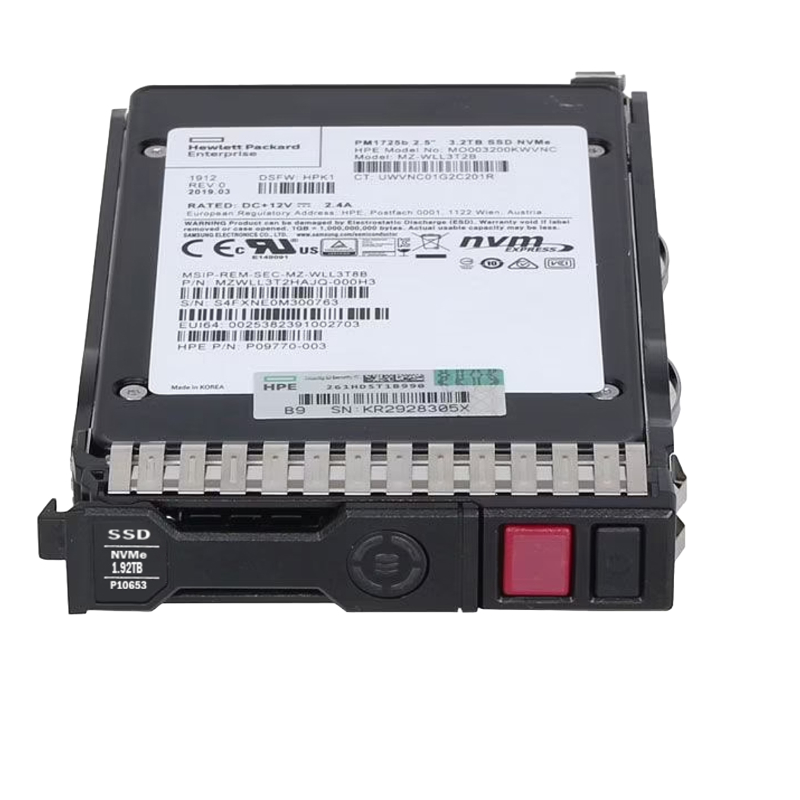


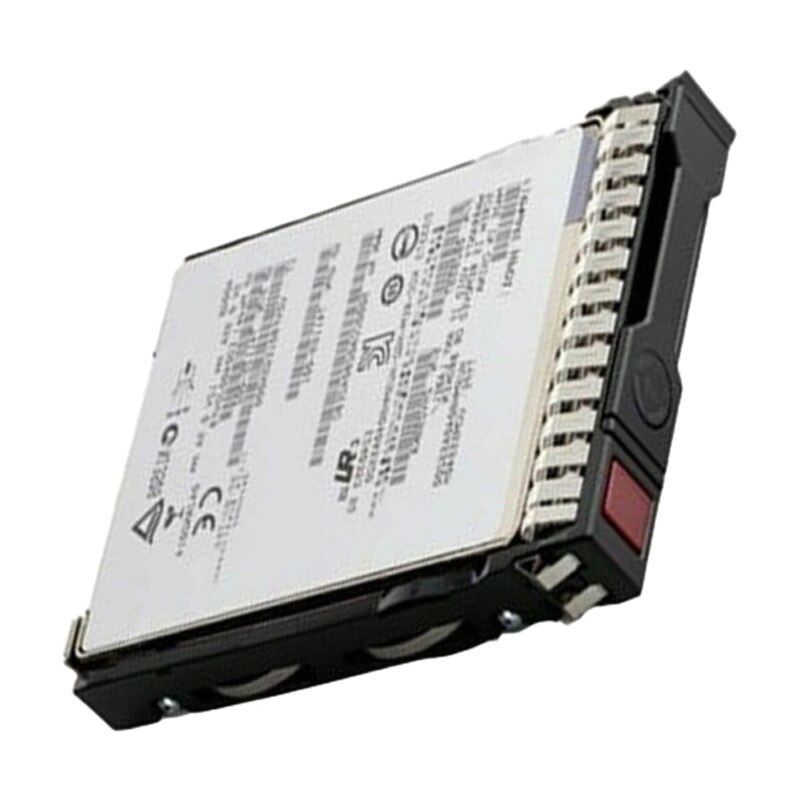
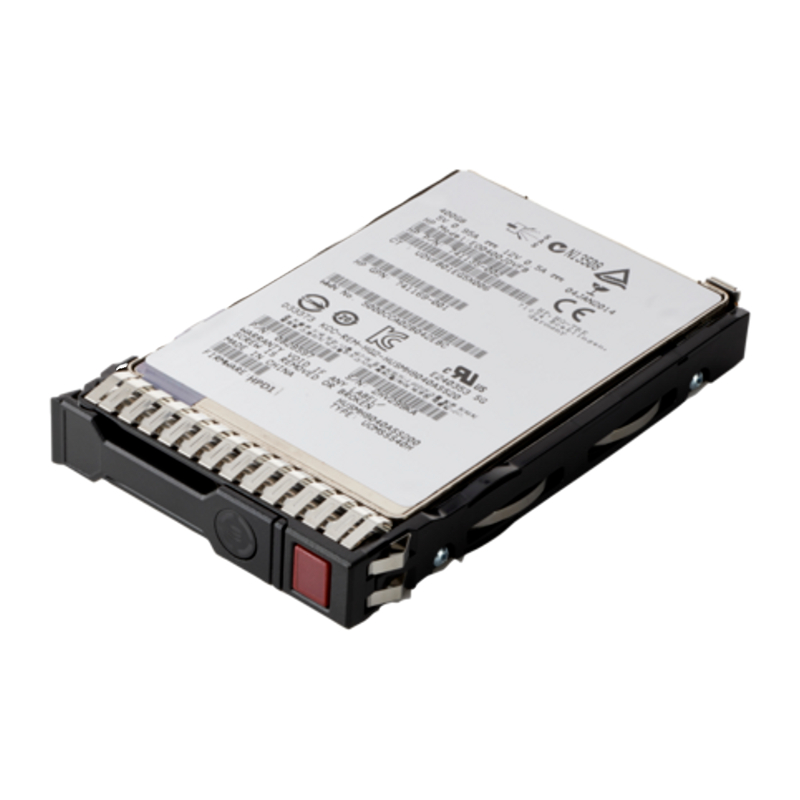
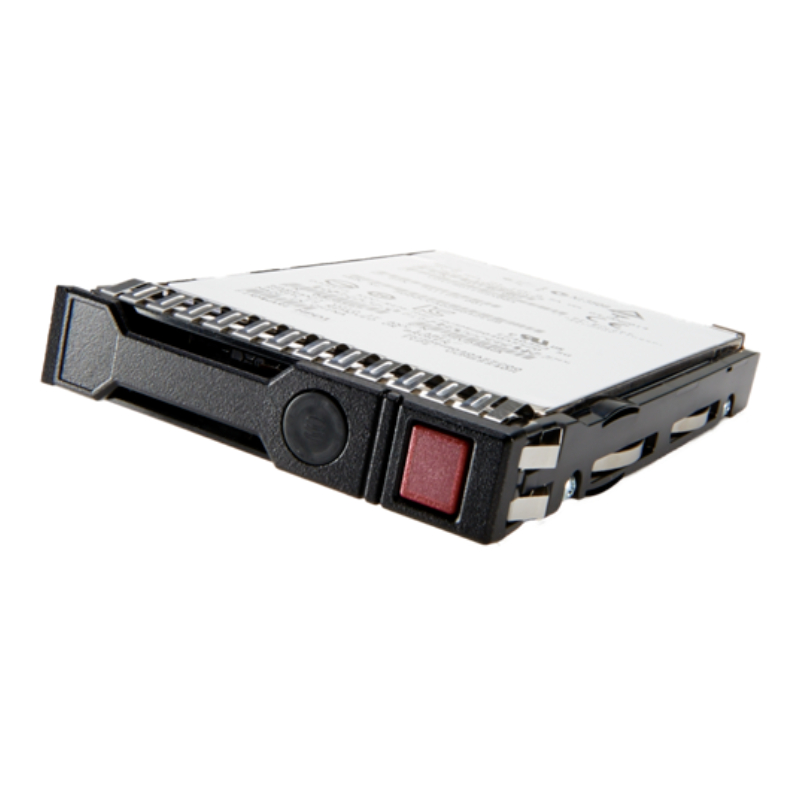
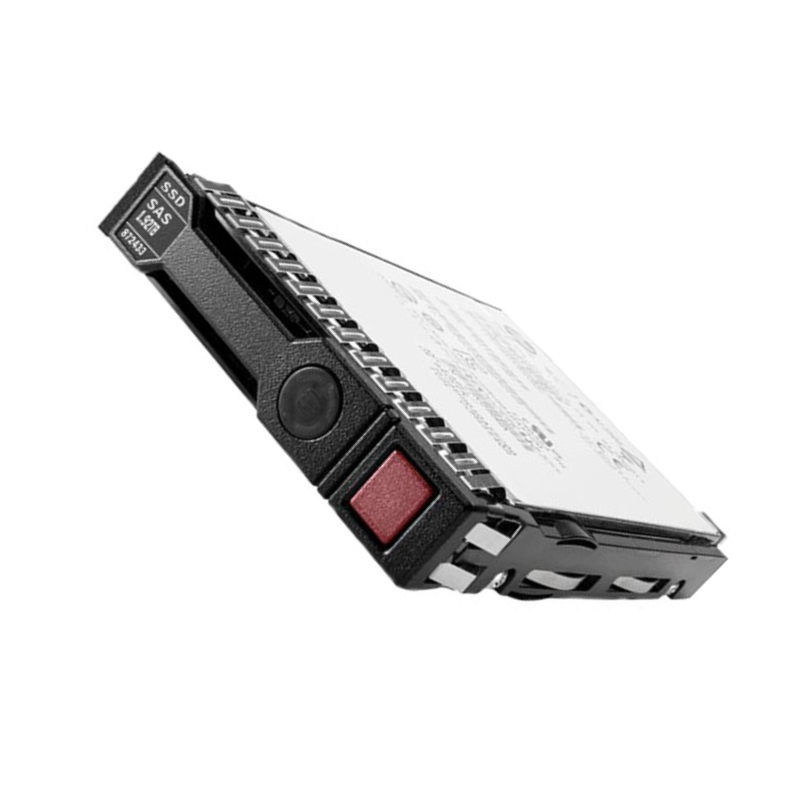
HPE P07192-B21 1.92TB SSD PCIE x4 NVMe Read Intensive DS. New (System) Pull with 1 year replacement warranty
| SKU/MPN | Warranty | Price | Condition | You save |
|---|---|---|---|---|
| P07192-B21 | 1 Year Warranty | $679.00 | Excellent Refurbished | You save: $237.65 (26%) |
| P07192-B21 | 1 Year Warranty | $1,454.00 | New (System) Pull | You save: $508.90 (26%) |
The HPE P07192-B21 1.92TB 2.5-inch SFF TLC Digitally Signed Firmware NVMe U.2 PCIe x4 Mainstream Performance SCN Read Intensive SSD is designed for high reliability, exceptional data integrity, and optimized performance across enterprise-level storage infrastructures. Built for HPE ProLiant servers, this drive delivers seamless scalability and consistent throughput for data-centric applications.
This HPE 1.92TB NVMe SSD is engineered for hot-swappable configurations, allowing quick deployment and replacement without system downtime. The single-port connectivity ensures efficient, streamlined data communication, ideal for enterprise environments needing reliable uptime and fast I/O operations.
The P07192-B21 is optimized for applications that prioritize high read performance with moderate write activity. Its Digitally Signed Firmware enhances security, preventing unauthorized modifications and ensuring verified system compatibility.
This SSD achieves superior performance levels through advanced NVMe architecture, supporting consistent high throughput for both sequential and random I/O operations.
Leveraging the PCIe Gen3 NVMe interface, this SSD ensures low latency and maximum bandwidth, providing a significant boost for applications requiring rapid data retrieval and storage responsiveness.
The HPE P07192-B21 delivers efficient energy management without compromising speed, minimizing operational costs while maximizing performance stability under variable workloads.
The drive’s compact small form factor allows integration into dense data center setups while maintaining easy accessibility for upgrades and replacements.
The HPE P07192-B21 NVMe SSD is certified for an extensive list of HPE ProLiant rack, tower, and blade systems. It integrates seamlessly across various configurations, delivering optimal performance, stability, and firmware alignment for HPE environments.
Engineered to support HPE’s modular infrastructure such as Synergy and BladeSystem platforms, this SSD enhances system-wide performance and ensures long-term reliability with HPE-certified firmware and security mechanisms.
Equipped with Digitally Signed Firmware, the P07192-B21 safeguards against unauthorized firmware alterations, preserving data confidentiality and ensuring that only validated firmware updates are installed.
The HPE P07192-B21 1.92TB 2.5-inch SFF TLC Digitally Signed Firmware NVMe U.2 PCIe x4 Mainstream Performance SCN Read Intensive Solid State Drive represents a category of enterprise-grade flash storage solutions designed for demanding environments where reliability, speed, and integrity of firmware are essential. Belonging to the HPE NVMe U.2 family, this SSD category delivers breakthrough performance over traditional SATA and SAS drives, ensuring minimal latency, superior throughput, and improved I/O efficiency for business-critical workloads. This class of drives, specifically engineered for HPE ProLiant servers, provides digitally signed firmware for security assurance and compliance, guaranteeing data trustworthiness and preventing unauthorized firmware modifications. The focus on read-intensive operations makes it ideal for analytics, database querying, virtualization, and cloud computing platforms that require sustained performance and high endurance within an optimized power envelope.
The HPE P07192-B21 and related drives under the same category leverage the NVMe (Non-Volatile Memory Express) protocol operating over a PCI Express Gen3 x4 interface. This architecture drastically reduces latency by eliminating the bottlenecks of legacy storage interfaces. NVMe drives like this one are designed to exploit the parallelism of modern multi-core processors, offering a direct path between storage and CPU. Within the category, the 2.5-inch U.2 form factor ensures wide compatibility with server drive bays while maintaining compactness for dense deployments. Read-intensive NVMe SSDs in this class typically provide an optimal balance of performance and endurance, targeting workloads where read operations dominate over write cycles, extending the overall lifespan of the drive while ensuring responsive application performance.
A defining characteristic of this SSD category is HPE’s digitally signed firmware, an essential security feature embedded in the P07192-B21. Digitally signed firmware verifies the authenticity and integrity of the code running on the storage device, preventing malicious firmware from being loaded and ensuring that only HPE-validated software operates on the drive. This safeguards enterprise infrastructure against tampering and firmware-level attacks that can compromise system integrity or leak data. In high-security or regulated industries such as financial services, healthcare, and government IT environments, this feature becomes critical. The firmware verification process occurs during boot and firmware updates, ensuring continuous trust and system compliance with corporate and industry security policies.
The HPE P07192-B21 belongs to the "Read Intensive" category of NVMe SSDs, optimized for applications where read workloads exceed 90% of total I/O activity. This design philosophy maximizes cost efficiency while delivering sustained read throughput across multiple queue depths. With TLC (Triple-Level Cell) NAND technology, the drive achieves a balance between capacity, endurance, and affordability. These drives are ideal for cloud storage architectures, VDI environments, and analytics systems where massive datasets are frequently read but infrequently rewritten. The endurance is measured in drive writes per day (DWPD), typically 0.6 to 1 DWPD for read-intensive models, ensuring longevity in predictable workload environments. This endurance model also contributes to lower power consumption and reduced thermal output, improving the total cost of ownership for enterprise data centers.
The PCIe Gen3 x4 interface of the HPE P07192-B21 provides data transfer rates of up to 32 Gb/s, allowing high-throughput access for applications demanding real-time responsiveness. The NVMe protocol, combined with the PCIe interface, eliminates the latency penalties associated with SAS or SATA controllers, enabling direct CPU communication. The 2.5-inch U.2 connector standard provides hot-plug capability and simplifies integration within HPE ProLiant and Apollo systems. Compared to M.2 drives, U.2 SSDs offer enterprise-grade features such as power loss protection, easier serviceability, and higher endurance cycles suitable for rack-scale deployment. This connectivity structure ensures that IT administrators can scale storage capacity seamlessly without downtime or complex reconfiguration.
HPE engineers the drives in this category for maximum thermal stability and operational efficiency. The P07192-B21 incorporates thermal throttling control, maintaining optimal performance within specified temperature thresholds to protect internal NAND structures and controllers. The 2.5-inch chassis design features efficient heat dissipation through direct contact with drive caddies and airflow channels within HPE server chassis. Power efficiency is a critical factor, particularly in hyperscale or virtualization environments. The NVMe interface’s streamlined command structure reduces power draw per I/O operation compared to SATA-based SSDs. In data centers striving for energy efficiency and environmental sustainability, this design contributes to lower energy consumption, enabling better power utilization per rack unit.
This SSD is fully compatible with HPE Gen10, Gen10 Plus, and Gen11 ProLiant servers, as well as HPE Synergy and HPE Apollo platforms. The Smart Carrier integration allows for LED-based drive status indicators, predictive failure monitoring, and easy hot-swapping without disrupting operations. HPE Smart Carrier technology ensures the drive is recognized within the server’s integrated management system, providing real-time health analytics via the HPE Integrated Lights-Out (iLO) interface. The NVMe U.2 category enhances the overall server ecosystem by aligning with HPE’s firmware signing, security validation, and system performance optimization frameworks. This tight integration ensures that enterprises benefit from unified lifecycle management and proactive failure prediction analytics, further improving uptime.
From an enterprise performance standpoint, the HPE P07192-B21 achieves high random read IOPS, often exceeding hundreds of thousands of input/output operations per second. Sequential read speeds approach the upper limits of PCIe Gen3 bandwidth, enabling faster data retrieval for applications such as real-time data analytics, machine learning model inference, and virtualization. Write performance, while secondary in this read-intensive category, remains sufficient for light-to-moderate transactional workloads. The internal controller architecture, coupled with advanced wear-leveling algorithms and dynamic over-provisioning, maintains consistent performance throughout the drive’s lifecycle. This stability ensures predictable application response times, reducing jitter in performance-sensitive workloads.
Within this SSD category, firmware management plays a pivotal role in maintaining operational continuity. HPE’s firmware ecosystem provides regular updates to enhance security, compatibility, and performance optimization. The digitally signed nature of the firmware ensures that updates can be performed safely without risk of corruption or tampering. Administrators benefit from streamlined firmware deployment via the HPE Service Pack for ProLiant (SPP), ensuring that all storage components maintain version uniformity. Lifecycle management tools such as HPE InfoSight provide predictive analytics and drive health monitoring, alerting administrators to potential failures before they occur. This proactive approach to storage management aligns with HPE’s vision of intelligent infrastructure and helps enterprises maintain continuous availability.
TLC (Triple-Level Cell) NAND flash memory offers a balanced approach between storage density and cost efficiency, allowing the P07192-B21 to provide high capacity at competitive pricing. While TLC stores three bits per cell, HPE employs proprietary firmware algorithms and over-provisioning strategies to minimize write amplification and maintain consistent performance. Error correction techniques such as LDPC (Low-Density Parity Check) and end-to-end data path protection ensure bit-level accuracy and reliability across all transactions. This is crucial in enterprise settings where data corruption or silent errors can have severe operational consequences. Additionally, the inclusion of power loss protection capacitors ensures that in the event of a sudden power failure, all data in flight is safely written to non-volatile memory, preserving data integrity.
The read-intensive NVMe category to which this drive belongs is optimized for applications that demand fast access to large datasets. Typical use cases include content delivery networks (CDNs), business intelligence analytics, large-scale web hosting, and virtualization hypervisors that boot and read frequently accessed files. Database workloads that primarily perform read queries, such as OLAP (Online Analytical Processing) systems, also benefit significantly from these drives’ low-latency capabilities. Additionally, these drives play a critical role in AI model serving environments where trained models are repeatedly accessed from storage for inference. The predictable response times help improve application responsiveness and overall user experience.
Drives in this HPE NVMe U.2 read-intensive class are built for enterprise reliability, featuring MTBF ratings typically above 2 million hours. Combined with HPE’s predictive failure analysis and SMART reporting, administrators can ensure proactive maintenance and minimize downtime. The use of industrial-grade NAND flash memory, combined with HPE’s proprietary controller-level firmware, results in consistent reliability even under heavy I/O workloads. The category also emphasizes data path protection and end-to-end integrity checks, safeguarding against transient errors during data transmission. This high-reliability design supports mission-critical environments where even minor interruptions in service can lead to significant financial or operational consequences.
The HPE P07192-B21’s category of NVMe drives aligns perfectly with modern cloud-native and virtualized infrastructures. With low-latency access and high IOPS, they enable faster VM provisioning, reduced boot times, and smoother container orchestration. NVMe technology’s parallel queue structure ensures that multiple virtual machines or containers can access storage concurrently without performance degradation. Cloud service providers benefit from consistent performance per instance, ensuring predictable SLA compliance. In hybrid IT environments, these drives form the storage backbone for VMware, Microsoft Hyper-V, and Linux-based hypervisors, delivering the bandwidth and responsiveness needed for enterprise-scale virtualization.
The NVMe U.2 category is designed with scalability in mind. As data growth accelerates, enterprises can expand storage capacity simply by adding more NVMe U.2 drives into existing backplanes. HPE’s modular chassis and Smart Array controllers allow for seamless scalability without infrastructure overhauls. The PCIe-based architecture supports backward compatibility while preparing for future generations of NVMe technologies such as PCIe Gen4 and Gen5. Organizations adopting drives from this category benefit from an evolutionary path that supports higher throughput and lower latency as newer hardware generations are introduced. The result is a storage infrastructure that remains relevant and competitive for years to come.
From a financial perspective, the HPE P07192-B21 and its category of read-intensive NVMe drives provide a superior cost-to-performance ratio. Enterprises gain the advantages of high-speed NVMe technology without the premium cost associated with write-intensive models. The read-optimized endurance profile allows HPE to deliver greater capacity per dollar while maintaining enterprise reliability. Reduced power consumption, minimal cooling requirements, and lower maintenance overhead contribute to an overall lower total cost of ownership. By deploying these drives in read-heavy applications, organizations can achieve a balance between capital expenditure efficiency and sustained operational excellence.
Data security remains central to this SSD category. HPE integrates end-to-end encryption capabilities and hardware-level data protection within the P07192-B21. The digitally signed firmware complements the encryption layer, ensuring that data stored on the drive remains tamper-proof and secure against unauthorized access. Secure erase and instant secure wipe functionalities allow administrators to decommission drives safely without data leakage. The drive complies with data protection standards required in enterprise IT infrastructures, supporting FIPS and TCG Opal standards where applicable. Combined with system-level encryption offered by HPE Smart Array controllers, this ensures that both static and in-transit data are fully secured.
NVMe U.2 drives like the HPE P07192-B21 offer remarkable operational flexibility. They can be deployed across diverse server configurations, from blade systems to rack-mounted servers. Their hot-swap capability allows technicians to replace or upgrade drives with minimal downtime, ensuring business continuity. In storage-dense configurations, these drives can coexist with SATA and SAS drives, allowing mixed-environment deployments. The versatility of the 2.5-inch SFF form factor also supports deployment in hyperconverged systems, giving data centers the freedom to scale performance and capacity according to application demand.
One of the most valuable features of this SSD category is its integration with HPE’s predictive analytics ecosystem. HPE InfoSight, the AI-driven analytics platform, continuously monitors drive health and performance, identifying anomalies and recommending corrective actions before failure occurs. This intelligent management approach transforms reactive maintenance into proactive optimization. By leveraging machine learning insights from a global telemetry database, enterprises can detect systemic issues, optimize workloads, and reduce unplanned downtime. For IT teams managing large-scale deployments, this predictive intelligence is invaluable for maintaining operational resilience and improving return on investment.


 Contact Us
 Information
 Catalog
 Solid State Drives (SSD)
 Network Switches
 Hard Disk Drives
 HBA & Controllers
 PC & Servers
 PC & Server Memory
 CPU & Processors
 Network Routers
 Power Supplies
 Tape Drives & Libraries
 Network Devices
 Computer & Network Cables