(7% discount is applied at checkout)
Cart is empty
Your go-to destination for cutting-edge server products
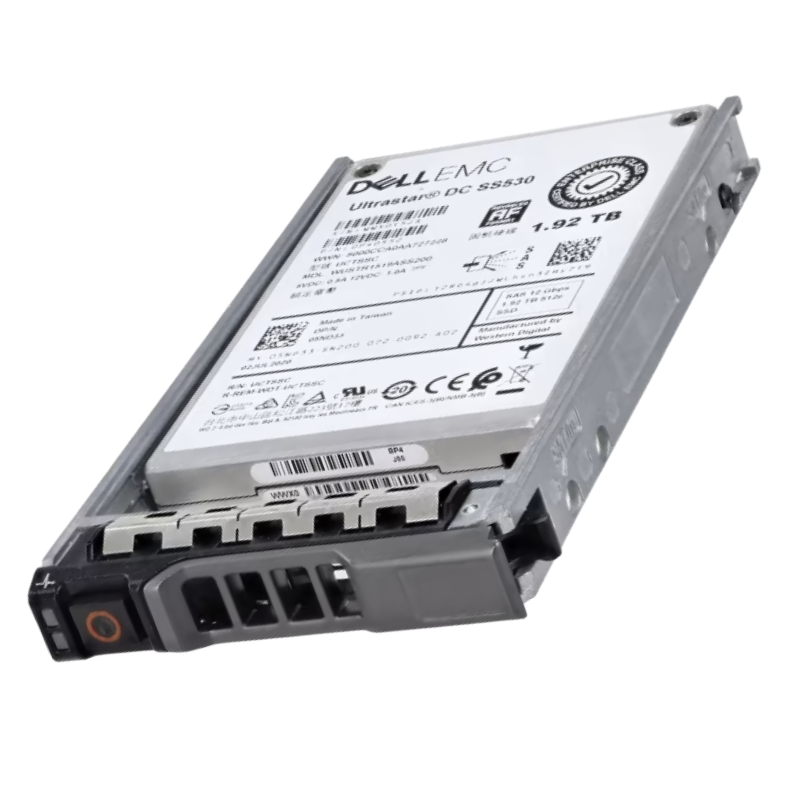


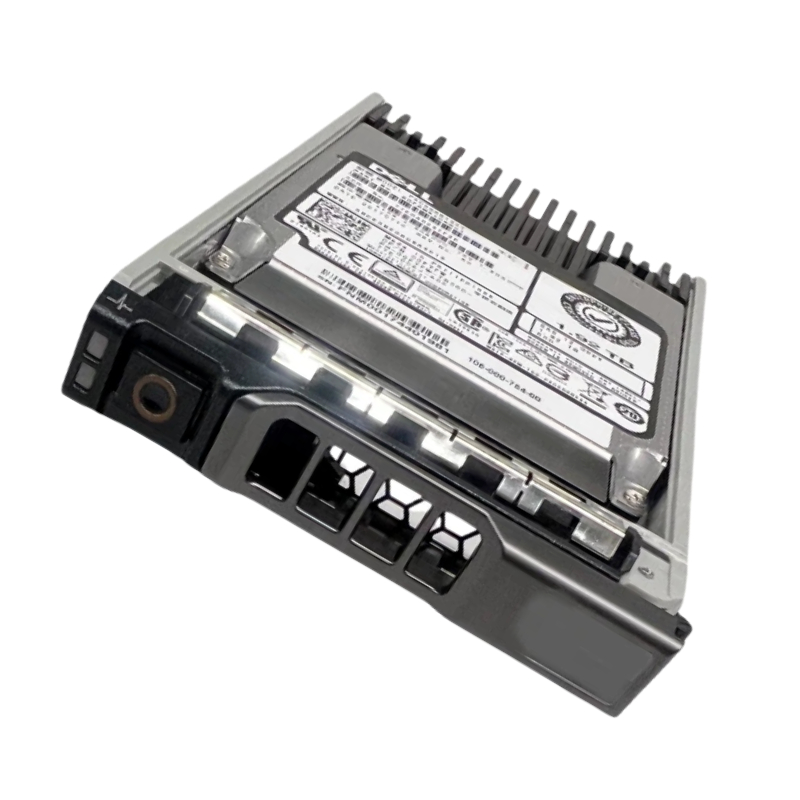
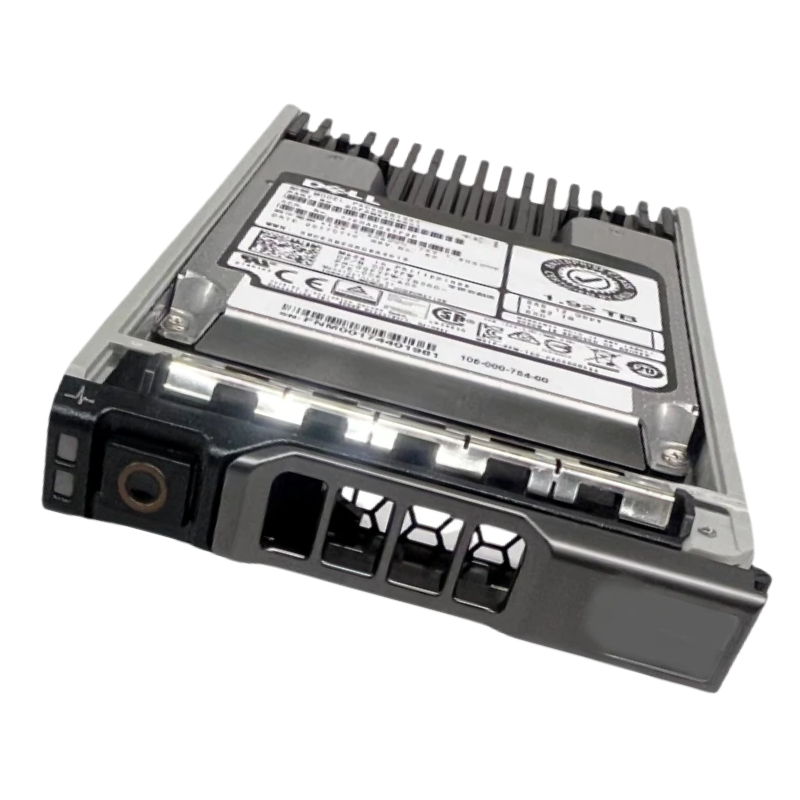
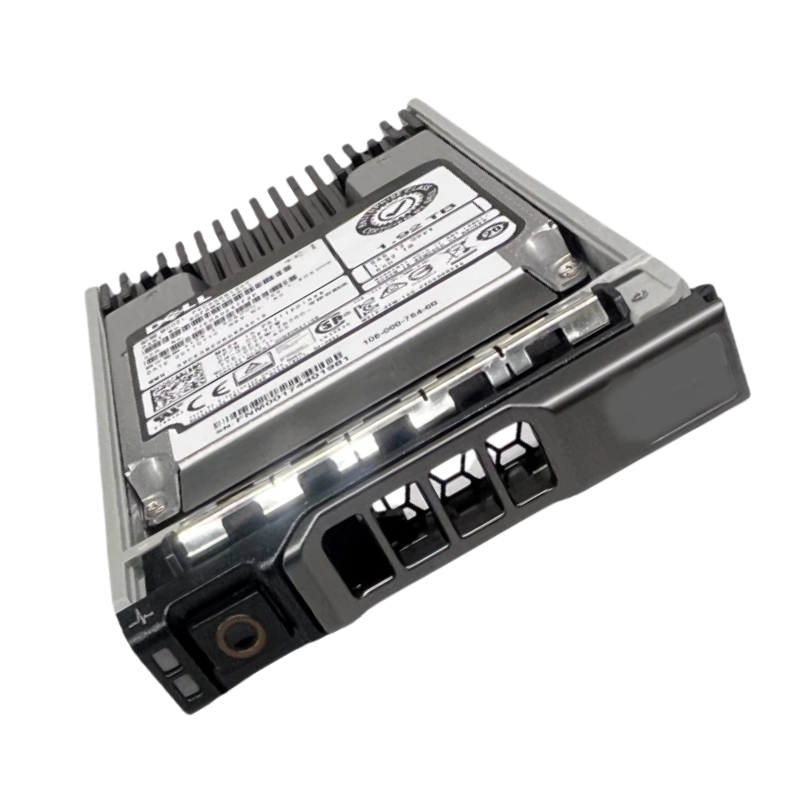
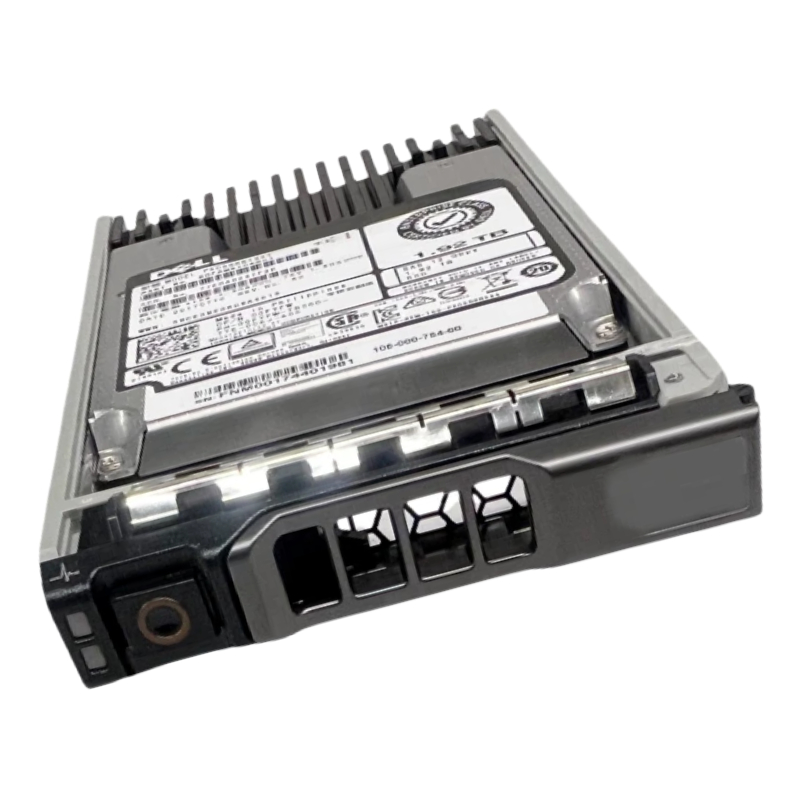
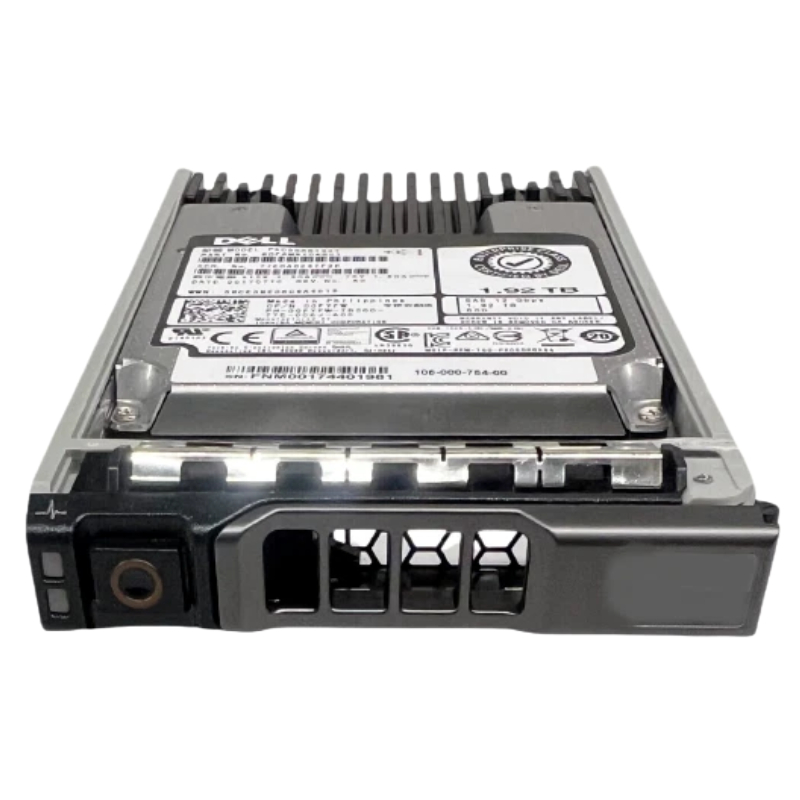
Dell TW6RG 1.92TB Solid State Drive SAS-12GBPS Read Intensive. Excellent Refurbished with 1 year replacement warranty
The Dell TW6RG 1.92TB Compellent SAS-12GBPS Read Intensive SFF solid state drive with tray represents a targeted solution for storage architects and IT teams who require high-capacity, low-latency read performance within dense server and storage array environments. Engineered for read-intensive workloads, this model combines the enterprise-grade reliability associated with Dell Compellent platforms with the throughput and robustness of a 12 Gbps SAS interface and a small form factor optimized for modern blade, rack and hyperconverged infrastructures. The drive’s 1.92TB capacity positions it as a mid-to-high tier option for accelerating frequently accessed data, indexing, caching layers, virtual desktop infrastructure (VDI) read pools, and capacity-tier read caches where predictable performance and compact physical footprint are decisive selection criteria.
Read-intensive SSDs like the TW6RG are tuned to maximize reads per second and to sustain consistent latency under high read request rates. In environments where reads vastly outnumber writes, such as content delivery, reporting systems, search indexes, and many virtualization workloads, a drive optimized for read operations reduces end-to-end response times and improves user experience at scale. The SAS-12Gbps connection delivers a wide data pipe for multiple concurrent read requests, enabling storage controllers and HBA cards to fully utilize available bandwidth without bottlenecking host-to-drive communication. The result is a drive that integrates well into tiered storage strategies, acting as the fast layer that serves hot data while capacity tiers of hard drives or archive clouds hold colder datasets.
The SFF form factor is central to modern data center density planning. Smaller drive dimensions allow higher drive counts in a single chassis, making it feasible to deploy greater aggregate solid-state capacity in the same rack space compared to larger form factors. This drive’s tray compatibility further simplifies hot-swap maintenance and replacement processes. Every drive bay conversion saved contributes to better rack utilization and reduces the need for additional chassis purchases. For organizations pursuing consolidation, hyperconverged nodes can house multiple SFF SSDs like the TW6RG to deliver the necessary IOPS for database and virtualization hosts without expanding the physical footprint.
As part of the Compellent lineage, the TW6RG is built to integrate with Dell’s storage management features such as automated tiering, policy-driven placement, and advanced RAID configurations. Integration at the firmware and controller level means administrators can rely on existing Compellent toolchains for monitoring drive health, provisioning, and lifecycle management. For IT teams migrating or expanding Dell storage arrays, standardized drives reduce integration friction and accelerate time-to-value.
Performance is the cornerstone for choosing an enterprise read-intensive SSD. The TW6RG is intended to deliver strong sequential and random read throughput, enabling fast data retrieval for applications that depend on low-latency access. Typical benefits of selecting a read-intensive SAS SSD include lower query completion times for analytics, reduced latency for transactional read operations, and smoother user experience for front-end applications that serve content or responses rapidly. In clustered or distributed systems, the improved read performance of a layer of read-optimized SSDs often yields system-wide reductions in queuing delays and CPU wait times, translating into measurable improvements in overall application efficiency.
Maintaining consistent I/O performance is crucial for production workloads. Drives that are optimized for read-intensive tasks are engineered to keep latency stable across a range of queue depths and to avoid precipitous drops in throughput under sustained load. This means fewer performance surprises during peak usage windows and better predictability for capacity planning. Administrators planning service level objectives (SLOs) and capacity headroom benefit from the stable performance profile: it allows for more accurate modeling of how many drives are needed to reach a desired IOPS target and how read-heavy application tiers should be architected for redundancy and replication.
In dense server deployments power and thermal profiles of drives become significant operational variables. Modern read-intensive SSDs are designed to balance performance with energy consumption, offering favorable performance-per-watt characteristics compared to spinning media. Reduced power draw means lower cooling requirements and, by extension, a lowering of total cost of ownership for large-scale deployments. Additionally, the smaller thermal envelope of SFF SSDs simplifies airflow planning in rack environments and reduces the risk of thermal throttling when drives are used heavily for read operations. For procurement teams, a drive that reduces operational overhead while maintaining high read throughput is often a compelling option.
Endurance metrics for SSDs are often framed in terms of write cycles and drive writes per day, but for read-intensive models, the endurance architecture is tuned to minimize the impact of background operations and metadata updates while maximizing read longevity. Drives optimized for reads will often provide firmware that reduces unnecessary write amplification and extends usable life under workloads where writes are a minority of operations. When designing a read-focused tier, architects evaluate endurance figures in the context of expected write activity to ensure the chosen drives meet the required operational lifespan without excessive overprovisioning.
Real-world use cases for a 1.92TB Compellent SAS-12Gbps read-intensive SFF SSD include large-scale indexing, search engine nodes that require low-latency read operations, web caching layers for high-traffic portals, and database read replicas that accelerate query throughput. The drive can be used as part of a logical read cache within a hybrid array, acting as the fast tier that accelerates I/O for targeted datasets.
When integrating new SSDs into existing enterprise stacks, following best practices increases the probability of a smooth rollout and long-term operational success. Drive firmware should be kept current according to vendor advisories, and compatibility matrices validated against storage array models and controller cards. Hot-swap trays enable non-disruptive maintenance, but teams should still follow structured replacement procedures and confirm the array has completed background rebuilding or resynchronization tasks before changing operating modes. Labeling and documenting bay assignments simplifies future troubleshooting and reduces human error during replacements. Additionally, adopting consistent provisioning templates across arrays ensures that performance baselines are repeatable and that capacity planning can be automated using historical telemetry.
Serviceability is enhanced by trays that allow technicians to service drives without disrupting power or airflow to neighboring bays. When handling trays and drives, adherence to electrostatic discharge (ESD) precautions is critical. Replacement drives should be staged according to inventory policies and validation checks run to ensure the new drive has the correct firmware and capacity profile. Administrators should observe array-led rebuild processes and monitor for resync completion before returning to normal service. Clear operational runbooks and technician training ladder up to faster resolution times and fewer mistakes during critical replacement activities.


 Contact Us
 Information
 Catalog
 Solid State Drives (SSD)
 Network Switches
 Hard Disk Drives
 HBA & Controllers
 PC & Servers
 PC & Server Memory
 CPU & Processors
 Network Routers
 Power Supplies
 Tape Drives & Libraries
 Network Devices
 Computer & Network Cables