(7% discount is applied at checkout)
Cart is empty
Your go-to destination for cutting-edge server products
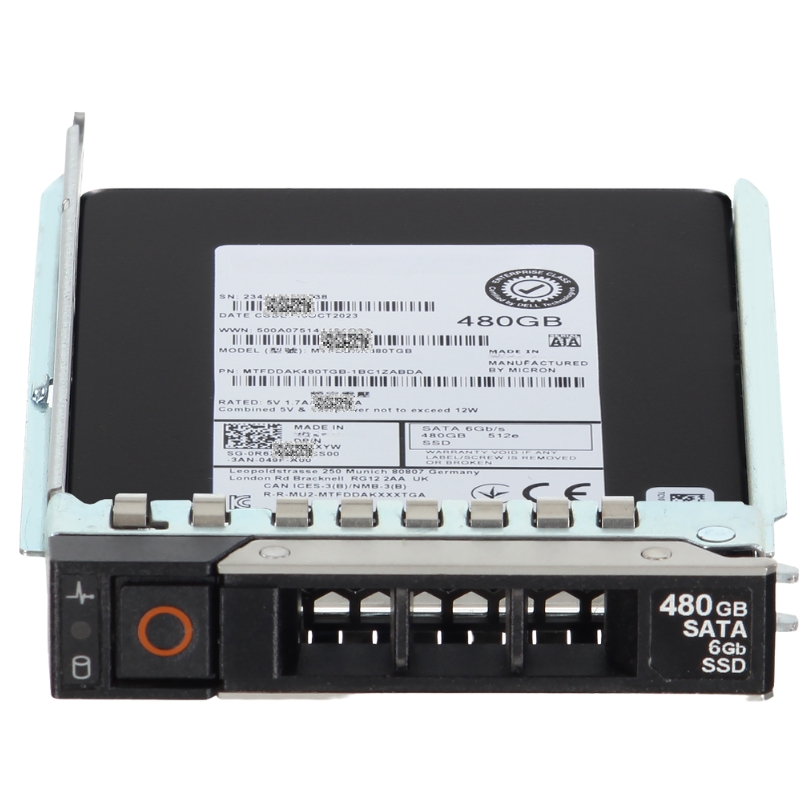


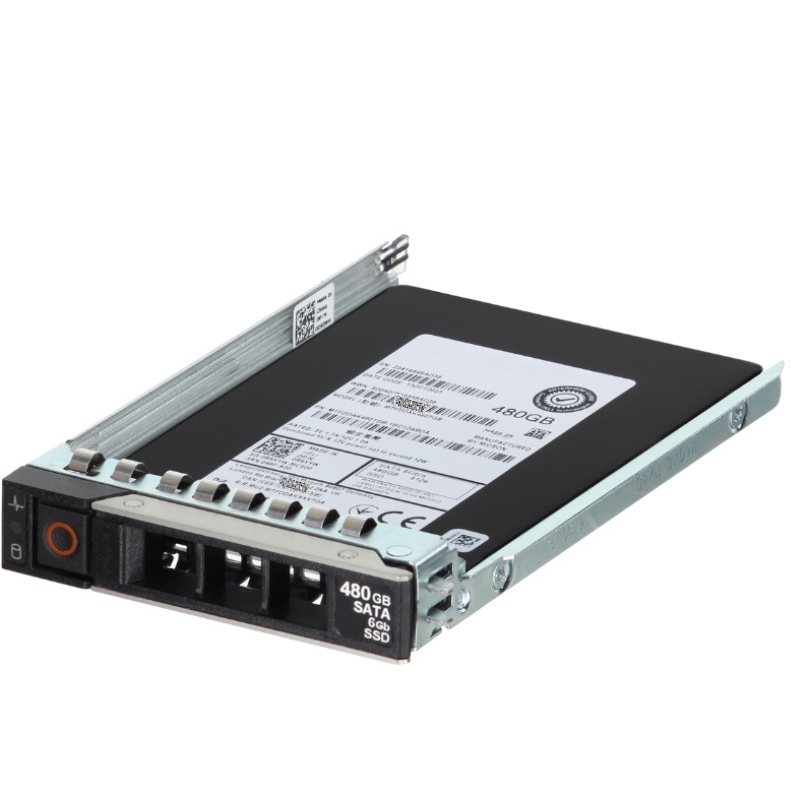
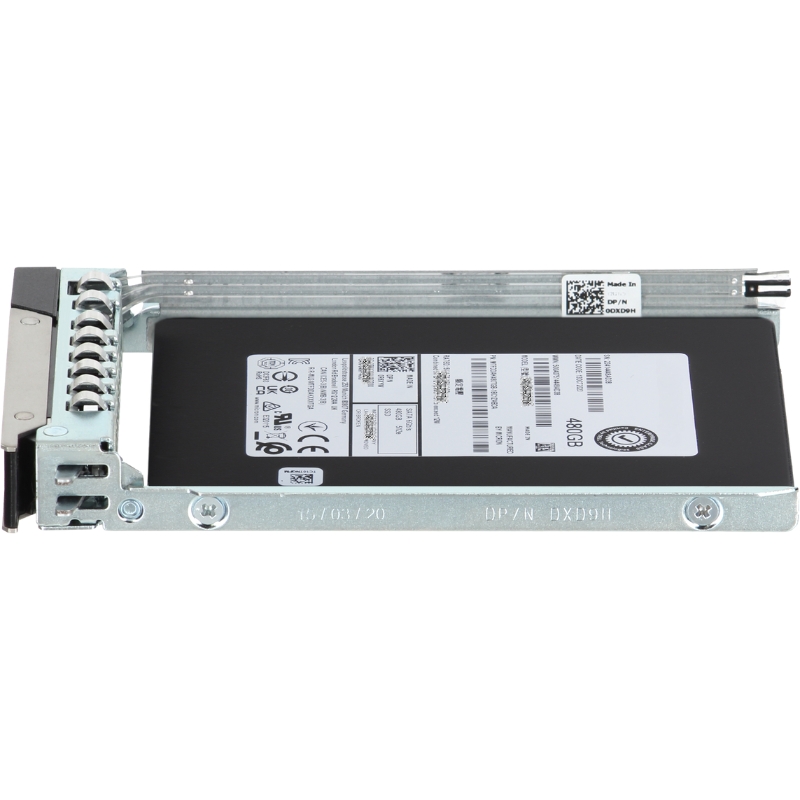
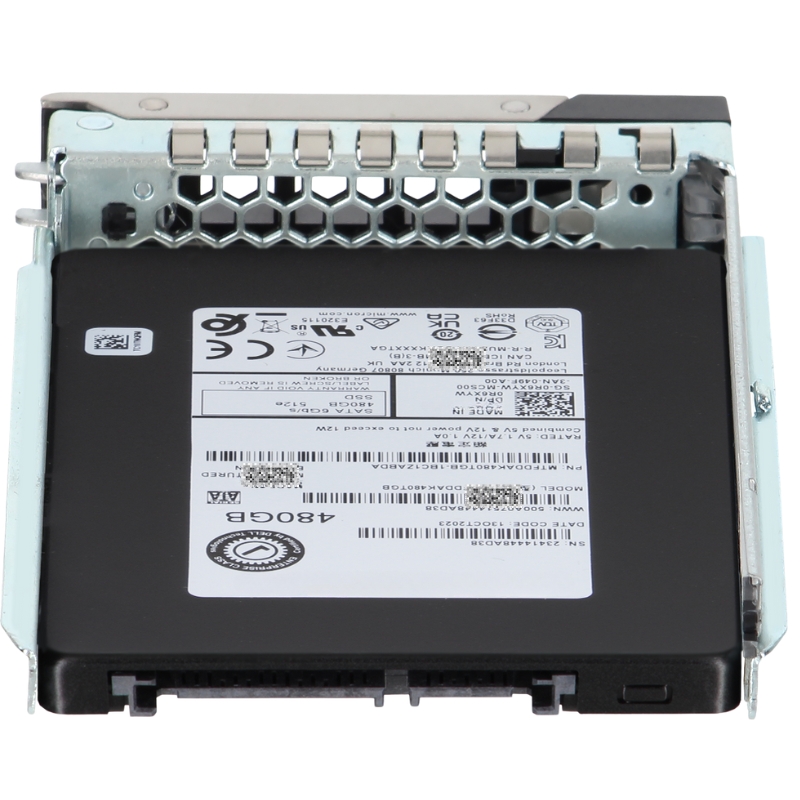
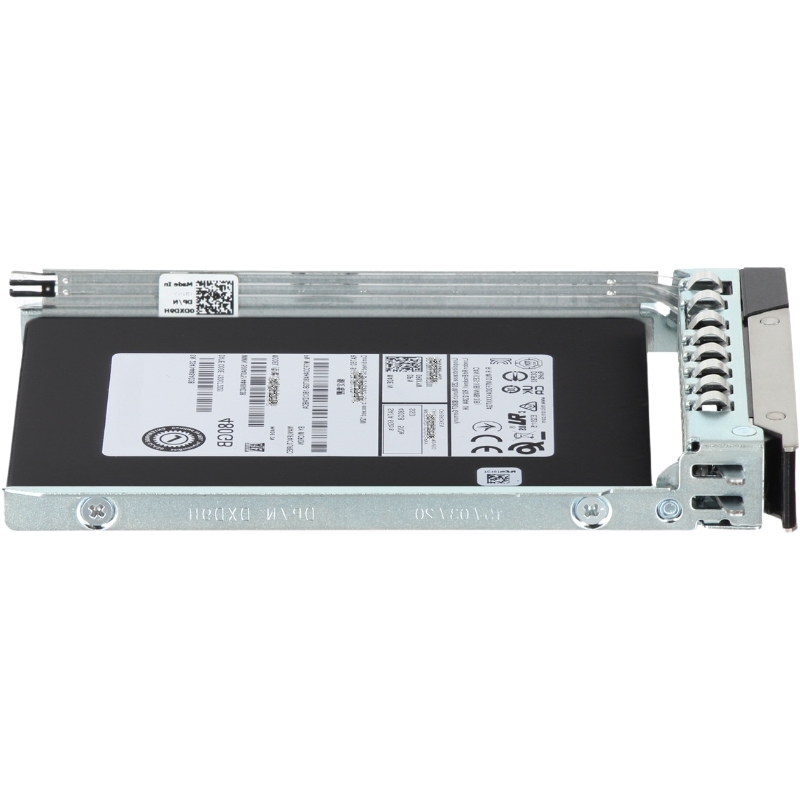
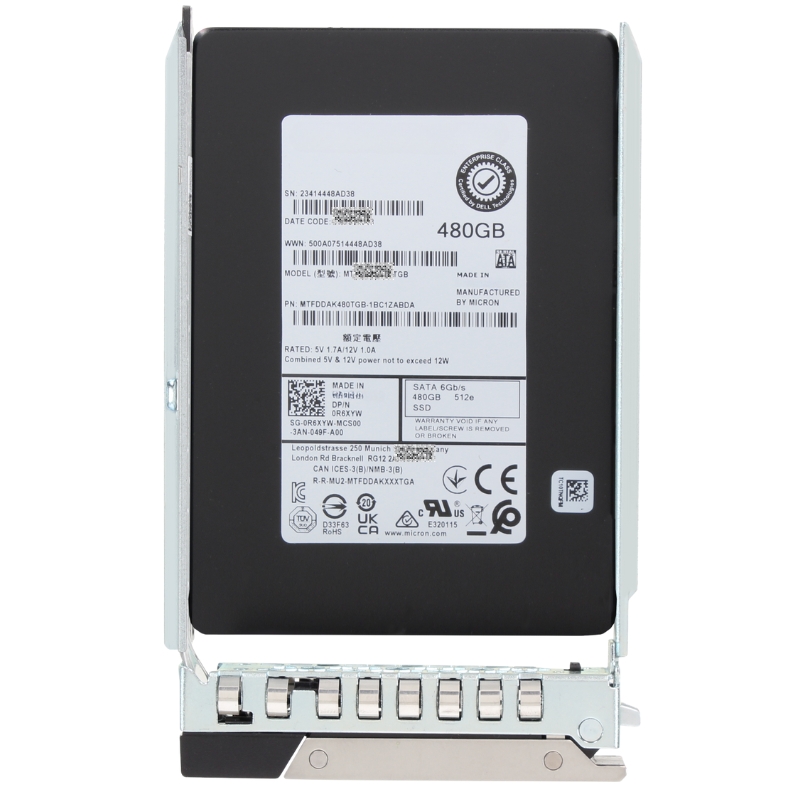
HPE P44007-H21 480GB DS SATA-6GBPS Basic Carrier Read Intensive SFF Hot Swap SSD. Excellent Refurbished with 1 year replacement warranty
HPE P44007-H21 480GB Ds SATA-6Gbps Basic Carrier Read Intensive Sff Hot Swap Ssd represents a focused offering for enterprise environments where read-intensive workloads, consistent performance, and easy serviceability are essential. Designed to fit small form factor (SFF) server bays with a hot-swap carrier, this drive combines the reliability expected from Hewlett Packard Enterprise with a capacity point that suits system boot volumes, caching layers, read-heavy database indexes, and virtualization read tiers. The product name communicates its core attributes: a 480GB usable capacity in a drive optimized for read operations, a SATA 6Gbps interface for wide compatibility, and a basic carrier intended for simple insertion and removal in supported HPE servers.
HPE P44007-H21 is engineered for the SFF hot-swap bay standard used across a wide range of HPE ProLiant and HPE Apollo systems. The SSD ships with a basic carrier that provides tool-less installation and secure retention in the server chassis, ensuring that field replacements or upgrades can be performed quickly by operations staff. The carrier design aligns with HPE’s hot-swap mechanics so that drives can be removed or inserted without system downtime when used in systems that support hot-swap operations. This mechanical compatibility is an important part of maintaining uptime in production data centers, remote branches, and managed hosting environments.
The SATA-6Gbps interface provides broad interoperability with legacy and modern HPE storage controllers, host bus adapters, and server backplanes. Because the drive uses standard SATA signaling at 6 gigabits per second, it can be deployed in mixed-drive arrays, used for secondary read tiers in hybrid storage architectures, or paired with NVMe and SAS devices in tiered storage strategies. For data centers that require gradual migration paths, the SATA interface helps avoid forklift upgrades by allowing administrators to mix SATA SSDs with other drive technologies while they evaluate longer-term NVMe rollout plans.
As a read-intensive drive, the P44007-H21 is tuned to provide sustained read throughput and low-latency access for workloads dominated by read operations. Typical use cases include database index storage, content delivery caches, virtual desktop infrastructure (VDI) read caches, and operating system volumes where read performance more greatly influences perceived system responsiveness than write endurance. The firmware and flash management heuristics prioritize wear-leveling and read cache efficiency to extend usable life in scenarios where writes occur at a lower rate than reads.
In practical deployments the sustained sequential reads and random read IOPS of a read-intensive enterprise SSD like the P44007-H21 translate to faster application load times, quicker query responses, and higher effective throughput for read-heavy services. Performance in the field will depend on host controller capabilities, queue depth, and the pattern of requests presented by applications. When used as part of a front-end caching tier or as a read cache in hyperconverged architectures, these SSDs reduce latency for end users and lower the I/O pressure on back-end storage pools, which can improve the performance of mixed-use clusters without large investments in all-flash arrays.
Although optimized for read operations, the Hpe P44007-H21 still incorporates enterprise-grade flash management, error correction mechanisms, and power-loss protection strategies to preserve data integrity. Enterprise SSDs include advanced ECC, background garbage collection, and wear-leveling algorithms that together manage NAND wear and maintain consistent performance over the drive’s lifecycle. The endurance rating and over-provisioning set by the manufacturer reflect the drive’s target workload class; administrators should evaluate the expected write amplification in their specific environment to confirm the drive meets the lifecycle needs of the deployment.
Thermal behavior is a critical consideration for drives operating in dense server environments. The P44007-H21 is specified to operate within typical data center temperature ranges, and its carrier supports the airflow patterns designed into HPE chassis. Proper airflow management — including blanking panels, predictable server intake paths, and verified fan curves — ensures the drive remains within optimal thermal thresholds and avoids throttling that could impact read latency. Power consumption is modest compared to spinning disk equivalents and even some high-performance SSDs, helping reduce overall rack power and cooling costs when deployed at scale.
When deployed within HPE server ecosystems, the P44007-H21 benefits from validated compatibility with HPE controllers and backplanes, ensuring proper enclosure status reporting and hot-swap behavior. Integration details matter for enterprise purchases: validated SKUs and supported firmware combinations minimize support friction and maximize compatibility when drives are used in RAID volumes, storage pools, or as cache devices. For organizations that use HPE support contracts, specifying validated drive models streamlines hardware support engagements and warranty coverage.
These 480GB read-intensive SSDs excel in many targeted roles. They perform strongly as boot/system volumes for hypervisors and application servers, as read caches in hybrid arrays or software-defined storage systems, and as storage for read-dominant database tables and indexes. In virtual desktop infrastructure scenarios, these drives help deliver density by accelerating read operations when many virtual machines boot or resume simultaneously. Content caching for web, streaming, or CDN edge nodes also benefits from the drive’s read-focused profile and predictable behavior under sustained read loads.
Effective use of the P44007-H21 depends on mapping application I/O patterns to the drive’s strengths. Administrators should profile workloads to determine read/write ratios and identify data sets that will benefit most from placement on read-optimized SSDs. Combining these SSDs in read cache tiers supporting higher-capacity spinning disks or slower flash can achieve an attractive cost-performance balance. Tiering policies implemented in software-defined storage or SAN appliances should ensure that write-heavy data migrates to media with higher endurance, while read-heavy data remains on the P44007-H21 to reduce rehydration movement and write amplification effects.
Compared to mixed-use or write-intensive enterprise SSDs, read-intensive models typically offer lower cost per GB at the trade-off of reduced write endurance metrics. When compared with SATA HDDs, the SSD delivers dramatically lower latency, higher throughput, and substantially lower mechanical failure rates, though at higher per-GB cost. Against NVMe SSDs, SATA read-intensive drives are often a more economical choice for large fleets of servers where the absolute lowest latency is not required but consistent read performance and ease of serviceability remain priorities.
Virtualized environments where many virtual machines share physical I/O benefit from the consistent read latency profile of these SSDs. Hypervisors can place read-heavy VMs or template libraries on the SSD tier, improving boot storms and template cloning operations. In container platforms, read-optimized images and layers stored on SSD media make container startup and scale-out operations faster. Storage orchestration tools should be configured to recognize the drive class and place appropriate workloads to minimize endurance stress.
Capacity planning for read-intensive SSDs should consider not only usable capacity but also effective over-provisioning and the impact of reserved space on long-term performance. Workload simulations and I/O profiling are useful to determine the realistic capacity requirements and the appropriate level of over-provisioning to ensure sustained performance. Administrators should build headroom into arrays to allow for background maintenance operations and to mitigate the performance impact of full-drive conditions.
Enterprise SSDs often include features that support secure deployment such as cryptographic erase, secure firmware signing, and support for secure boot chains when integrated with compatible controllers. While the P44007-H21 is a basic carrier model focused on core functionality, it is important to confirm with HPE documentation whether the specific SKU supports hardware-based encryption or secure erase commands and to ensure that any required key management or controller integration is in place for compliance-sensitive workloads.
Buying enterprise drives for a large-scale environment requires careful SKU selection and inventory planning. Matching the drive part number and firmware revision to the supported matrix for your server fleet reduces return and compatibility risk. Organizations should keep a buffer of spare drives in appropriate carriers to reduce downtime in the event of failures and should maintain an asset registry that includes serial numbers, firmware versions, and deployment locations for audit and lifecycle reporting.
As data centers prioritize sustainability, switching to SSDs like the P44007-H21 can lower energy consumption and cooling needs compared to equivalent capacity HDD deployments. Lifecycle management should include secure end-of-life procedures for data sanitization and environmentally responsible recycling. Planning for drive retirement based on endurance metrics and projector-driven replacement schedules ensures performance consistency while supporting corporate sustainability goals.


 Contact Us
 Information
 Catalog
 Solid State Drives (SSD)
 Network Switches
 Hard Disk Drives
 HBA & Controllers
 PC & Servers
 PC & Server Memory
 CPU & Processors
 Network Routers
 Power Supplies
 Tape Drives & Libraries
 Network Devices
 Computer & Network Cables