(7% discount is applied at checkout)
Cart is empty
Your go-to destination for cutting-edge server products
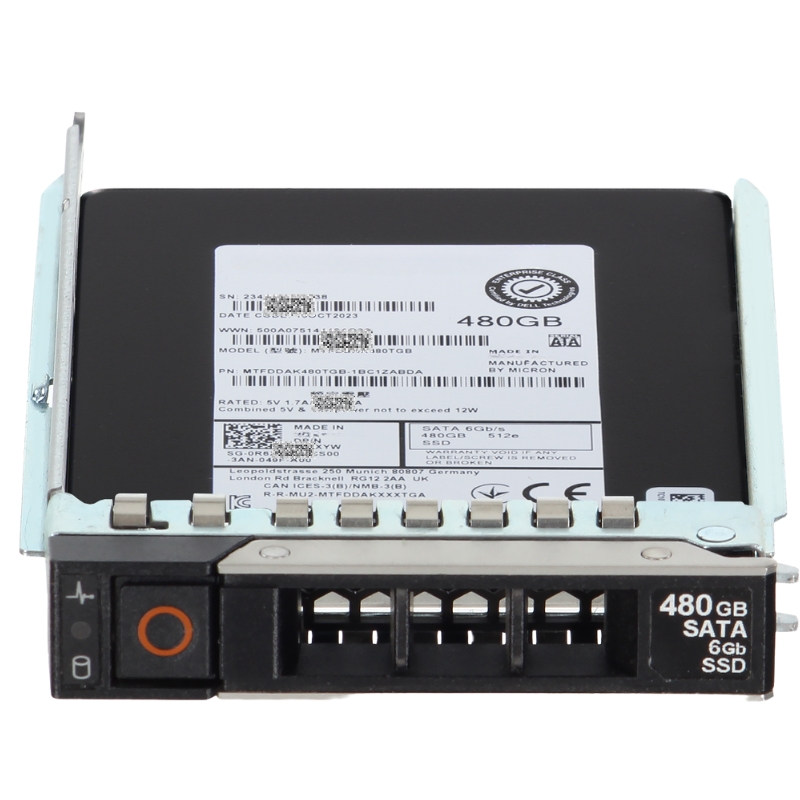


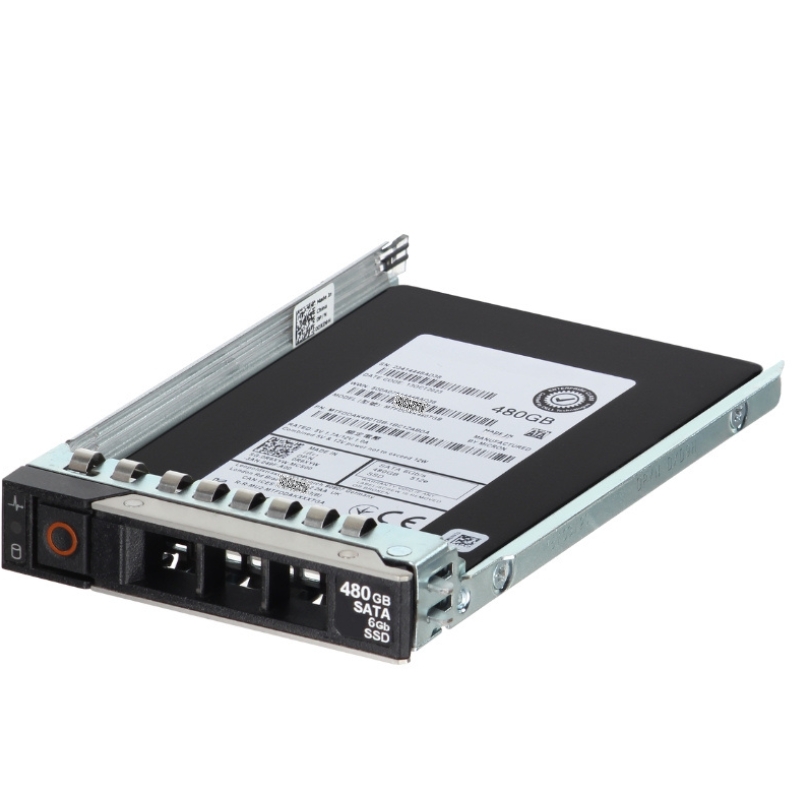
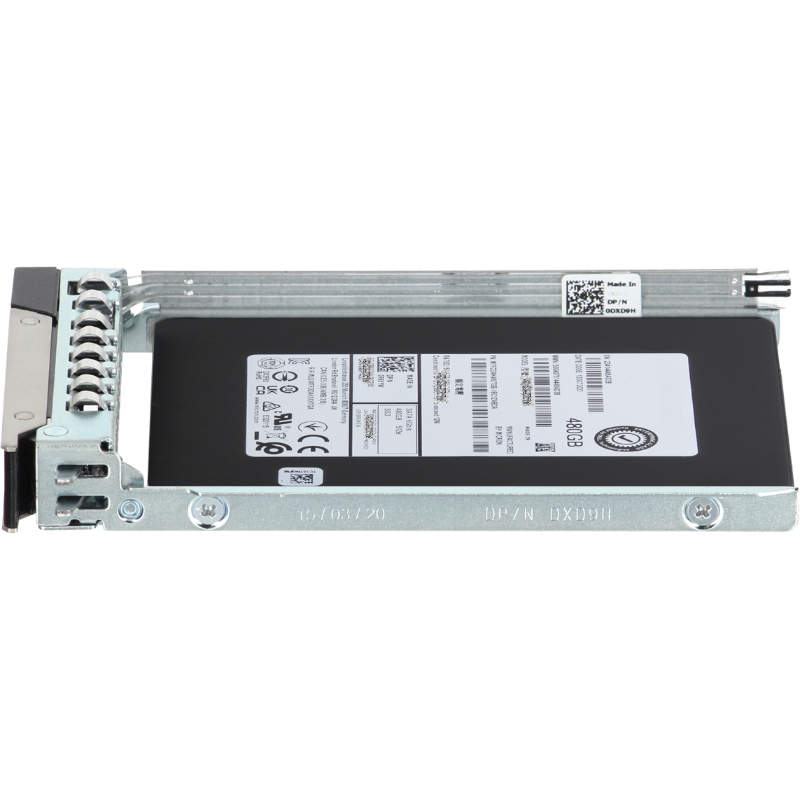
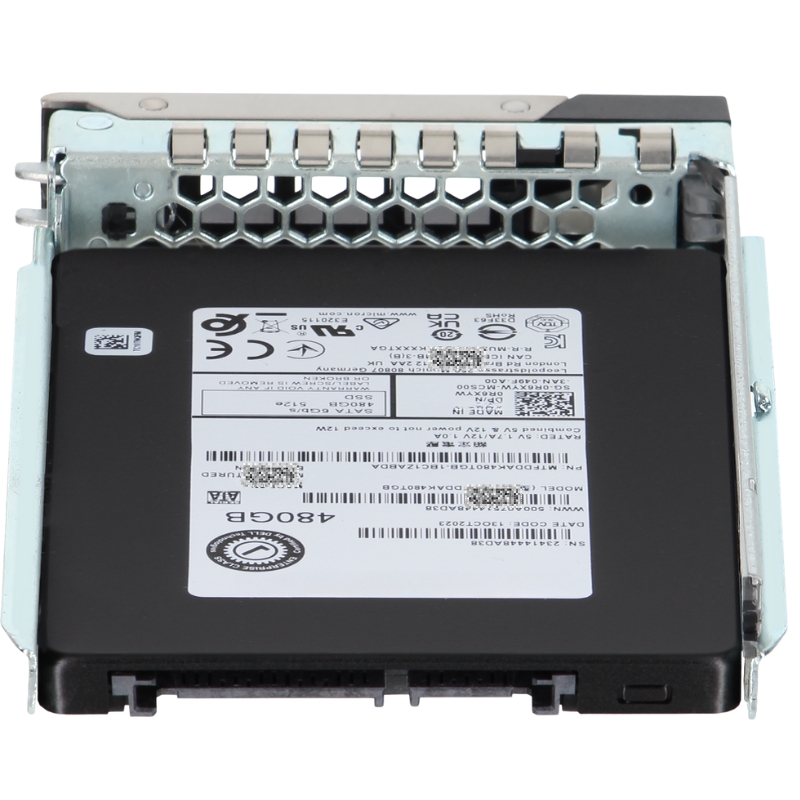
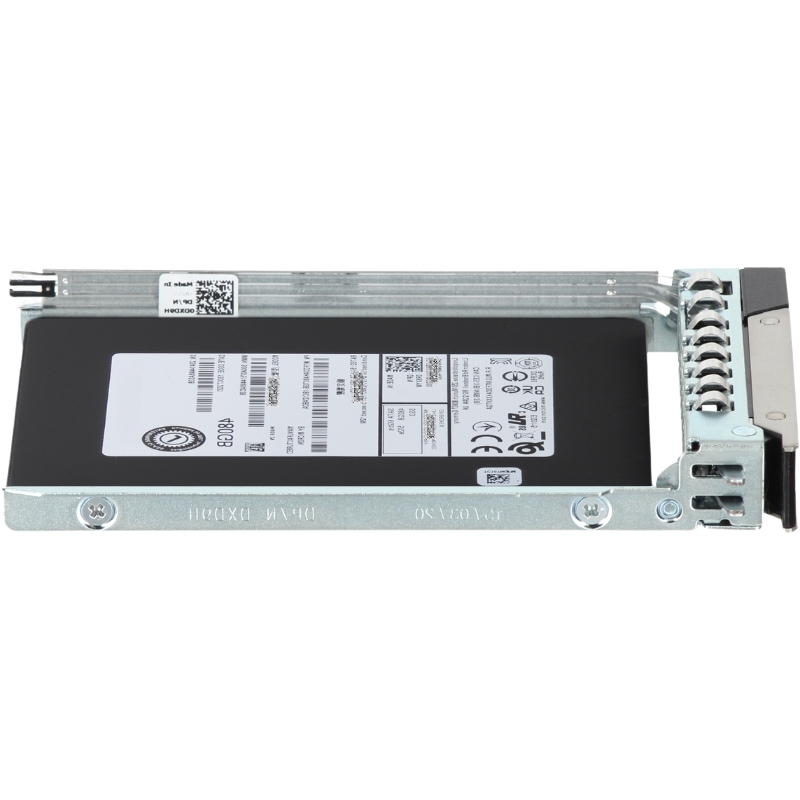
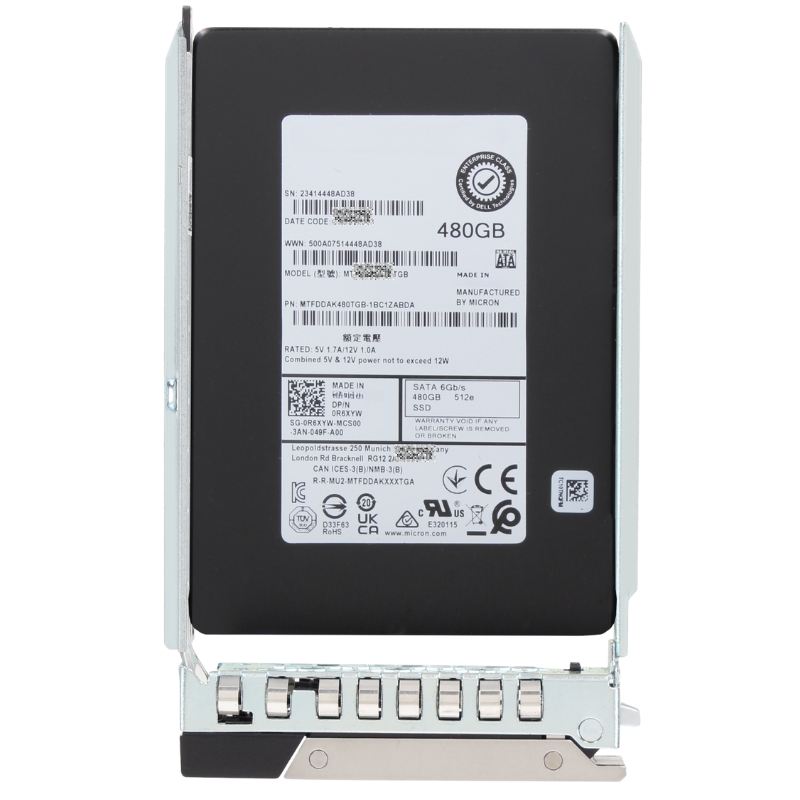
HPE P44007-K21 480GB DS SATA-6GBPS Basic Carrier Read Intensive SFF Hot Swap SSD. Excellent Refurbished with 1 year replacement warranty
HPE P44007-K21 480GB DS SATA-6GBPS Read Intensive SFF Hot Swap SSD represents a focused category of enterprise storage optimized for read-heavy workloads, blending capacity, endurance, and compatibility in a Small Form Factor (SFF) hot-swap package. Designed to serve the demanding needs of data centers, virtualization hosts, content delivery nodes, and database caching layers, this family of solid state drives targets systems where predictable read performance and sustained throughput are critical. The category emphasizes the specific balance of 480GB capacity, SATA 6Gb/s interface, and read-intensive endurance ratings that make these drives an ideal choice for accelerating read-dominant server applications while remaining cost-effective compared with higher-end mixed-use or write-intensive SSDs.
HPE P44007-K21 drives use the standard SATA-6GBPS (SATA III) interface, offering broad compatibility with legacy and modern server platforms that support SATA lanes. The SATA-6GBPS interface provides a reliable, well-understood connection with native support in many HPE ProLiant servers and storage enclosures. This category prioritizes drives equipped with the Basic Carrier and SFF hot-swap form factor, ensuring a seamless mechanical and electrical fit in 2.5-inch drive bays that accept hot-swap modules. The Basic Carrier design simplifies installation, replacement, and field serviceability in enterprise racks without requiring extensive reconfiguration or downtime.
Small Form Factor (2.5-inch) construction ensures the drive fits dense server and storage arrays, enabling higher drive counts per chassis and efficient use of rack space. The Basic Carrier variant provides a vendor-standard caddy that matches HPE drive bays, preserving drive bay LED mapping, latch compatibility, and airflow considerations. Physical design considerations such as screw hole alignment, carrier latch geometry, and thermal conduction elements are critical to guarantee that the drive performs reliably inside HPE chassis under heavy I/O loads.
Read Intensive drives within this category are engineered to prioritize long-term read throughput, low read latency, and consistent random read IOPS under sustained workloads. Typical use cases include read caching for large data sets, boot drives for virtual machines, hosting read-heavy databases, and serving static content in web and media delivery scenarios. Performance tuning emphasizes firmware optimizations that schedule garbage collection and wear-leveling operations to minimize read latency spikes, providing predictable response times essential for enterprise SLAs.
Endurance for read-intensive SSDs is characterized by a focus on reads-per-day and a lower writes-per-day rating than mixed-use or write-intensive drives. HPE P44007-K21 drives balance sufficient write endurance for firmware updates, OS churn, and caching write-backs while optimizing for a longer usable lifespan in environments dominated by read traffic. Enterprise-class reliability features include advanced error-correcting code (ECC), power-loss protection strategies, S.M.A.R.T. telemetry, and vendor-signed firmware that helps maintain secure and stable operation over the drive's service life.
Power-loss protection is a valuable characteristic in enterprise SSDs; drives in this category typically include capacitive or firmware-level mechanisms that reduce the risk of inadvertent data corruption during sudden power events. Combined with robust ECC and background data integrity scans, these safeguards reduce the probability of user-visible data errors and support maintenance of RAID arrays without increasing rebuild stress on remaining drives.
Compatibility is a major selling point for this category: drives are validated against HPE ProLiant server families, HPE storage enclosures, and HPE firmware stacks. This validation ensures that RAID controllers, hot-swap backplanes, and system management tools correctly recognize drive attributes such as capacity, model, and health status. Integration with HPE system management utilities permits out-of-band monitoring of S.M.A.R.T. metrics, predictive failure alerts, and lifecycle management for fleet-wide firmware deployments.
Servers running virtualization platforms (hypervisors), database read replicas, and scale-out file services benefit from the read-centric characteristics of these SSDs. When deployed as cache tiers in hybrid storage architectures, the drives accelerate read cache hits and dramatically reduce latency compared to spinning media. In web serving farms and content distribution nodes, the predictable read performance translates directly to faster page load times, higher concurrent session handling, and a better user experience for end customers.
Virtual Desktop Infrastructure (VDI) environments often create extreme read bursts during boot storms and login storms; read-intensive SSDs stabilize these bursts by delivering low-latency reads for OS images and application binaries. Using HPE P44007-K21 drives for golden image storage and linked-clone repositories reduces the time required to provision desktops and improves responsiveness for large user groups accessing the system concurrently.
Thermal behavior and power consumption are critical in dense server deployments. The SFF hot-swap design minimizes thermal footprint while the Basic Carrier ensures adequate airflow within the chassis. These drives are engineered to operate within defined thermal envelopes; system integrators should consult server thermal guidelines to maintain optimal operating temperatures, thereby maximizing drive lifespan and minimizing throttling events during sustained workloads.
Power efficiency is a practical advantage when deploying many drives across large server farms. Lower idle and active power consumption reduces rack-level power draw and heat load, allowing data centers to reduce cooling costs and increase usable compute per rack. The category targets that balance: delivering enterprise-class performance without the power overhead typical of higher endurance drive classes.
When these SSDs are integrated into RAID arrays or software-defined storage pools, architects must tune RAID levels and rebuild policies to account for SSD characteristics. Read-optimized drives pair well with RAID configurations that protect against drive failure while minimizing unnecessary write amplification during rebuilds. The predictable failure modes and available S.M.A.R.T. telemetry help administrators proactively replace drives before data loss occurs.
Administrators should use RAID levels that provide adequate redundancy (for example RAID 6 or double-parity schemes in large-scale deployments) and select rebuild throttling parameters to manage rebuild I/O so that production workloads maintain performance while the array recovers. Using hot-spare drives compatible with the Basic Carrier format helps reduce mean time to repair by enabling automatic rebuilds with minimal intervention.
Security-conscious deployments benefit from SSD features such as secure erase capabilities, crypto-erase support (if available), and firmware signing to protect against tampered firmware. Although not all SATA read-intensive drives include hardware encryption by default, many enterprises implement host-based encryption strategies or pair their drives with controllers that provide self-encrypting drive (SED) functionality for regulatory compliance and data-at-rest protection.
When drives are decommissioned or repurposed, validated data sanitization procedures are essential for compliance with industry regulations and internal policies. HPE P44007-K21 class drives support secure erase operations (where supported by firmware and host tools) and archival readiness processes, enabling administrators to meet privacy and data retention obligations across regulated industries.
Selecting drives from this category requires mapping expected workload patterns to drive endurance and performance. For predominantly read-only or read-mostly workloads, the 480GB read-intensive SSD provides ample capacity and reliable read throughput. If workloads include heavy write amplification, temporary staging, or logging, system architects may want to combine read-intensive drives with a small number of high-endurance drives or write-back caches to absorb transient write loads without reducing the lifespan of read-optimized media.
Hybrid storage architectures that tier data between high-performance NVMe layers, read-intensive SATA SSDs, and bulk HDD tiers can achieve an optimal balance of cost and performance. HPE P44007-K21 drives form an effective middle tier: accelerating frequently read objects while being far more cost-effective than top-tier NVMe media for capacity-oriented caching and cold-to-warm datasets.
Within the broader SSD portfolio, HPE P44007-K21 480GB SATA read-intensive drives sit between mainstream consumer SATA offerings and premium enterprise mixed-use or write-intensive SSDs. They offer enterprise-grade validation and firmware features absent in consumer models but at a lower cost point than drives designed for heavy write cycles. When evaluating storage procurement, understanding this middle-ground positioning helps IT teams deploy the right drive to the right tier.
Mixed-use or write-intensive SSDs are appropriate for database log volumes, heavy transactional workloads, and write-back cache scenarios where endurance and write latency are primary concerns. NVMe drives are preferable when maximum IOPS and ultra-low latency are required. Conversely, HPE P44007-K21 drives excel when consistent read performance, compatibility with SATA backplanes, and cost-effective capacity are the priorities.
HPE P44007-K21 480GB DS SATA-6GBPS Read Intensive SFF Hot Swap SSDs provide a compelling mix of predictable read performance, enterprise-grade reliability, and cost-effective capacity. Their Basic Carrier and SFF hot-swap design deliver mechanical compatibility and serviceability in HPE environments, while firmware and telemetry features support robust lifecycle management. Ideal for cache tiers, VDI roles, content serving, and read-mostly databases, these drives help organizations accelerate access to frequently read data while controlling capital and operating expenses.


 Contact Us
 Information
 Catalog
 Solid State Drives (SSD)
 Network Switches
 Hard Disk Drives
 HBA & Controllers
 PC & Servers
 PC & Server Memory
 CPU & Processors
 Network Routers
 Power Supplies
 Tape Drives & Libraries
 Network Devices
 Computer & Network Cables