(7% discount is applied at checkout)
Cart is empty
Your go-to destination for cutting-edge server products


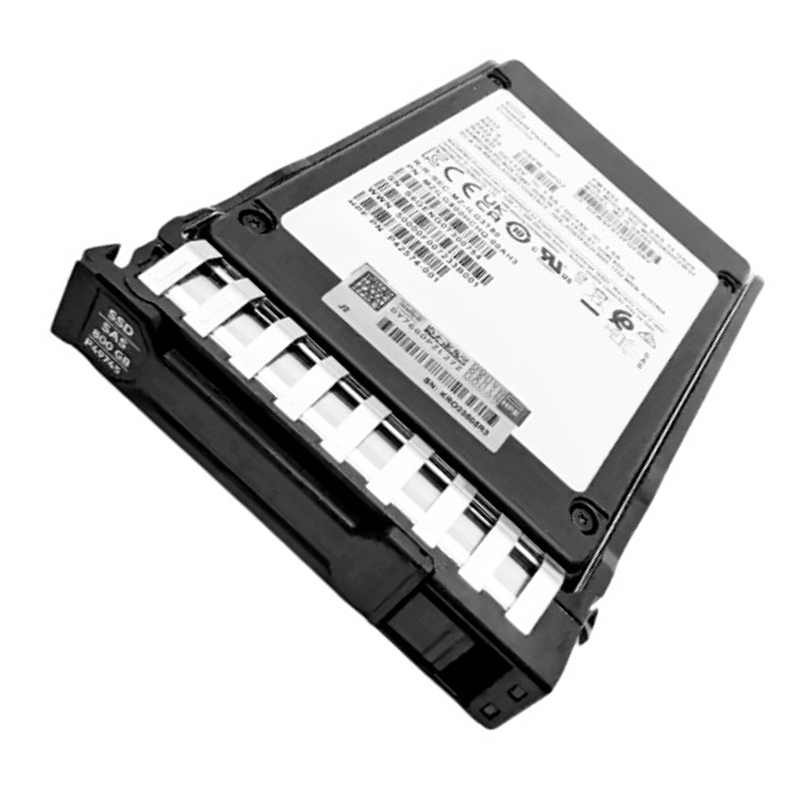
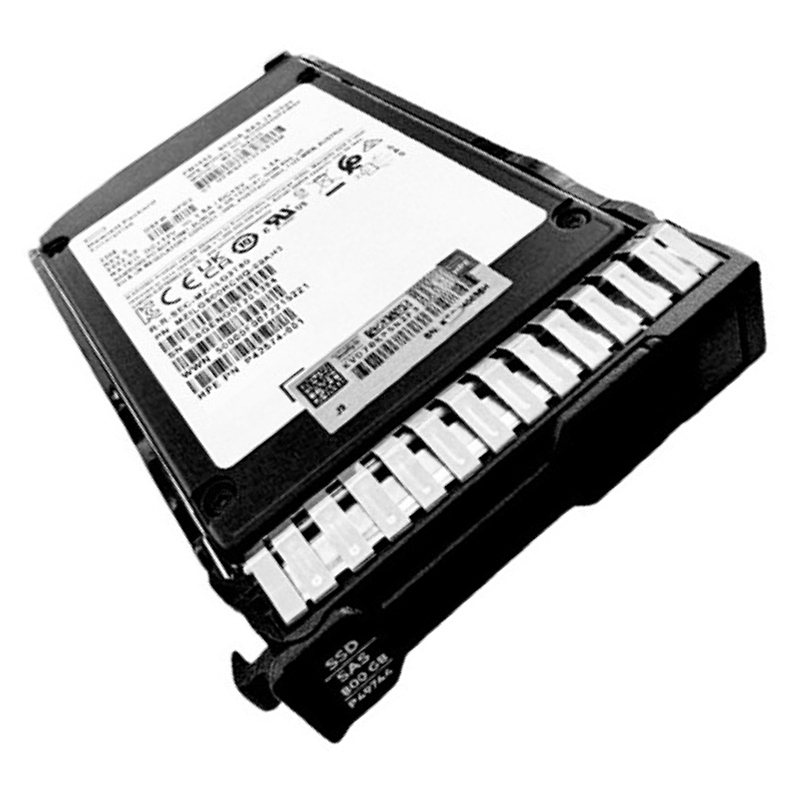
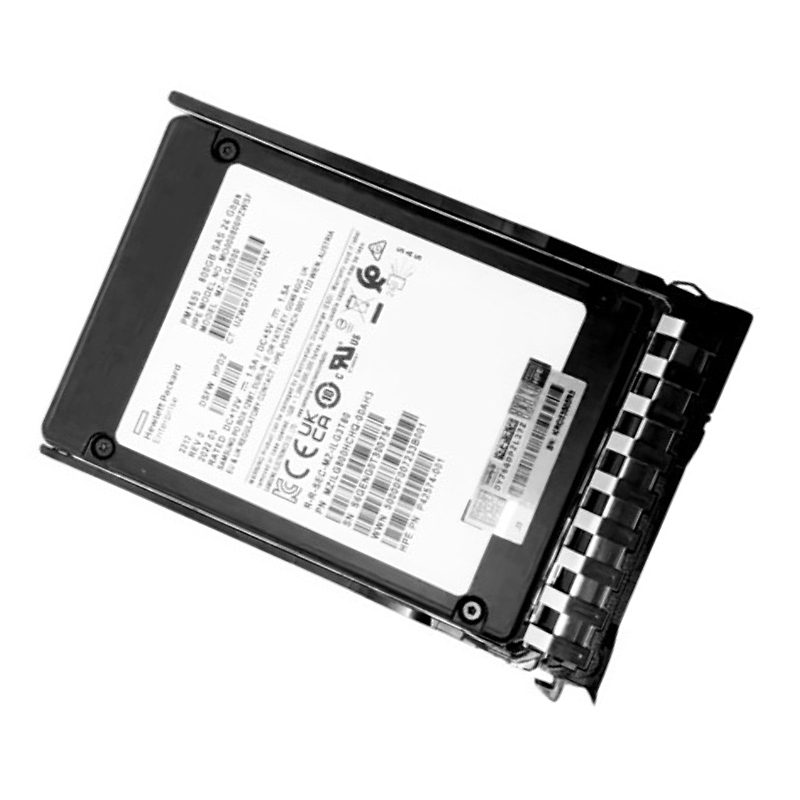
HPE P49047-K21 800GB SFF DSF SAS-24GBPS BC Mixed Use SSD. Factory-Sealed New in Original Box (FSB) with 3 Years Warranty
HPE P49047-K21 800GB SFF DSF SAS-24GBPS BC Mixed Use SSD represents a focused category of high-reliability, enterprise-grade storage designed for modern data centers and mission-critical environments. Built for mixed-use workloads where a balance of sustained throughput, consistent I/O performance, and endurance matters, this category addresses the needs of virtualization hosts, database servers, mixed OLTP/OLAP systems, and cloud infrastructure layers. The combination of an 800GB capacity in a Small Form Factor (SFF) design, a Dual-Stage Form factor (DSF) option for flexible deployment, and a SAS-24Gbps interface positions these drives as a compelling choice where compatibility with legacy SAS backplanes matters while delivering improved bandwidth and lower latencies over earlier SAS generations.
Enterprises deploying HPE P49047-K21 class SSDs typically seek a reliable, mid-capacity block storage option that offers consistent response times under mixed read/write patterns. Typical use cases include virtual machine (VM) boot and operating system volumes, medium-size transactional databases, caching tiers in hybrid storage architectures, virtual desktop infrastructure (VDI) boot storms, and read/write heavy application servers where predictable latency is key. The mixed-use designation signals that these SSDs are engineered to tolerate frequent random writes while maintaining endurance suitable for business-critical applications rather than pure archival or extreme write-intensive tasks.
Virtualized environments demand storage that can handle bursty I/O from many small VMs simultaneously. HPE P49047-K21 category SSDs are typically optimized for such multi-tenant workloads by offering low, consistent latency and strong sustained I/O performance. When used as primary storage for VM farms or as a caching layer in front of high-capacity HDDs, these SSDs dramatically improve VM responsiveness and reduce overall application tail latency, leading to better end-user experience across multi-tenant and cloud-hosted services.
Mixed-use enterprise SSDs are often chosen for medium-sized databases where a mix of reads and writes occur frequently. For OLTP applications, the ability to sustain random IOPS and maintain low latency under concurrent transactions is more valuable than raw sequential bandwidth. Deploying these SSDs on database log volumes, index stores, or hot partitions can reduce commit latency and improve transactional throughput, particularly in environments that require strong durability and data integrity guarantees.
The HPE P49047-K21 category emphasizes the SAS-24Gbps interface, which provides dual-port connectivity and robust enterprise-class features such as end-to-end data path protection, dual-port failover, and high-availability zoned architectures. Dual-port SAS enables multiple initiators to access the same drive or to provide redundant paths from host bus adapters (HBAs) or RAID controllers, making these SSDs a natural fit for clustered file systems, SAN solutions, and high-availability server configurations.
Small Form Factor (SFF) drives bring the advantage of higher drive density in server chassis and storage arrays. The DSF (Dual-Stage Form/DSF naming in the category) or similar compact designs allow for flexible mechanical integration and support for backplanes that prioritize space efficiency. This compactness is particularly valuable in blade servers, dense rack servers, and arrays where maximizing usable capacity per RU (rack unit) is a priority.
One key selling point for SAS-based enterprise SSDs is their backward compatibility across SAS generations and broad ecosystem interoperability with legacy HBAs, RAID controllers, and storage enclosures. Organizations with existing SAS infrastructure can upgrade mixed-use drives without a wholesale migration to NVMe while still realizing meaningful performance improvements. This compatibility reduces risk and eases procurement planning by leveraging tested compatibility matrices and vendor-validated firmware builds.
Performance for this SSD category is primarily measured across several dimensions: steady-state random IOPS, sustained sequential throughput, 99th-percentile latency, and response time under mixed read/write workloads. Mixed-use SSDs typically balance these metrics to prevent performance cliffs during sustained heavy write activity and ensure predictable behavior during spikes. The modern SAS-24Gbps bus reduces communication bottlenecks and supports higher aggregate IOPS when drives are used in RAID arrays or pooled storage configurations.
When sizing systems, administrators should prioritize realistic IOPS-per-VM or IOPS-per-application expectations and account for peak multipliers that occur during backups, anti-virus scans, or batch jobs. The category delivers low latency for small-block random I/O — crucial for transactional applications — and maintains consistent latency as write amplification is handled internally through efficient flash translation and garbage collection algorithms. Designers should consider controller queue depths and host-side tuning (e.g., I/O scheduler settings) to maximize effective throughput.
While mixed-use SSDs are optimized for random performance, they also provide meaningful sequential throughput for database scans, file transfers, and backup windows. The SAS-24Gbps interface helps ensure sequential streams can saturate available bandwidth when multiple drives are striped together, making these SSDs suitable for hybrid storage tiers where both high IOPS and throughput are desirable.
Dense deployments of SFF SSDs require careful thermal planning. Drives in this category typically include thermal throttling and monitoring capabilities to protect flash from heat-induced wear while preserving performance. Rack airflow design, front-to-back cooling policies, and chassis backplane airflow characteristics should be validated to maintain consistent drive temperatures. Power consumption is generally modest compared to HDDs at idle and significantly lower under active read/write compared to spinning disks when normalized by IOPS, but administrators should still account for peak power draw in high-density servers.
Enterprise SSD categories such as HPE P49047-K21 place a premium on reliability and data integrity features that are essential in production environments. Robust error correction, power-loss protection mechanisms, and firmware designed for predictable behaviour under heavy load are central to maintaining uptime. Drives in this category often include features such as persistent internal capacitors or power-loss protected write caches to ensure in-flight data is safely persisted during unexpected power events.
Endurance is a defining characteristic for mixed-use drives. Manufacturers rate endurance in terms of drive writes per day (DWPD) or total bytes written (TBW) over the warranty period. Mixed-use classifications typically provide a middle ground between read-intensive and heavy-write enterprise drives, offering sufficient DWPD for virtualized workloads and general-purpose enterprise applications. Advanced wear-leveling algorithms distribute writes uniformly across NAND to extend usable drive life and reduce the risk of premature failures.
Security features are increasingly required at the drive level. Many enterprise SSDs support data-at-rest encryption (self-encrypting drives, SED) and TCG Opal or enterprise key management integrations. The HPE P49047-K21 category typically emphasizes secure firmware practices, including digitally signed firmware to prevent unauthorized or corrupted firmware loads, bolstering supply-chain and runtime security. Administrators should verify supported encryption standards and key management compatibility to align with organizational compliance needs.
Organizations often evaluate mixed-use SAS SSDs against NVMe solutions and legacy HDDs. SAS SSDs offer a strong value proposition when backward compatibility, dual-port redundancy, and broad HBA/controller ecosystem support are prioritized. NVMe drives deliver higher raw performance and lower latency but may require platform changes, additional NVMe controllers, or new cabling and backplane designs. HDDs still offer cost-effective capacity for cold storage but cannot compete on latency and random IOPS. Mixed-use SAS SSDs thus occupy a strategic middle ground: offering enterprise features with easier integration into established SAN and server infrastructures.
Choose SAS mixed-use SSDs when existing infrastructure investments include SAS HBAs, when dual-port availability for multipath redundancy is required, or when validated firmware and vendor support are critical for regulatory compliance. Complex SAN topologies and clustered filesystems often rely on SAS capabilities that NVMe ecosystems are still evolving to match at scale.
Hybrid storage arrays that combine high-capacity HDDs with SAS mixed-use SSDs as a caching or hot tier can drastically improve application responsiveness while keeping total cost of ownership (TCO) manageable. Automated tiering policies move frequently accessed blocks to SSD tiers and colder data to HDDs, making this SSD category an effective performance enhancer without requiring full flash conversion of storage arrays.


 Contact Us
 Information
 Catalog
 Solid State Drives (SSD)
 Network Switches
 Hard Disk Drives
 HBA & Controllers
 PC & Servers
 PC & Server Memory
 CPU & Processors
 Network Routers
 Power Supplies
 Tape Drives & Libraries
 Network Devices
 Computer & Network Cables