(7% discount is applied at checkout)
Cart is empty
Your go-to destination for cutting-edge server products


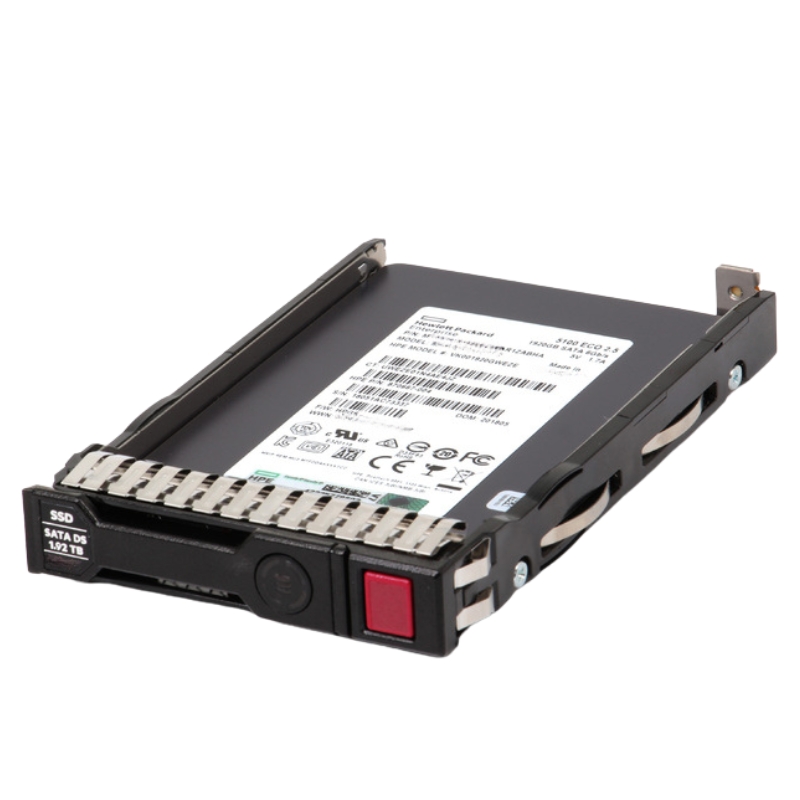
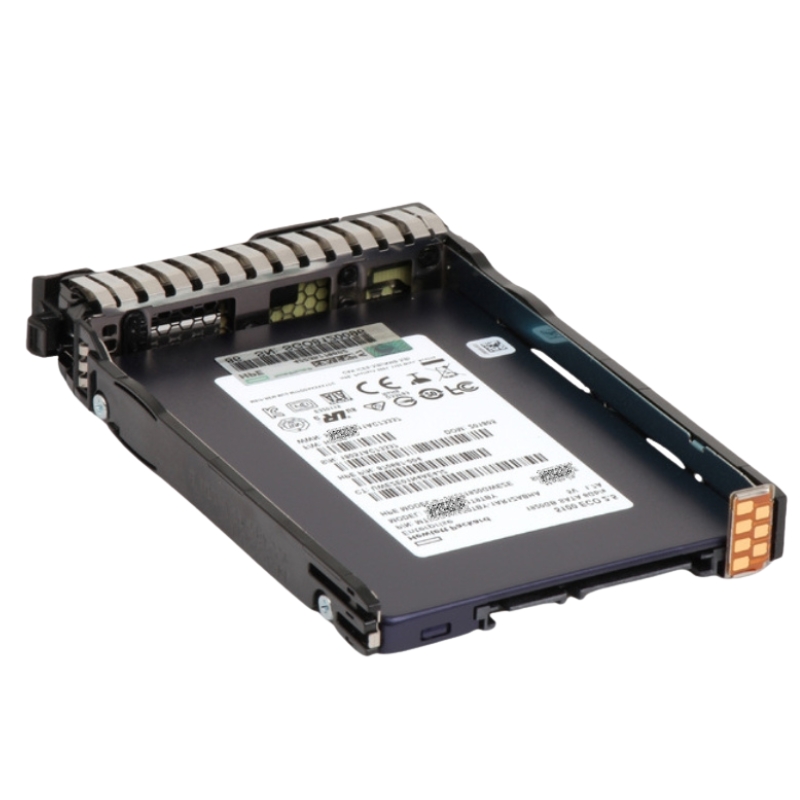
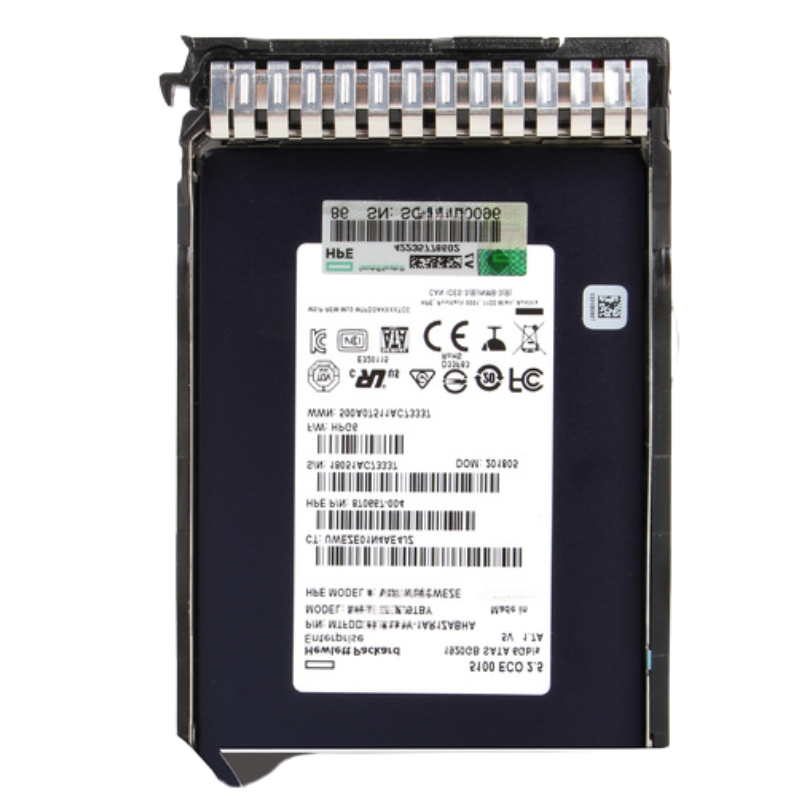
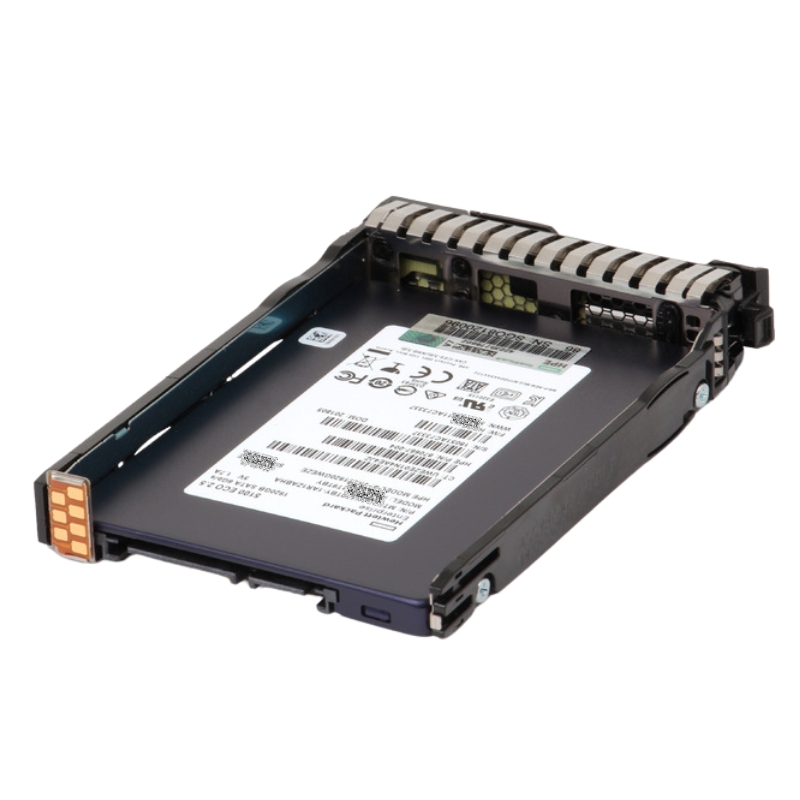
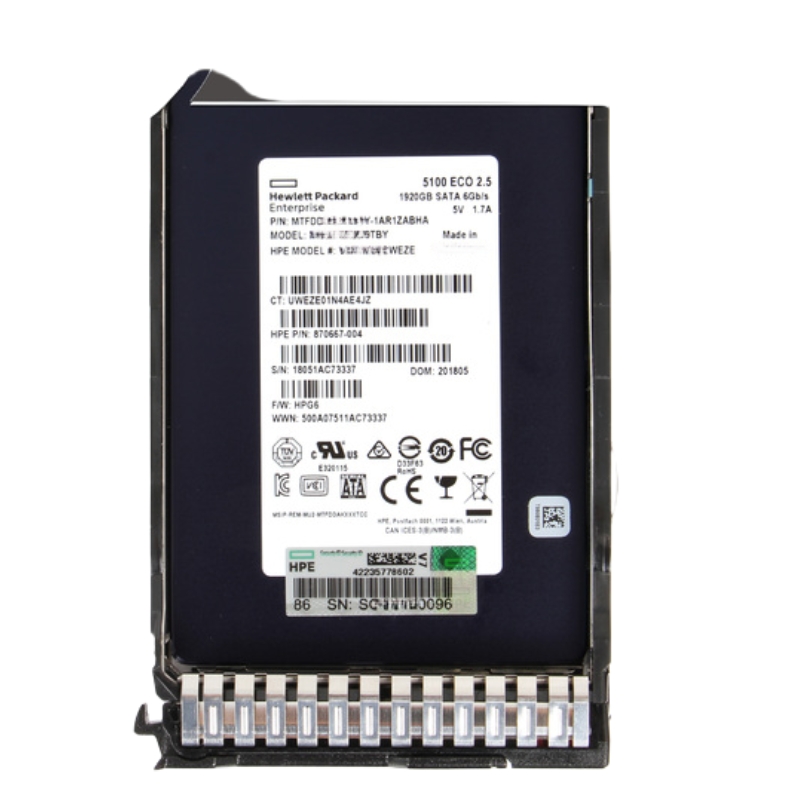
HPE P44009-H21 1.92TB DS SATA-6GBPS Basic Carrier Read Intensive SSD. Factory-Sealed New in Original Box (FSB) with 3 Years Warranty
Designed For Enterprise Storage Workloads, The HPE P44009-H21 1.92TB DS SATA-6GBPS Basic Carrier SFF Read Intensive SSD Delivers A Balanced And Cost-Effective Storage Solution For Data Centers, Remote Offices, And Mixed-Workload Environments. Engineered By HPE For Compatibility With Modern ProLiant And Storage Servers, This 1.92TB Drive Targets Read-Heavy Applications That Require Consistent Low Latency, Robust Data Integrity, And Predictable Endurance Characteristics. The Drive Combines Enterprise-Grade NAND With HPE-Level Firmware Validation, Supporting A Wide Range Of Use Cases From Boot And OS Volumes To Cache And Read-Optimized Databases.
HPE Classifies This SSD For Read-Intensive Use, Which Means The Drive's TBW (Terabytes Written) Rating And Sustained Write Endurance Are Calibrated To Typical Enterprise Read-Heavy Patterns. The Drive Incorporates Enterprise DRAM Or DRAM-Less Controllers Depending On Manufacturing Batches, With Firmware Enhancements That Manage Wear Leveling, Bad Block Remapping, And Background Garbage Collection. Power-Loss Protection Mechanisms And End-to-End Data Path Protection Help Preserve Data Integrity During Unexpected Power Events, Which Is Essential In Multi-Tenant Data Centers And Mission-Critical Deployments.
Built To Integrate Seamlessly With HPE ProLiant Servers And HPE Storage Enclosures, The P44009-H21 Carries HPE's Compatibility Assurance And Is Often Included In HPE Hardware Compatibility Matrices. Compatibility Is One Of The Primary Advantages When Choosing An HPE-Branded SSD For An HPE Server Fleet, Because Firmware Is Validated Across Server Generations And Backplane Versions. Administrators Should Verify Firmware Revisions And Cross-Reference HPE Support Documents To Ensure Full Feature Support And Firmware Interoperability With RAID Controllers, SmartArray Firmware, And HPE System Management Tools.
When Deployed As A Cache Or Read Tier In Hybrid Storage Architectures, The P44009-H21 Effectively Absorbs High Read Request Rates, Shielding Spinning Media And Increasing Overall System Throughput. Software-Defined Storage Solutions That Implement Automated Tiering Or Read-Write Caching Can Leverage This SSD To Ensure Hot Data Remains On Fast Media, While Colder Data Resides On HDDs. Administrators Should Align Cache Size And Eviction Policies With Application Access Patterns To Extract Maximum Value From Read-Intensive Drives.
Modern Enterprise SSDs Include Multiple Layers Of Data Protection And Security Features. While The Specific Security Capabilities Can Vary By Firmware And Manufacturing Batch, Typical Protections Include End-To-End Data Path Protection, TRIM Support For Efficient Space Reclamation, And Optional Hardware-Based Encryption For Data-At-Rest If Supported By The Server Platform. Administrators Should Review HPE Documentation To Confirm Whether A Particular Drive Batch Supports Self-Encrypting Drive (SED) Features And How Those Features Integrate With HPE Security Tools.
End-To-End CRC Checks, ECC Algorithms, And Advanced Error Management Techniques Help Prevent Data Corruption During Normal Operation. The Firmware Often Implements Read-After-Write Verifications And Redundant Metadata Storage To Ensure Filesystem Consistency Even When Drives Experience Transient Errors. For Environments Demanding The Highest Integrity Levels, Pairing The Drives With Redundant Controller Configurations And RAID Levels Designed For SSD Workloads Provides An Extra Layer Of Protection.
Hot-Swap Capabilities Simplify Maintenance, But Operators Should Observe Safe Removal Practices To Protect RAID Arrays And Prevent Unintended Degradation Of Service. Documented Support From HPE Often Describes The Correct Sequence For Drive Removal, Controller Commands To Mark Drives Offline, And How To Verify Rebuild Progress After Replacement. Safe Handling Also Extends To ESD Precautions During Manual Intervention.
Compared To Mixed-Use Or Write-Intensive SSDs, The HPE P44009-H21 Prioritizes Read Performance And Cost Efficiency, Making It Less Ideal For Heavy Write-Intensive Databases Or High-Velocity Logging Platforms. Against Traditional HDDs, The SSD Offers Dramatic Improvements In Access Latency And Random IOPS, Which Translate Into Tangible Application-Level Gains. When Evaluating Alternatives, Consider Workload Read/Write Ratios, Required Latency Budgets, And Budget Constraints.
HPE P44009-H21 drives employ the SATA-6GBPS (SATA 3.0) interface, a widely supported protocol across enterprise motherboards, RAID controllers, and storage backplanes. The SFF (small form factor) 2.5-inch physical dimensions and the inclusion of a Basic Carrier ensure straightforward integration into HPE ProLiant servers and many third-party enclosures. The Basic Carrier simplifies hot-swap handling while providing a secure mechanical fit and reliable electrical contact with common HPE chassis backplanes.
With a nominal capacity of 1.92TB, the P44009-H21 delivers high usable density in a 2.5-inch footprint. The capacity is achieved through high-density NAND configurations, efficient over-provisioning, and controller-level wear management that maximizes usable life while maintaining steady performance for read-intensive workloads. The drive’s internal logical block addressing and spare area management support enterprise RAID configurations and large-scale storage pools, where efficient space utilization and predictable capacity behavior are essential.
Read Intensive classification designates firmware and hardware tuning that prioritizes read throughput, low read latency, and long-term stability under heavy read workloads. These SSDs are engineered with read caching algorithms, optimized read disturb mitigation, and firmware paths that minimize background write amplification during read bursts. This results in stable IOPS for random reads, consistent sequential read performance, and reduced tail latency for I/O-sensitive applications.
HPE P44009-H21 drives typically deliver high sequential read throughput suitable for fast file access and streaming, while maintaining respectable sequential write rates for background writes and metadata updates. Random read performance is the primary strength — random IOPS for small block sizes are tuned to serve database lookups, index scans, and virtual desktop infrastructure (VDI) read operations with minimal queuing delay. Random write performance, while not the primary focus, is sufficient for metadata updates and occasional transactional workloads due to firmware-level write coalescing and buffering strategies.
Enterprise deployments demand predictable latency; P44009-H21 drives emphasize consistent read latency across sustained multi-queue workloads. The firmware implements intelligent garbage collection scheduling and background task throttling so that foreground read operations experience minimal interruption. This quality of service (QoS) approach reduces latency spikes that can impact latency-sensitive services such as in-memory caching layers and real-time analytics.
Under mixed read-dominant workloads, the P44009-H21 demonstrates reliable scaling of IOPS as queue depth increases, making it a strong candidate for consolidated server environments running multiple virtual machines or containerized services. The drive’s controller is optimized to handle parallel read streams effectively, preserving throughput as concurrency rises while maintaining steady latency metrics.
Databases that generate a high volume of read transactions — such as analytics read nodes, OLAP cubes, and search indexes — benefit from the low-latency read profile of the P44009-H21. The drive reduces query response times and improves throughput for concurrent read queries, making it appropriate for secondary index storage, read replicas, and read caching tiers that accelerate user-facing search and reporting functions.
Virtual desktop infrastructure environments that exhibit read-heavy boot storms and login surges are a strong match for read-intensive SSDs. Using P44009-H21 drives as read caches or primary storage for read-dominant VMs can reduce I/O wait times and improve user experience during peak concurrency events. Their capacity and cost profile make them a practical option when very high endurance enterprise mixed-use SSDs are not necessary.
Content delivery nodes, media streaming servers, and static file repositories that serve many simultaneous read requests can scale effectively when backed by 1.92TB read-optimized drives. The steady sequential and random read throughput supports fast retrieval of assets, thumbnails, and static web resources without requiring the higher write endurance of mixed-use or write-intensive drives.


 Contact Us
 Information
 Catalog
 Solid State Drives (SSD)
 Network Switches
 Hard Disk Drives
 HBA & Controllers
 PC & Servers
 PC & Server Memory
 CPU & Processors
 Network Routers
 Power Supplies
 Tape Drives & Libraries
 Network Devices
 Computer & Network Cables