(7% discount is applied at checkout)
Cart is empty
Your go-to destination for cutting-edge server products
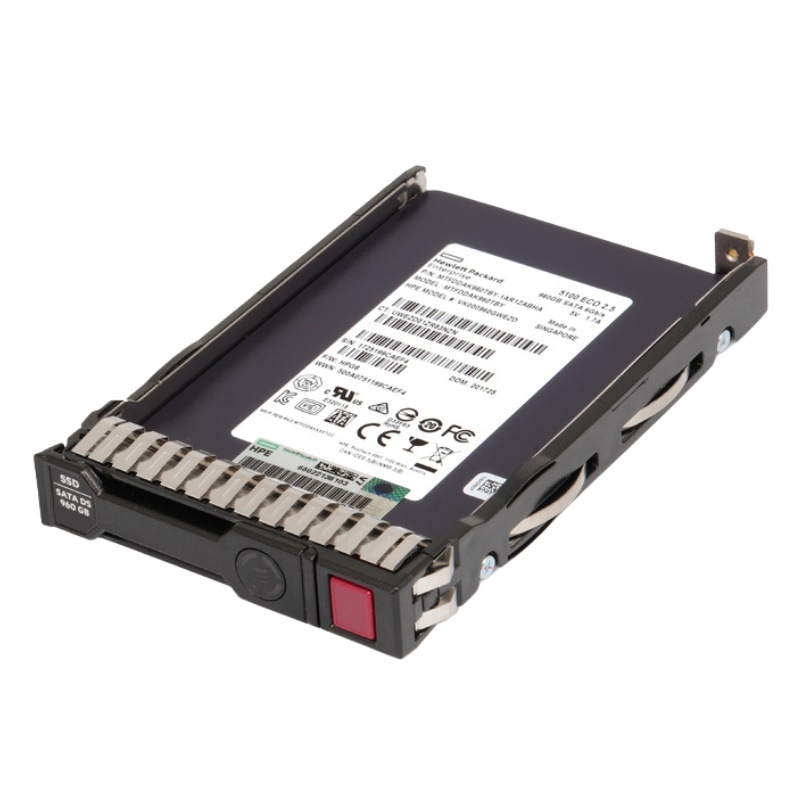


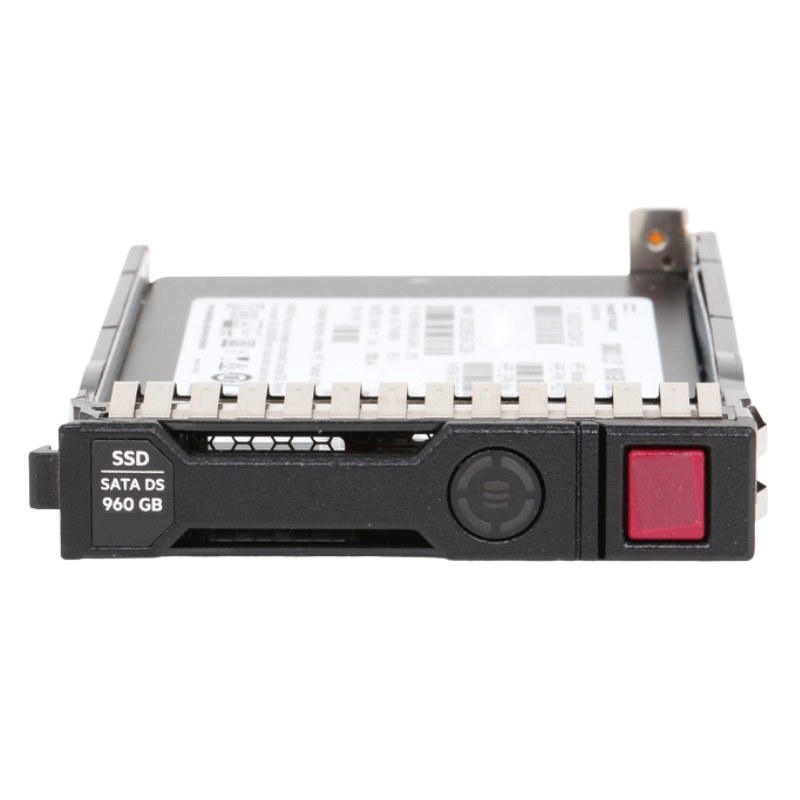
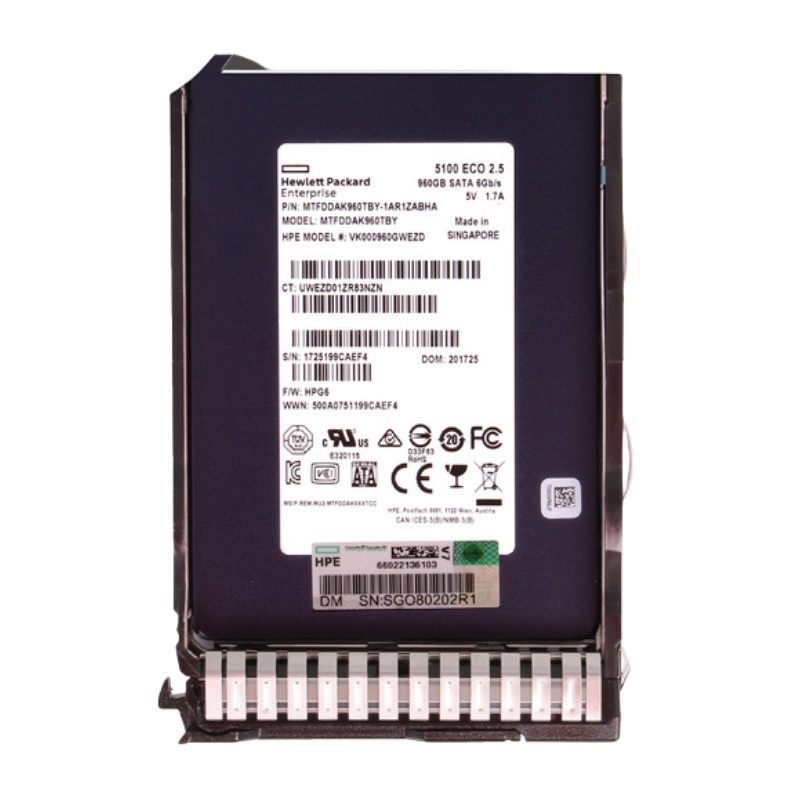
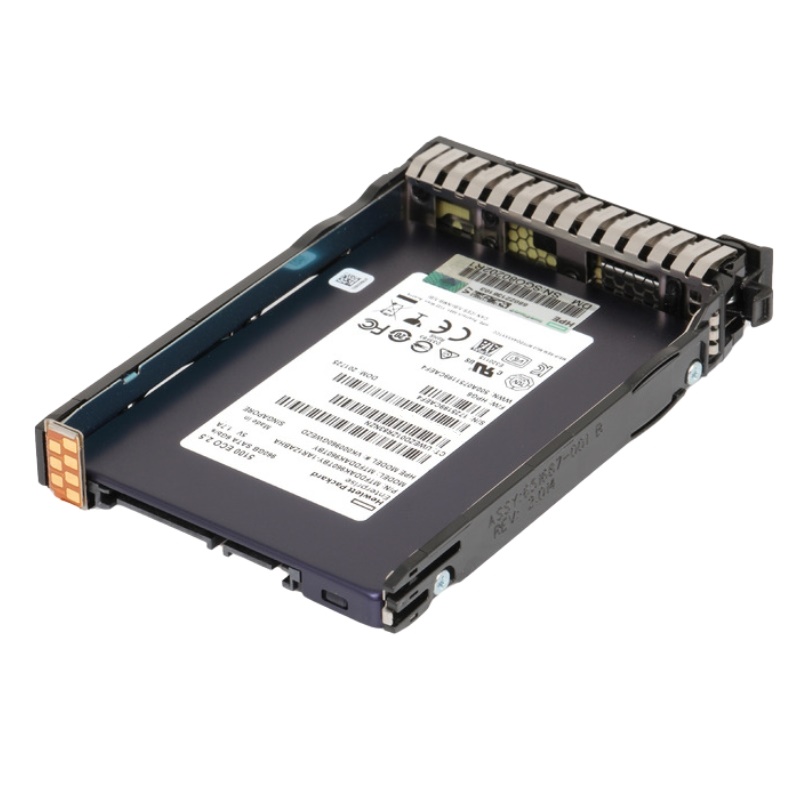
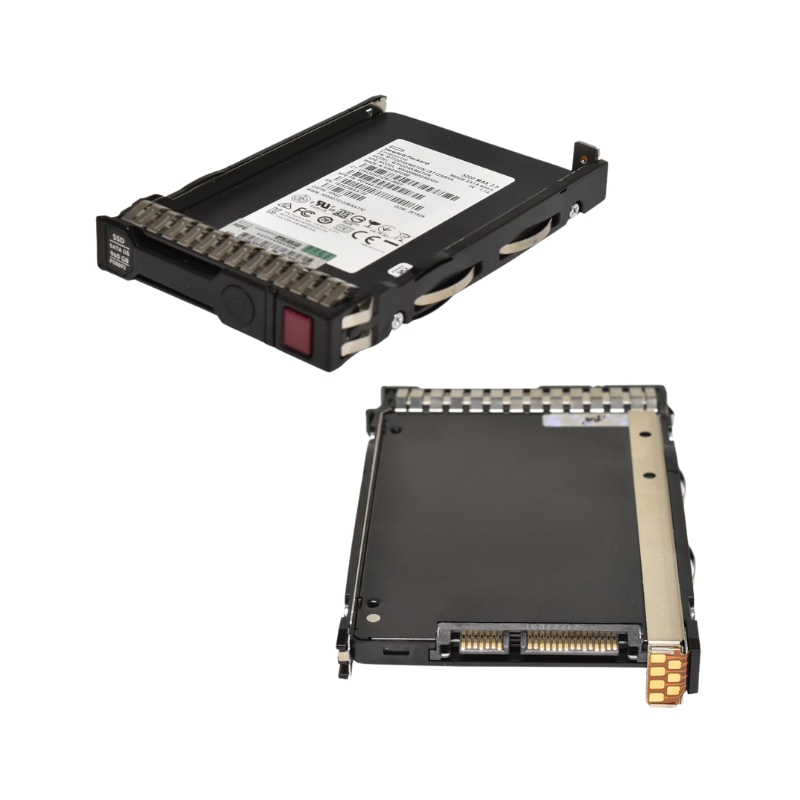
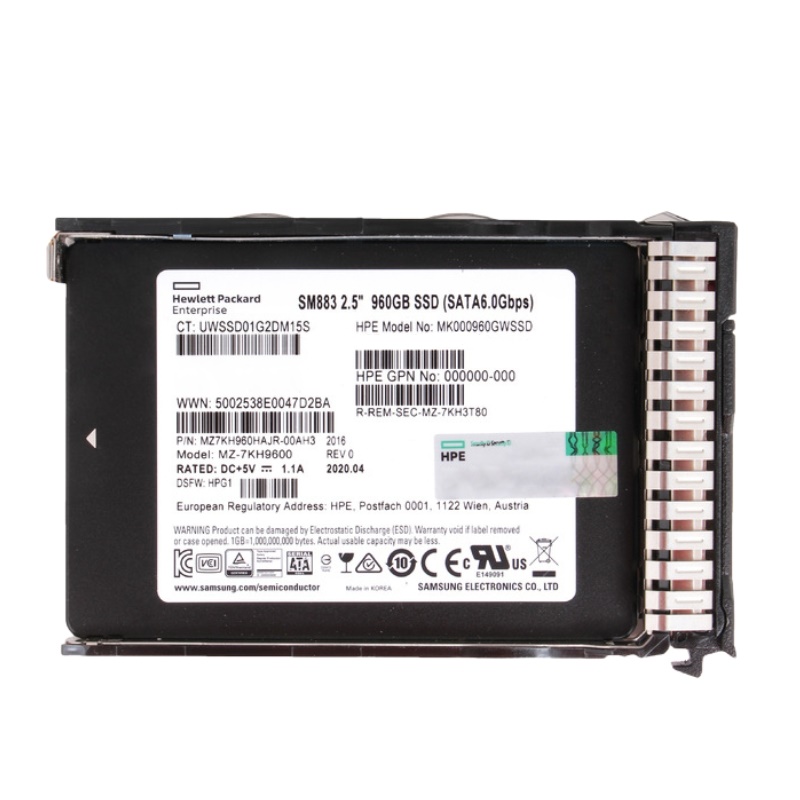
HPE P41528-001 960GB SATA 6GBPS SFF BC Mixed Use SSD. Factory-Sealed New in Original Box (FSB) with 3 Years Warranty
| SKU/MPN | Warranty | Price | Condition | You save |
|---|---|---|---|---|
| P41528-001 | 1 Year Warranty | $759.00 | Excellent Refurbished | You save: $265.65 (26%) |
| P41528-001 | 1 Year Warranty | $1,426.00 | Factory-Sealed New in Original Box (FSB) | You save: $499.10 (26%) |
The HPE P41528-001 960GB SATA 6Gbps SFF Mixed Use SSD is a high-performance enterprise-grade storage solution designed for enhanced reliability, superior speed, and consistent data throughput. This mixed-use drive delivers balanced endurance and performance, making it an excellent fit for read-intensive and write-heavy workloads in modern data centers and enterprise servers. With a compact 2.5-inch Small Form Factor (SFF) design and support for Hot Plug functionality, it ensures seamless scalability and uninterrupted service during maintenance or upgrades.
The HPE P41528-001 960GB SATA 6Gbps SFF Mixed Use SSD sits in the enterprise mixed-use solid-state drive category, designed for organizations that require a balance of read and write performance, strong reliability, and small form-factor flexibility. This category description focuses on why the P41528-001 is chosen for server, storage-array, and virtualization roles, how it differs from read-intensive and write-intensive SSDs, and the practical considerations that drive procurement decisions for IT teams, system integrators, and e-commerce listings.
Form factor: Small Form Factor (SFF) — compact 2.5" class sizing for dense server and array deployments.
Interface: SATA 6Gbps (SATA III) — broad compatibility with many enterprise and legacy platforms.
Capacity point: 960GB — a useful mid-to-high capacity for mixed workload allocations (OS, databases, caching layers).
Workload class: Mixed Use — tuned for both frequent reads and substantial writes, a middle ground between read-optimized and write-endurance SSDs.
Enterprise-grade availability: Built to fit into HPE server ecosystems and enterprise storage architectures with firmware and support tailored to OEM integration.
Although SATA 6Gbps is an older interface compared to modern PCIe/NVMe, a well-engineered SATA mixed-use SSD like the HPE P41528-001 delivers predictable, low-latency performance for many enterprise applications.
Category drives such as this are often configured with firmware features that prioritize quality of service (QoS): background garbage collection is scheduled to minimize foreground latency, and write coalescing helps improve endurance for mixed workloads. These features make the drive suitable for environments that cannot tolerate wide latency spikes.
SATA 6Gbps remains relevant because of its exceptional compatibility. Many legacy RAID controllers, storage shelves, and blade server backplanes provide SATA connectivity. Choosing a SATA mixed-use SSD ensures easy retrofit upgrades without needing to replace host adapters or motherboard backplanes, reducing upgrade costs and deployment friction.
"Mixed Use" indicates a tradeoff: higher endurance than read-centric consumer SSDs, but not as rugged as specialized high-endurance write-intensive flash. For customers, this translates to:
Solidifying a middle ground between cost and longevity — suitable for most enterprise application volumes.Manufacturer testing that validates typical enterprise lifecycle expectations under mixed read/write patterns.
Use cases where predictable replacement cycles and warranty coverage align with data centre refresh plans.
Enterprise SSDs in this category typically expose a comprehensive set of SMART attributes and vendor telemetry. These diagnostics let administrators track:
Power-on hours and host writes.Remaining life estimates and wear leveling activity.
Uncorrectable error counts and media wear indicators.
The 960GB capacity and mixed-use profile make this SSD category ideal for hosting multiple virtual machines, as it balances boot volumes, swap activity, and typical VM write patterns. Advantages for virtualization include faster boot storms, improved VM clone performance, and lower latencies for hosted applications.
For transactional databases that mix reads and writes, mixed-use SSDs provide a strong uplift versus spinning disks. Use these drives for:
Write-through or write-back cache layers in storage arrays.Log and temp files where low latency is more critical than raw sequential throughput.
Small to medium OLTP databases where NVMe is unnecessary or incompatible.
Using a reliable 960GB SATA mixed-use SSD for OS and application volumes accelerates system boots, reduces server I/O contention, and simplifies backup windows. The SFF size supports dense rack deployments where conserving bay space is important.
File servers and content delivery nodes that serve a broad mix of file types and access patterns benefit from the balanced profile, particularly in environments where SSD tiering is used to accelerate hot content while colder content remains on HDD tiers.
Read-intensive drives are optimized for environments where writes are minimal (e.g., content delivery nodes). Compared to read-intensive options, mixed-use SSDs trade some raw read efficiency for better write endurance and broader applicability.
Write-intensive drives are engineered for sustained heavy write workloads (e.g., logging heavy appliances, write caching). Mixed-use is more versatile and lower in cost than write-intensive SSDs but will not match the highest TBW ratings. Select write-intensive drives when endurance under extreme write conditions is a primary concern.
NVMe drives provide much higher throughput and lower latency for modern high-performance applications. However, SATA mixed-use SSDs remain valuable when:
Compatibility with existing SATA infrastructures matters.Budget constraints limit NVMe adoption or when PCIe lanes are scarce.
Workloads require balanced performance but not the absolute lowest latency NVMe delivers.


 Contact Us
 Information
 Catalog
 Solid State Drives (SSD)
 Network Switches
 Hard Disk Drives
 HBA & Controllers
 PC & Servers
 PC & Server Memory
 CPU & Processors
 Network Routers
 Power Supplies
 Tape Drives & Libraries
 Network Devices
 Computer & Network Cables