(7% discount is applied at checkout)
Cart is empty
Your go-to destination for cutting-edge server products
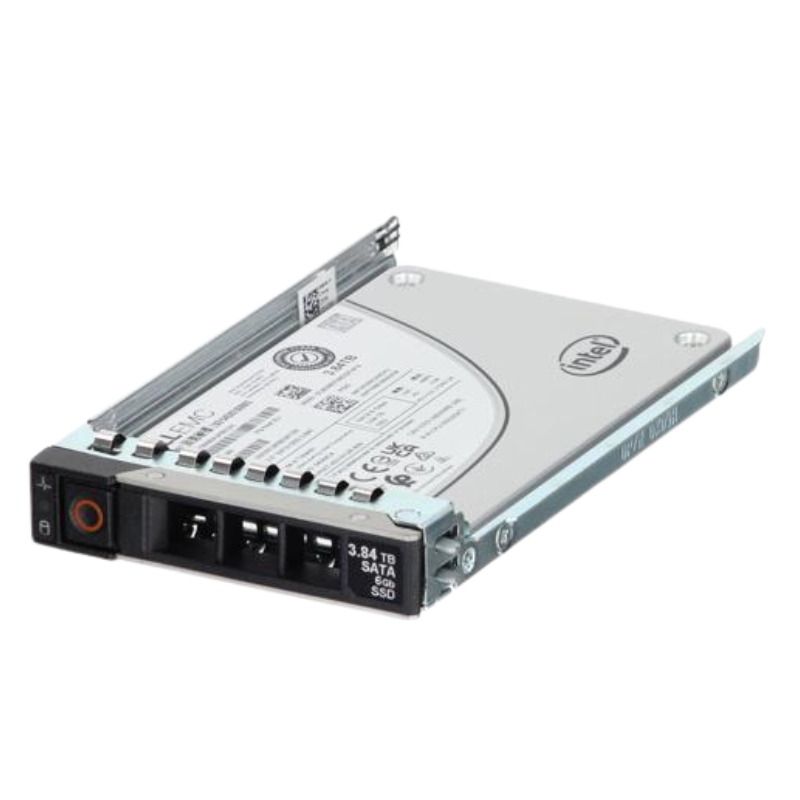


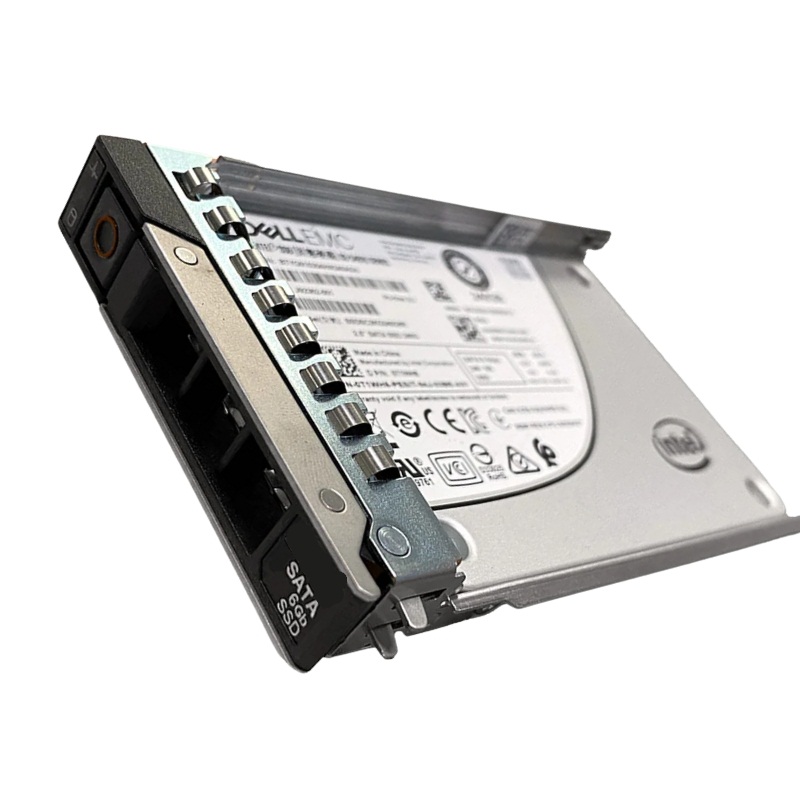
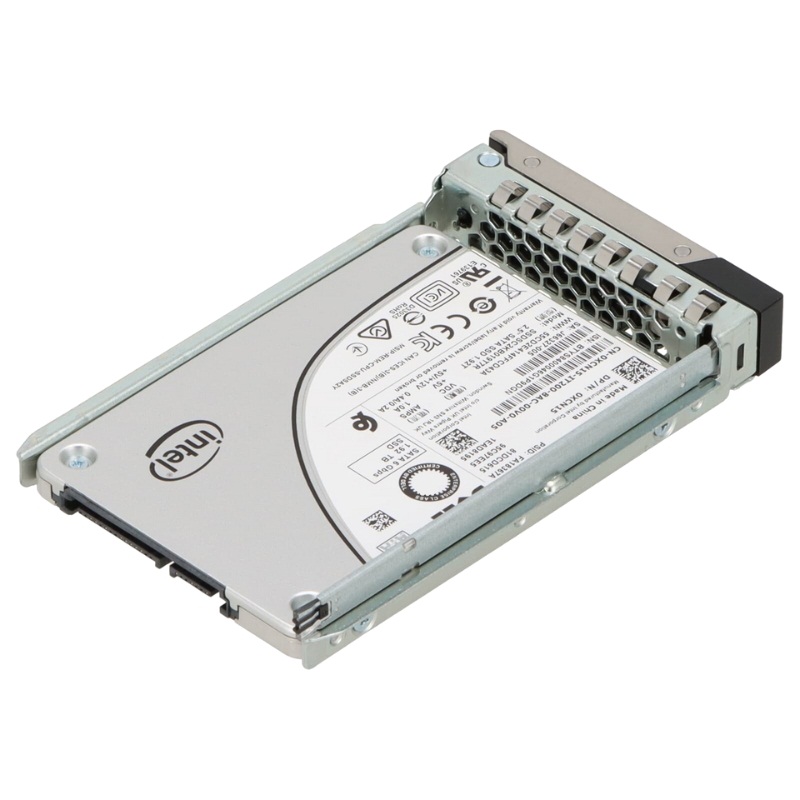
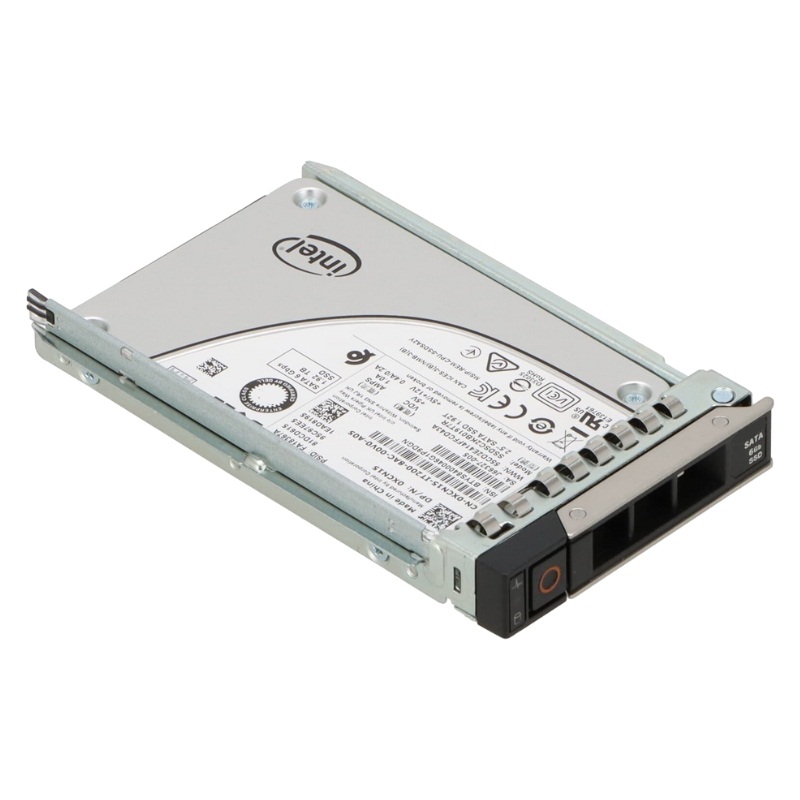
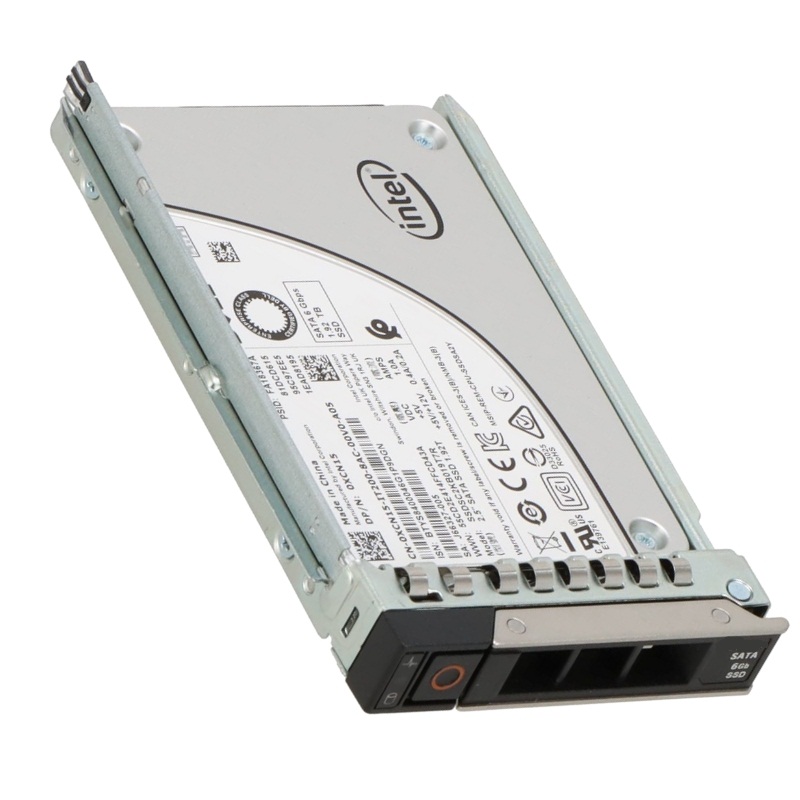
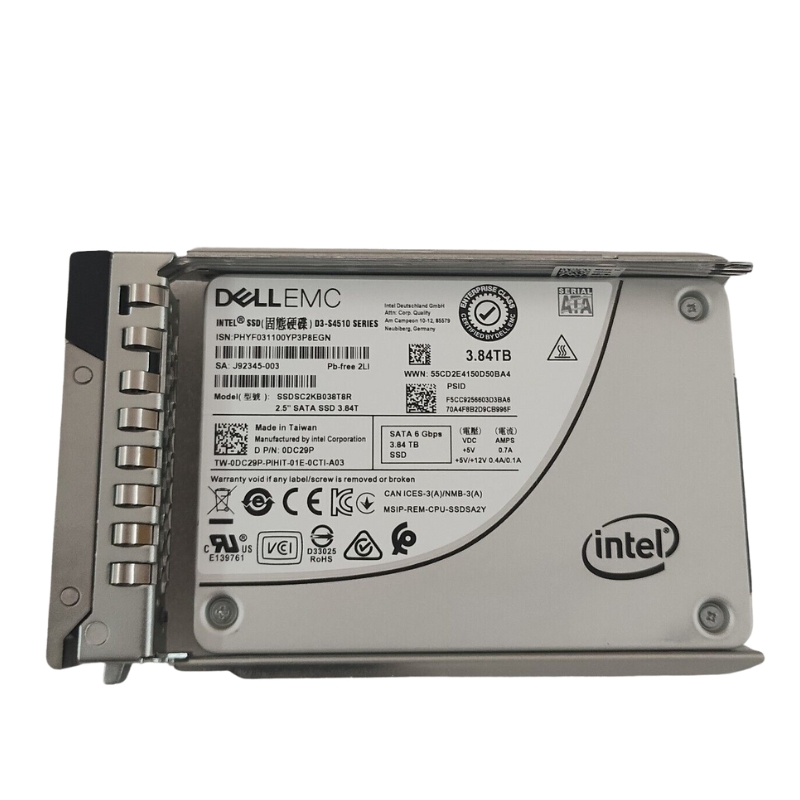
Dell 345-BEWG 3.84TB SATA 6GBPS 2.5Inch Mixed Use 3 DWPD TLC Hot Swap Enterprise Solid State Drive. New Sealed in Box (NIB) with 1 year Warranty
| SKU/MPN | Warranty | Price | Condition | You save |
|---|---|---|---|---|
| 345-BEWG | 1 Year Warranty | $1,330.00 | Excellent Refurbished | You save: $465.50 (26%) |
| 345-BEWG | 1 Year Warranty | $2,465.00 | New Sealed in Box (NIB) | You save: $862.75 (26%) |
The Dell 345-BEWG is a high-performance 3.84TB SATA solid-state drive designed for Dell PowerEdge 14G, 15G, and 16G servers. Engineered for mixed-use workloads, it combines speed, durability, and efficient storage management, making it suitable for enterprise applications that demand reliability.
The Dell 345-BEWG is verified for a wide range of PowerEdge servers, ensuring seamless integration and maximum performance:
The Dell 345-BEWG 3.84TB SATA 6Gbps 2.5-inch SFF Mixed Use 3 DWPD TLC Hot Swap Enterprise Solid State Drive is engineered to deliver a balanced mix of performance, endurance, and enterprise-grade reliability for modern datacenter workloads. This SSD model is optimized for Dell PowerEdge server platforms including 14g, 15g, and 16g generations, providing a scalable storage option for virtualization, databases, mixed transactional workloads, and tiered storage architectures. Built with triple-level cell (TLC) NAND and a rated 3 Drive-Writes-Per-Day (DWPD) endurance class, the drive addresses the needs of mixed-use applications that require consistent throughput, low latency, and predictable lifespan under sustained load.
At its core, the Dell 345-BEWG is a 3.84TB capacity solid state drive that uses the industry-standard SATA III 6Gbps interface in a 2.5-inch small form factor (SFF). The Mixed Use classification reflects firmware, controller tuning, and NAND management optimized to strike a balance between read-heavy and write-moderate operations. The 3 DWPD rating is an industry-friendly metric that represents the drive’s endurance envelope: the drive can be written across its entire capacity three times each day for the warranted service period without exceeding design wear limits. The TLC NAND provides high-density storage while controller-level wear leveling, error correction, and over-provisioning ensure stability over the device lifecycle.
Enterprise design attributes include hot-swap capability, robust power-loss protection, and firmware tailored for consistent quality-of-service. Hot-swap means the drive can be removed or inserted while the server remains powered and operational (subject to proper software and hardware handling), reducing planned downtime during replacements or upgrades. Power-loss protection mechanisms safeguard in-flight data and metadata integrity, reducing the risk of corruption during sudden outages. Firmware is tested and validated against Dell PowerEdge firmware baselines to ensure compatibility and to leverage server-level features such as drive health telemetry and secure firmware updates.
The Dell 345-BEWG targets the sweet spot for mixed workloads by delivering low-latency access and strong random I/O performance compared to traditional spinning media. While SATA III imposes interface limits relative to NVMe, this drive extracts the maximum practical performance from the 6Gbps channel through efficient controller logic, queue management, and optimized firmware. For environments that run virtualization hosts, application servers, and caching tiers, this SSD offers predictable IOPS under concurrent reads and writes, as well as consistent latency that translates to better application responsiveness and improved end-user experience.
This SSD is particularly suitable for virtual desktop infrastructure (VDI), mixed OLTP/OLAP databases, web application servers, and general-purpose tier 1 / tier 2 storage. Its Mixed Use endurance and TLC density make it an efficient choice for consolidating multiple workloads on fewer disks, offering higher usable capacity per drive bay while maintaining enterprise-grade durability. For cache or tiering solutions, the drive can serve as a reliable intermediate tier between high-performance NVMe and high-capacity HDD shelves, enabling cost-effective performance scaling.
In VDI deployments, the Dell 345-BEWG reduces boot storms and login latency by handling many small, random I/O operations efficiently. For databases, the drive reduces transaction commit latency and accelerates index operations due to better random read and write behavior compared with HDDs. In web and application server stacks, content delivery and session state persistence benefit from the drive’s consistent throughput, supporting more concurrent users per server and lowering infrastructure costs by requiring fewer physical nodes to reach target performance levels.
Endurance is a critical dimension for enterprise SSD selection. The 3 DWPD rating of the Dell 345-BEWG provides administrators with a quantifiable model for lifecycle planning: for a 3.84TB device, this metric can be used to estimate total allowable writes over the warranty period. Drive reliability is further enhanced by features such as advanced wear-leveling algorithms, dynamic over-provisioning to reallocate bad blocks, and strong error correction codes (ECC) to detect and recover from NAND bit errors. These mechanisms work together to deliver stable performance well into the device’s useful life.
Integrated SMART attributes and Dell server management telemetry expose key indicators such as remaining life percentage, total host writes, media errors, and temperature. When integrated with PowerEdge management frameworks and monitoring tools, administrators gain the ability to predict drive retirement, schedule replacements during maintenance windows, and proactively migrate data away from drives approaching the end of their usable life. Using these signals reduces unplanned disruptions and extends the effective service life of storage arrays.
Dell-certified drives typically include warranty and support coverage aligned with Dell’s spare-part policies and service levels. When purchasing drives for enterprise deployments, verify the warranty duration and the support path to ensure rapid RMA and replacement in case of failure. Using genuine Dell 345-BEWG drives in PowerEdge servers preserves compatibility and ensures that Dell technical support can efficiently troubleshoot and resolve drive-related issues as part of a system-level support incident.
Compatibility with PowerEdge 14g, 15g, and 16g platforms is a central selling point. These server families include hardware RAID controllers, HBA options, and management controllers that are validated against Dell-certified storage media. When integrating the 345-BEWG into a PowerEdge chassis, administrators should follow Dell’s documented procedures for drive insertion, firmware matching, and RAID configuration. Ensuring that server BIOS, PERC/RAID firmware, and system firmware are at recommended revisions maximizes interoperability and minimizes the risk of unexpected behavior.
The 2.5-inch SFF form factor allows dense storage configurations and compatibility with typical PowerEdge drive sleds and backplanes. When deploying in multi-node or clustered environments, consider drive bay population strategies that balance capacity, performance, and cooling. Proper airflow and thermal management around densely populated SFF trays are essential to maintain NAND health and prevent thermal throttling. Many PowerEdge configurations include carrier trays designed for easy hot-swap operation and integrated drive status indicators to streamline maintenance.
Keeping SSD firmware synchronized with server firmware ecosystems is important for stability and performance. Dell publishes compatibility matrices and recommended firmware bundles that pair drive firmware with system firmware and controller firmware. Administrators should test firmware updates in staging environments before wide rollouts to ensure no regressions. Regular firmware updates can deliver bug fixes, performance tweaks, and improved handling of corner-case workloads; however, they must be applied carefully during maintenance windows to avoid disrupting production.
Successful deployment of the Dell 345-BEWG requires planning for RAID configuration, capacity utilization, performance tuning, and lifecycle management. For RAID, choose configurations that balance redundancy and usable capacity appropriate to the workload. RAID levels such as RAID 10 or RAID 6 may be preferred in enterprise contexts where both performance and fault tolerance are required. When designing arrays, consider the number of drives in the RAID group, rebuild times, and the impact of mixed media types on rebuild complexity.
Over-provisioning is an effective tool to extend endurance and sustain write performance. By reserving additional capacity outside the user-addressable space, the drive can use spare blocks for wear leveling and garbage collection, reducing write amplification. Some storage administrators choose to leave a percentage of the drive unformatted at the OS level or to set vendor-supported over-provisioning settings when available. Coupled with appropriate queue depth and I/O scheduler tuning at the OS level, these measures help ensure smooth, predictable operation under sustained workloads.
While SSDs generally reduce rebuild times compared to HDDs, rebuild operations still impose significant load on remaining drives. Use of hot spares, appropriate RAID levels, and scheduled maintenance windows for firmware updates minimize exposure. When replacing failed drives, follow Dell’s recommended procedures for drive insertion and rebuild monitoring to ensure rapid return to fully redundant state. Where possible, adopt replication and snapshot strategies at the application or hypervisor level to complement hardware RAID and provide faster recovery from more serious failures.
Although SSDs consume less power than HDDs on average, enterprise drives in dense arrays can still generate measurable heat. The Dell 345-BEWG is designed to operate within standard datacenter temperature and humidity ranges; however, administrators should monitor drive temperature sensors and maintain proper rack airflow. Thermal management policies, such as using blanking panels and ensuring unobstructed intake and exhaust, help avoid hotspots. In addition, power-loss protection and capacitive energy reservoirs within enterprise SSDs mitigate risks associated with sudden power events.
Security-conscious environments will value hardware-based secure erase, encryption support, and secure firmware update mechanisms. Confirm whether the specific SKU supports self-encrypting drive (SED) features if on-disk encryption is required. Secure erase routines enable safe decommissioning by cryptographically erasing keys or performing certified overwrite processes. Maintain a documented data lifecycle policy covering provisioning, live use, secure decommissioning, and disposal to meet compliance and audit requirements.
Enterprises subject to data protection regulations should ensure the SSD and associated processes meet relevant compliance standards. This includes ensuring that secure erase methods are validated, maintaining chain-of-custody records for drive disposal, and verifying that any encryption capabilities meet organizational policies. Documentation from Dell regarding drive capabilities and validated procedures can be used to support compliance audits and procurement justification.
The Dell 345-BEWG is well-suited for a variety of vertical applications where a blend of capacity and moderate write endurance is required. Cloud service providers and hosting companies can deploy these drives in multi-tenant hyperconverged and virtualization platforms to increase VM density and reduce latency. Enterprise application servers running customer relationship management (CRM) and enterprise resource planning (ERP) workloads benefit from improved transaction response times. Software-defined storage architectures can use these drives as mid-tier fast storage, enabling cost-effective automated tiering between NVMe and HDD tiers.
Database environments with mixed read and write patterns—such as analytics engines with periodic bulk loads and constant query volumes—gain from the drive’s balanced profile. The SSD reduces query latency and accelerates indexing. For write-heavy transactional databases, pairing these drives with log-optimized strategies and appropriate caching can yield strong results without incurring the higher cost of write-intensive SSDs at every tier.
In VDI, where many small, random IOPS are generated during boot storms or login surges, the Dell 345-BEWG helps flatten peaks and deliver consistent desktop responsiveness. Because of its high density and moderate endurance, it’s an attractive option for VDI pools where capacity and cost effectiveness matter alongside performance. Techniques such as linked cloning, persistent vs. non-persistent desktop choices, and storage-optimized image management will further influence effective utilization of the drives.
Procurement decisions should factor in acquisition cost, expected lifespan per DWPD calculations, power and cooling costs, and the administrative overhead of management. When viewed through a total cost of ownership lens, high-capacity mixed-use TLC drives can reduce the number of physical drives needed to achieve capacity targets, lowering rack space and power consumption. Upgrade paths often involve moving from lower-capacity drives to higher-density units like the 3.84TB model to consolidate storage and reduce the number of spindles or devices in the array.
Maintain inventory of compatible spare drives aligned to Dell’s spare part strategy. Proper spare planning reduces recovery time after a drive failure and supports business continuity. Use telemetry and lifecycle monitoring to schedule replacements ahead of failure, keeping spare counts optimized to the environment’s size and failure rate projections. For scale-out architectures, ensure spare procurement scales with cluster size to maintain service levels across the estate.
When migrating from legacy HDDs or smaller SSDs, consider storage tiering, data migration utilities, and phased rollouts. Evaluate whether to perform host-based migration, controller-level copy services, or application-based replication. Test the performance and rebuild behavior in a controlled environment to validate assumptions about time-to-rebuild and impact on production workloads. Where appropriate, plan for rolling upgrades to avoid simultaneous disruptions across multiple nodes.


 Contact Us
 Information
 Catalog
 Solid State Drives (SSD)
 Network Switches
 Hard Disk Drives
 HBA & Controllers
 PC & Servers
 PC & Server Memory
 CPU & Processors
 Network Routers
 Power Supplies
 Tape Drives & Libraries
 Network Devices
 Computer & Network Cables