(7% discount is applied at checkout)
Cart is empty
Your go-to destination for cutting-edge server products
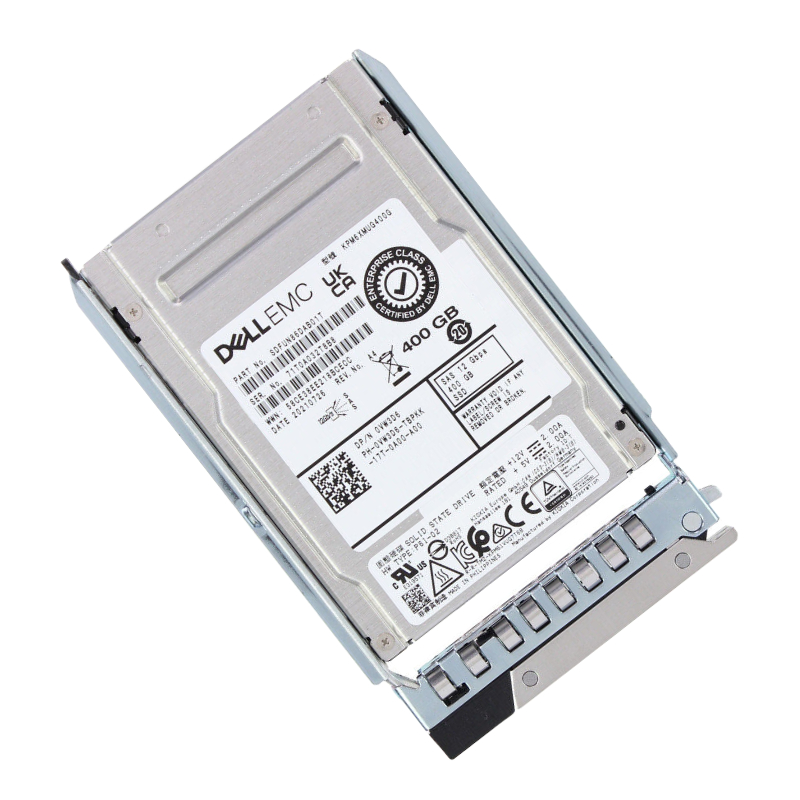


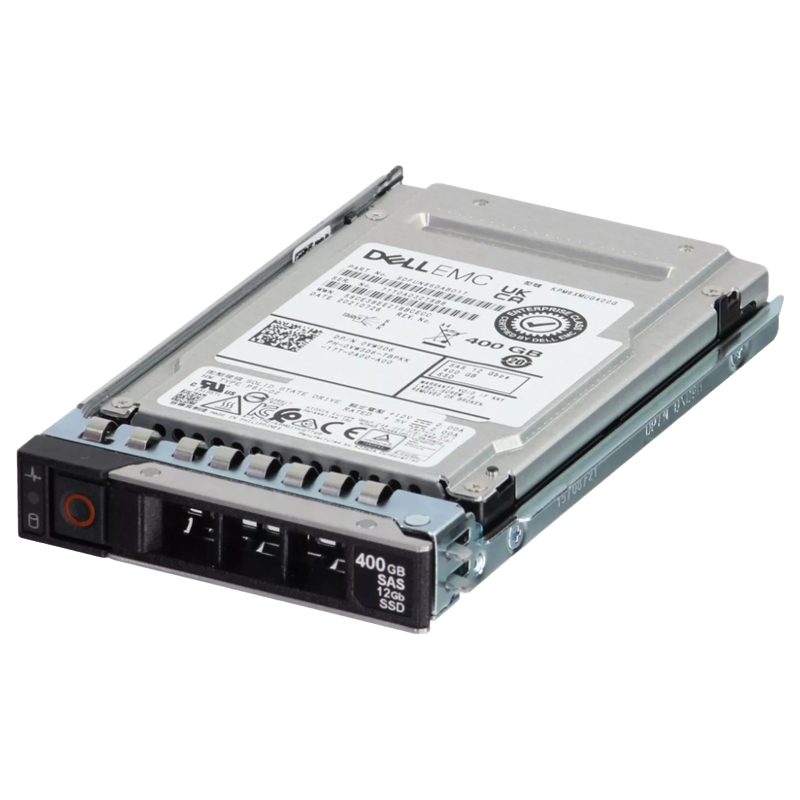
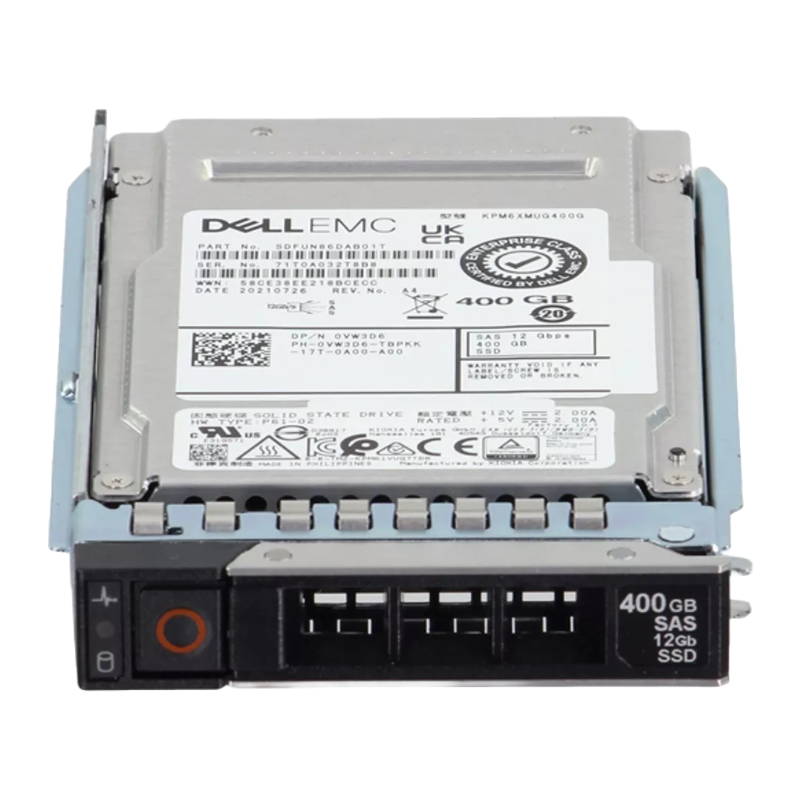
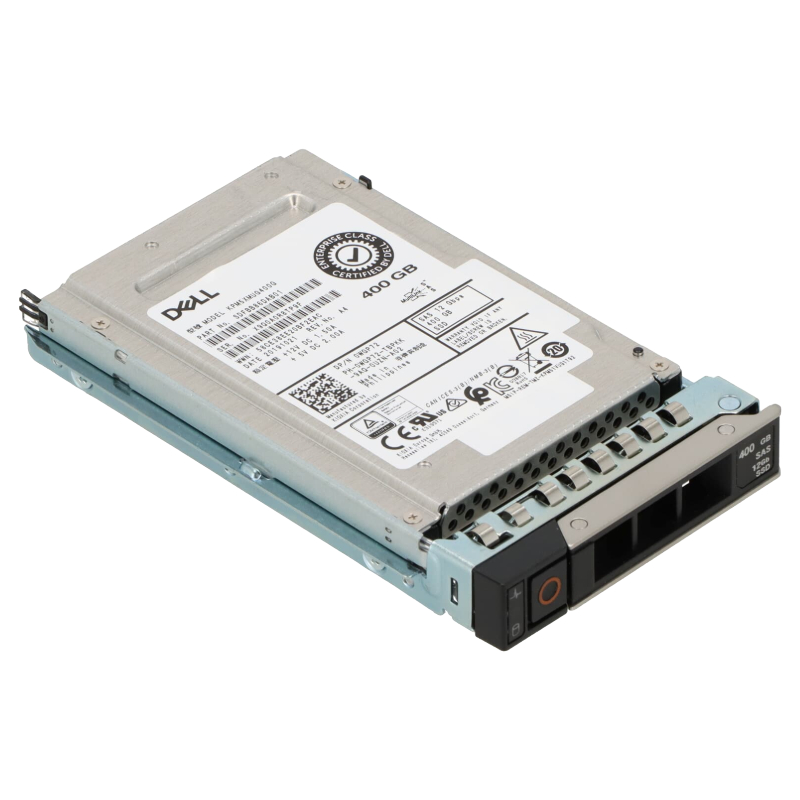
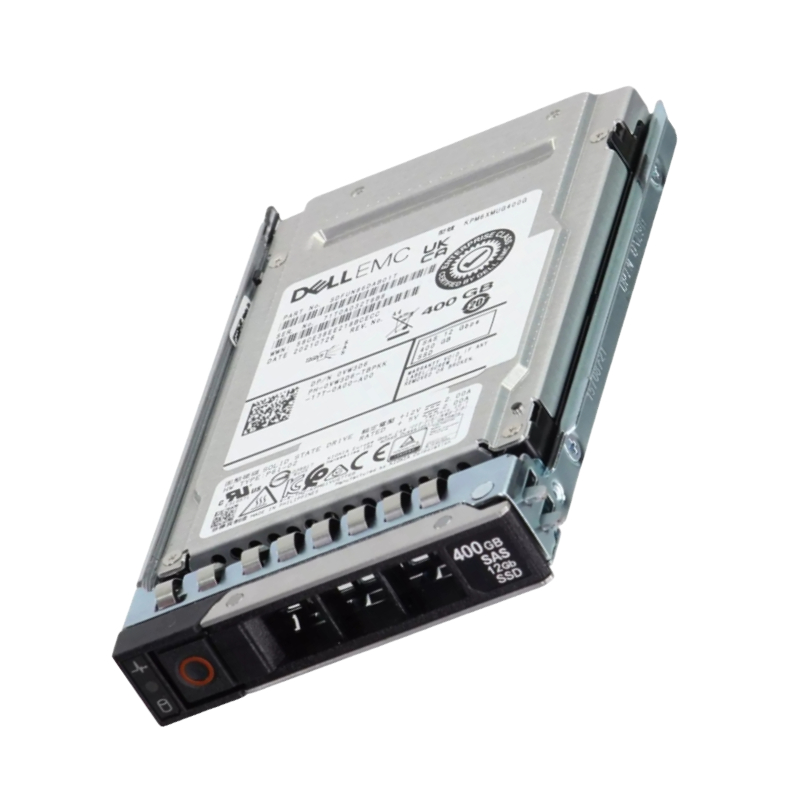
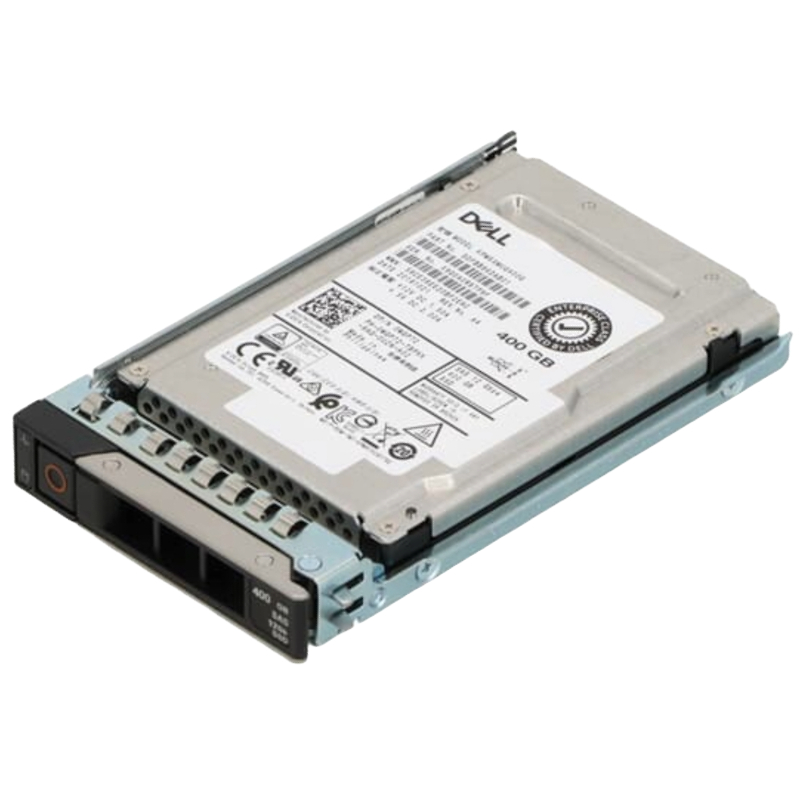
Dell 345-BCQU 400GB SAS 12GBPS TLC Hot-Plug SSD. Excellent Refurbished with 1 year Replacement Warranty
This drive is validated and certified for use in the following Dell PowerEdge enclosures and sleds. Confirm firmware compatibility with your server revision before deployment.
The Dell 345-BCQU 400GB SAS-12GBPS Write Intensive solid state drive represents a purpose-built storage solution for modern PowerEdge MX and XR server platforms. Engineered as a 2.5-inch hot-plug, Dell Certified SSD with BICS Flash 3D TLC media and a 10 DWPD (drive writes per day) endurance class, this drive balances high sustained write performance with enterprise-grade reliability. In this category description we explore the technical characteristics, typical deployments, operational advantages, and the long-term total cost of ownership considerations that make the Dell 345-BCQU an attractive option for data centers seeking predictable performance and certified compatibility with Dell PowerEdge infrastructures.
The Dell 345-BCQU is defined by several interlocking attributes that matter to architects and procurement teams: SAS 12Gb/s interface for robust multi-path connectivity and enterprise-class latencies; a 400GB nominal capacity that fits dense storage pools and caching roles; write-intensive rating with 10 DWPD endurance to support heavy transactional and log-intensive workloads; and BICS Flash 3D TLC NAND that combines higher density with controlled write amplification and strong error correction. As a Dell Certified Solid State Drive shipped with a mounting tray for PowerEdge MX and XR chassis, this product arrives ready for rapid insertion into existing server sleds and arrays with firmware and qualification consistent with Dell's support matrix.
This SSD category primarily addresses systems administrators, virtualization engineers, and IT procurement managers deploying database clusters, virtual desktop infrastructure, high-velocity logging platforms, and write-heavy application tiers. The 10 DWPD rating positions the drive ideally for primary database logging, caching layers in storage stacks, metadata stores, and any performance-sensitive application where frequent small writes and low tail latency are critical. Organizations with mixed workloads that combine reads and sustained writes will find the balance of endurance and capacity particularly useful where predictable performance under load is a priority.
Performance of the Dell 345-BCQU centers on its SAS-12Gb/s physical link and enterprise controller optimizations. In real-world deployments, sustained sequential writes and mixed random I/O patterns benefit from the drive’s write-optimization firmware, on-board DRAM or pseudo-SLC caching and robust wear-leveling algorithms. The SAS interface supports full-duplex communications, efficient multi-path I/O, and compatibility with SAN fabrics and controllers common in PowerEdge server installations. Under heavy write workloads, the drive’s 10 DWPD specification guarantees endurance across typical service windows, giving architects confidence in longevity and predictable replacement cycles for capacity planning.
Enterprise SAS SSDs are typically deployed where latency and IOPS determinism matter. The 345-BCQU delivers low and consistent latencies for both reads and writes compared to spinning disks, enabling faster transaction commits and reduced application queuing. For read-dominant workloads, the drive benefits from high IOPS headroom, while in write-intensive modes the drive’s firmware and NAND management help to smooth write bursts and maintain steady throughput. Systems utilizing multi-queue I/O and enterprise-class operating systems will see the most pronounced gains, particularly for database and transactional applications that require consistent quality of service.
Because it is optimized for datacenter environments, the drive’s thermal profile under heavy sustained writes is managed through firmware throttling and intelligent power scaling. In dense server configurations such as PowerEdge MX enclosures, attention to airflow, chassis fan policies, and ambient temperature will ensure the SSD remains within its optimal operating range. Administrators should profile their specific chassis and workload combinations to define appropriate thermal headroom and to avoid firmware-initiated performance degradations during extreme sustained activity.
Endurance is a central selling point of this category: the 10 DWPD rating signals that the drive can endure daily rewrites equal to ten times its capacity for the duration of its warranted service life. For a 400GB drive, this specification supports heavy-write applications without rapid wear-out. Reliability is reinforced by enterprise-grade wear-leveling algorithms, strong ECC (error-correcting code) strategies, and power-loss protection mechanisms designed to preserve in-flight data in the event of sudden power interruption. Dell certification implies that the drive’s firmware has been tested against PowerEdge platforms to ensure controlled behavior during server events like reboots, firmware updates, and backplane resets.
Critical data integrity features commonly found in this drive class include capacitive or supercapacitor-backed write caches and firmware-managed flushes to NAND that minimize the risk of data loss on power failure. While consumer drives may forgo such features, enterprise SSDs certified by system vendors generally include them to meet SLAs for databases, virtualization, and business-critical applications. The Dell 345-BCQU is tailored to integrate these safeguards with PowerEdge server power management, enabling consistent recovery behavior and predictable data durability.
Firmware on enterprise SSDs is the gatekeeper for resilience and performance. The 345-BCQU’s firmware offers telemetry endpoints accessible through SMART attributes and vendor-specific diagnostic tools, allowing administrators to monitor wear level, error rates, media temperature, and remaining useful life. Proactive monitoring tied into server management stacks can trigger replacement workflows before catastrophic failure, ensuring high availability. Dell certification typically includes defined SMART mappings and integration points for OpenManage and other server management utilities to extract and act on drive health metrics.
Physically, the 2.5-inch hot-plug form factor is designed for broad compatibility with modern PowerEdge drive bays and sleds. The inclusion of the Dell tray ensures straightforward insertion into PowerEdge MX and XR serviceable modules without mechanical adaptation. The SAS 12Gb/s interface supports backward compatibility with SAS controllers running at lower link speeds, while maintaining full feature support on 12Gb/s-capable backplanes. Compatibility with PowerEdge MX and XR models is a hallmark of the Dell Certified designation, meaning the drive has been validated across supported server firmware and backplane revisions to ensure correct signaling, enclosure management, and firmware upgrade behavior.
Hot-plug capability allows for field replacement without powering down the server in many supported configurations, which is essential for maintaining uptime in enterprise deployments. The drive tray and handle design conform to PowerEdge serviceability standards, helping technicians perform rapid swaps during maintenance windows. Because Dell-certified drives are commonly tied into vendor warranty and support options, using a certified part simplifies RMA interactions and reduces the risk of compatibility disputes during incident resolution.
SAS 12Gb/s drives are frequently deployed behind hardware RAID controllers and within storage arrays. The 345-BCQU is designed to interoperate with a wide range of enterprise SAS HBAs and RAID controllers used in PowerEdge configurations. RAID metadata handling, TRIM or UNMAP support where applicable, and recommended rebuild practices should be reviewed to optimize array rebuild times and to minimize endurance stress during large-scale rebuild activity. Storage architects should evaluate rebuild strategies and spare pool sizing to align with the drive’s endurance profile and workload patterns.
Mapping workloads to the Dell 345-BCQU category involves aligning write intensity, capacity needs, latency sensitivity, and serviceability. Typical deployment patterns include use as primary storage for write-heavy databases, dedicated log devices for database clusters, persistent cache layers for hybrid arrays, and local storage for hyperconverged nodes that require sustained write throughput. The relatively compact 400GB capacity can be multiplied across dense server nodes to create aggregated pools or used as a high-performance tier in tiered storage architectures where larger capacity HDDs handle bulk cold data.
In virtualized environments, the drive’s low latency and endurance make it suitable for hosting VM swap files, ephemeral container layers, and stateful services with frequent writes. Orchestrated platforms that generate periodic checkpoints or journaling activity will see improved responsiveness when such storage is placed on SSD tiers. Capacity planning in these environments should factor in write amplification from virtualization platforms and ensure that datastore provisioning follows best practices to avoid write hotspots that could stress individual drives unevenly.
Databases and analytics engines that perform high volumes of transactional writes—such as OLTP systems, time-series ingestion pipelines, and real-time analytics—benefit from the drive’s combination of endurance and low tail latency. Placing transaction logs and write-ahead logs (WAL) on these SSDs can dramatically reduce transaction commit latency and improve throughput stability. For analytics workloads that combine writes and heavy reads, the drive’s performance profile supports both roles when integrated into carefully balanced storage tiers.


 Contact Us
 Information
 Catalog
 Solid State Drives (SSD)
 Network Switches
 Hard Disk Drives
 HBA & Controllers
 PC & Servers
 PC & Server Memory
 CPU & Processors
 Network Routers
 Power Supplies
 Tape Drives & Libraries
 Network Devices
 Computer & Network Cables