(7% discount is applied at checkout)
Cart is empty
Your go-to destination for cutting-edge server products
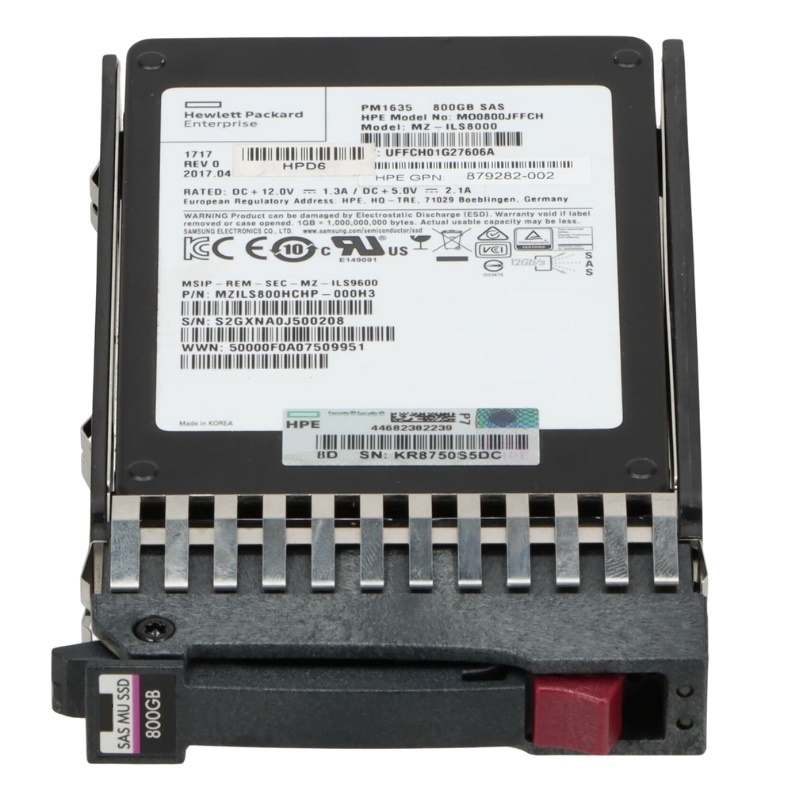


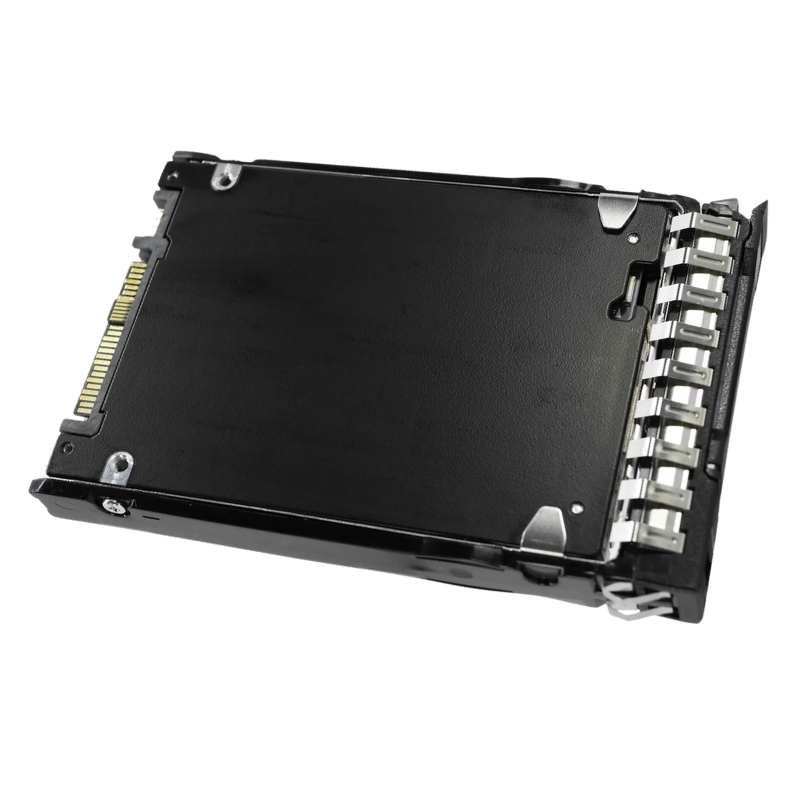
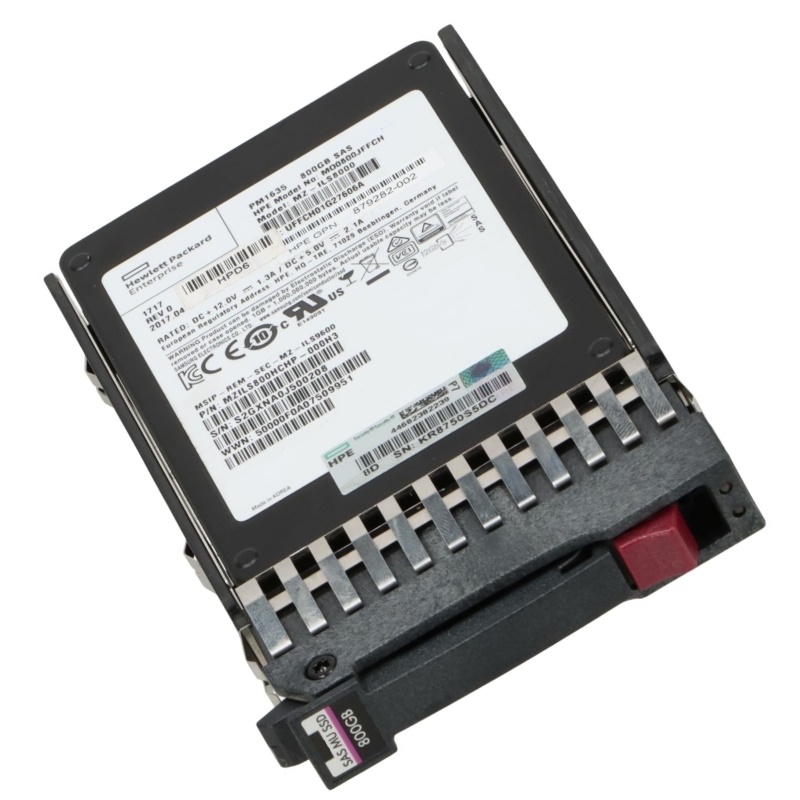
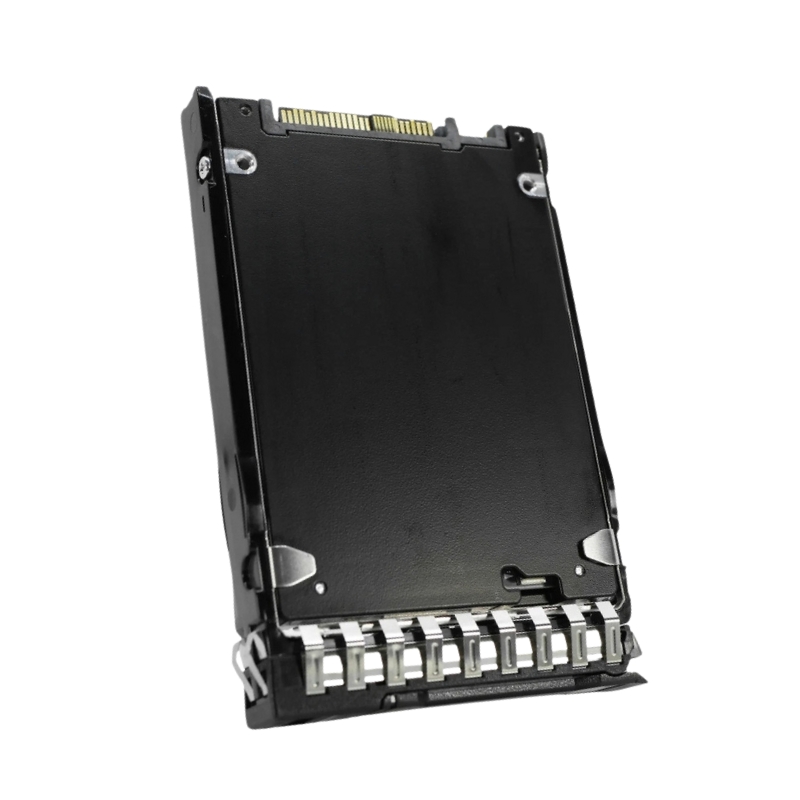
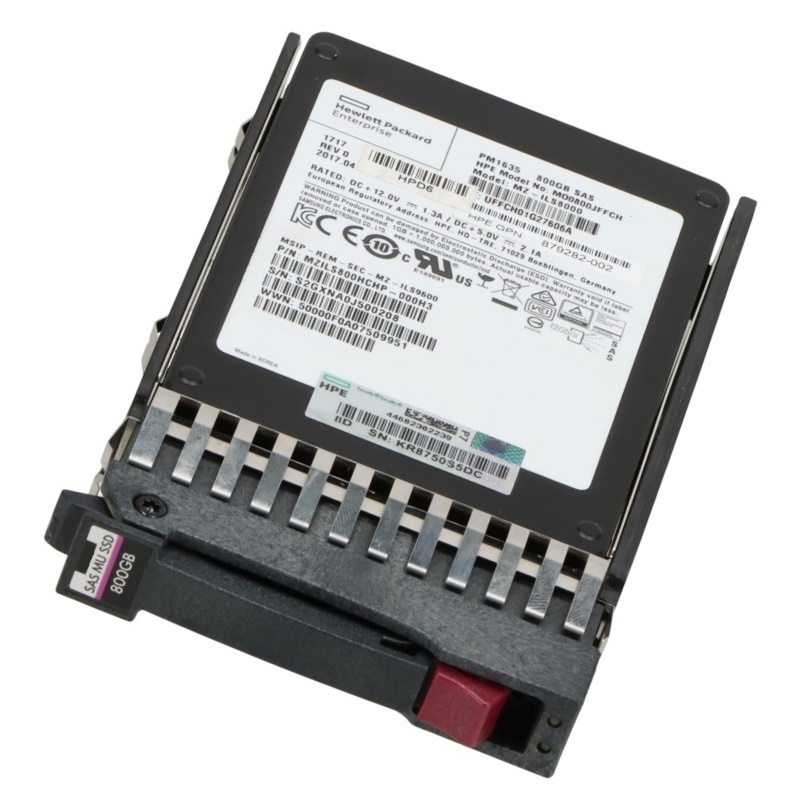
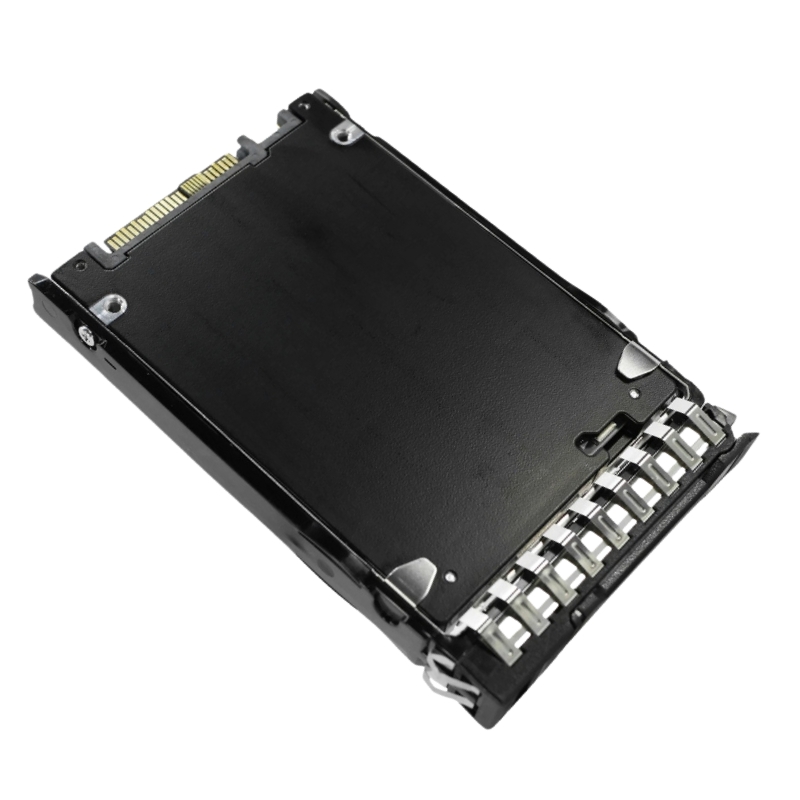
HPE P49745-001 SSD 800GB SAS-24GBPS SFF Mixed Use. Factory-Sealed New in Original Box (FSB) with 3 Years Warranty
High-performance, hot-swappable storage engineered for enterprise-class HPE ProLiant Gen10 Plus systems. This 800 GB solid state drive pairs durable TLC flash with a compact 2.5" SFF profile and a 15 mm height, delivering an optimal balance of throughput, IOPS and endurance for mixed workload environments.
The HPE P49745-001 800GB 2.5-inch SFF SAS-24Gbps Mixed Use BC Multi-Vendor Hot-Plug Solid State Drive with tray for HPE Gen10 Plus servers represents a high-performance, enterprise-grade storage option designed for modern data center workloads. This category page focuses on drives of this exact specification and closely related SKUs: 800GB capacities (and near-capacity siblings), 2.5" small form factor (SFF), SAS interface at 12Gb/s or 24Gb/s (here emphasized as SAS-24Gbps), mixed-use endurance profiles, multi-vendor/backward compatibility (BC) considerations, and hot-plug ready trays optimized for HPE Gen10 Plus server platforms.
The 2.5-inch SFF form factor strikes an ideal balance between high-density server storage and thermal/airflow design. In rack servers, SFF drives allow administrators to populate more drive bays per chassis compared to 3.5" options, increasing total usable capacity and IOPS per rack unit. For the HPE P49745-001 class, SFF trays are standardized to fit Gen10 Plus carrier slots, enabling easy insertion and removal without tools.
SAS at 24Gbps delivers robust throughput and enterprise features not always present in consumer interfaces. SAS controllers provide dual-port connectivity, better error recovery, advanced SCSI command support, and typically more predictable latency under sustained I/O. This makes SAS-24Gbps ideal for mixed-use SSDs expected to serve both read- and write-intensive workloads in virtualized environments, databases, and caching layers.
An 800GB capacity is often chosen when balancing cost-per-GB against performance and endurance requirements. In RAID groups, 800GB drives allow predictable rebuild times and manageable TBW (terabytes written) characteristics for mixed-use endurance profiles. They frequently appear in tiers where low latency is required but large bulk capacity is handled by HDD tiers or higher-density NVMe arrays.
The mixed-use designation indicates that the drive is engineered for workloads with a blend of reads and writes — for example, virtual desktop infrastructure (VDI), general-purpose database services, and mixed application servers. Manufacturers rate MU SSDs for a TBW or DWPD (drive writes per day) level that sits between read-optimized and write-intensive products. When planning capacity and expected write amplification, selecting the correct endurance class preserves warranty and ensures predictable lifecycle costs.
This category emphasizes drives sold with HPE-compatible trays and firmware compatibility statements. HPE Gen10 Plus servers use sleds and drive carriers that include backplane alignment, LED indicators, and mechanical latch points; drives bundled with the correct tray simplify deployment. Always verify firmware compatibility for full support: vendor firmware optimized for HPE hardware typically enables SMART attributes, drive health telemetry, and predictive failure alerts integrated into HPE management tools.
One of the defining features of this category is hot-plug capability. Hot-plug SSDs allow replacement or upgrade while the server remains online (subject to best practice procedures), drastically improving availability for critical services. Hot-plug trays with clear activity LEDs and secure latches further reduce human error during field swaps.
HPE P49745-001 class drives are commonly used as the performance tier in virtualization hosts — caching OS images, hosting VM boot volumes, and providing responsive IOPS to many small VMs. In hyperconverged infrastructures (HCI), mixed-use SSDs balance the needs of both storage and compute-centric workloads while enabling faster VM boot storms and better responsiveness for multi-tenant environments.
For OLTP databases with mixed read/write profiles, MU SSDs deliver the reduced latency and sustained IOPS necessary for consistent transaction throughput. They are also well-suited for write-intensive log files when used with appropriate RAID configurations and periodic background maintenance windows to manage rebuild loads.
In tiered storage, 800GB MU SSDs serve as an effective middle tier: faster than disk for hot data and more cost-effective than NVMe for larger capacity within the SAS domain. Policies can move cold data to HDD or object storage while keeping frequently accessed objects on the MU SSD tier.
RAID selection depends on desired tradeoffs among capacity efficiency, fault tolerance, and rebuild time. For mixed-use SSDs:
SSD rebuild times are typically faster than HDDs, but dense enclosures with many drives still introduce rebuild risk. Design failure domains (chassis, rack, power bus) to minimize correlated failures and accelerate repair. Where possible, stagger firmware updates and maintenance windows to avoid simultaneous interrupts to multiple drives in a logical RAID set.
Enterprise SSDs draw more power under sustained writes and can raise ambient temperatures in high-density trays. Ensure proper chassis airflow and that downstream cooling can handle peak drive power draw. Confirm power and thermal specifications for multi-vendor options to avoid overtaxing backplane power budgets.
For reliability, maintain recommended operating temperature ranges, avoid rapid thermal cycling, and plan for dust and particulate control. Drive health can be sensitive to prolonged exposure above max operating temperatures, which accelerates wear and increases failure probability.
Detail available SMART attributes (e.g., media wear indicator, uncorrectable error count) and explain how they integrate with HPE iLO and system health dashboards. Provide example alert thresholds and recommended action steps for thresholds that indicate approaching end-of-life.
Include numbers for operating temperature range, shock and vibration ratings, endurance (TBW), Mean Time Between Failures (MTBF) if available, and power consumption at idle and under load. These figures are important for capacity planning, thermal design, and rack-level power budgeting.


 Contact Us
 Information
 Catalog
 Solid State Drives (SSD)
 Network Switches
 Hard Disk Drives
 HBA & Controllers
 PC & Servers
 PC & Server Memory
 CPU & Processors
 Network Routers
 Power Supplies
 Tape Drives & Libraries
 Network Devices
 Computer & Network Cables