(7% discount is applied at checkout)
Cart is empty
Your go-to destination for cutting-edge server products
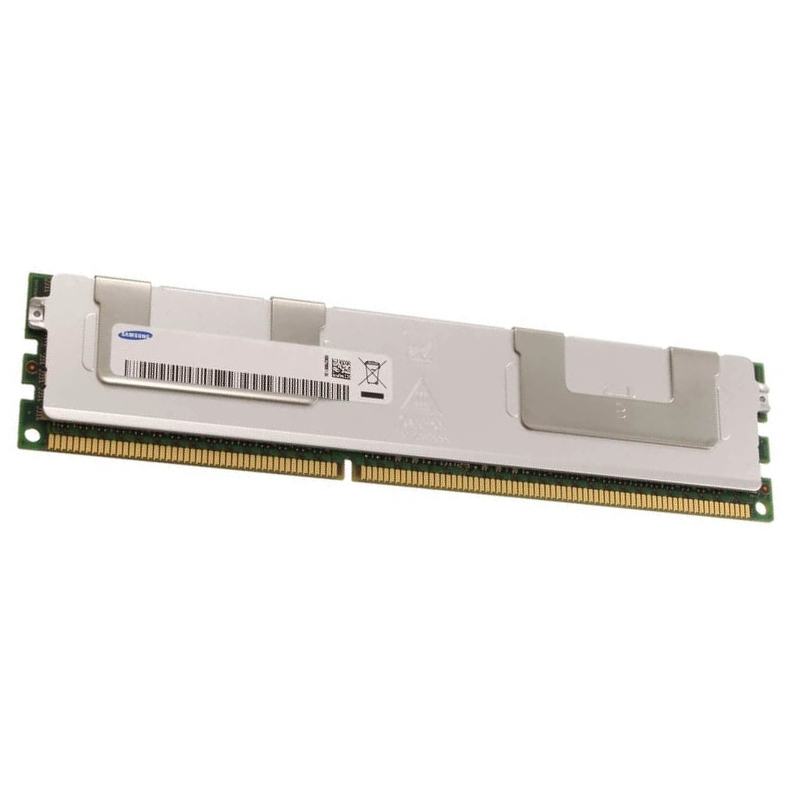


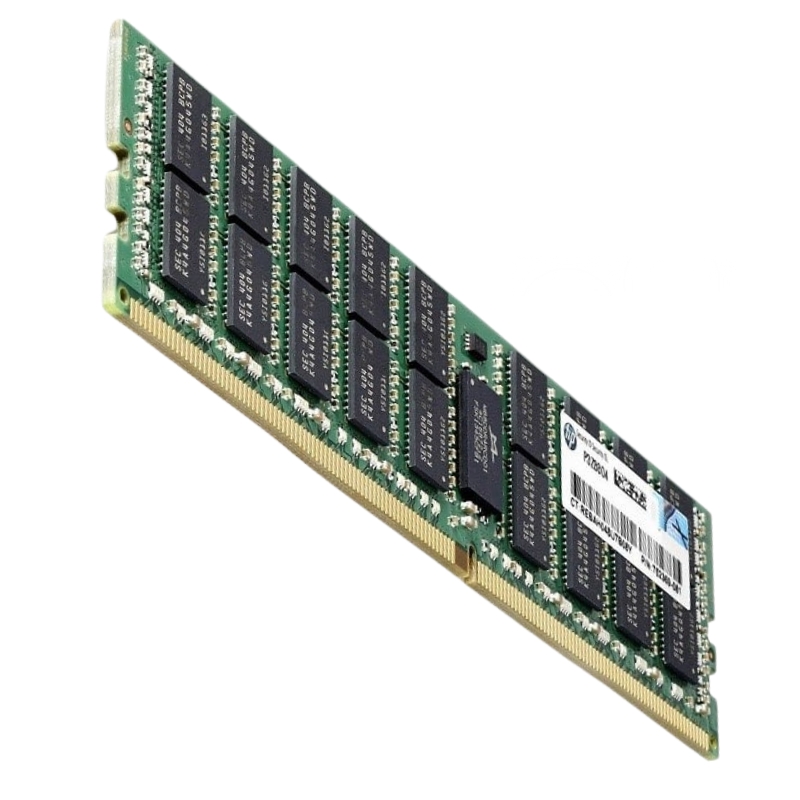
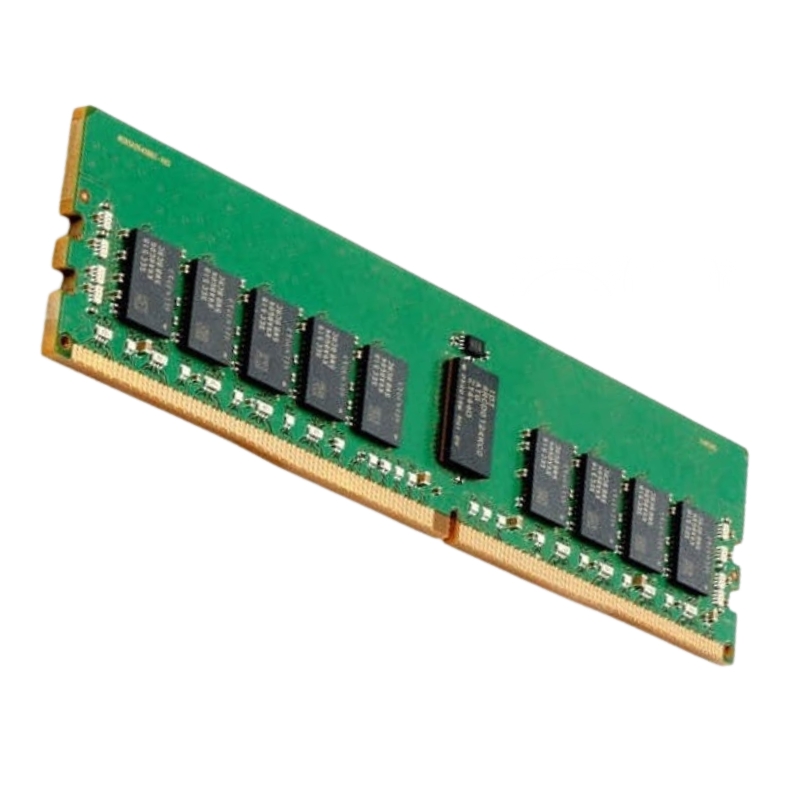
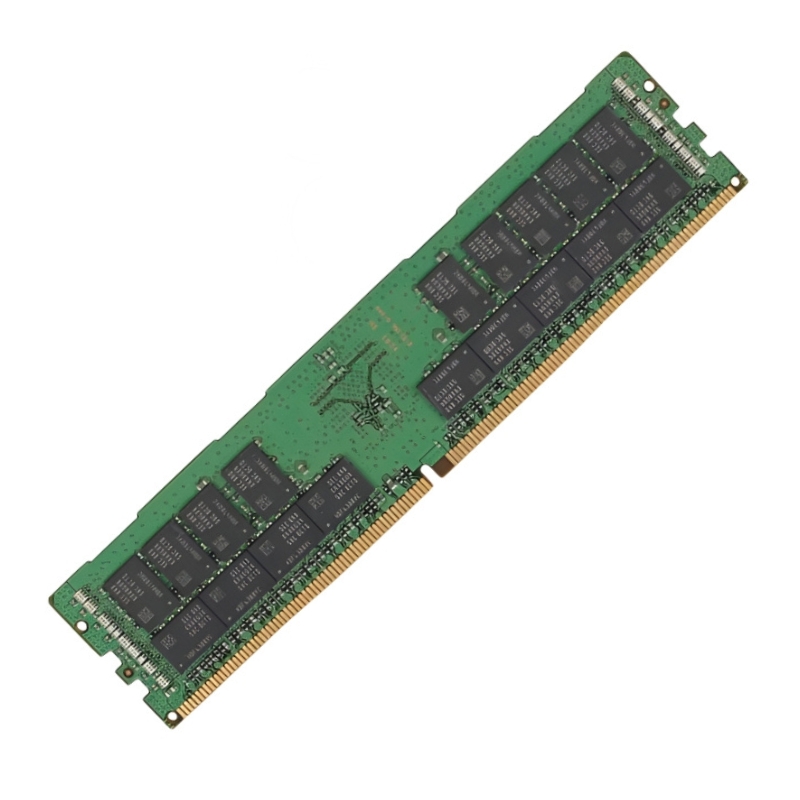
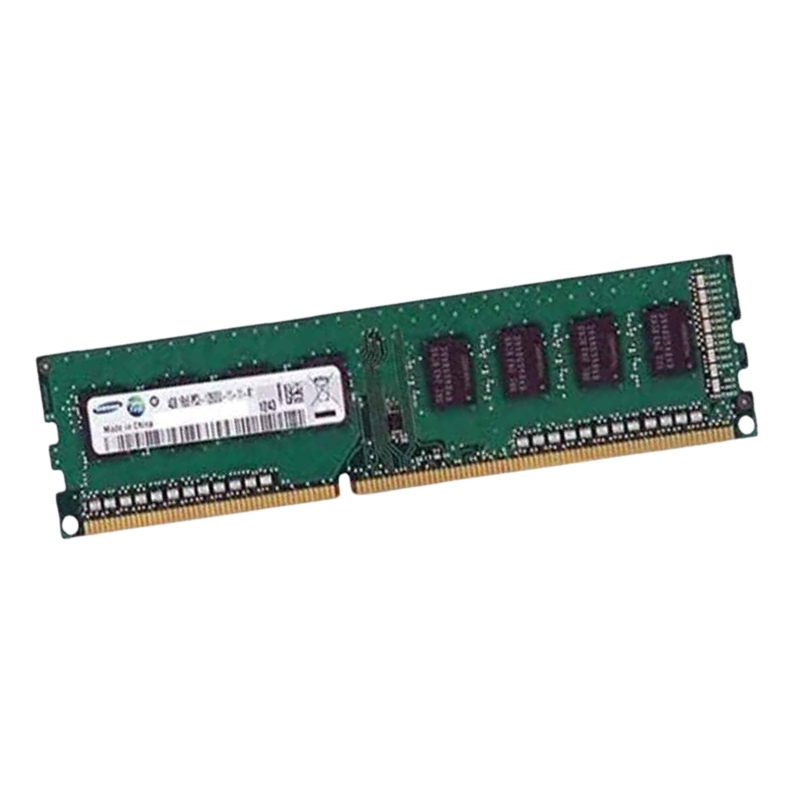
Samsung M392A4K40BM0-CRC0Q 32GB 2400Mhz Pc4-19200 Cl15 Vlp Ecc Registered Dual Rank X4 DDR4 SDRAM 288-Pin Dimm Memory for Server (1x32GB). New (System) Pull with 1 year replacement warranty
The Samsung M392A4K40BM0-CRC0Q 32GB DDR4 Registered Memory Module offers reliable performance and advanced features for enterprise-grade computing systems. Designed for speed and stability, this high-capacity RAM ensures smooth multitasking and optimized data processing.
The enterprise server memory category encompasses high-reliability DDR4 registered DIMM modules engineered for mission-critical computing environments where stability, data integrity, and predictable performance are mandatory. Products in this category are purpose-built for data centers, virtualization platforms, cloud infrastructures, and enterprise applications that demand consistent throughput under sustained workloads. The Samsung M392A4K40BM0-CRC0Q 32GB DDR4 RDIMM represents a specialized segment of this category, combining high-density memory architecture with registered signaling and error correction to support scalable server platforms.
Within the broader DDR4 SDRAM ecosystem, registered DIMMs occupy a distinct position. Unlike unbuffered modules commonly used in consumer desktops, RDIMMs incorporate a register between the memory controller and DRAM devices. This design reduces electrical load, allowing servers to populate more memory slots without compromising signal integrity. As server architectures continue to evolve toward higher core counts and increased memory capacity, RDIMM modules such as this Samsung VLP model remain foundational components.
DDR4 SDRAM technology builds upon earlier generations by increasing bandwidth while reducing operating voltage. Operating at a nominal 1.2 volts, DDR4 memory improves energy efficiency compared to DDR3, which is particularly important in large-scale server deployments where power consumption and thermal output directly affect operational costs. The PC4-19200 specification indicates a theoretical bandwidth of up to 19.2 GB/s per module, supporting balanced data flow for compute-intensive workloads.
The Samsung M392A4K40BM0-CRC0Q leverages advanced DDR4 architecture optimized for server-class memory controllers. Its 2400 MT/s data rate enables reliable performance across a wide range of enterprise applications, including database processing, virtualization, in-memory analytics, and enterprise resource planning systems. This category of memory is engineered to maintain signal stability and timing accuracy under continuous operation.
ECC memory is a defining feature of enterprise-grade RAM categories. Error Correction Code functionality enables the detection and correction of single-bit memory errors and the detection of multi-bit errors, significantly reducing the risk of data corruption. In environments where even a minor error can lead to application crashes, data inconsistency, or system downtime, ECC memory is essential.
The ECC capability in this Samsung RDIMM module aligns with industry standards for enterprise servers and workstations. It supports system-level reliability requirements by ensuring that memory errors are corrected transparently, preserving data integrity across long uptime cycles. This feature is particularly valuable in financial systems, healthcare databases, virtualization clusters, and scientific computing environments.
Registered DIMMs are specifically designed to support higher memory capacities per system. The register, or buffer, reduces the electrical load on the memory controller, enabling servers to operate with more populated DIMM slots. This design is critical in dual-socket and multi-socket server architectures where memory scalability directly impacts performance.
The Samsung M392A4K40BM0-CRC0Q belongs to a category of RDIMM memory that is widely supported by enterprise server platforms. Its registered design allows IT architects to scale memory configurations efficiently while maintaining system stability, making it suitable for dense virtualization environments and large in-memory workloads.
The very low profile, or VLP, form factor distinguishes this memory category from standard-height RDIMMs. VLP modules are engineered with reduced height to improve airflow and physical compatibility within compact server chassis. This design is especially relevant in high-density rack servers where thermal management and physical clearance are critical considerations.
By utilizing a VLP design, the Samsung M392A4K40BM0-CRC0Q supports optimized cooling paths within the server, helping to maintain consistent operating temperatures. This characteristic contributes to overall system reliability and longevity, particularly in data centers where servers operate continuously under load.
Thermal management is a central concern in enterprise memory categories. High-density servers generate significant heat, and memory modules must be designed to dissipate heat effectively. The VLP RDIMM category supports improved airflow by minimizing obstruction within the server chassis, allowing cooling systems to function more efficiently.
This Samsung memory module aligns with thermal design requirements commonly specified by server manufacturers. Its low-profile construction complements advanced cooling architectures, reducing the risk of thermal throttling and ensuring consistent memory performance.
Dual rank memory modules contain two sets of memory ranks that can be accessed independently. This architecture allows the memory controller to interleave access between ranks, potentially improving performance by reducing idle cycles. In server environments, dual rank RDIMMs are often preferred for their balance of capacity and throughput.
The Samsung M392A4K40BM0-CRC0Q is designed as a dual rank x4 module, which is particularly beneficial for enterprise workloads that require sustained memory access patterns. Dual rank configurations are widely supported by server platforms and are known for predictable performance characteristics.
The x4 DRAM organization refers to the width of each individual memory chip on the module. In x4 configurations, each chip contributes four bits to the data bus. This organization is commonly used in ECC RDIMM categories because it enhances error correction capabilities and aligns with enterprise reliability standards.
By utilizing x4 DRAM components, this Samsung memory module supports robust ECC functionality and meets the reliability expectations of server-grade systems. This design choice reflects a focus on data protection and long-term stability rather than consumer-oriented performance tuning.
A 32GB capacity places this RDIMM firmly within the mid-to-high capacity segment of the enterprise memory category. This capacity is well suited for modern server workloads that require substantial memory resources, such as virtualization hosts running multiple virtual machines or database servers managing large datasets.
Enterprise memory planning often involves balancing capacity, speed, and cost. The 32GB DDR4 RDIMM category provides a practical option for scaling memory configurations without excessive slot consumption. This allows IT administrators to optimize server designs for both current requirements and future expansion.
Memory scalability is a defining attribute of enterprise server memory categories. RDIMM modules like this Samsung model are designed to operate in multi-DIMM configurations, supporting large aggregate memory capacities per system. This scalability is essential for cloud service providers and enterprise data centers that require flexible resource allocation.
The compatibility of this memory category with industry-standard 288-pin DDR4 DIMM slots ensures broad platform support. Server administrators can integrate these modules into existing infrastructures with confidence, provided system specifications align with DDR4 RDIMM requirements.
Memory timing plays a critical role in determining real-world performance. The CL15 CAS latency of this module reflects a balance between speed and stability within the DDR4-2400 category. While lower latency can improve responsiveness, enterprise memory prioritizes consistency and reliability under sustained load.
The timing profile of the Samsung M392A4K40BM0-CRC0Q is optimized for server workloads that involve continuous data access rather than short burst operations. This makes it suitable for applications such as virtualization, transactional databases, and enterprise analytics platforms.
In enterprise environments, memory timing must align with CPU memory controllers and system firmware to ensure optimal performance. The DDR4-2400 CL15 specification is widely supported across multiple server generations, providing predictable behavior and minimizing compatibility issues.
This category of memory is designed to deliver consistent latency across diverse workloads, reducing performance variability and supporting service level agreements in managed environments.
Enterprise memory categories are subject to rigorous validation processes to ensure compatibility and reliability. Samsung, as a leading DRAM manufacturer, designs modules like the M392A4K40BM0-CRC0Q to meet stringent quality and testing standards. These modules undergo extensive testing for signal integrity, thermal stability, and long-term endurance.
Such validation is critical for enterprise deployments where memory failures can lead to costly downtime. By selecting memory from this category, organizations benefit from components engineered for continuous operation in demanding environments.
The Samsung M392A4K40BM0-CRC0Q 32GB DDR4 RDIMM fits into a wide range of enterprise use cases. Virtualization platforms benefit from its capacity and reliability, allowing multiple virtual machines to operate concurrently without memory-related instability. Database servers leverage ECC and registered design to maintain data accuracy under heavy transactional loads.
In cloud computing environments, this memory category supports scalable resource pools that can be allocated dynamically. High-performance computing applications also benefit from the consistent bandwidth and error correction provided by DDR4 RDIMM modules.
Modern server CPUs from major vendors are designed to work optimally with DDR4 RDIMM memory. The 2400 MT/s data rate and registered signaling of this Samsung module align with supported memory configurations across a broad range of enterprise platforms.
This compatibility ensures that system integrators and IT professionals can deploy these modules with confidence, knowing they conform to established server memory standards.
Data centers demand components that integrate seamlessly into standardized infrastructures. The 288-pin DDR4 RDIMM form factor ensures physical and electrical compatibility with enterprise server motherboards. The VLP design further enhances integration by supporting dense server layouts and efficient cooling strategies.
Memory modules in this category are designed to operate within the environmental conditions typical of data centers, including controlled temperature ranges and continuous airflow.
Within the broader DDR4 server memory ecosystem, the Samsung M392A4K40BM0-CRC0Q occupies a role focused on balanced performance, reliability, and physical efficiency. Its specifications align with common enterprise requirements, making it a versatile choice for a wide range of server configurations.
This category continues to be relevant in modern data centers, supporting workloads that demand dependable memory performance and scalable capacity without compromising system stability.


 Contact Us
 Information
 Catalog
 Solid State Drives (SSD)
 Network Switches
 Hard Disk Drives
 HBA & Controllers
 PC & Servers
 PC & Server Memory
 CPU & Processors
 Network Routers
 Power Supplies
 Tape Drives & Libraries
 Network Devices
 Computer & Network Cables