(7% discount is applied at checkout)
Cart is empty
Your go-to destination for cutting-edge server products
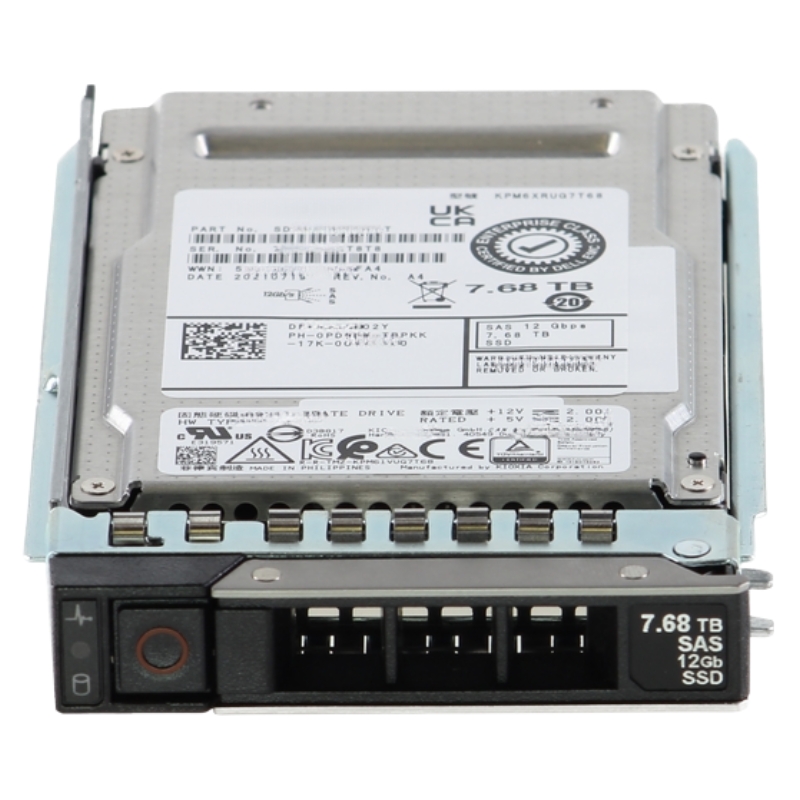


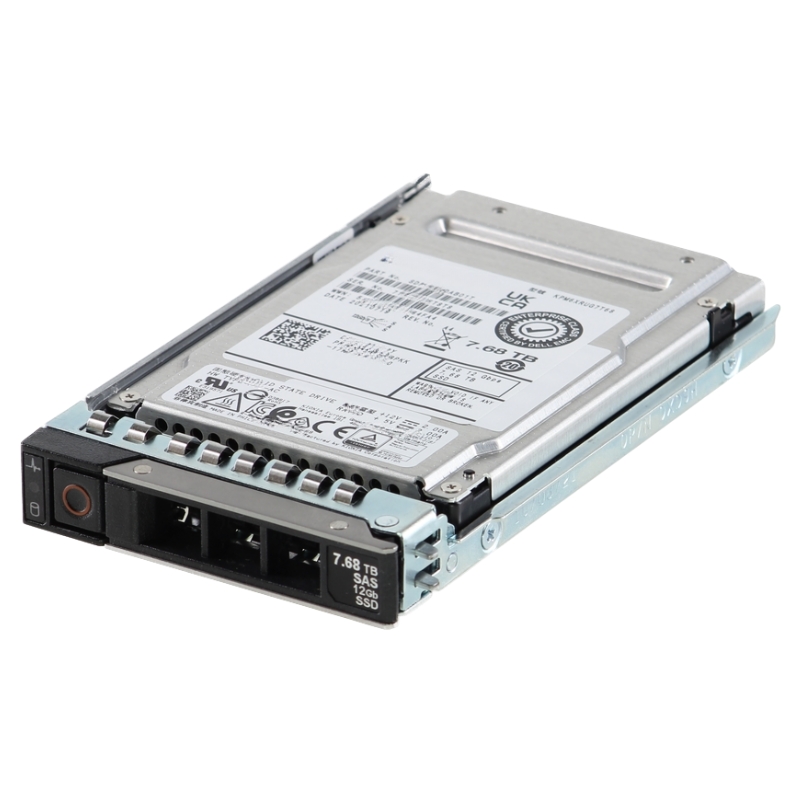
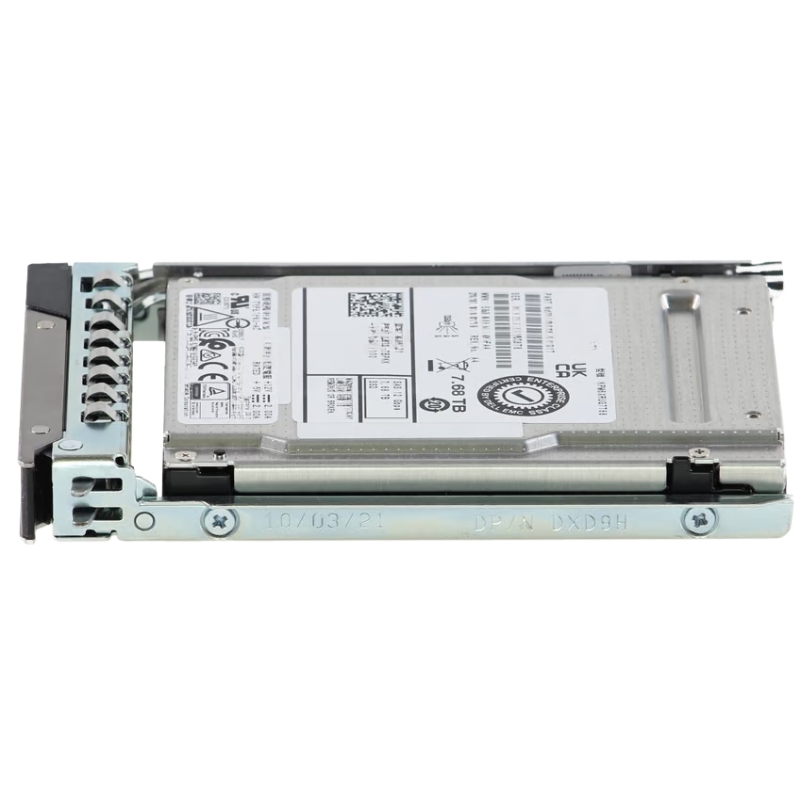
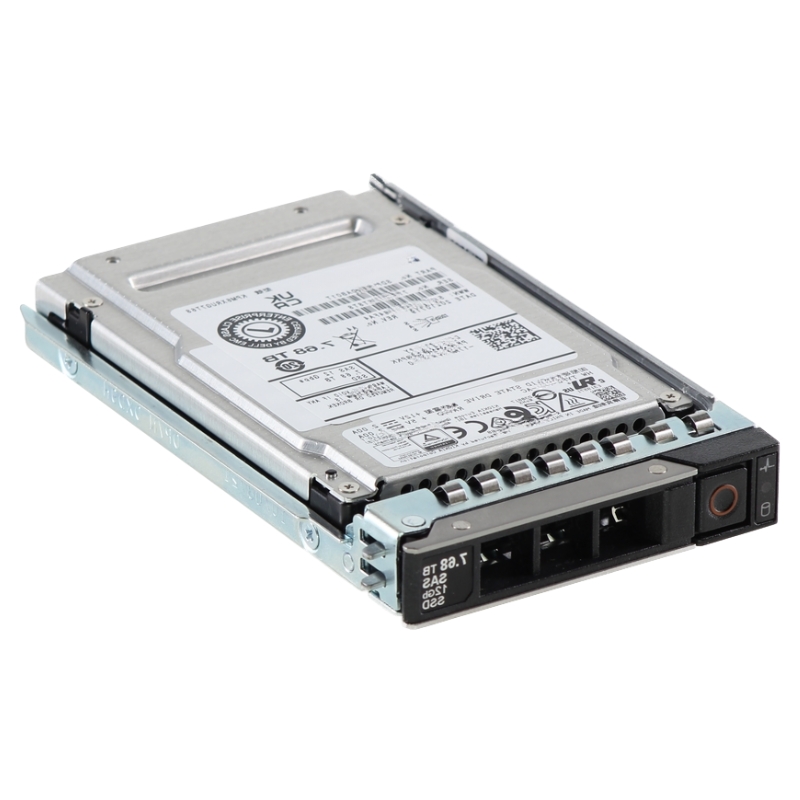
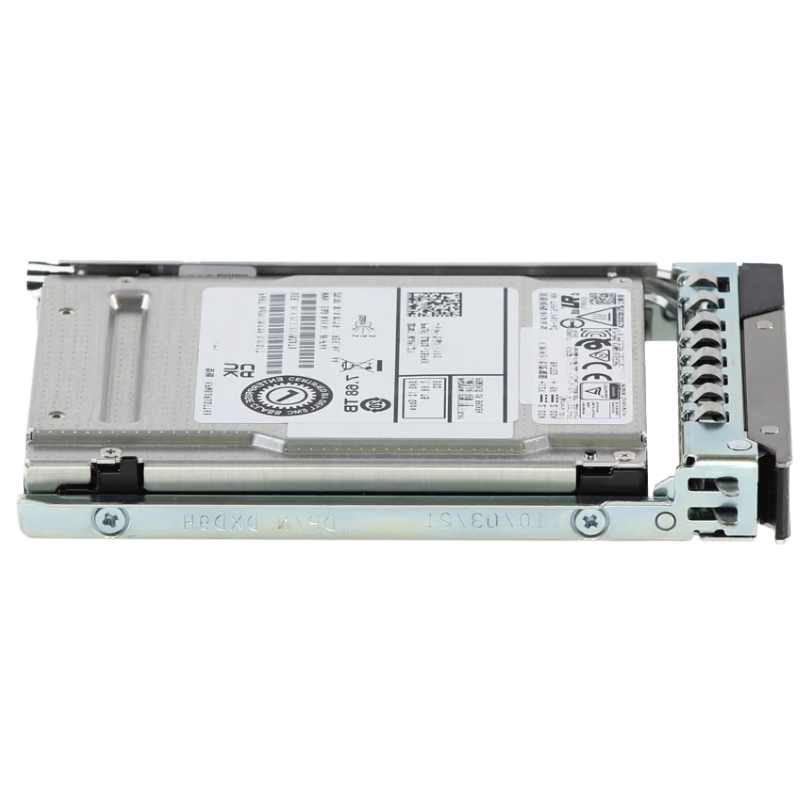
Dell 1Y2XJ 7.68TB SAS 12GBPS Read Intensive 1DWPD TLC Hot Plug Solid State Drive. Excellent Refurbished with 1 year replacement warranty
| SKU/MPN | Warranty | Price | Condition | You save |
|---|---|---|---|---|
| 1Y2XJ | 1 Year Warranty | $3,039.00 | New Sealed in Box (NIB) | You save: $1,063.65 (26%) |
| 1Y2XJ | 1 Year Warranty | Contact us for a price | Excellent Refurbished |
The Dell 7.68TB SAS-12Gbps Read Intensive Solid State Drive (SSD) is engineered for optimal performance and durability. This model features a 3.5-inch hybrid carrier designed specifically for 14G, 15G, and 16G PowerEdge servers.
Designed for enterprise storage arrays and demanding read-heavy workloads, the Dell 1Y2XJ 7.68TB SAS 12Gbps Read Intensive 1DWPD TLC Hot Plug Solid State Drive represents a category of high-capacity, low-latency, and durable flash-based storage solutions tailored to modern data center needs. This category emphasizes the balance between large usable capacity and optimized read performance, making it ideal for database indexing, caching tiers, virtual desktop infrastructure, content delivery, analytics platforms, and other applications where read I/O dominates.
At its core, the Dell 1Y2XJ category is defined by several differentiating characteristics: the use of SAS 12Gbps connectivity for enterprise-class reliability and throughput; TLC (triple-level cell) NAND configured and managed for read-optimized endurance; a specified endurance rating such as 1 DWPD (drive writes per day) which signals predictable longevity; and hot-plug capability for non-disruptive replacement in storage arrays and servers. Each of these attributes contributes to the category's positioning as an efficient, cost-effective alternative to higher-end write-intensive SSDs while offering substantially better random read performance and lower latency than spinning media.
The performance profile for a 7.68TB SAS 12Gbps read-intensive SSD centers on high sustained sequential and random read throughput combined with strong IOPS (input/output operations per second) at low latency. This makes drives in this category particularly suitable for workloads such as read-mostly databases, OLAP (online analytical processing), media streaming servers, web application caches, and large-scale content repositories. Architecture choices including advanced NAND management, on-drive caching algorithms, and enterprise-grade controllers help deliver consistent read performance even as capacity utilization grows.
Enterprises deploying Dell 1Y2XJ class drives often place them in tiers where rapid access to frequently read blocks is essential. Use cases commonly include database index storage, search engine indices, analytics hot-data pools, image and video serving layers, high-performance file services, and virtual machine boot or swap stores in VDI environments. In each scenario, the read-optimized characteristics reduce response times, improve user experience, and remove I/O bottlenecks that otherwise limit application scalability.
One of the most compelling attributes of the 7.68TB drive category is the high usable capacity in a compact 2.5-inch form factor (typical for enterprise SAS SSDs). This density enables data center architects to pack more usable storage into existing racks and enclosures, reducing the physical footprint and simplifying capacity planning. High-capacity drives can dramatically lower the number of spindles or SSD slots required, which in turn can reduce power consumption, cooling requirements, and total hardware overhead.
Reliability in this category is engineered through a combination of enterprise-grade components, firmware optimized for predictable behavior, and endurance specifications aligned with intended workloads. A 1 DWPD endurance rating means the drive can sustain one full drive write per day over its warranted lifespan without exceeding manufacturer-specified limits. For read-intensive deployments, this provides a comfortable margin that preserves NAND health and maintains predictable performance for years.
Enterprise SAS SSDs commonly specify MTBF (mean time between failures) values and include error-correcting mechanisms such as ECC (error-correcting code), power-loss protection capacitors, and end-to-end data path protection to maintain integrity. Drives in the Dell 1Y2XJ category are typically validated to perform reliably under mixed environmental conditions and heavy read-access patterns, and they support features designed to reduce the risk of silent data corruption.
Serial Attached SCSI (SAS) running at 12Gbps provides a robust, enterprise-focused interface for the Dell 1Y2XJ category. SAS 12Gbps delivers low-latency, full-duplex communication suitable for high-concurrency environments. The interface supports advanced features such as multi-pathing, robust error handling, and broad compatibility with enterprise RAID controllers, HBA cards, and storage arrays from multiple vendors. For organizations requiring predictable connectivity and mature ecosystem support, SAS remains a preferred interface.
Hot-plug support is essential for minimizing downtime in enterprise environments. Drives in this category are designed for safe insertion and removal while the host is online, enabling swift replacement in the field, either for maintenance, upgrades, or to respond to drive failures. This hot-swapability reduces mean time to repair (MTTR), supports zero-downtime maintenance windows, and enables simple scaling of storage capacity with minimal operational disruption.
High-capacity SSDs produce measurable heat at scale and require appropriate chassis airflow and power provisioning. System architects must consider power draw under peak load, sustained IOPS conditions, and any power-loss protection features that may briefly raise current draw during emergency flushing of volatile caches. Cooling considerations, including targeted airflow and thermal monitoring at the system level, will ensure consistent performance and help avoid thermal throttling that can reduce throughput under heavy workloads.
Because solid-state drives consume less energy per IOPS than spinning disks, deploying high-capacity SAS SSDs can reduce overall data center power consumption, especially when replacing large arrays of spinning media. Reduced power usage contributes directly to lower operational costs and can improve rack-level power density planning. When modeling total cost of ownership, organizations should factor in not only the purchase price but also energy, cooling, service, and replacement cycle costs.
Integrating Dell 1Y2XJ class drives into storage architectures requires attention to RAID levels, rebuild times, and storage controller features. Because SSDs rebuild faster than HDDs, array rebuild behavior changes and may require adjusted RAID rebuild policies or new erasure coding approaches to balance rebuild speed against overall system impact. Choosing the correct RAID level—whether RAID-5/6 for capacity efficiency or RAID-10 for performance and redundancy—depends on workload tolerance for rebuild duration and the desired tradeoff between usable capacity and resilience.
Rebuild scenarios with high-capacity SSDs can consume significant bandwidth. Storage administrators should plan for predictable rebuild behavior by staging spare drive policies, monitoring rebuild progress, and ensuring that controller firmware can throttle or prioritize rebuild traffic to prevent service degradation to active workloads. Robust monitoring and alerting are essential to detect drive anomalies early and to initiate maintenance actions that minimize exposure to multi-drive failure windows.
Enterprise storage controllers and HBAs should be validated with the target SSD model. Best practices include verifying queue depth handling, ensuring firmware compatibility between host and drive, using vendor-qualified drivers, and enabling features such as TRIM or UNMAP if supported by the array to reclaim unused blocks and maintain long-term performance. Vendors may publish validated compatibility matrices; consulting these resources helps avoid interoperability pitfalls during deployment.
Security features in enterprise SAS SSDs can include hardware-based encryption, secure erase capabilities, and support for TCG Opal or other industry encryption standards. These features help organizations meet regulatory requirements and protect sensitive data at rest. Secure erase functions allow sanitization of drives before redeployment or disposal, and hardware encryption reduces performance overhead compared with software-only encryption.
Where compliance is required, hardware encryption integrated into the drive can significantly simplify key management when used with enterprise key management systems. Storage architects should verify the encryption standards supported by drives in this category and align them with organizational policies for key escrow, rotation, and auditability. Proper configuration ensures that data remains protected without introducing unnecessary latency.
Organizations should choose SAS read-intensive SSDs when they require: integration with existing SCSI/SAS arrays, hot-plug serviceability in common enterprise enclosures, predictable behavior under heavy concurrent read workloads, and cost-efficient high capacity. NVMe is often preferred for the absolute lowest latency and maximum parallelism at the host level, while SATA may be chosen for budget-constrained, low-performance tiers. The Dell 1Y2XJ class fills the gap for enterprise teams seeking balanced cost, capacity, and proven SAS ecosystem support.


 Contact Us
 Information
 Catalog
 Solid State Drives (SSD)
 Network Switches
 Hard Disk Drives
 HBA & Controllers
 PC & Servers
 PC & Server Memory
 CPU & Processors
 Network Routers
 Power Supplies
 Tape Drives & Libraries
 Network Devices
 Computer & Network Cables