(7% discount is applied at checkout)
Cart is empty
Your go-to destination for cutting-edge server products
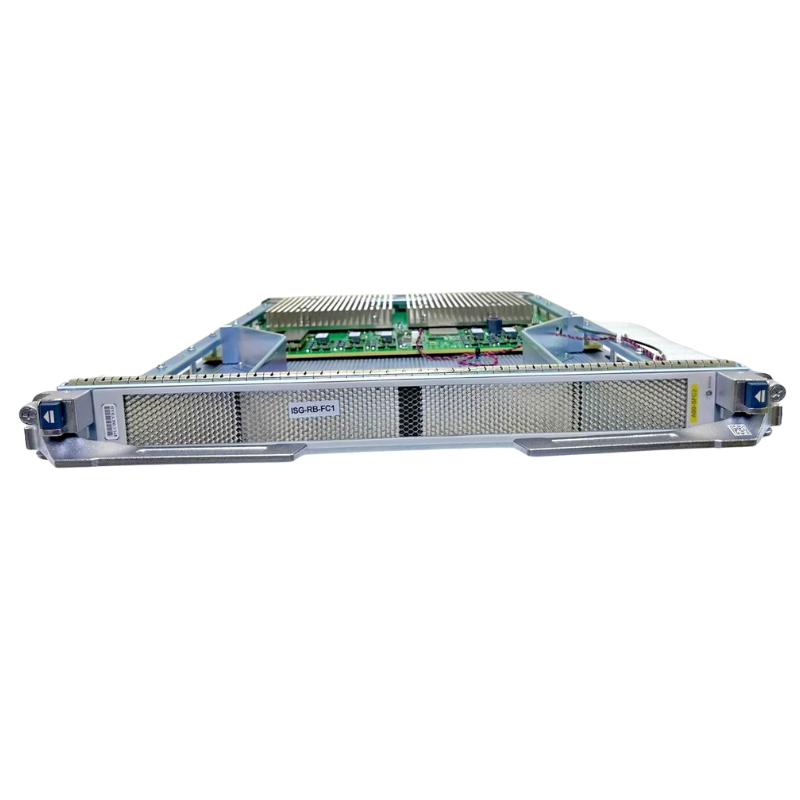


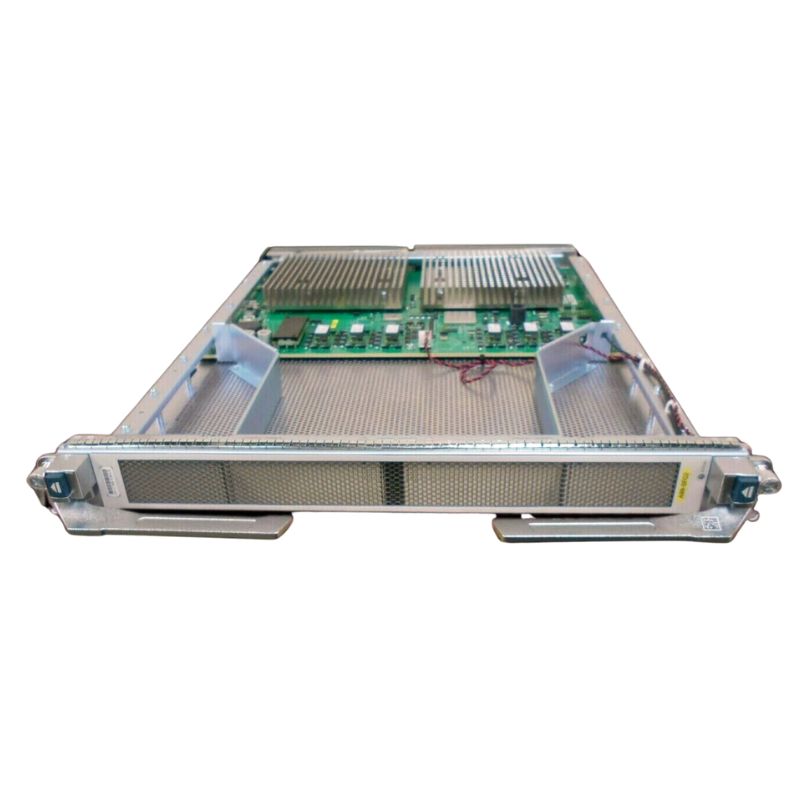
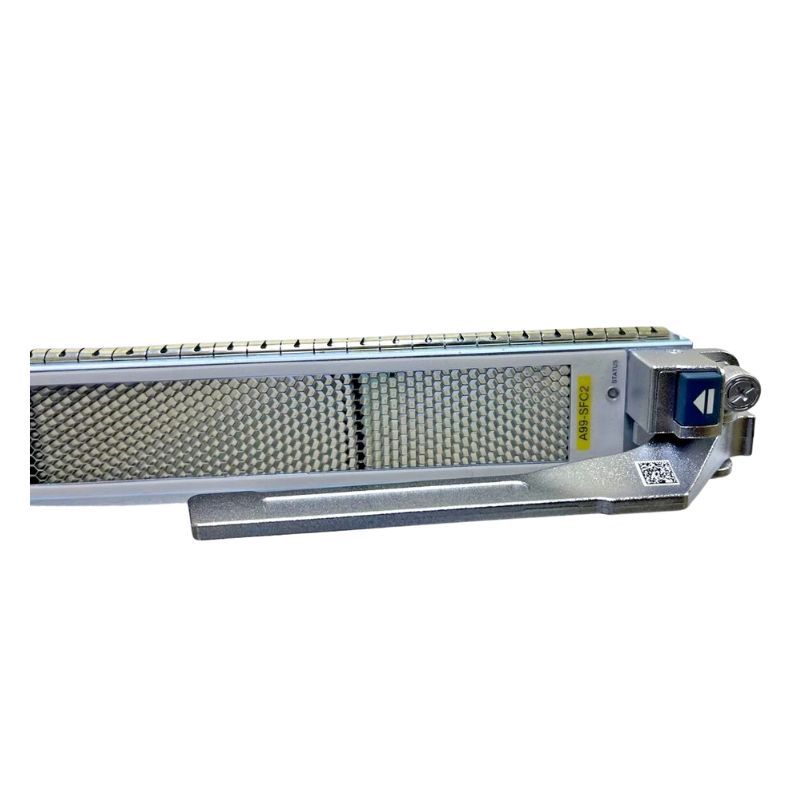
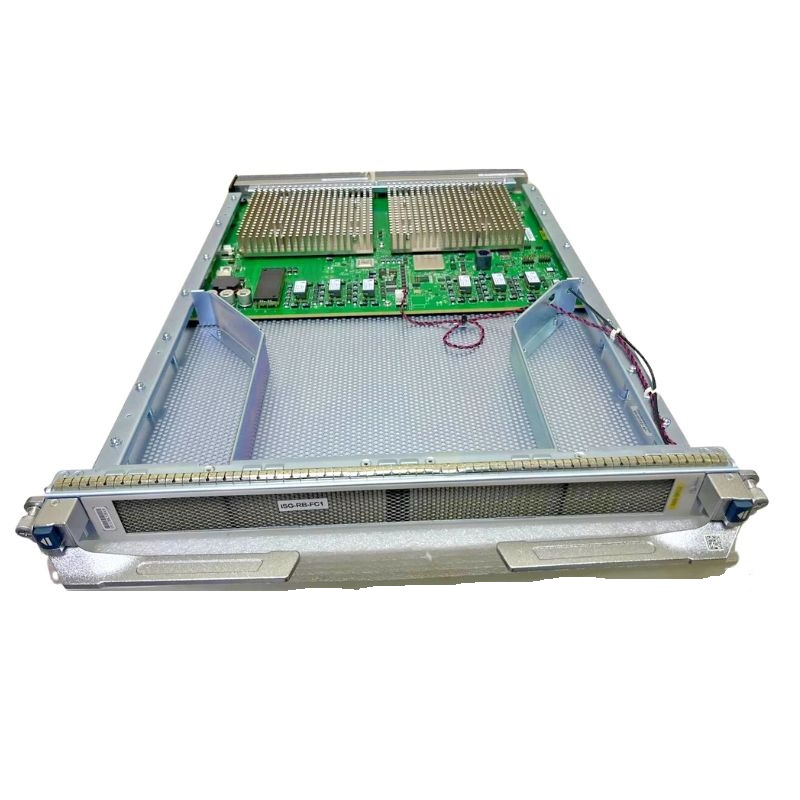
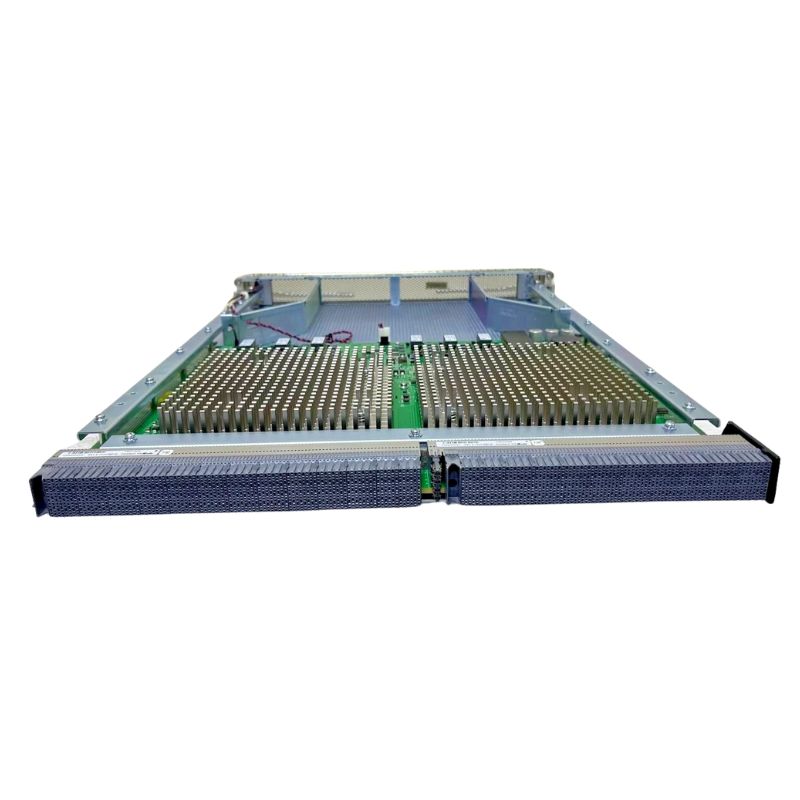
Cisco A99-SFC2 ASR 9900 Series Switch Fabric Module Plug-in Module. Excellent Refurbished with 1 year replacement warranty
| SKU/MPN | Warranty | Price | Condition | You save |
|---|---|---|---|---|
| A99-SFC2 | 1 Year Warranty | $465.00 | Excellent Refurbished | You save: $162.75 (26%) |
| A99-SFC2 | 1 Year Warranty | $3,120.00 | Factory-Sealed New in Original Box (FSB) | You save: $1,092.00 (26%) |
The Cisco A99-SFC2 is a high-performance fabric module engineered for the ASR-9912 and ASR-9922 router platforms. Designed for carrier-grade networks, it delivers ultra-high throughput, fault-tolerant operation, and compliance with strict regulatory standards — making it ideal for service providers and enterprises that require resilient backbone switching.
This fabric module is specifically built to interoperate with Cisco ASR series routing chassis listed below.
The A99-SFC2 is designed explicitly for the multi-slot, large-scale chassis of the ASR 9912 (12 slots) and ASR 9922 (22 slots). Its primary function is to provide the non-blocking, full-mesh connectivity between all installed Route Switch Processors (RSPs) and Embedded Services (ES) or Trident-based line cards. It handles the data plane traffic, ensuring packets are efficiently moved from ingress to egress ports at multi-terabit speeds.
The module operates on a distributed forwarding architecture. While the RSP handles control plane functions (routing protocols, management), the actual packet forwarding is done by the distributed forwarding ASICs on the line cards. The fabric module's job is to shuttle packets between these cards with absolute efficiency and minimal delay.
Unlike older architectures with a centralized switch fabric card, the ASR 9000 uses a distributed fabric system. The A99-SFC2 modules work collectively; multiple modules are installed to create a redundant, aggregated fabric plane. This distribution eliminates single points of failure and allows capacity to be scaled by adding more fabric modules.
The A99-SFC2 utilizes high-speed serial interconnect technology, creating dedicated "fabric channels" to each line card slot. This design ensures consistent, predictable latency and massive bandwidth per slot, which is crucial for 100GbE, 400GbE, and future interface speeds.
The performance of the entire router is directly tied to the fabric configuration. Under-provisioning the fabric can create bottlenecks, limiting the throughput of high-density line cards.
The total available fabric bandwidth is not simply the sum of individual fabric modules. It is a function of the fabric modules, the RSP type, and the fabric connectivity to each line card. The system software (IOS XR) provides commands to monitor fabric utilization and ensure the plane is not oversubscribed.
Each line card has a maximum theoretical throughput. To achieve this throughput, sufficient fabric capacity must be present. For example, a fully loaded 36-port 100GbE line card requires a massive amount of fabric bandwidth. Deploying the correct number of A99-SFC2 modules is essential to unlock the full potential of such cards.
Oversubscription occurs when the aggregate bandwidth of all active ports on all line cards exceeds the total fabric capacity. While some oversubscription may be acceptable in certain deployment models (where not all ports run at full line rate simultaneously), core and peering routers typically aim for a non-blocking or minimally oversubscribed fabric. The A99-SFC2's scalable design allows network architects to right-size the fabric to their specific traffic profiles.
For service provider and cloud environments, system uptime is paramount. The A99-SFC2 is designed with this critical requirement at its core.
The fabric system operates in an N+1 redundant mode. All active fabric modules share the load. If one module fails, its workload is automatically redistributed among the remaining N modules within seconds, with no interruption to data traffic. The failed module can then be hot-swapped without powering down the chassis.
Due to the critical nature of the fabric, replacement of an A99-SFC2 module must follow Cisco's prescribed procedures. While hot-swappable, the process involves verifying system state, preparing the chassis, and carefully removing/inserting the module. The system will automatically recognize the new module and integrate it into the fabric plane.
The distributed fabric architecture, enabled by modules like the A99-SFC2, is a key enabler for In-Service Software Upgrades on the ASR 9000. Because the control plane is separate and fabric operations are distributed, the system can upgrade its IOS XR software without disrupting forwarding plane traffic, a necessity for 99.999% availability.
The fabric module cannot operate in isolation. It requires:
A compatible ASR 9912 or ASR 9922 chassis.Compatible Route Switch Processors (e.g., RSP880, RSP820). The RSP generation can influence maximum supported fabric capacity.
Cisco IOS XR Software. The fabric is managed entirely by the operating system, and specific software versions may be required for optimal functionality or when used with newer line cards.
It is crucial to use identical fabric modules within a chassis. Mixing different fabric module types (e.g., an A99-SFC2 with an older generation fabric module) is not supported and will result in system errors. All fabric slots should be populated with the same module type for consistent performance and reliability.
The A99-SFC2 enables the ASR 9912/9922 to excel in the most demanding network roles.
At the heart of an ISP's national or global backbone, the ASR 9922 with a full complement of A99-SFC2 modules provides the petabit-scale switching capacity needed to aggregate traffic from thousands of links. The non-blocking fabric ensures low latency for latency-sensitive traffic like financial transactions or real-time communications.
When connecting massive data centers across metro or regional areas, the bandwidth demands are extreme. The fabric modules enable the router to handle hundreds of high-speed DCI links (100GbE, 400GbE) with deep buffers and advanced QoS, preventing congestion and packet loss.
At Internet Exchange points or as a cloud provider's gateway to the public internet, the router must handle full BGP tables from multiple peers and switch immense volumes of unpredictable traffic. The scalable fabric ensures that peering with additional partners or upgrading line card ports does not require a chassis overhaul.


 Contact Us
 Information
 Catalog
 Solid State Drives (SSD)
 Network Switches
 Hard Disk Drives
 HBA & Controllers
 PC & Servers
 PC & Server Memory
 CPU & Processors
 Network Routers
 Power Supplies
 Tape Drives & Libraries
 Network Devices
 Computer & Network Cables