(7% discount is applied at checkout)
Cart is empty
Your go-to destination for cutting-edge server products
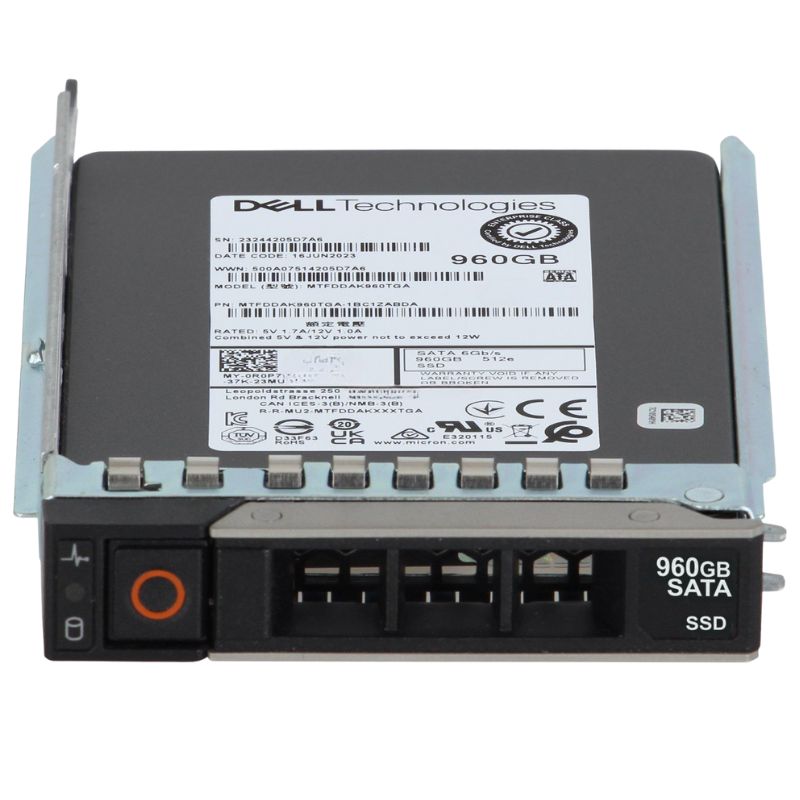


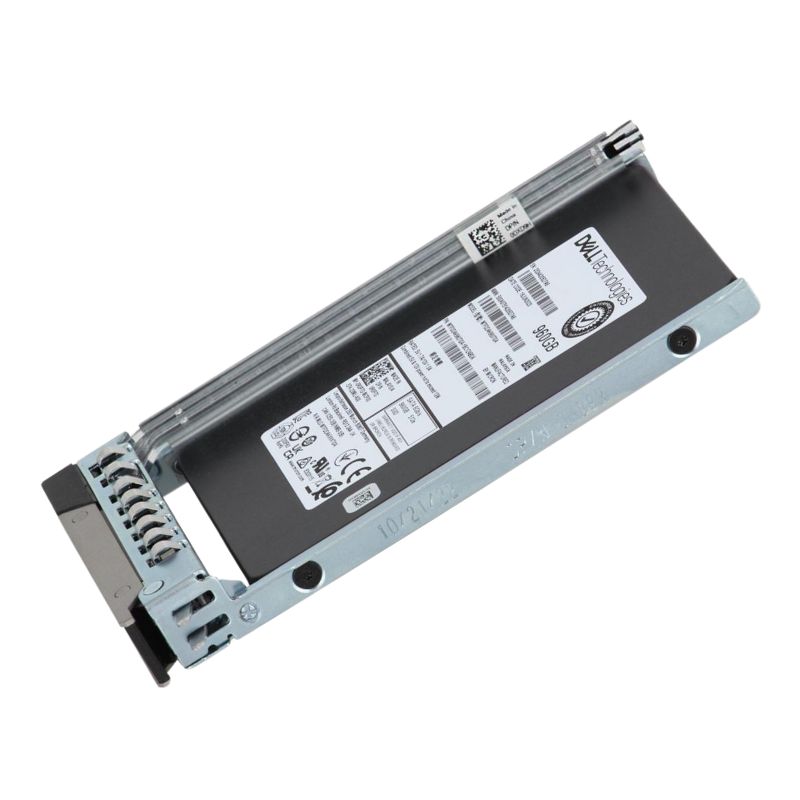
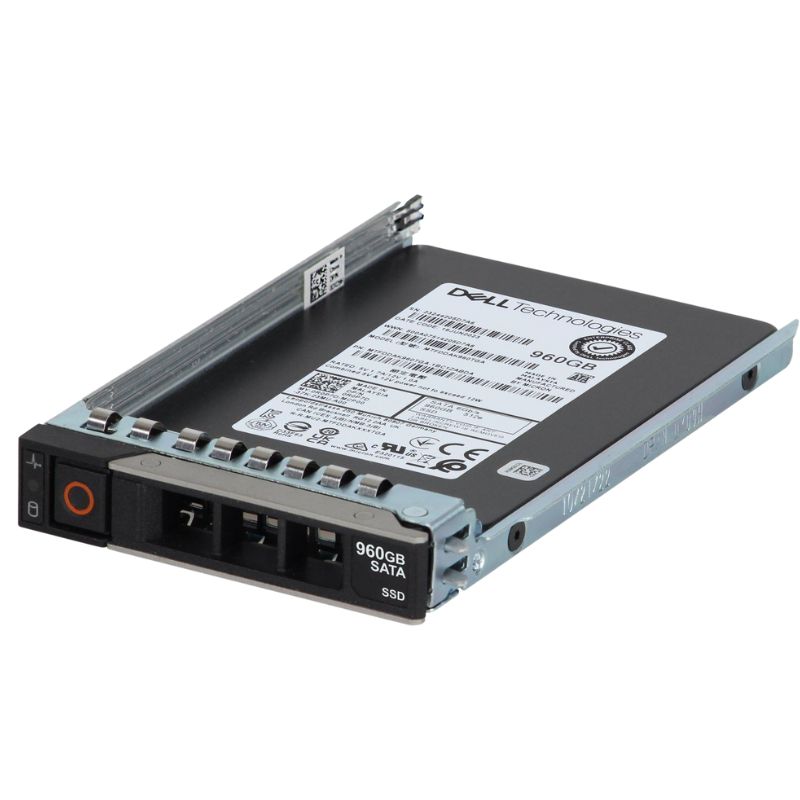
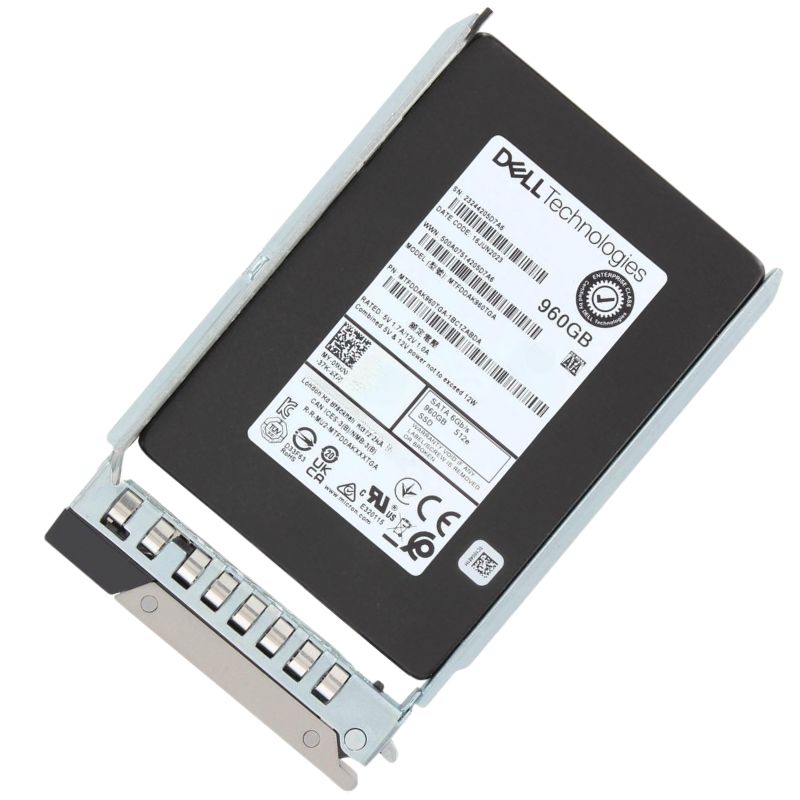
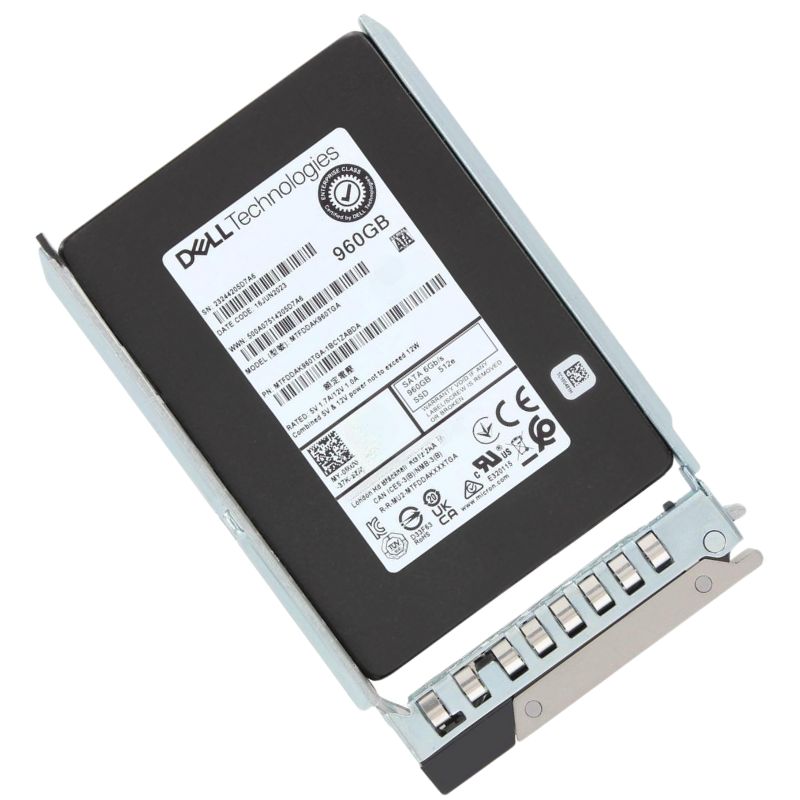
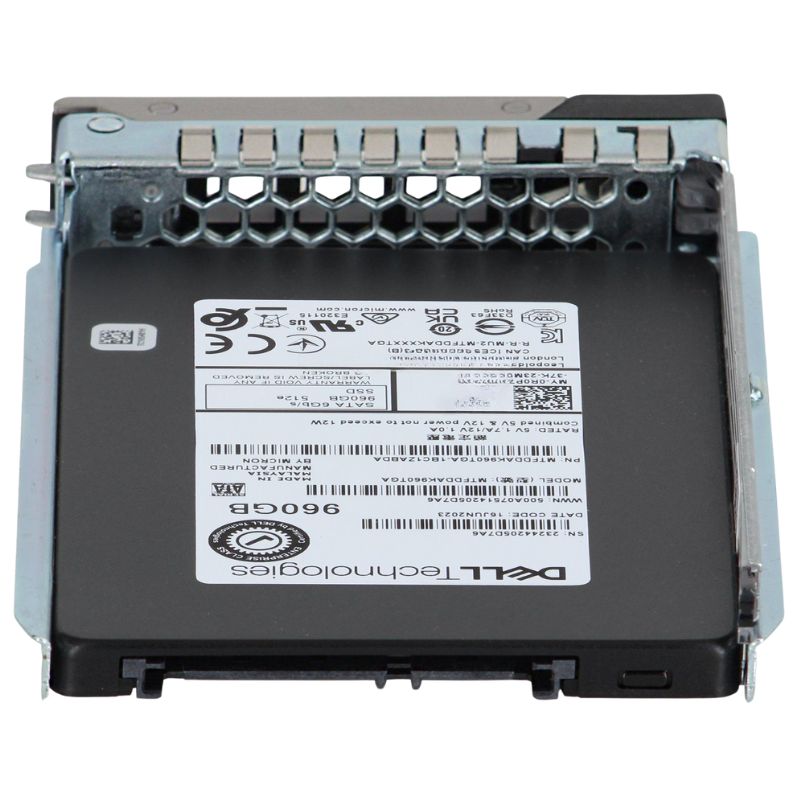
Dell 400-AZTW 960GB Solid State Drive SATA 6GBPS Mixed Use MLC Hot-plug Drive Hybrid Carrier. New Sealed in Box (NIB) with 1 Year Warranty
High-performance enterprise SSD engineered for mixed-use workloads and server-grade reliability. The Dell 400-AZTW 960GB is a hot-plug, 2.5-inch solid-state drive housed in a 3.5-inch hybrid carrier, delivering fast SATA 6Gb/s throughput and durable Multi-Level Cell (MLC) NAND for demanding data center environments.
Designed specifically for Dell PowerEdge 14th generation servers and related chassis. Verified to operate in the following systems and configurations:
The Dell 400-AZTW represents a sophisticated enterprise-grade solid state drive designed specifically for Dell PowerEdge 14th generation servers. This 960GB hybrid SSD combines cutting-edge MLC NAND flash technology with advanced SATA interface capabilities, engineered to deliver optimal performance in mixed-use enterprise environments. Unlike consumer-grade SSDs, this drive is built with enterprise reliability features including hot-plug capability, 512e formatting, and enhanced endurance characteristics that make it ideal for 24/7 data center operations.
This enterprise SSD features a 960GB capacity utilizing Mixed Use (MIXED) endurance rating with MLC (Multi-Level Cell) NAND flash technology. The drive operates on SATA 6Gb/s interface with 512e (512 byte emulation) sector formatting and supports hot-plug functionality for maintenance without system downtime. Designed specifically for Dell's 14th generation server platform, it delivers consistent performance under demanding workloads while maintaining enterprise-level reliability and data protection.
Multi-Level Cell (MLC) NAND flash technology represents the core storage medium in the Dell 400-AZTW hybrid SSD. Unlike consumer-grade TLC (Triple-Level Cell) or QLC (Quad-Level Cell) NAND, enterprise MLC stores two bits per memory cell while maintaining superior endurance and performance characteristics. This technology strikes an optimal balance between cost, capacity, and reliability for mixed-use enterprise applications. The MLC architecture in this drive is specifically engineered for write-intensive workloads while maintaining consistent read performance.
MLC NAND provides significant advantages for mixed-use scenarios commonly found in enterprise environments. With higher program/erase cycle endurance compared to TLC or QLC alternatives, MLC technology ensures longer operational lifespan under constant read/write operations. The Dell 400-AZTW leverages advanced MLC management algorithms including wear leveling, bad block management, and read disturb mitigation to maximize the inherent benefits of MLC technology while minimizing potential drawbacks.
The Dell 400-AZTW utilizes the SATA 6Gb/s interface, providing maximum theoretical transfer speeds of 600MB/s. While newer NVMe interfaces offer higher bandwidth, SATA remains a cost-effective, reliable solution for many enterprise storage applications. The SATA interface ensures broad compatibility with existing server infrastructure while delivering sufficient performance for most mixed-workload scenarios. The drive implements advanced SATA features including Native Command Queuing (NCQ) and hot-plug capability for enhanced operational flexibility.
This SSD employs 512e (512-byte emulation) sector formatting, which emulates traditional 512-byte sectors while physically using 4KB sector size. This approach maintains compatibility with older operating systems and applications while leveraging the efficiency benefits of larger physical sectors. The 512e implementation reduces write amplification, improves error correction efficiency, and enhances overall flash management compared to traditional 512n (native) formatting.
The "MIXED USE" designation indicates that the Dell 400-AZTW is engineered to handle balanced read and write operations typically found in enterprise server environments. Unlike Read-Intensive (RI) or Write-Intensive (WI) SSDs that optimize for specific workload patterns, Mixed Use drives provide balanced performance across diverse I/O patterns. This makes them ideal for applications with varying demand characteristics, including database operations, virtualization hosting, and consolidated server workloads.
With its Mixed Use endurance rating, the Dell 400-AZTW 960GB SSD delivers higher terabytes written (TBW) specifications compared to read-intensive models. The MLC NAND foundation combined with advanced wear-leveling algorithms ensures consistent performance throughout the drive's operational lifespan. Enterprise-grade over-provisioning further enhances endurance by maintaining spare capacity for garbage collection and wear leveling operations.
The Dell 400-AZTW maintains consistent I/O performance even under sustained heavy workloads, a critical requirement for enterprise environments. Unlike consumer SSDs that may throttle performance during extended write operations, this enterprise drive implements advanced thermal management and performance optimization algorithms to deliver predictable latency and throughput. The hybrid controller architecture ensures that both random and sequential I/O patterns receive optimal resource allocation.
Enterprise storage demands consistent Quality of Service with predictable latency profiles. The Dell 400-AZTW implements sophisticated QoS features including I/O prioritization, background operation management, and predictable garbage collection to maintain service level agreements. These features ensure that application performance remains consistent even during maintenance operations or periods of high contention.
The hot-plug capability of the Dell 400-AZTW enables drive installation, removal, and replacement without powering down the server system. This feature is essential for maintaining continuous operation in enterprise environments where uptime is critical. The drive implements proper hot-plug sequencing and electrical isolation to prevent issues during live insertion or removal. Combined with proper RAID configurations, this capability enables seamless maintenance and capacity expansion without service interruption.
Proper implementation of hot-plug functionality requires attention to several factors including proper grounding, insertion sequencing, and system recognition. The Dell 400-AZTW follows industry-standard hot-plug specifications and integrates seamlessly with Dell PowerEdge server backplanes. System administrators should follow proper procedures for drive removal including logical preparation through the operating system or management controller before physical extraction.
This enterprise SSD incorporates sophisticated Error Correcting Code (ECC) algorithms capable of detecting and correcting multi-bit errors. The ECC implementation works in conjunction with other data protection features including end-to-end data path protection and power-loss protection mechanisms. These features ensure data integrity throughout the complete I/O path from host interface to NAND flash media, critical for maintaining data consistency in enterprise applications.
Unexpected power loss represents a significant risk for data integrity in solid state drives. The Dell 400-AZTW implements comprehensive power-loss protection through multiple mechanisms including capacitive energy storage that provides sufficient power to complete in-progress writes and commit data from volatile buffers to non-volatile storage. This protection extends to both user data and critical metadata, preventing corruption during unplanned power events.
The Dell 400-AZTW is specifically validated and optimized for Dell PowerEdge 14th generation servers including R740, R740xd, T640, and other 14G platform models. This optimization extends beyond basic compatibility to include enhanced management integration, firmware compatibility, and performance tuning specific to Dell server architecture. The drive leverages Dell's proprietary management interfaces for comprehensive health monitoring and predictive failure analysis.
Deep integration with Dell's Integrated Dell Remote Access Controller (iDRAC) provides comprehensive monitoring and management capabilities. System administrators can monitor drive health, temperature, performance metrics, and predicted failure indicators through the iDRAC interface. This integration enables proactive maintenance and replacement planning, reducing unexpected downtime and data loss risks.
The Dell 400-AZTW maintains compatibility with a wide range of enterprise operating systems including Windows Server, various Linux distributions, VMware ESXi, and other hypervisor platforms. The drive's standard SATA interface and 512e sector formatting ensure compatibility without requiring special drivers in most cases. For optimal performance, Dell provides specific driver recommendations and firmware updates through standard support channels.
In virtualized environments, the Mixed Use characteristics of the Dell 400-AZTW provide balanced performance for diverse workload patterns typically encountered in consolidation scenarios. The drive's consistent latency profile and quality of service features make it well-suited for hosting multiple virtual machines with varying I/O requirements. Advanced queue depth optimization and interrupt handling further enhance performance in virtualized deployments.
The Dell 400-AZTW delivers excellent performance for database applications including SQL Server, Oracle, MySQL, and other database management systems. The Mixed Use endurance profile accommodates the combination of transaction log writes (sequential) and data page reads/writes (random) typical in database workloads. Consistent low latency ensures predictable query response times while the capacity point balances performance and cost for medium-sized database instances.
As storage for virtualization hosts, this SSD provides the consistent I/O performance required for running multiple virtual machines with varying workload characteristics. The 960GB capacity offers sufficient space for host operating systems, application VMs, and associated virtual disk files while maintaining performance headroom during contention periods. The drive's endurance characteristics accommodate the write-heavy patterns of virtual machine operation including snapshot operations and virtual disk writes.
The read-optimized performance characteristics of the Dell 400-AZTW make it well-suited for content delivery caching, web server storage, and other read-intensive applications that benefit from low-latency storage. While classified as Mixed Use, the drive's architecture provides strong read performance with sufficient write capability for cache updates and content refreshes. The capacity point aligns well with caching tier requirements for medium-scale deployments.
For application servers running business applications, ERP systems, or other enterprise software, the Dell 400-AZTW provides balanced performance for mixed I/O patterns. Application servers typically generate combinations of small random I/O for transaction processing alongside larger sequential operations for logging and data export. The Mixed Use designation ensures that neither read nor write performance is compromised for these diverse workload requirements.
Within Dell's enterprise SSD portfolio, the 400-AZTW occupies the Mixed Use segment between Read-Intensive (RI) and Write-Intensive (WI) models. Compared to RI drives, it offers higher write endurance and better sustained write performance at a slightly higher cost. Against WI models, it provides a more cost-effective solution for workloads that don't require extreme write endurance. This positioning makes it ideal for general-purpose server applications with balanced I/O characteristics.
The 960GB capacity represents a mid-range option within the Mixed Use product family, balancing performance characteristics with cost considerations. Larger capacity models typically offer slightly better performance due to increased parallelism across more NAND packages, while smaller capacities may provide lower absolute performance but better cost efficiency for specific applications. The 960GB point represents an optimal balance for many medium-duty enterprise applications.
Within the broader enterprise SATA SSD market, the Dell 400-AZTW competes with similar offerings from other major manufacturers. Key differentiators include Dell-specific integration and management features, validated compatibility with Dell server platforms, and comprehensive support through Dell's service organization. The use of MLC NAND provides endurance advantages over competitors utilizing TLC-based solutions in the same class.
The value proposition of the Dell 400-AZTW centers on its balanced performance characteristics, enterprise reliability features, and seamless integration within Dell server ecosystems. While NVMe solutions offer higher performance, the SATA interface remains relevant for many applications due to cost considerations and compatibility with existing infrastructure. The Mixed Use endurance profile ensures appropriate application across diverse workload scenarios without over-provisioning for specific I/O patterns.


 Contact Us
 Information
 Catalog
 Solid State Drives (SSD)
 Network Switches
 Hard Disk Drives
 HBA & Controllers
 PC & Servers
 PC & Server Memory
 CPU & Processors
 Network Routers
 Power Supplies
 Tape Drives & Libraries
 Network Devices
 Computer & Network Cables