(7% discount is applied at checkout)
Cart is empty
Your go-to destination for cutting-edge server products


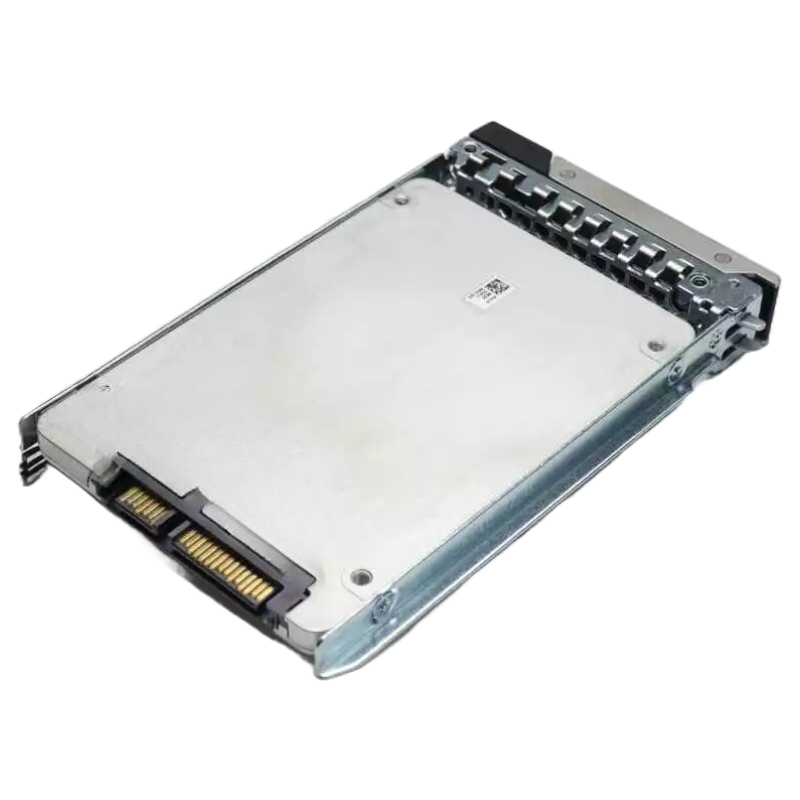
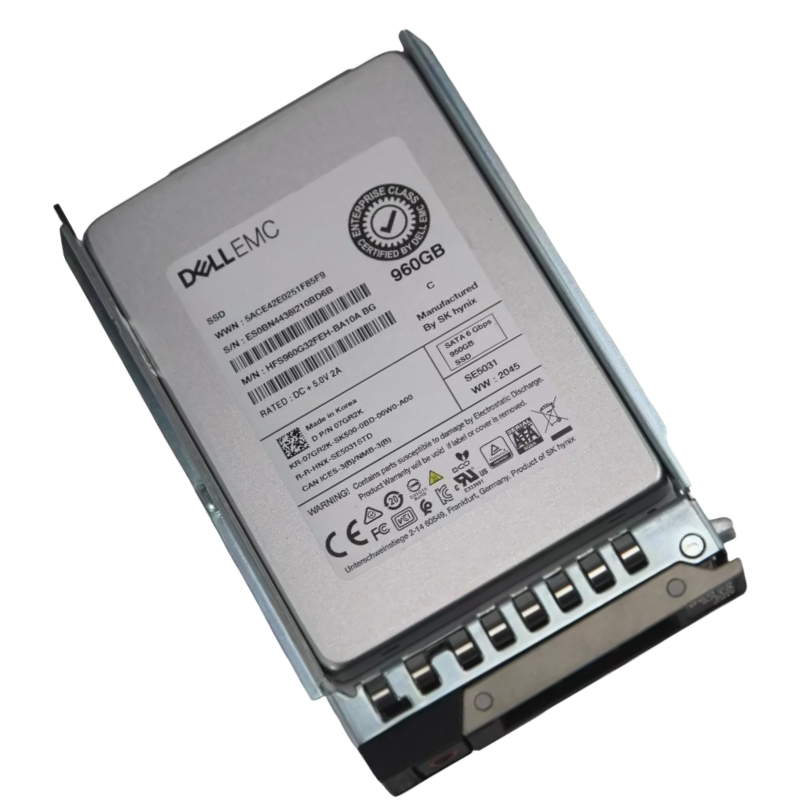
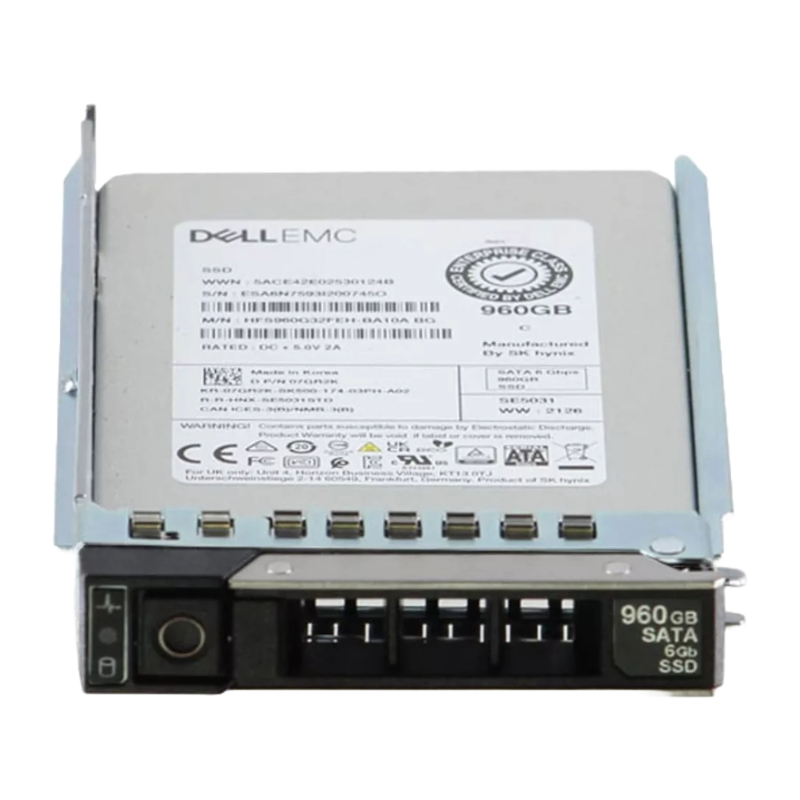
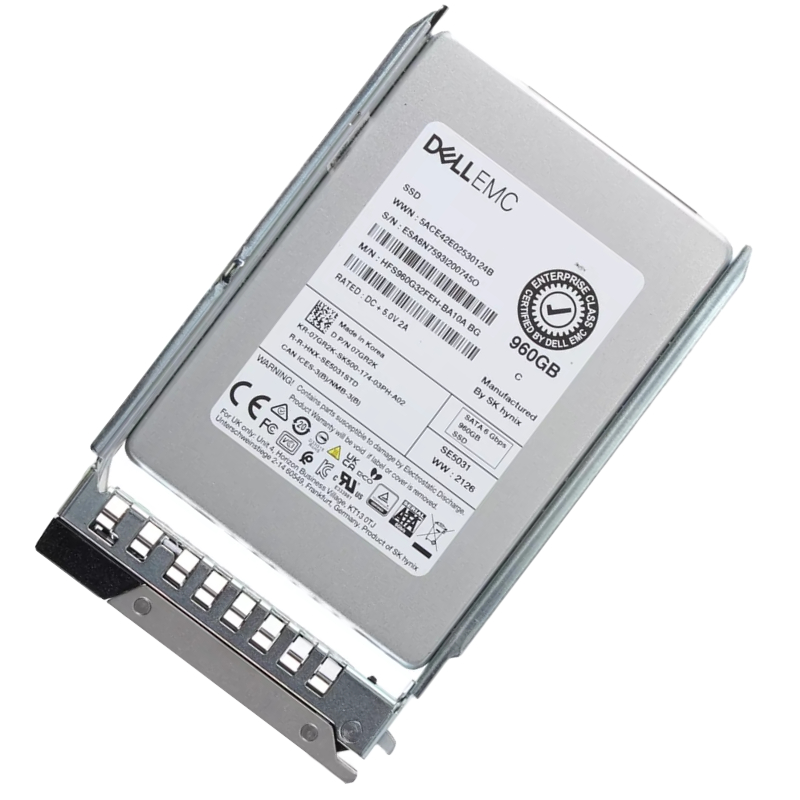
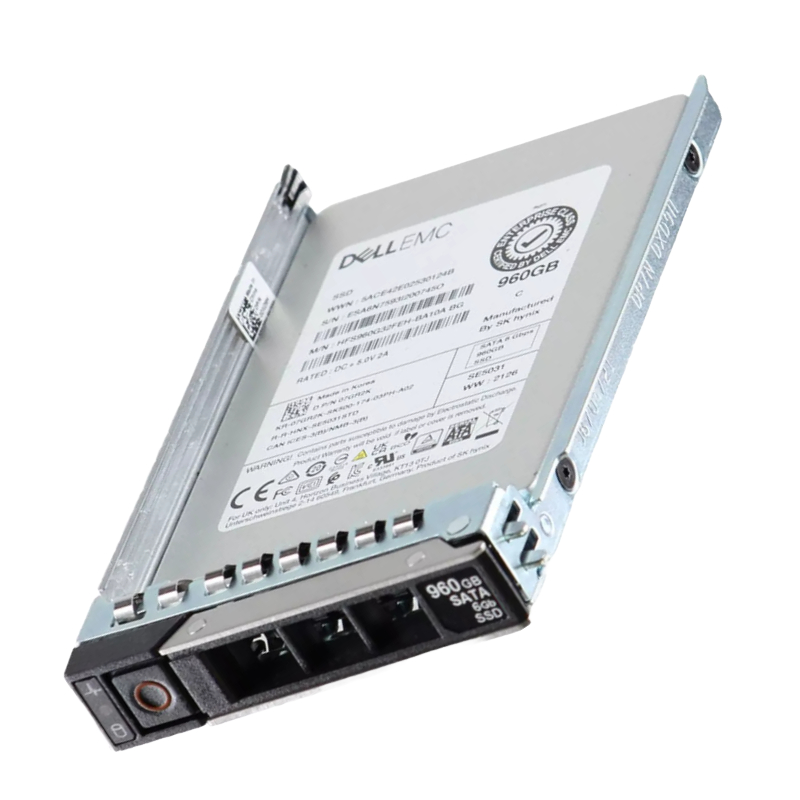
Dell 400-BEBG 960GB SATA-6GBPS Mixed Use 3DWPD 2.5-inch Hot-Plug SSD. Excellent Refurbished with 1 Year Replacement Warranty
The Dell 960GB Mixed Use 3DWPD TLC SATA 6Gbps 2.5-inch Hot Plug Solid State Drive is engineered for high reliability and consistent performance. Designed specifically for Dell PowerEdge MX and XR series servers, this enterprise-grade storage device ensures efficiency, speed, and endurance for demanding workloads. With advanced 3D NAND TLC technology and hot-plug support, it provides seamless integration and secure data handling in data centers and enterprise environments.
Designed for mixed-workload enterprise environments, the Dell 400-BEBG 960GB SATA-6Gbps Mixed Use 3DWPD 2.5-inch Hot-Plug Solid State Drive occupies a strategic position between consumer-grade SATA drives and high-end NVMe or SAS flash devices. Engineered to deliver consistent performance across a balanced mix of random reads, random writes, and sequential transfers, this 960GB SSD targets database servers, virtualization hosts, mail servers, and read/write intensive application tiers where endurance, reliability, and cost-per-gigabyte must be carefully balanced.
The drive’s 2.5-inch form factor preserves compatibility with the majority of rack and tower server bays, modular storage sleds, and universal drive carriers used in Dell PowerEdge platforms. The SATA-6Gbps interface ensures broad interoperability with legacy controllers and mid-range RAID adapters while delivering throughput that benefits many traditional enterprise workloads. Hot-plug capability allows service technicians to replace or upgrade storage without powering down the server, reducing downtime windows and simplifying maintenance workflows.
Endurance expressed as 3 Drive Writes Per Day (3DWPD) positions this SSD within a mixed-use endurance class: robust enough for sustained daily write activity across enterprise applications while remaining cost-efficient compared with higher endurance models. This endurance metric helps system architects plan lifecycle expectations, provision overprovisioning, and set realistic write amplification allowances for RAID and virtualization stacks. The specification advises administrators to align real application workload profiles against the 3DWPD rating to avoid prematurely exceeding program/erase cycles.
Mixed-use drives like the Dell 400-BEBG 960GB SATA SSD are tuned to deliver low latency for small-block random reads and writes, which are critical for transactional databases and multi-tenant virtual machine workloads. While sequential throughput on SATA is capped by the 6Gbps physical layer, the drive’s internal controller and NAND configuration are optimized to reduce command queuing delays and maintain consistent I/O response under typical mixed workloads. Administrators can expect significantly lower tail latencies than legacy spinning media, translating to faster database queries and improved VM responsiveness.
For bulk data movement—such as backups, large file transfers, and sequential scans—the SATA bandwidth provides a predictable ceiling, but internal caching and write acceleration algorithms on mixed-use SSDs enhance sustained write behavior. The drive’s management of background garbage collection and wear leveling works to smooth out throughput for long sequential writes, though peak sequential throughput will still be influenced by the host controller, cable, and firmware optimizations.
Benchmarks should reflect production-like workloads when evaluating the drive: a mix of 4K random reads/writes at mixed read percentages, 8K random patterns for virtualization, and larger sequential chunks for data migration tests. Synthetic tests can overstate peak throughput; therefore, industry-standard mixed-workload profiles—measured over extended durations—are recommended to capture steady-state performance and endurance impacts.
Enterprise-minded SSD designs often incorporate power-loss mitigation mechanisms and robust firmware safeguards that reduce the risk of data corruption during unexpected outages. Although SATA SSDs vary in exact features, many models used in server environments include capacitive or firmware-based strategies to protect in-flight data and ensure metadata consistency. This drive’s deployment within Dell systems benefits from combined platform-level protections such as RAID write-back cache controls and redundant power architectures.
Firmware affects both performance and reliability. Regularly updating SSD firmware—following vendor release notes and validation procedures—can deliver bug fixes, improved garbage collection, and enhanced wear-leveling routines. In critical environments, apply firmware updates in staged windows and validate against representative workloads to reduce the risk of unexpected behavioral changes following updates.
This SSD is intended for use with Dell PowerEdge servers and compatible chassis, offering plug-and-play recognition with Dell backplanes and HBA/RAID controllers. Hot-plug support simplifies field servicing and enables flexible storage tiering within server arrays. For optimal results, pair the drive with certified Dell firmware and validated controller firmware levels to ensure full feature compatibility and drive health reporting.
When deployed in RAID arrays, the selection of RAID levels and controller write-cache policies significantly shapes both performance and endurance. RAID 10 often provides the best balance of performance and data protection for mixed workloads, while RAID 5/6 increases usable capacity at the expense of write amplification and rebuild stress. Use controller features like background patrols and drive rebuild throttling to limit write bursts that could overwhelm the drive’s sustained write endurance.
In virtualized infrastructures, the drive is well-suited to host dense VM workloads at the capacity and endurance point it occupies. For larger-scale platforms, consider adopting storage tiering strategies: use these mixed-use SSDs for performance tiering of active VMs and database logs while reserving higher-endurance or NVMe tiers for intense write-heavy workloads. Storage orchestration tools can automate data movement between tiers based on hotness metrics and I/O patterns.
Overprovisioning—allocating extra flash capacity beyond user-addressable space—improves endurance and performance stability by giving the controller more room for wear leveling and garbage collection. Typical enterprise overprovisioning recommendations range between modest (7–10%) and aggressive (20%+) depending on workload intensity. Capacity planning should incorporate expected write amplification, deduplication/compression effects where applicable, and RAID overhead to forecast realistic usable capacity over the drive’s tenure.
SSDs perform best within manufacturer-specified temperature envelopes. Proper airflow, chassis design, and placement within the server bay all affect drive thermals. Excessive heat accelerates NAND wear and can trigger thermal throttling, reducing performance under load. Admins should monitor drive temperature telemetry, ensure unobstructed airflow in dense deployments, and consider enhanced cooling strategies for heavily loaded rack environments.
Because the product supports hot-plug operations, follow recommended removal and insertion sequences to prevent data loss: migrate workload or failover where necessary, use controller or OS-level commands to offline the drive, and allow background rebuilds to complete at controlled throttle levels. Maintain spare, preformatted drive units on-hand, and test replacement procedures regularly to minimize mean time to recovery during field events.
Security-conscious deployments may benefit from drives that support hardware-based encryption standards and TCG Opal. If the specific Dell 400-BEBG 960GB model supports encryption, enabling drive-level encryption reduces the risk from physical media theft and simplifies compliance with data protection regulations. Ensure key management systems are in place—either through platform-level TPM integration or external key management servers—to avoid situations where lost keys render media inaccessible.
At retirement, secure sanitization protocols should be followed. This may include cryptographic erase if the drive supports it, or validated overwrite and enterprise-grade sanitization services. Maintain a documented chain of custody for retired drives and adhere to applicable data protection regulations and corporate policies to mitigate data leakage risks.
When comparing storage options, the Dell 400-BEBG 960GB SATA mixed-use drive often provides a favorable cost-per-gigabyte for mid-tier enterprise use cases, bridging the gap between lower-cost consumer SSDs and higher-cost NVMe endurance models. Procurement teams should evaluate total cost of ownership—factoring in energy efficiency, cooling, expected replacement cadence, and administration overhead—rather than focusing exclusively on upfront pricing.
SATA mixed-use SSDs remain compelling when workloads do not demand the ultra-low latency or parallelism of NVMe, or when existing infrastructure is constrained to SATA backplanes. For organizations with legacy controllers or many compatible chassis, choosing a SATA mixed-use drive minimizes retrofit costs while still delivering SSD-level performance benefits. Conversely, for high-frequency trading, in-memory databases, or extremely IOPS-dense workloads, NVMe remains the superior option.
For hypervisor hosts running mixed VM loads, the 960GB mixed-use SSD can reduce boot storms, decrease VM latency, and serve as a performant local tier for frequently accessed OS images. VDI environments, with unpredictable read/write mixes during login storms, benefit from the drive’s balance of random IOPS and sustained write endurance.
Small-to-medium sized transactional databases—OLTP systems with balanced read/write ratios—can capitalize on faster commit times and reduced query latency. Consider placing database logs or indexes on these SSDs to accelerate transaction throughput while retaining bulk data on higher-capacity, lower-cost tiers.
In hybrid arrays, the drive can be deployed as a caching layer to absorb hot I/O and accelerate downstream HDD-based capacity pools. Intelligent caching controllers that monitor access patterns help ensure that the most active data resides on flash, improving overall array responsiveness while keeping costs manageable.


 Contact Us
 Information
 Catalog
 Solid State Drives (SSD)
 Network Switches
 Hard Disk Drives
 HBA & Controllers
 PC & Servers
 PC & Server Memory
 CPU & Processors
 Network Routers
 Power Supplies
 Tape Drives & Libraries
 Network Devices
 Computer & Network Cables