(7% discount is applied at checkout)
Cart is empty
Your go-to destination for cutting-edge server products
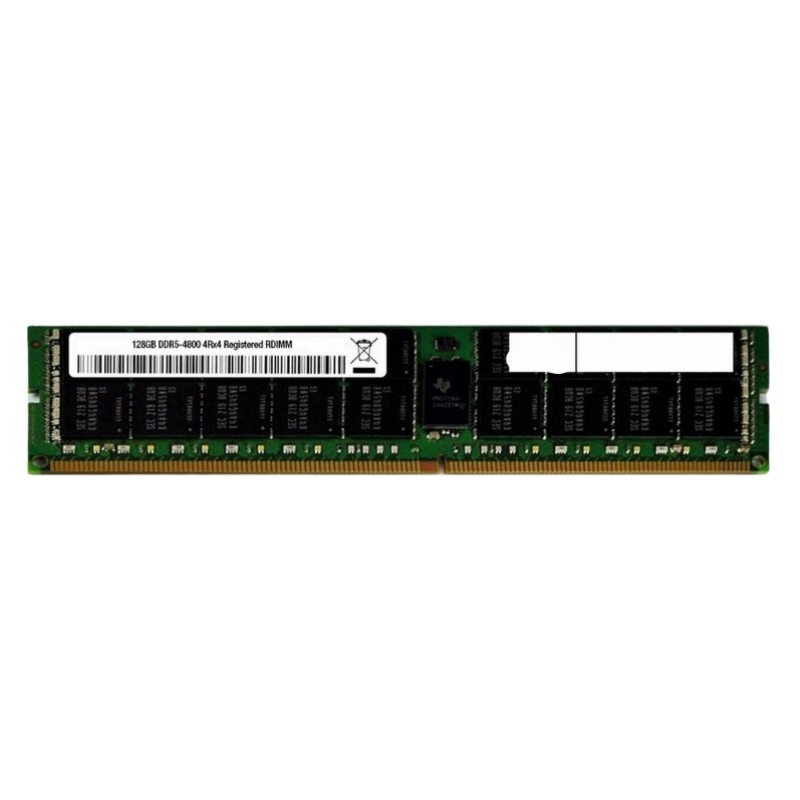


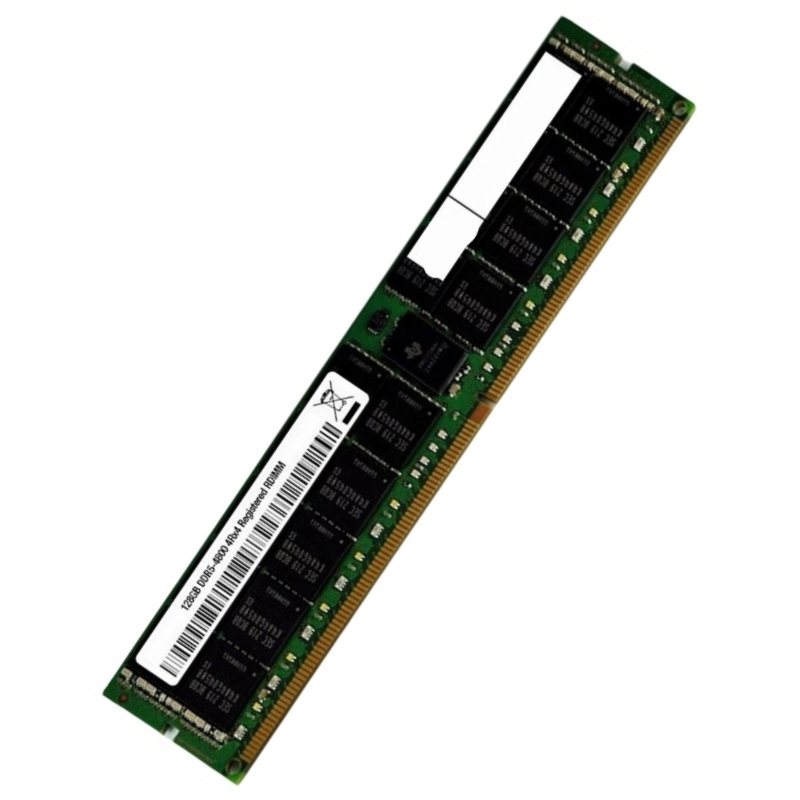
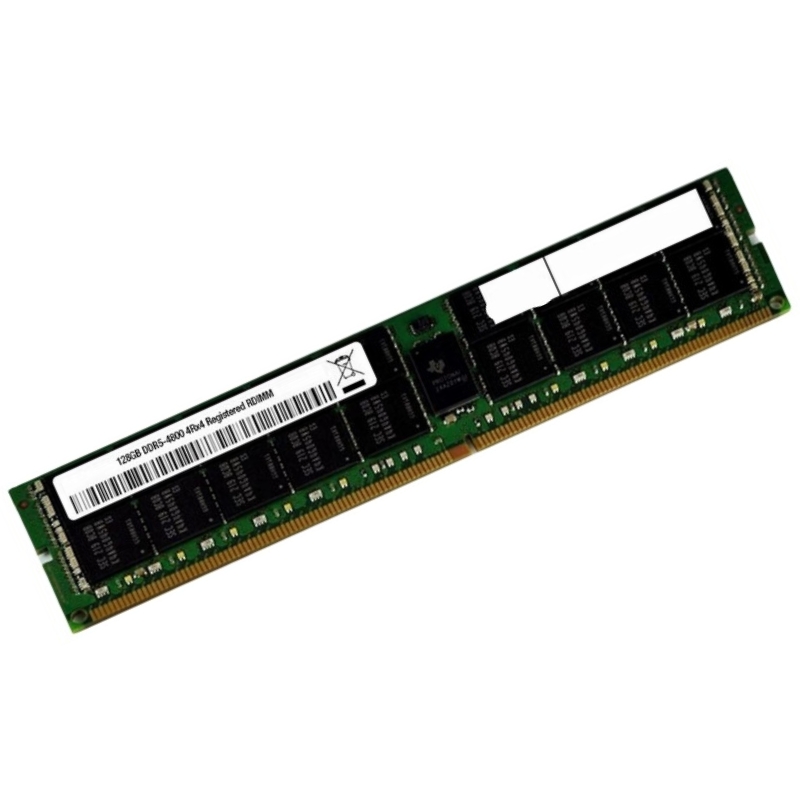
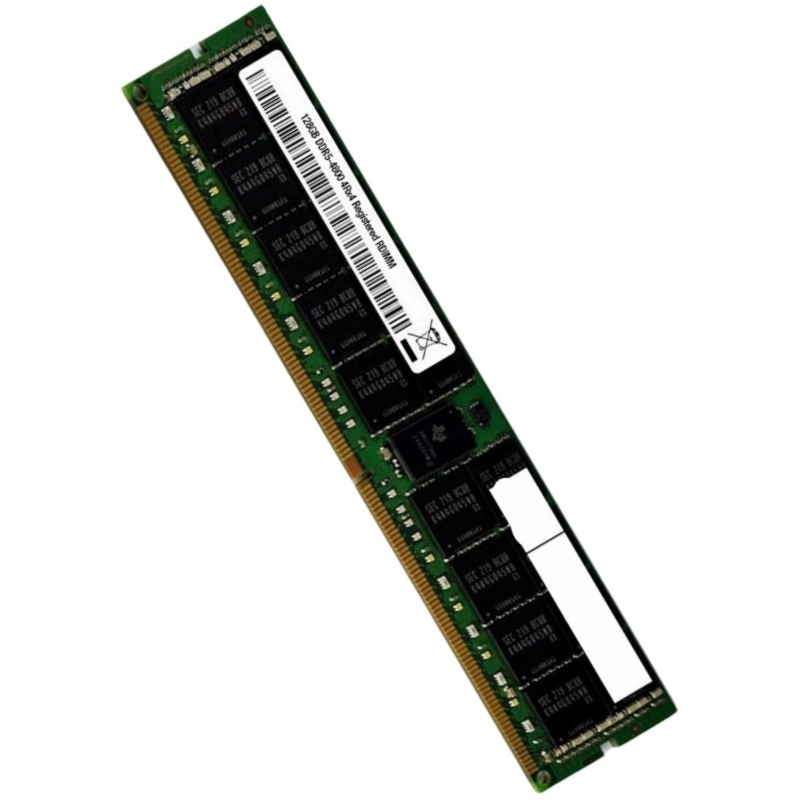
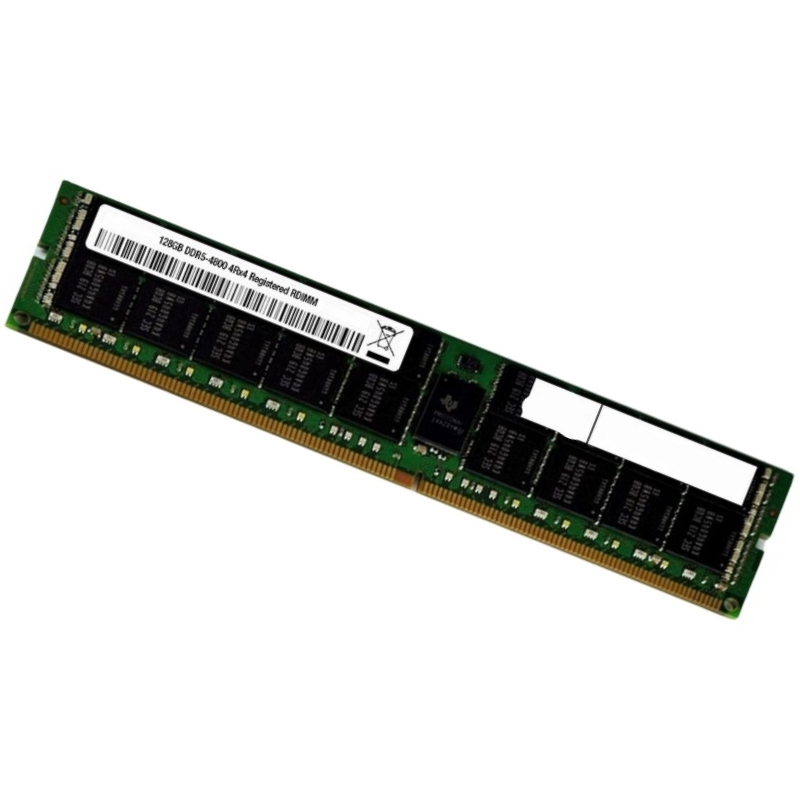
The P58359-B21 HPE 128GB DDR5-4800 EC8 PC5-38400 Memory module represents the latest generation of high-capacity enterprise memory engineered for modern data centers and mission-critical server environments. Built to meet the performance, reliability, and scalability demands of contemporary computing workloads, this HPE DDR5 memory module delivers advanced memory bandwidth, higher density, and improved power efficiency compared to previous DDR4 technologies.
The technical specifications of the HPE P58359-B21 DDR5 memory module highlight its role as a high-performance component designed for enterprise computing environments. This memory module offers a large 128GB capacity, enabling servers to handle memory-intensive applications and large workloads with greater efficiency.
Operating at a speed of 4800 MT/s, the module provides significantly increased bandwidth compared to DDR4 modules. This improvement allows servers to process more data per second, reducing latency and improving system responsiveness in data-heavy operations.
The PC5-38400 specification indicates the theoretical bandwidth capability of the module, supporting high throughput and consistent performance for enterprise workloads. As part of the DDR5 generation, the memory architecture also includes improved power management and advanced error detection features.
Enterprise servers require memory solutions that deliver consistent reliability under continuous workloads. The EC8 design further enhances the stability of this module, ensuring it meets the rigorous demands of modern data center environments.
DDR5 memory technology represents a major leap forward from DDR4 in terms of performance, capacity, and efficiency. The HPE 128GB DDR5-4800 memory module leverages these improvements to provide significant benefits for modern server infrastructures.
One of the most notable advantages of DDR5 memory is its increased bandwidth. Higher transfer rates allow servers to access and process data more quickly, which is essential for workloads such as artificial intelligence, machine learning, real-time analytics, and database management systems.
DDR5 also introduces improved memory architecture that allows higher module densities. With capacities like 128GB per module, servers can scale to extremely large memory configurations, supporting high-performance workloads without sacrificing speed.
Power efficiency is another key advantage of DDR5 technology. DDR5 modules operate at lower voltages and feature onboard power management, reducing overall energy consumption within the server environment. This helps data centers lower operating costs and improve thermal management while maintaining high performance.
The 128GB capacity of the P58359-B21 memory module enables enterprise servers to handle extremely large datasets and complex applications. High-capacity memory modules allow organizations to reduce memory bottlenecks and improve overall system performance.
Applications such as large-scale virtualization platforms, enterprise databases, and advanced analytics engines often require vast amounts of system memory to operate efficiently. With 128GB per module, servers can be configured with multiple memory modules to achieve terabyte-level memory capacities.
High-capacity memory also improves system efficiency by reducing reliance on disk-based storage for temporary data processing. When more data can be stored in memory, applications run faster and system latency is reduced significantly.
Organizations running containerized workloads, in-memory databases, and high-performance computing tasks benefit greatly from the expanded memory capacity provided by this DDR5 module.
The 4800 MT/s data transfer rate of the HPE P58359-B21 memory module provides substantial improvements in server performance. Higher memory speeds allow CPUs to access data more rapidly, minimizing processing delays and improving overall system throughput.
PC5-38400 refers to the theoretical bandwidth capacity of the memory module, which translates to faster communication between memory and the processor. This bandwidth enhancement plays a critical role in performance-intensive computing environments.
Workloads that benefit from increased memory bandwidth include high-frequency trading platforms, large database systems, virtualization environments, and real-time data analytics. These applications depend on fast memory access to deliver accurate results and maintain system stability.
By integrating high-speed DDR5 memory modules like the P58359-B21, enterprises can significantly improve the responsiveness and efficiency of their server infrastructures.
Reliability is a critical requirement in enterprise server environments, and the HPE 128GB DDR5 memory module is designed to meet these standards. Enterprise-grade memory modules include advanced error detection and correction mechanisms that help maintain data integrity during continuous operations.
Error correction technologies are essential for preventing data corruption, system crashes, and application failures. ECC functionality identifies and corrects memory errors automatically, ensuring that data remains accurate and systems remain stable.
The EC8 architecture further strengthens memory reliability by enhancing error detection capabilities within the module. This level of protection is particularly important for organizations running mission-critical workloads where downtime or data corruption could have significant consequences.
HPE memory modules undergo extensive testing and validation to ensure compatibility with HPE servers and to meet the highest enterprise quality standards.
The P58359-B21 memory module is specifically designed for compatibility with HPE enterprise server platforms. These modules are validated by HPE to ensure optimal performance, reliability, and system integration within supported server models.
Using HPE-certified memory ensures that the server operates within manufacturer specifications, avoiding compatibility issues that may arise with generic memory modules. This compatibility ensures stable system performance, improved reliability, and simplified hardware management.
HPE servers are widely used in data centers, enterprise IT environments, cloud infrastructure deployments, and high-performance computing facilities. By installing HPE-certified DDR5 memory modules, organizations can maximize the efficiency and longevity of their server investments.
IT administrators also benefit from simplified maintenance and predictable performance when using officially supported memory components in their server systems.
Modern data centers require memory solutions capable of supporting high-density computing environments and large-scale workloads. The HPE 128GB DDR5-4800 memory module is optimized to meet the demands of cloud service providers, enterprise data centers, and virtualization platforms.
Data centers often host thousands of virtual machines, containers, and enterprise applications simultaneously. High-capacity DDR5 memory allows these systems to maintain consistent performance even under heavy load conditions.
The improved power efficiency of DDR5 modules also contributes to better energy management within data centers. Reduced power consumption lowers operational costs and helps maintain stable thermal conditions in high-density server racks.
Cloud infrastructure providers rely on scalable memory solutions like the P58359-B21 to support rapidly growing workloads and expanding customer demands.
Virtualization technology has become a cornerstone of modern IT infrastructure. Platforms such as hypervisors and virtual machine environments require large amounts of memory to run multiple workloads simultaneously. The HPE 128GB DDR5 memory module provides the capacity and speed needed to support these environments effectively.
By increasing the amount of available memory within a server, administrators can host more virtual machines without sacrificing performance. This leads to improved resource utilization and better return on investment for server hardware.
High-performance computing environments also benefit from the advanced bandwidth capabilities of DDR5 memory. Scientific research, engineering simulations, AI modeling, and machine learning algorithms often process enormous datasets that require fast memory access.
The P58359-B21 memory module supports these advanced workloads by delivering consistent performance and reliable memory architecture designed for computationally intensive applications.
Scalability is a critical factor when designing modern IT infrastructure. The HPE 128GB DDR5 memory module allows organizations to expand server memory capacity gradually as workload requirements grow.
Servers equipped with multiple DIMM slots can support several high-capacity modules, enabling system administrators to build flexible memory configurations that meet current and future demands. This modular approach allows businesses to scale their infrastructure without replacing existing hardware.
As enterprise applications continue to evolve and require more computing resources, scalable memory architecture becomes increasingly important. DDR5 technology enables higher density modules, making it easier for organizations to expand system memory capacity without increasing physical server footprint.
Investing in high-capacity DDR5 memory modules like the P58359-B21 helps ensure that server infrastructure remains capable of supporting next-generation workloads and emerging technologies.
Power efficiency is a key consideration in modern data centers and enterprise IT environments. The HPE DDR5 memory module incorporates advanced power management features that improve energy efficiency compared to earlier memory technologies.
DDR5 memory introduces onboard power management integrated circuits that regulate voltage more effectively. This allows for more precise control of power consumption while maintaining high performance levels.
Reduced power consumption not only lowers operational costs but also helps maintain cooler server environments. Lower thermal output improves hardware longevity and reduces the need for extensive cooling systems within data centers.
Organizations looking to optimize energy usage while maintaining high-performance computing capabilities benefit significantly from DDR5 memory technology.
HPE Smart Memory technology plays a crucial role in ensuring the reliability and performance of HPE-certified memory modules. Each memory component undergoes extensive testing and validation to ensure compatibility with HPE server platforms.
HPE Smart Memory enables advanced monitoring and diagnostics that allow system administrators to identify potential memory issues before they impact system performance. This proactive approach improves system uptime and reduces the risk of unexpected failures.
Additionally, HPE memory modules are designed to work seamlessly with HPE server firmware and management tools, providing enhanced system insights and operational control.
By choosing HPE-certified memory modules such as the P58359-B21, organizations gain access to the reliability, compatibility, and performance benefits associated with HPE Smart Memory technology.
The HPE P58359-B21 Memory is a high-performance memory module that offers a massive capacity of 128GB. This impressive capacity is crucial for users who require a significant amount of memory to handle demanding tasks and applications.
With 128GB of memory, users can experience improved performance and responsiveness when running memory-intensive applications. Whether you are working with large datasets, running virtual machines, or performing complex calculations, having ample memory ensures smooth operation without any slowdowns or bottlenecks.
One of the key advantages of having a large memory capacity is the ability to multitask efficiently. With 128GB at your disposal, you can effortlessly switch between multiple applications without experiencing any lag or delays. This is particularly beneficial for professionals in fields such as video editing, graphic design, and 3D modeling, where working with resource-intensive software is the norm.
Investing in a memory module with a substantial capacity like 128GB ensures that your system is future-proofed. As technology evolves and software becomes more demanding, having sufficient memory becomes increasingly important. By opting for the HPE P58359-B21 Memory, you can be confident that your system will be able to handle future upgrades and advancements without requiring additional memory.
Having a large amount of memory not only improves performance but also enhances system stability. With ample memory available, the operating system can efficiently manage resources, reducing the risk of crashes or freezes. This is particularly crucial for businesses and professionals who rely on their systems for critical tasks, ensuring uninterrupted productivity and minimizing downtime.
The HPE P58359-B21 Memory features DDR5-4800 memory type, which offers significant benefits in terms of speed and efficiency. This cutting-edge memory technology provides users with an enhanced computing experience.
DDR5-4800 memory type delivers blazing fast speed, allowing for quicker data transfer and processing. This results in improved system responsiveness and reduced loading times for applications and files. Whether you are running demanding software, playing graphics-intensive games, or working with large multimedia files, the high-speed DDR5-4800 memory ensures a seamless and efficient user experience.
By opting for DDR5-4800 memory, users are future-proofing their systems. As technology advances, DDR5 is expected to become the standard memory type, surpassing its predecessors in terms of speed and efficiency. Investing in DDR5-4800 now ensures that your system is ready for future upgrades and advancements, saving you from the hassle and expense of replacing outdated memory modules.
DDR5-4800 memory boasts improved energy efficiency compared to previous generations. The lower operating voltage of DDR5 technology helps reduce power consumption, resulting in lower energy bills and a greener computing experience. This is especially important for users concerned about environmental impact and seeking to minimize their carbon footprint.
For gamers, the DDR5-4800 memory type offers a significant advantage. The high-speed data transfer capabilities of DDR5 enhance gaming performance, reducing lag and ensuring smooth gameplay even in graphics-intensive titles. Gamers can enjoy higher frame rates, quicker load times, and an overall immersive gaming experience.
The HPE P58359-B21 Memory comes with ECC support, which stands for Error-Correcting Code. ECC is a crucial feature that enhances data integrity and reliability.
ECC support plays a vital role in maintaining the accuracy and integrity of data stored in memory. It detects and corrects single-bit errors that may occur during data transmission or storage, ensuring that the information remains consistent and error-free. This is particularly important for businesses and professionals who deal with sensitive data, preventing potential data corruption and minimizing the risk of system failures.
By incorporating ECC support, the HPE P58359-B21 Memory provides enhanced reliability and system stability. The error detection and correction capabilities of ECC technology ensure that memory errors are identified and fixed in real-time, reducing the likelihood of crashes or system failures. This is crucial for mission-critical applications where even a minor error can have severe consequences.
ECC support also contributes to data security. By detecting and correcting errors, ECC helps safeguard against potential data breaches or unauthorized modifications. This is particularly important for industries such as finance, healthcare, and government, where the integrity and confidentiality of data are paramount.
Having ECC support in your memory module provides peace of mind, knowing that your data is protected against errors and potential system failures. The reliability and stability offered by ECC technology ensure uninterrupted operation, allowing you to focus on your work without worrying about data loss or system downtime.
The HPE P58359-B21 Memory features a registered 3DS form factor, which offers several benefits in terms of compatibility, scalability, and performance.
The registered 3DS form factor ensures compatibility with a wide range of server platforms and motherboards. This allows users to seamlessly integrate the memory module into their existing systems without any issues or compatibility concerns. Whether you are upgrading an enterprise server or a high-performance workstation, the registered 3DS form factor ensures a hassle-free installation process.
Registered 3DS form factor enables scalability, allowing users to expand their memory capacity as needed. The modular design of this form factor allows for the stacking of multiple memory modules, significantly increasing the overall memory capacity of a system. This is particularly beneficial for growing businesses or professionals who anticipate future memory requirements and want the flexibility to upgrade without replacing existing modules.
The registered design of the 3DS form factor enhances signal integrity by reducing electrical loading and noise. This results in improved data transmission and reduced potential for signal interference, ensuring reliable and error-free operation. The improved signal integrity is especially important for high-speed memory modules like the HPE P58359-B21, as it maximizes data transfer rates and minimizes latency.
By utilizing the registered 3DS form factor, users can optimize system performance. The improved signal integrity and scalability capabilities of this form factor contribute to faster data transfer rates, reduced latency, and overall enhanced system responsiveness. Whether you are running demanding applications or working with large datasets, the registered 3DS form factor ensures that your system operates at peak performance.
The HPE P58359-B21 Memory features Smart Technology that offers advanced monitoring and management capabilities, providing users with valuable insights into memory usage and performance.
Smart Technology allows users to monitor their memory usage in real-time, providing detailed information about memory utilization, temperatures, and other performance metrics. This enables users to identify potential bottlenecks or issues that may be affecting system performance. Real-time monitoring also facilitates proactive troubleshooting and optimization, ensuring optimal system operation at all times.
With Smart Technology, users can optimize memory performance based on real-time insights. By monitoring memory usage patterns and identifying areas of improvement, users can fine-tune their system configurations to maximize performance. This includes adjusting memory allocation, optimizing memory timings, and ensuring that memory resources are utilized efficiently.
Smart Technology contributes to increased reliability by providing proactive alerts and notifications about potential memory issues. By detecting anomalies or irregularities in memory usage, users can take necessary actions to prevent system failures or data loss. The ability to address memory-related issues before they escalate ensures uninterrupted operation and reduces the risk of costly downtime.
Smart Technology enables efficient resource management by providing valuable insights into memory utilization. Users can identify memory-intensive applications or processes and allocate resources accordingly, ensuring that critical tasks receive the necessary memory allocation while avoiding unnecessary resource wastage. This results in optimized system performance and improved overall efficiency.


 Contact Us
 Information
 Catalog
 Solid State Drives (SSD)
 Network Switches
 Hard Disk Drives
 HBA & Controllers
 PC & Servers
 PC & Server Memory
 CPU & Processors
 Network Routers
 Power Supplies
 Tape Drives & Libraries
 Network Devices
 Computer & Network Cables