(7% discount is applied at checkout)
Cart is empty
Your go-to destination for cutting-edge server products
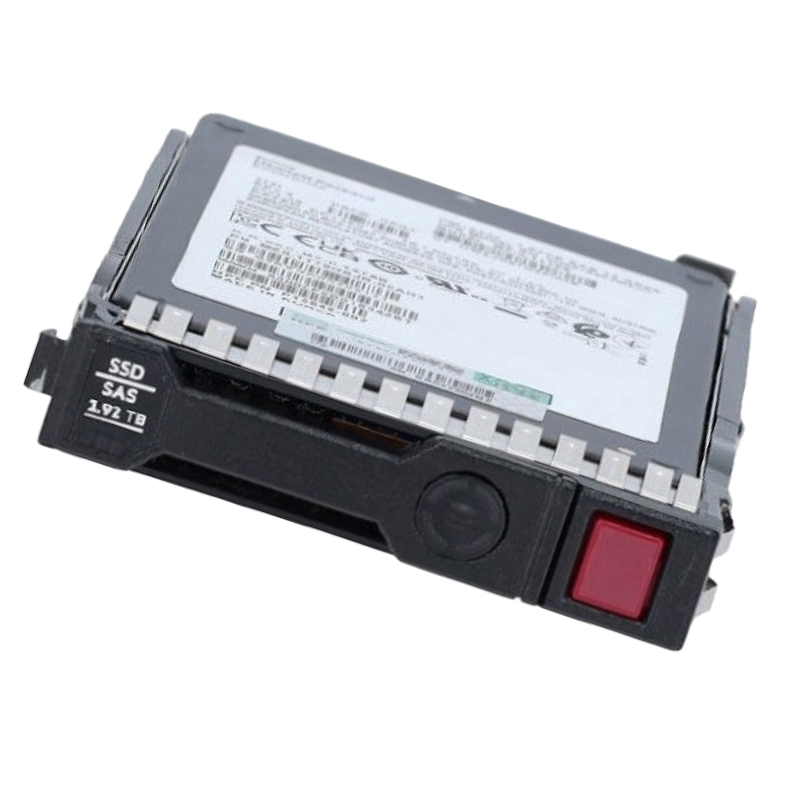


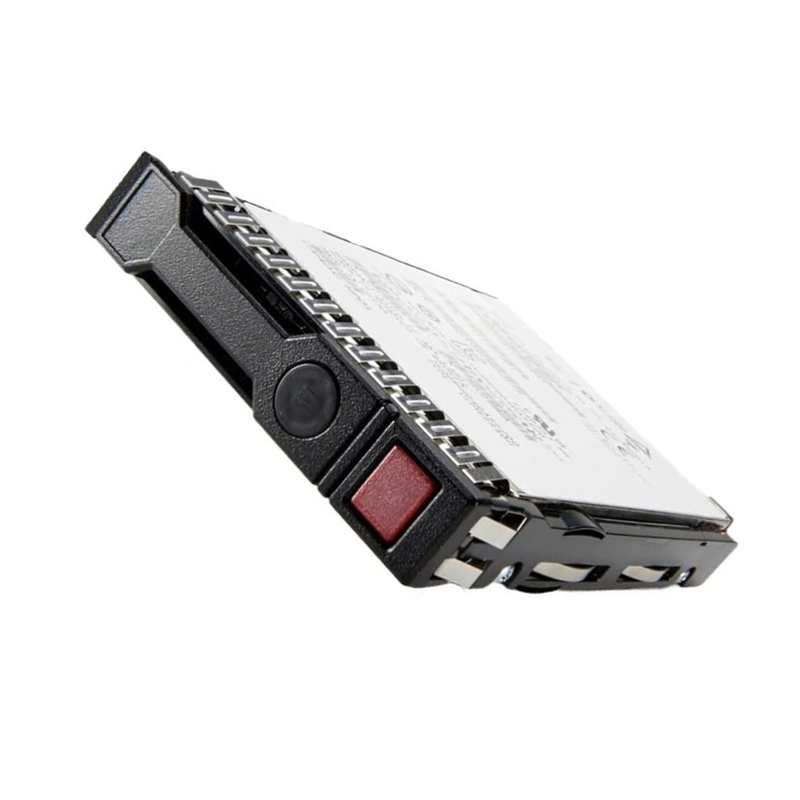
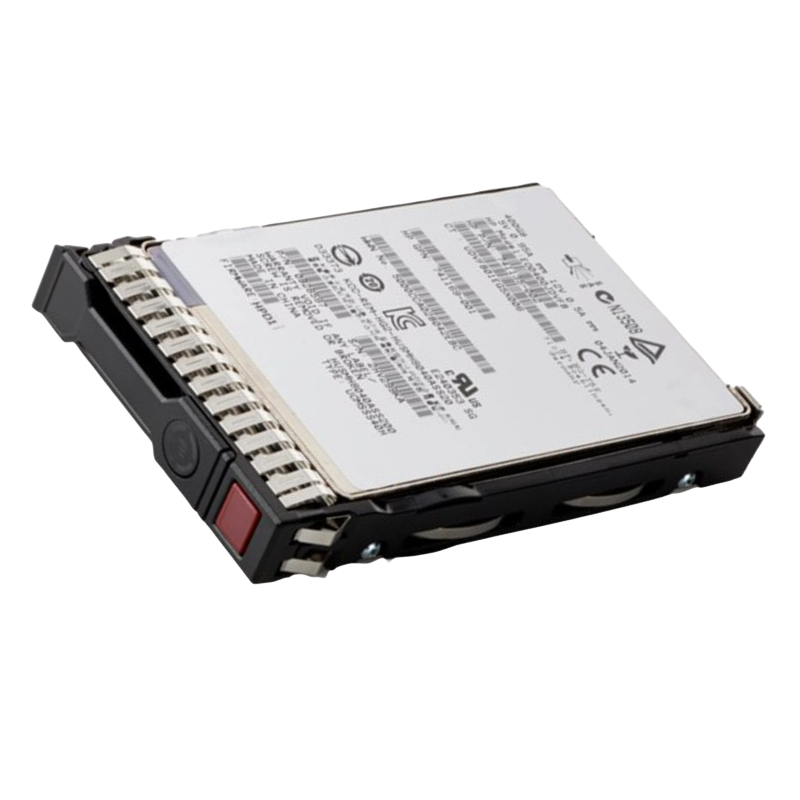
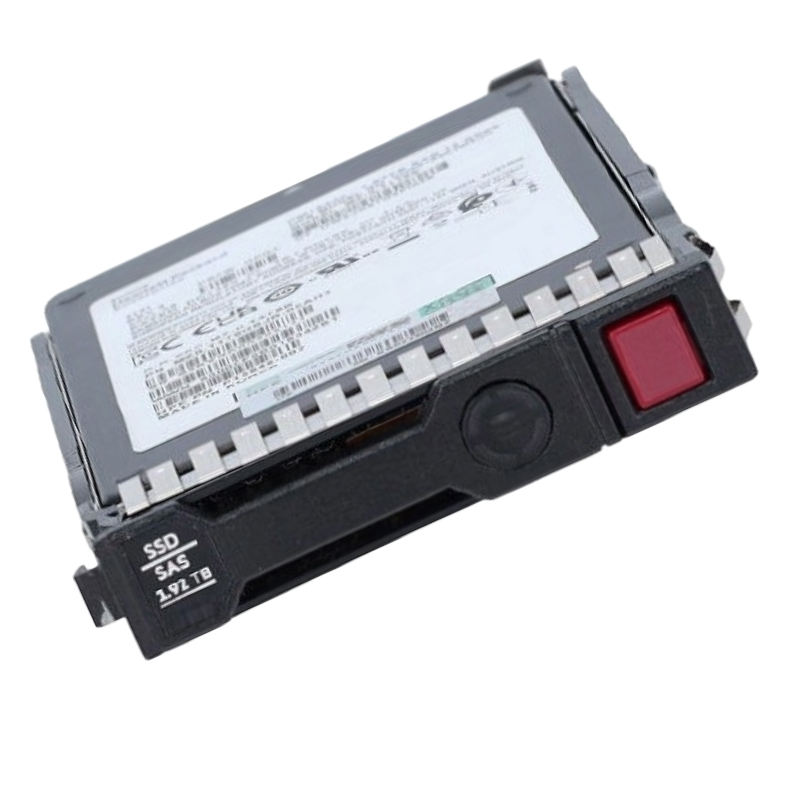
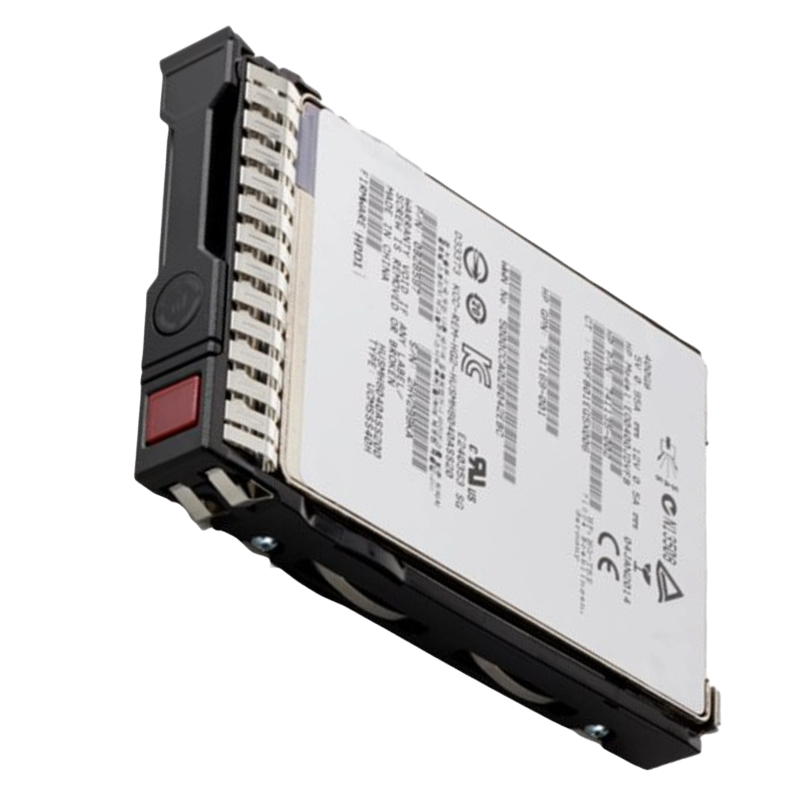
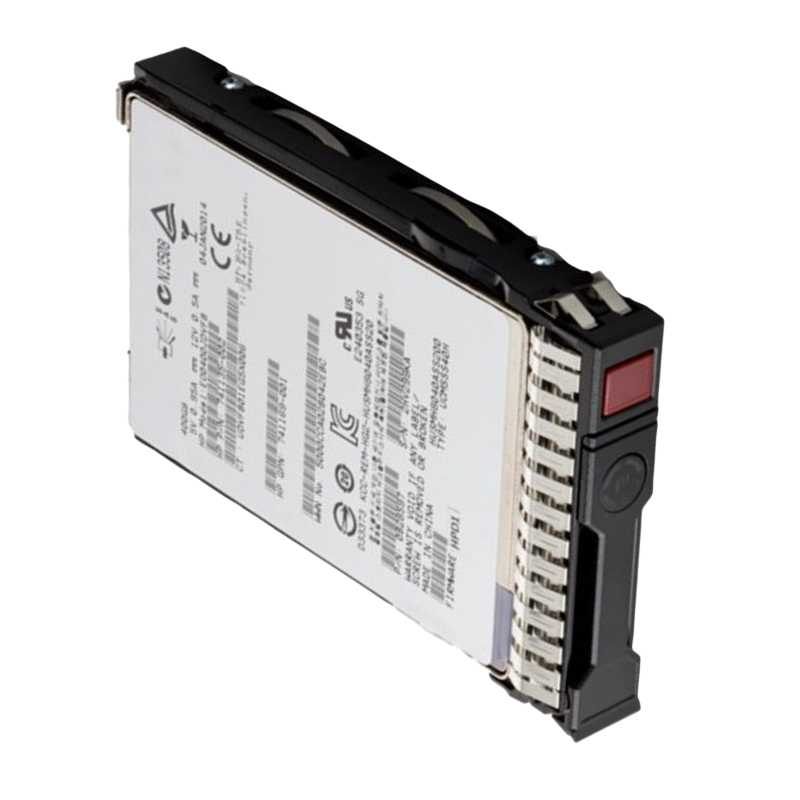
HPE P49289-001 SFF SC Hot Plug 1.92TB SAS 12GBPS Read Intensive SSD. Excellent Refurbished with 1 Year Replacement Warranty
HPE P49289-001 SFF SC Hot Plug 1.92TB SAS 12GBPS SSD
Elevate workload reliability with the HPE Read Intensive 1.92 TB 2.5-inch SAS solid-state drive, engineered for consistent performance, rapid data access, and energy-efficient storage in enterprise servers and composable infrastructure.
Validated for use across a wide range of HPE ProLiant servers and HPE Synergy compute modules, ensuring seamless integration and enterprise reliability.
The P49289-001 adopts a Small Form Factor (SFF) design with a single connector (SFF SC) optimized for hot-plug bays. It uses a SAS 12Gbps interface to deliver high-throughput, low-latency connectivity to HPE servers and storage enclosures. The hot-plug capability ensures minimal service disruption during replacement or expansion events.
With a nominal capacity of 1.92TB, this drive is targeted at read-intensive workloads—workloads where read operations significantly outnumber writes. Typical scenarios include database indexing, virtualization read caches, content delivery, analytics, and data warehousing. The drive’s endurance metrics (expressed in DWPD or TBW by vendor testing) and firmware tuning prioritize read performance and predictable response times.
The SAS 12Gbps link offers increased bandwidth over prior-generation 6Gbps interfaces, enabling higher sustained throughput for sequential and random read patterns. Enterprise-grade NAND and controller design, coupled with HPE-validated firmware, provide robust error management and SMART reporting, which improve drive reliability in demanding production environments.
Read-intensive SSDs like the P49289-001 are optimized to deliver low read latency and strong read IOPS. These attributes are critical for interactive database queries, virtualization vMotion, and high-concurrency application servers where milliseconds matter. When placed in RAID arrays or tiered storage pools, these drives improve overall system responsiveness and help maintain consistent service-level objectives (SLOs).
Hot-plug compatibility allows drives to be replaced or upgraded without powering down the server—key for 24x7 operations. HPE’s ecosystem compatibility ensures the drive will integrate with HPE Smart Array controllers, HPE ProLiant server hot-swap bays, and common storage enclosures. Always confirm firmware compatibility with the specific server model and RAID controller to ensure optimal behavior.
The read-intensive designation typically aligns with moderate endurance guarantees and enterprise warranties. HPE and authorized channel partners often provide multi-year warranties and optional support packages that include firmware updates, proactive diagnostics, and replacement services. Review contract terms to align drive warranties with your service-level agreements (SLAs).
The P49289-001 is intended primarily for HPE ProLiant servers, such as the DL, ML, and BL series, when configured with SFF bays and compatible drive carriers. It is also suitable for HPE storage systems that accept SFF SAS drives. Compatibility matrices published by HPE list validated drive/firmware/controller combinations—consult those matrices during procurement.
For RAID configurations, ensure the HPE Smart Array or host bus adapter supports SAS 12Gbps SSDs and that controller firmware is up to date. Mixed-drive RAID sets (SSD + HDD, or different SSD models) can lead to variable performance characteristics—where possible, populate RAID arrays with identical drive models or use software-defined tiering to isolate differing drive types.
The drive functions as a block device and is compatible with mainstream OS and hypervisors including but not limited to: VMware ESXi, Microsoft Windows Server, various Linux distributions (RHEL, CentOS, Ubuntu), and container hosts. For best results with virtualization, use HPE integration tools and guest-level drivers recommended by your hypervisor vendor.
In a tiered storage design, P49289-001 drives often serve as a mid- to high-performance read tier. Hot data can be served from these drives while colder data remains on high-capacity HDD tiers. Automated tiering platforms and HPE storage solutions can migrate frequently-read blocks to SSD tiers to maximize performance-per-dollar.
Use enterprise RAID levels and redundant controllers to preserve data availability. Read-intensive SSDs integrate with standard HA techniques—dual-port SAS connectivity, multipath I/O (MPIO), and controller failover. For mission-critical systems, design RAID arrays with sufficient redundancy (e.g., RAID 6 or RAID 10) to tolerate drive failures while preserving performance.
The 960GB capacity is ideally suited for server boot drives, providing ample space for operating systems, hypervisors, and system applications. The SAS interface's reliability and the drive's performance characteristics ensure fast boot times and responsive system operation. In virtualized environments, the drive can host multiple virtual machine images or serve as dedicated storage for hypervisor installations, improving overall virtualization performance and management efficiency.
For business applications and moderate-sized databases, the P49289-001 offers sufficient performance and capacity to support typical operational workloads. The drive's balanced read/write characteristics accommodate the mixed I/O patterns of database applications, while the capacity supports database instances, transaction logs, and associated application files. The SAS reliability features ensure data integrity for business-critical applications.
Many enterprise SSDs support self-encrypting drive (SED) features compliant with TCG Opal standards or offer vendor-specific hardware encryption. If data-at-rest protection is required, choose a drive SKU with hardware encryption support and coordinate with the server and OS to enable secure key management.
When decommissioning drives or reassigning them to different security domains, use vendor-specified secure erase procedures to prevent data remnants. HPE and enterprise storage tools provide validated secure-wipe methods for SED and non-SED drives.
Certain industries require proof of secure sanitization or encryption in transit and at rest. When deploying HPE P49289-001 drives in regulated environments, document the drive security features and sanitization procedures to satisfy audit requirements.
When scaling storage, factor in usable capacity after RAID overheads and reserve space for growth and over-provisioning. Use storage analytics to identify hot data sets and place them on read-intensive SSDs while cold data migrates to lower-cost, high-capacity media.
Establish documented procedures for hot-swap replacements: confirm drive identification, follow RAID rebuild sequences, and ensure monitoring tools track rebuild progress. In large deployments, stagger replacements to avoid simultaneous rebuilds that can strain controller resources.
Understand the distinctions between read-intensive, mixed-use, and write-intensive SSD categories. Read-intensive drives like the P49289-001 optimize for read throughput and latency and provide balanced endurance for workloads dominated by reads. Mixed-use drives provide higher write endurance for varied workloads, while write-intensive SSDs are engineered for sustained heavy-write applications (e.g., logging, heavy OLTP).
Choose the P49289-001 when the operational profile is dominated by read operations and you require enterprise compatibility with HPE platforms. If your workload includes sustained heavy writes or requires very high write endurance, evaluate mixed-use or write-intensive SSDs instead.
HPE-branded drives often provide firmware and support advantages in HPE ecosystems: validated controller integration, Promise of compatibility, and streamlined support escalation. Procurement teams should weigh these operational advantages against direct cost differences.
The drive integrates comprehensively with HPE's management ecosystem, including iLO (Integrated Lights-Out), System Management Homepage, and OneView management platforms. Health monitoring, predictive failure analysis, and performance reporting are available through standard HPE management interfaces, enabling proactive maintenance and simplified operational management. The drive's unique identification information facilitates inventory management and compliance reporting.


 Contact Us
 Information
 Catalog
 Solid State Drives (SSD)
 Network Switches
 Hard Disk Drives
 HBA & Controllers
 PC & Servers
 PC & Server Memory
 CPU & Processors
 Network Routers
 Power Supplies
 Tape Drives & Libraries
 Network Devices
 Computer & Network Cables