(7% discount is applied at checkout)
Cart is empty
Your go-to destination for cutting-edge server products
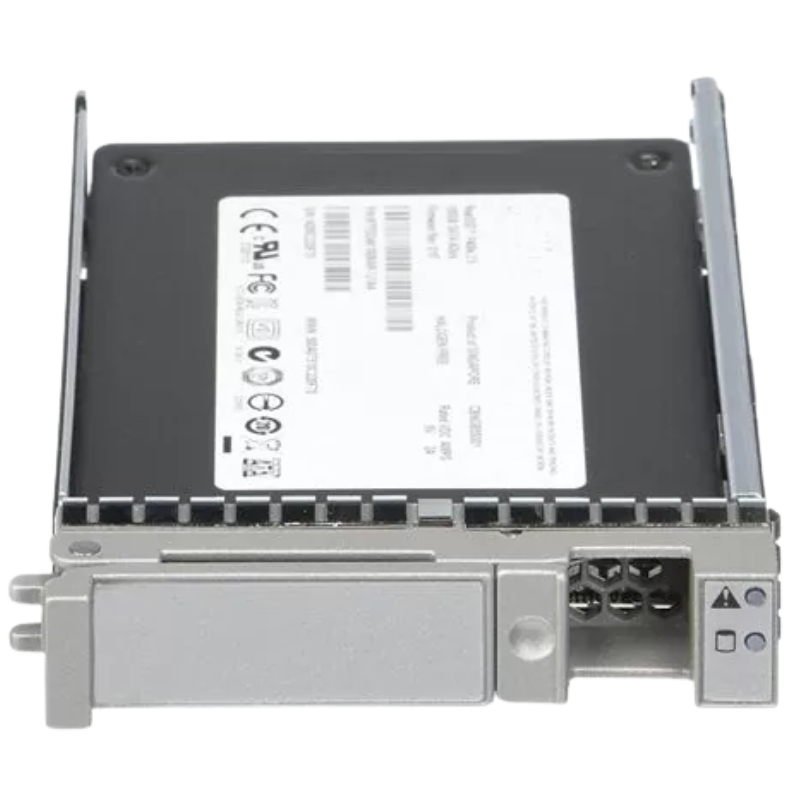


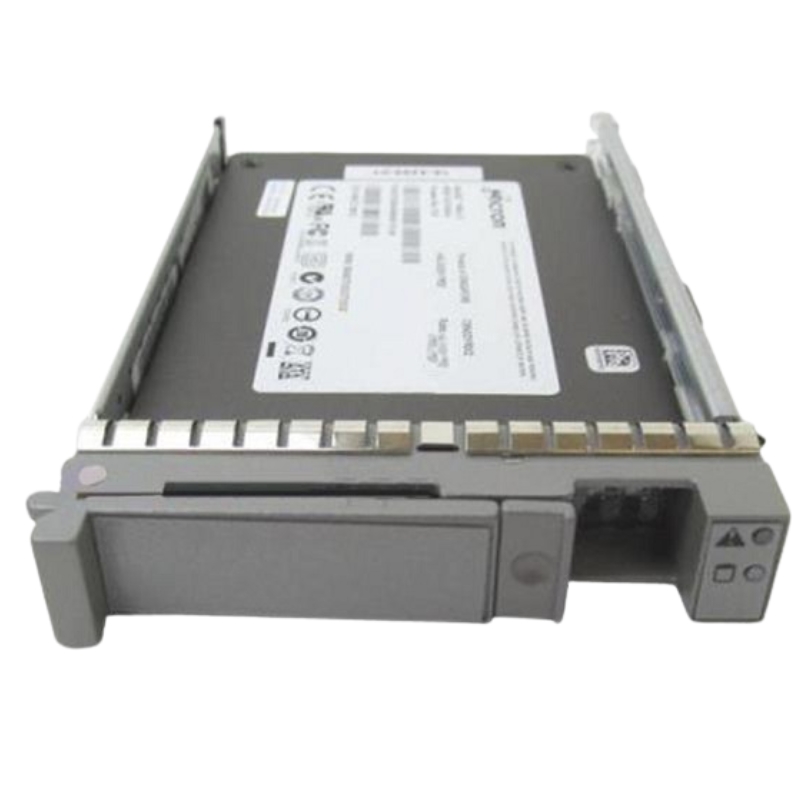
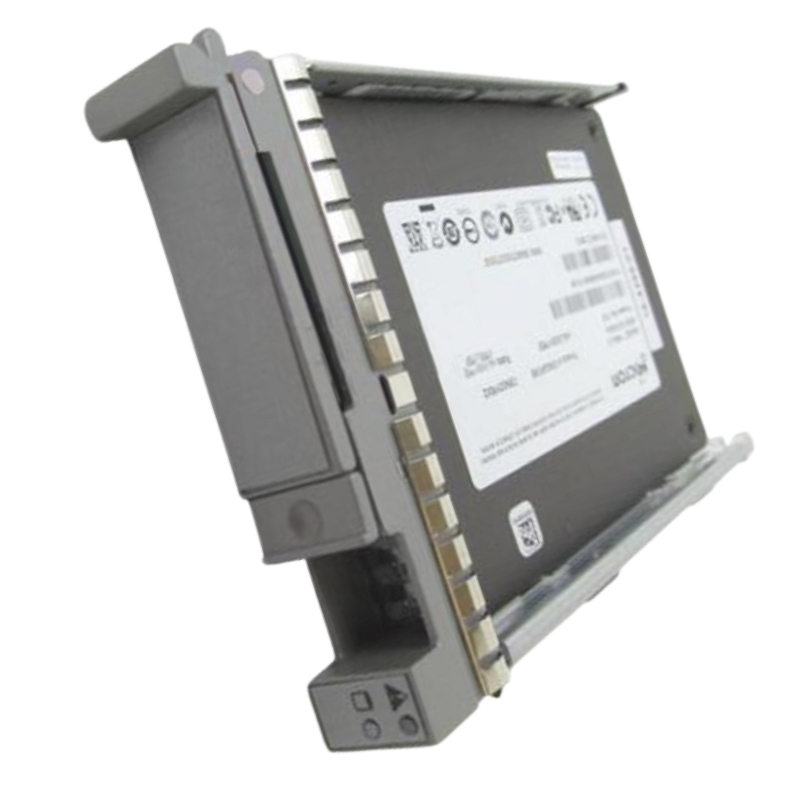
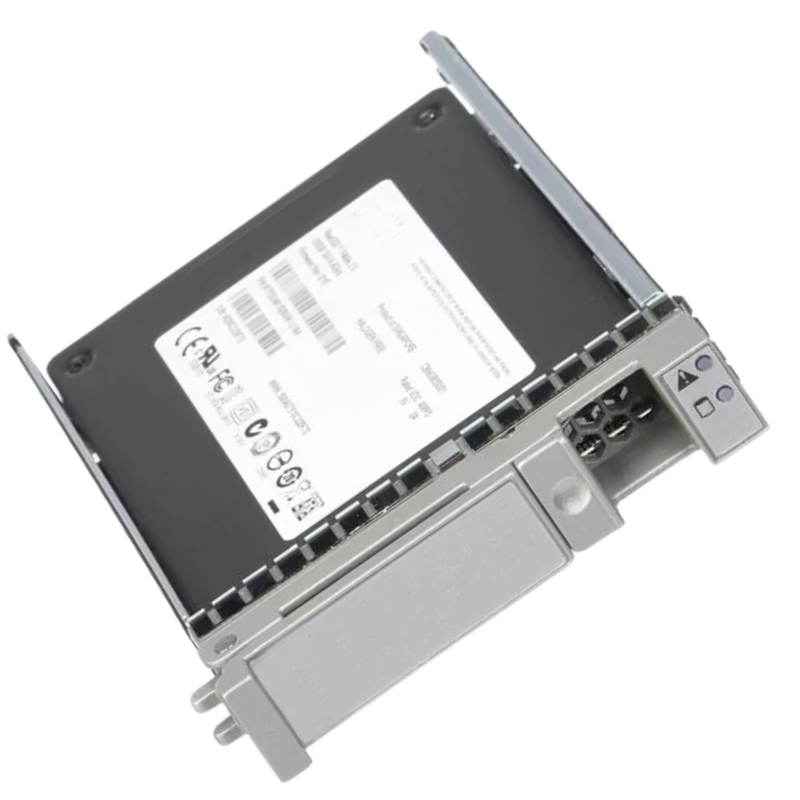
Cisco UCS-SD19TSAS-EV 1.92TB SSD SAS 12GBPS SFF Enterprise Value. Excellent Refurbished with 1 year replacement warranty
High-reliability enterprise solid-state drive engineered for data centers and mission-critical storage. Optimized for 2.5-inch SFF bays and SAS 12Gb/s infrastructures, this drive combines robust endurance with consistent throughput for virtualization, database and high-IOPS workloads.
Built for heavy enterprise use, this SAS SSD delivers fast access times, predictable latency and enhanced durability. Use cases include server virtualization, block storage arrays and tier-1 applications.
The drive is engineered for enterprise workloads that require a balance of cost and performance. It is an ideal option when you need high availability, predictable I/O and simple integration into existing SAS infrastructures.
The Cisco UCS S-Series Enterprise Value SAS Solid State Drives represent a strategic balance between performance, capacity, and cost-efficiency for enterprise storage environments. Designed specifically for organizations requiring high-capacity flash storage without the premium price tag of performance-optimized SSDs, this category delivers exceptional value for read-intensive workloads. The UCS-SD19TSAS-EV model, with its substantial 1.92TB capacity and 12Gbps SAS interface, stands as a cornerstone solution for businesses seeking to modernize their storage infrastructure while maintaining budgetary control.
Enterprise Value SSDs occupy a crucial position in the storage hierarchy, bridging the gap between cost-sensitive SATA SSDs and high-performance SAS SSDs. These drives are engineered with specific characteristics that make them ideal for particular use cases where consistent performance at lower cost-per-gigabyte is paramount.
Enterprise Value SSDs like the UCS-SD19TSAS-EV incorporate several distinguishing features that set them apart from other storage categories. These drives typically utilize multi-level cell (MLC) or triple-level cell (TLC) NAND flash technology optimized for enterprise environments, offering enhanced endurance compared to consumer-grade SSDs while maintaining a favorable cost structure. They implement advanced error correction, wear leveling, and power-loss protection mechanisms to ensure data integrity and reliability in demanding 24/7 operations.
The primary advantage of Enterprise Value SSDs lies in their optimized cost-performance ratio. By carefully balancing NAND flash type, controller capabilities, and firmware optimizations, these drives deliver approximately 70-80% of the performance of premium enterprise SSDs at 50-60% of the cost. This makes them particularly attractive for organizations deploying storage at scale where marginal performance differences have minimal impact on application performance, but cost savings accumulate significantly.
Enterprise Value SSDs are rated for specific write endurance, typically measured in drive writes per day (DWPD) over the warranty period. The UCS-SD19TSAS-EV and similar drives in this category generally offer endurance ratings suitable for read-heavy workloads, making them ideal for applications where write operations represent a smaller percentage of total I/O operations. This targeted endurance specification contributes significantly to the cost savings while still meeting enterprise reliability requirements.
The Cisco UCS-SD19TSAS-EV embodies sophisticated engineering principles tailored for enterprise storage environments. Understanding its technical architecture provides insight into how this drive delivers reliable performance while maintaining cost efficiency.
At the heart of the UCS-SD19TSAS-EV lies advanced TLC (Triple-Level Cell) NAND flash memory, carefully selected and validated for enterprise workloads. Unlike consumer-grade TLC NAND, the enterprise-grade flash in this drive incorporates enhanced programming algorithms and error correction capabilities to maintain data integrity under continuous operation. The drive employs sophisticated flash management techniques including advanced wear leveling, bad block management, and read disturb mitigation to extend the operational lifespan and maintain consistent performance throughout the drive's service life.
The UCS-SD19TSAS-EV utilizes a high-performance SAS controller specifically designed for enterprise value applications. This controller implements a sophisticated flash translation layer (FTL) that optimizes write amplification, garbage collection, and read/write scheduling. The firmware includes quality of service (QoS) features that ensure predictable latency and prevent performance degradation during sustained operations. Cisco's custom firmware also incorporates health monitoring, predictive analytics, and detailed telemetry reporting that integrates with Cisco's management ecosystem.
The Serial Attached SCSI (SAS) 12Gbps interface represents a critical component of the UCS-SD19TSAS-EV's performance profile. This dual-ported interface provides full-duplex connectivity, enabling simultaneous read and write operations at theoretical speeds up to 12Gbps per port. The implementation includes support for SAS expander connectivity, allowing seamless integration into large-scale storage environments. The interface maintains backward compatibility with 6Gbps and 3Gbps SAS infrastructures, ensuring smooth migration paths for organizations with existing SAS investments.
The performance profile of the UCS-SD19TSAS-EV reflects its positioning as an enterprise value solution, delivering robust performance characteristics optimized for specific workload patterns commonly found in enterprise environments.
In sequential operations, the UCS-SD19TSAS-EV delivers impressive throughput suitable for large file transfers, backup operations, and data migration tasks. The drive achieves sequential read speeds typically exceeding 1000 MB/s and sequential write speeds approaching 800 MB/s under optimal conditions. For random I/O operations, which are critical for database applications and virtualized environments, the drive provides consistent performance with IOPS ratings designed to handle enterprise workload demands while maintaining predictable latency profiles.
Quality of Service (QoS) represents a crucial differentiator for enterprise SSDs, and the UCS-SD19TSAS-EV implements sophisticated latency management mechanisms. The drive maintains consistent read and write latencies even under mixed workload conditions, with 99.9th percentile latency typically remaining within specified thresholds. This consistency ensures that applications experience predictable storage response times, which is essential for maintaining service level agreements in production environments.
The UCS-SD19TSAS-EV employs a dynamic caching architecture that optimizes performance across varying workload conditions. Unlike consumer SSDs that may experience significant performance degradation during sustained write operations, this enterprise value SSD maintains consistent performance through advanced cache management, background operations scheduling, and thermal throttling mechanisms. The drive's firmware intelligently prioritizes foreground I/O operations while managing background tasks such as garbage collection and wear leveling to minimize impact on application performance.
The UCS-SD19TSAS-EV is strategically positioned for specific workload patterns where its balance of capacity, performance, and cost delivers optimal value. Understanding these use cases helps organizations deploy the drive in scenarios where it provides maximum benefit.
With its optimized read performance characteristics, the UCS-SD19TSAS-EV excels in read-intensive applications where the majority of I/O operations consist of read requests. This includes database reporting systems, data warehousing query operations, content delivery networks, and virtual desktop infrastructure (VDI) boot volumes. In these environments, the drive delivers responsive performance while accommodating large datasets within its 1.92TB capacity, reducing the storage footprint compared to traditional hard disk drives.
For applications with balanced read-write ratios, the UCS-SD19TSAS-EV provides sufficient write performance and endurance for many enterprise scenarios. This includes collaborative applications, web serving environments, and medium-duty database applications where write operations represent 30-40% of total I/O. The drive's consistent latency profile ensures predictable application performance even during periods of increased write activity, making it suitable for business-critical applications that don't require the highest tier of storage performance.
In tiered storage architectures, the UCS-SD19TSAS-EV serves as an excellent capacity tier for warm data that requires faster access than hard disk drives can provide but doesn't justify the cost of performance-tier SSDs. Storage systems with automated tiering can dynamically migrate frequently accessed data to higher-performance tiers while keeping warm data on the enterprise value SSDs, optimizing both performance and storage economics. This approach allows organizations to maximize the value of their storage investment while maintaining acceptable performance for the majority of workloads.
Enterprise storage demands rigorous reliability standards, and the UCS-SD19TSAS-EV incorporates multiple features to ensure data availability, integrity, and serviceability in demanding production environments.
The UCS-SD19TSAS-EV is engineered for continuous operation in 24/7 environments with specified endurance ratings that typically support 1-3 drive writes per day over the warranty period, depending on the specific capacity point and NAND technology. This endurance level ensures the drive can handle enterprise workload demands without premature wear-out. Advanced error correction codes (ECC), including low-density parity check (LDPC) algorithms, provide robust protection against data corruption, while end-to-end data path protection ensures integrity from the host interface through to the NAND flash media.
Enterprise applications require protection against data loss during unexpected power events. The UCS-SD19TSAS-EV incorporates comprehensive power-loss protection that includes both hardware and firmware mechanisms. holdup capacitors provide sufficient energy to complete in-progress write operations and commit data from volatile buffers to non-volatile storage during power failure events. This protection extends to the drive's translation tables and metadata, ensuring the drive remains consistent and operational following power restoration.
Understanding how the UCS-SD19TSAS-EV compares to other storage options helps organizations make informed decisions about storage tiering and technology selection based on their specific requirements.
When compared to performance-optimized SAS SSDs, the UCS-SD19TSAS-EV demonstrates slightly reduced performance metrics, particularly in write-intensive scenarios and extreme queue depth conditions. However, for many enterprise workloads, this performance difference has minimal practical impact while delivering substantial cost savings. The enterprise value SSD typically offers similar reliability, compatibility, and management features as performance tiers, making it an attractive alternative for workloads where maximum performance isn't required but enterprise features are still necessary.
Against SATA SSDs, the UCS-SD19TSAS-EV offers several advantages inherent to the SAS interface, including full-duplex operation, dual-port capability for high availability, and enhanced error recovery. The SAS interface typically delivers better performance consistency under heavy load conditions and offers superior scalability in large storage configurations. While SATA SSDs may have a slight acquisition cost advantage, the SAS-based enterprise value SSDs often provide better total cost of ownership when factoring in performance, reliability, and management considerations in enterprise environments.
The emergence of NVMe technology has created a new performance tier above traditional SAS and SATA interfaces. While NVMe drives offer significantly higher performance, particularly in latency-sensitive applications, they command a substantial price premium and may require infrastructure upgrades to fully utilize their capabilities. The UCS-SD19TSAS-EV provides a compelling alternative for organizations that need better performance than hard disk drives but aren't ready to invest in NVMe infrastructure or where application requirements don't justify the additional expense.


 Contact Us
 Information
 Catalog
 Solid State Drives (SSD)
 Network Switches
 Hard Disk Drives
 HBA & Controllers
 PC & Servers
 PC & Server Memory
 CPU & Processors
 Network Routers
 Power Supplies
 Tape Drives & Libraries
 Network Devices
 Computer & Network Cables