(7% discount is applied at checkout)
Cart is empty
Your go-to destination for cutting-edge server products
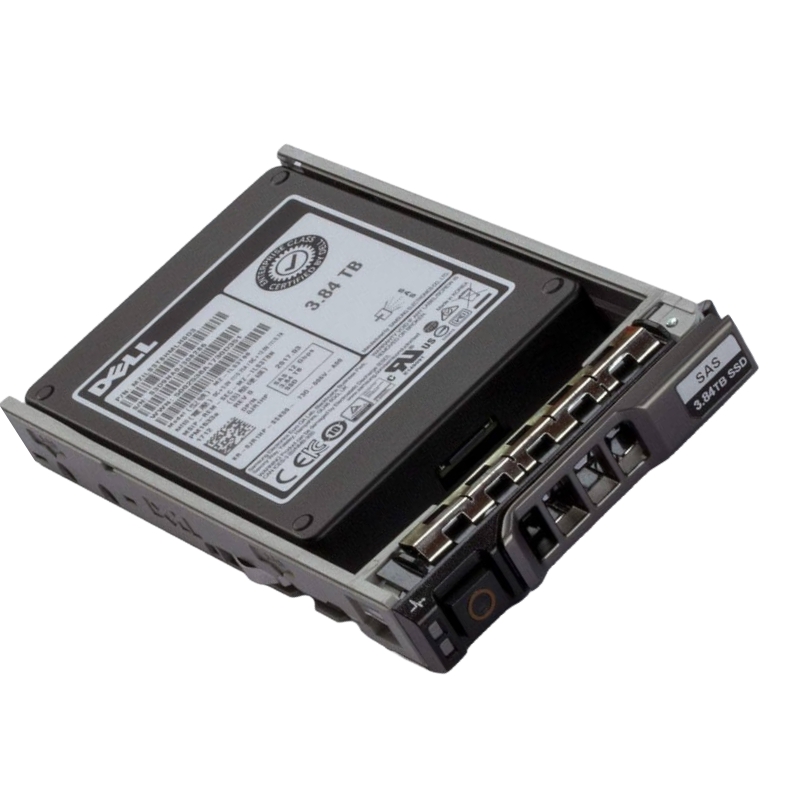


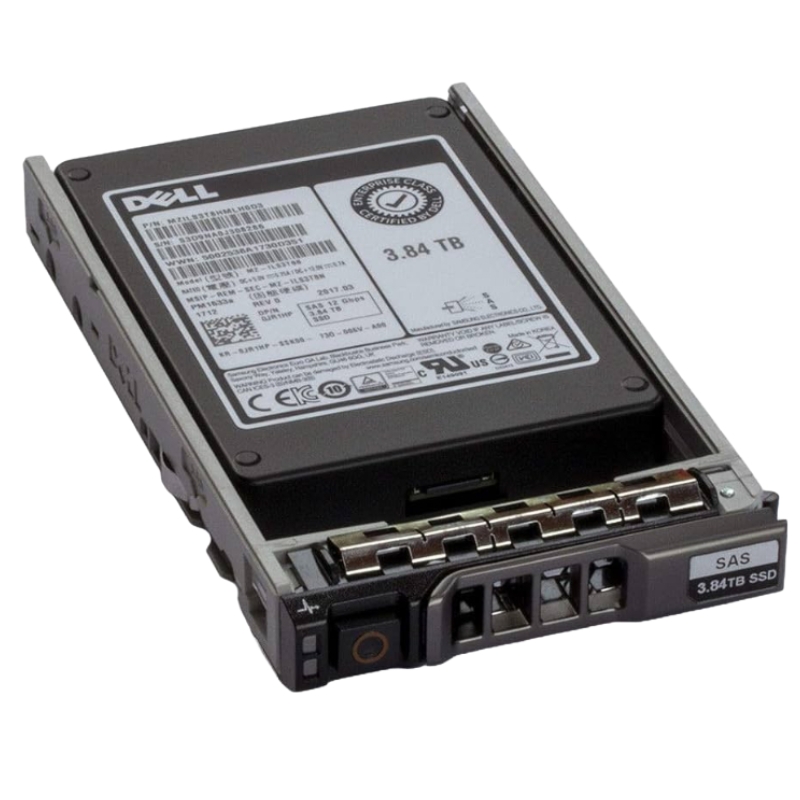
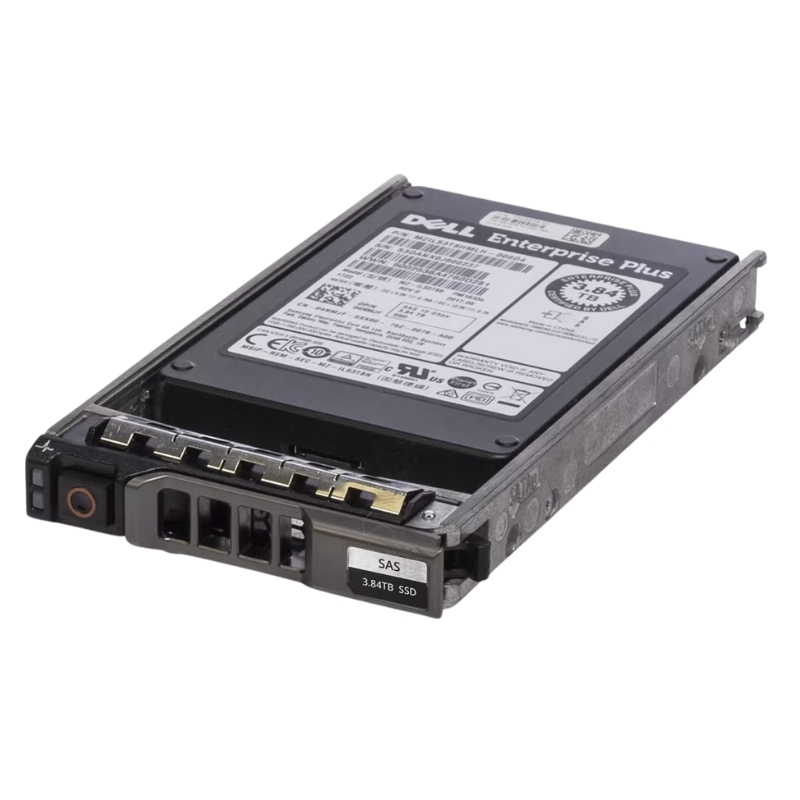
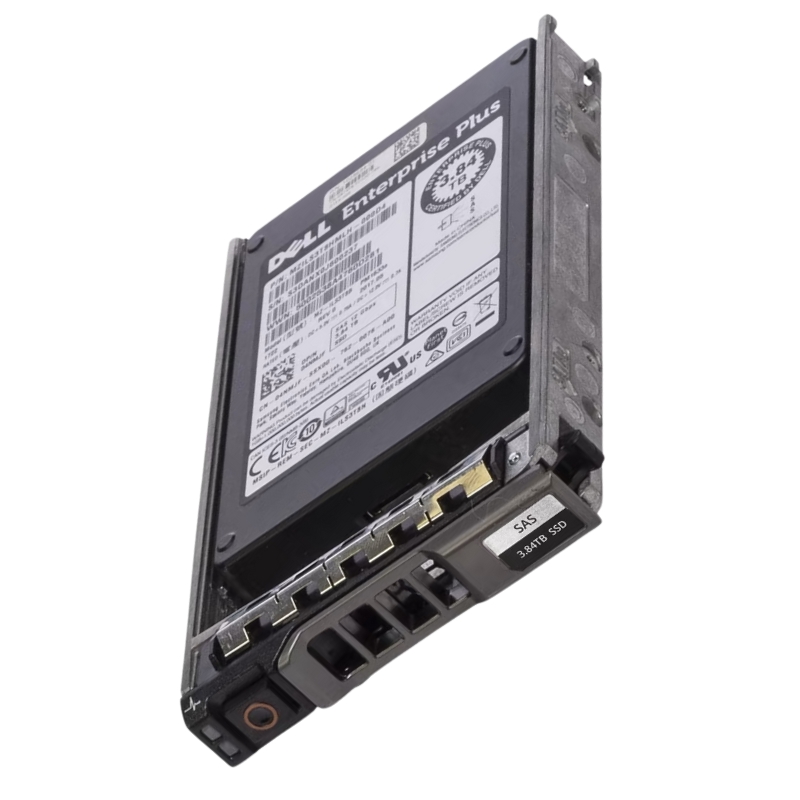
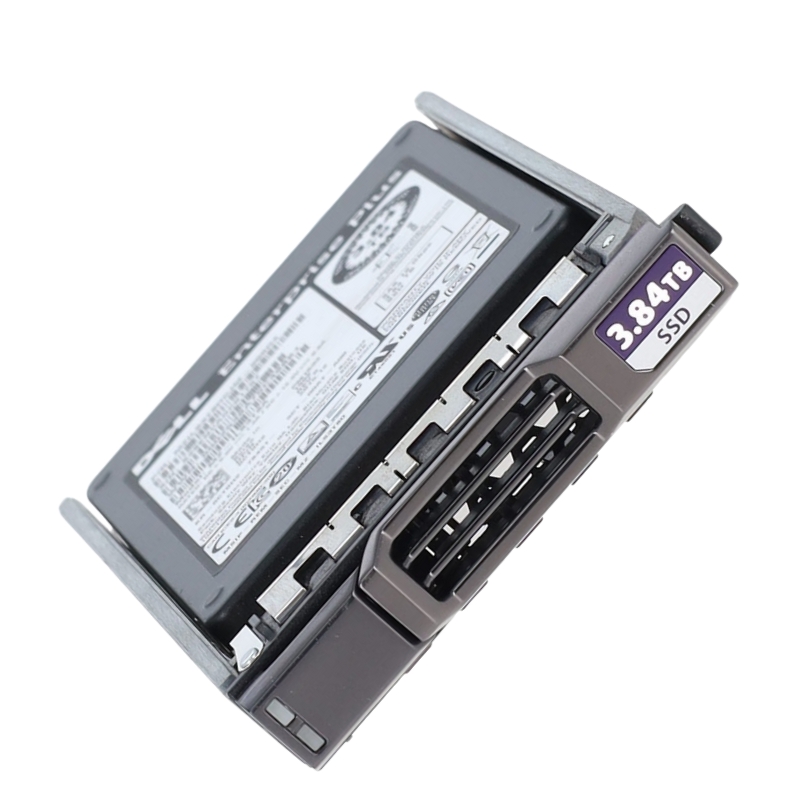
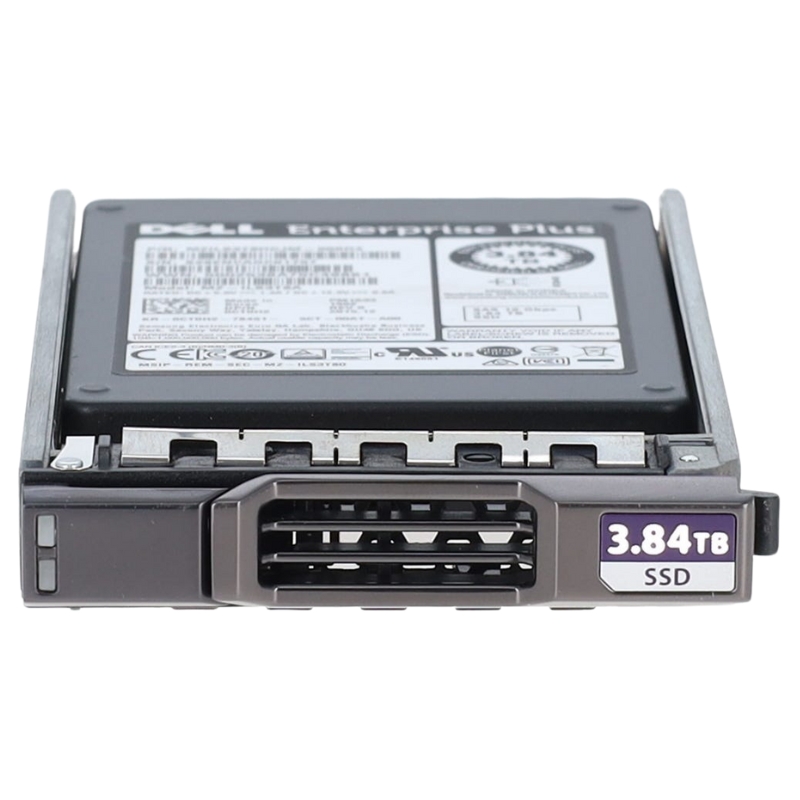
Dell XRKFR 3.84TB SAS-12GBPS SED Read-Intensive 1dwpd TLC SFF Hot-Plug Certified with tray for Poweredge Server Solid State Drive. New Sealed in Box (NIB) with 1 Year Warranty
The compatibility list above is not exhaustive. Additional PowerEdge and Powervault configurations may support this drive. Tray sticker presence may vary by shipment.
The Dell XRKFR 3.84TB SAS-12Gbps SED solid state drive sits squarely in the enterprise category for storage optimized around read-heavy applications. This 3.84 terabyte capacity provides a blend of raw density and consistent performance that scales across a wide variety of data center workloads. The solid state drive uses TLC NAND and is specified as read-intensive with a 1 drive write per day endurance class, making it appropriate for large-scale read caches, database read replicas, analytics stores and content delivery layers where read throughput, low latency, and predictable quality of service matter more than sustained heavy write cycles.
The XRKFR drive communicates over a 12 gigabits per second SAS interface, the industry-standard fabric for enterprise-class servers and storage arrays. The SAS-12Gbps link delivers predictable latency, full-duplex communication, and robust error detection and recovery features necessary for mission critical infrastructure. The small form factor design (SFF) ensures compatibility with dense server trays and PowerEdge sleds, allowing data center architects to maximize rack-level storage density without sacrificing airflow or serviceability. Hot-plug capability means the drive can be removed or inserted while the system is running, enabling rapid replacement and minimizing downtime in production environments.
Self-encrypting drive functionality is a crucial capability for enterprises that need to protect sensitive information at rest without relying solely on higher-level software encryption. The XRKFR’s SED implementation ensures that all data written to the NAND is encrypted by the drive’s controller with cryptographic keys that never leave the device, simplifying compliance with data protection regulations and reducing attack surface during drive transport or disposal. The SED functionality also significantly streamlines secure decommissioning procedures, since a cryptographic erase can render all data unreadable without the need for time-consuming block-level overwrites, thereby accelerating drive redeployment or retirement while maintaining compliance with data destruction requirements.
TLC (Triple-Level Cell) NAND used in the XRKFR strikes a careful balance between cost per gigabyte and durability. Classified as 1 drive write per day (1dwpd), this drive is optimized to support workloads in which reads significantly outnumber writes, while still providing sufficient write endurance for cache refreshes, background maintenance tasks, or occasional heavy-write operations.
Enterprise demands high reliability and operational continuity. The XRKFR includes advanced error correction, wear-leveling algorithms, power-loss protection for pending writes, and SMART telemetry to preemptively surface drive health concerns. These features minimize the risk of silent data corruption and ensure consistent performance even as the device ages. Error correction and internal redundancy mechanisms allow the drive to correct bit errors autonomously, reducing the frequency of higher-level retries that can tax host processors and reduce overall throughput. Power-loss protection is particularly important for preserving write atomicity during unexpected outages, ensuring that critical metadata and in-flight transactions either commit fully or fail cleanly without leaving inconsistent on-drive state.
The XRKFR is tuned primarily for delivering consistent, low-latency reads with high IOPS and strong sequential throughput on the SAS-12Gbps interface. Read-intensive tuning results in firmware that allocates internal resources to optimize read path latency and cache hit ratios, preserving responsive behavior under parallel read operations common to application servers and database read replicas. When deployed in RAID or storage pool configurations, these drives can serve as high-performance read tiers that accelerate application response times while leaving more expensive high-endurance drives to handle write-heavy or transactional tiers. The stable latency profile is especially valuable in multi-tenant virtualization environments where noisy neighbor effects can otherwise degrade application performance.
Certification for Dell PowerEdge servers means the XRKFR has been tested with common PowerEdge RAID controllers and firmware stacks to ensure predictable behavior and compatibility. The included tray matches PowerEdge mechanical tolerances and hot-swap latch designs so that insertion, extraction and drive retention are mechanically compatible with Dell server chassis, preserving the integrity of backplane contacts and airflow patterns. Administrators should verify controller firmware and BIOS levels support the specific drive capacity and feature set to avoid compatibility pitfalls associated with legacy controllers that predate higher capacity or newer SED standards.
Small Form Factor drives in enterprise servers are intended to be both dense and serviceable. The XRKFR’s SFF form factor combined with a PowerEdge-compatible tray allows technicians to perform hot-swap replacements without interrupting host operations, thereby reducing mean time to repair and minimizing service windows. The tray’s alignment features, retention latches and status LED apertures ensure clear operational visibility and reduce the risk of incorrect insertion. Hot-plug capability requires robust connector design and drive-side power sequencing to prevent backplane disturbances; the XRKFR is engineered to meet those expectations, supporting safe removal and insertion even under load and enabling rolling upgrades or emergency swaps in production clusters without orchestrated downtime.
The read-intensive design and 3.84TB capacity of the XRKFR make it an excellent candidate for several specific roles in a modern data center. As a cache layer in front of slower persistent storage, these drives reduce latency and increase throughput for applications that service a high ratio of reads to writes. Database read replicas hosting analytical queries or reporting workloads benefit from the low-latency reads and predictable IOPS, while content delivery systems that distribute large datasets or media assets can use these drives to lower response times and reduce network load. Virtualization boot stores and template repositories also receive performance benefits because read operations dominate during VM starts and template provisioning. Selecting the XRKFR for these tiers optimizes cost per gigabyte while delivering the read performance required for responsive applications.


 Contact Us
 Information
 Catalog
 Solid State Drives (SSD)
 Network Switches
 Hard Disk Drives
 HBA & Controllers
 PC & Servers
 PC & Server Memory
 CPU & Processors
 Network Routers
 Power Supplies
 Tape Drives & Libraries
 Network Devices
 Computer & Network Cables