(7% discount is applied at checkout)
Cart is empty
Your go-to destination for cutting-edge server products
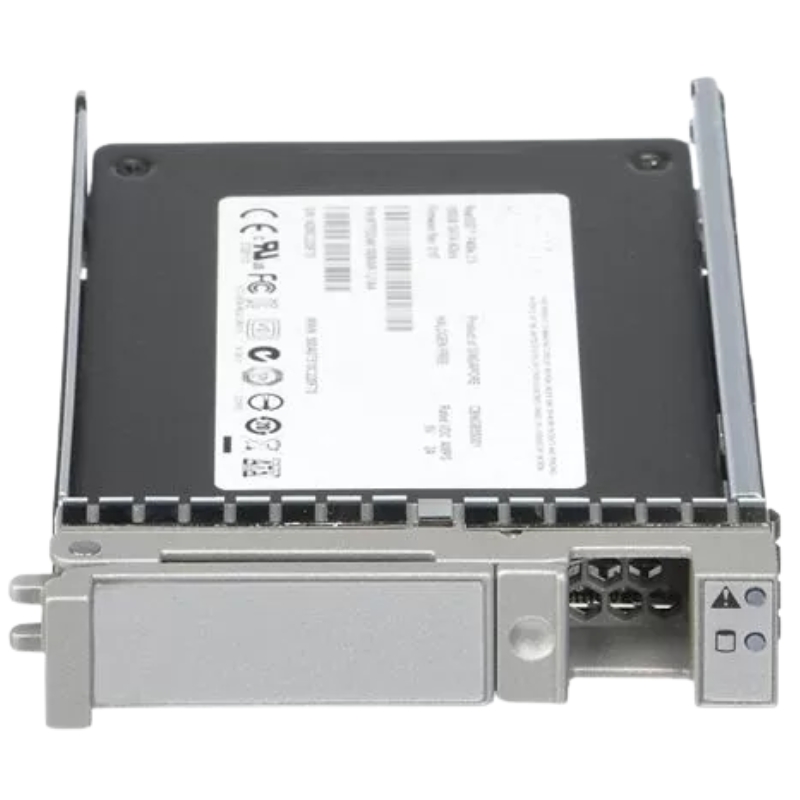


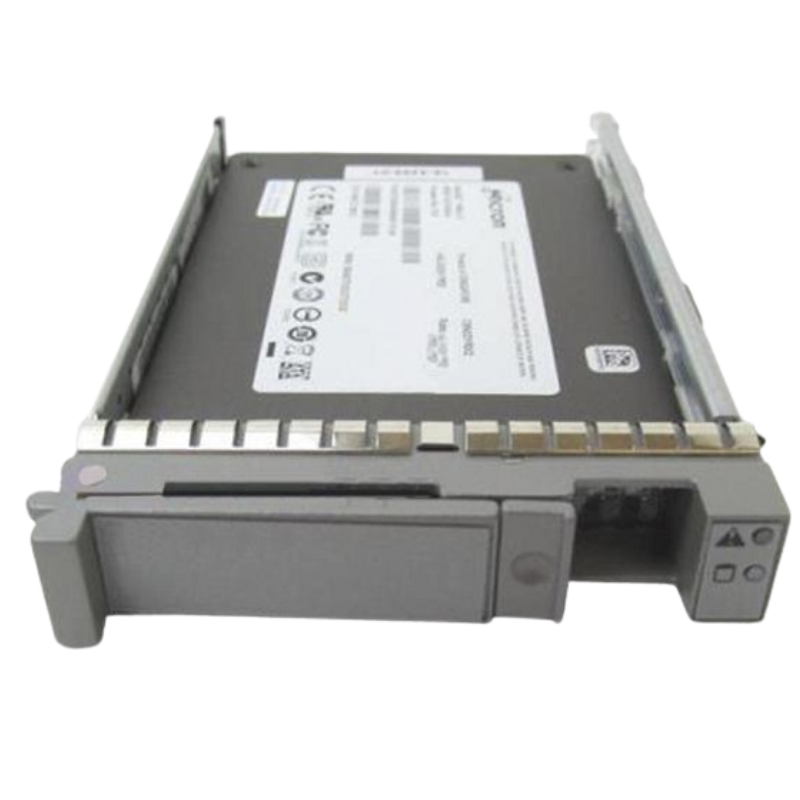
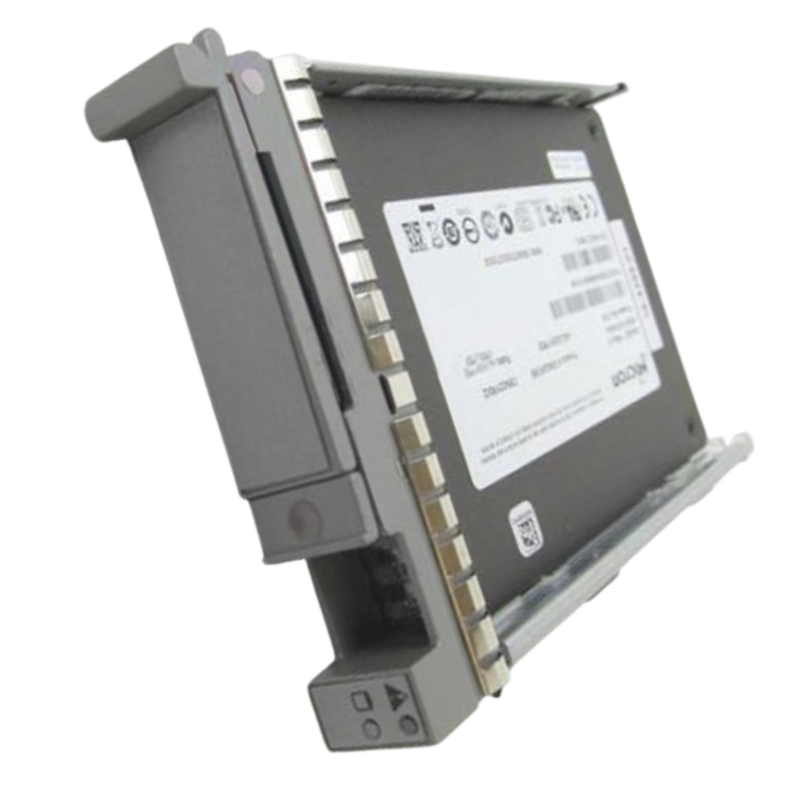
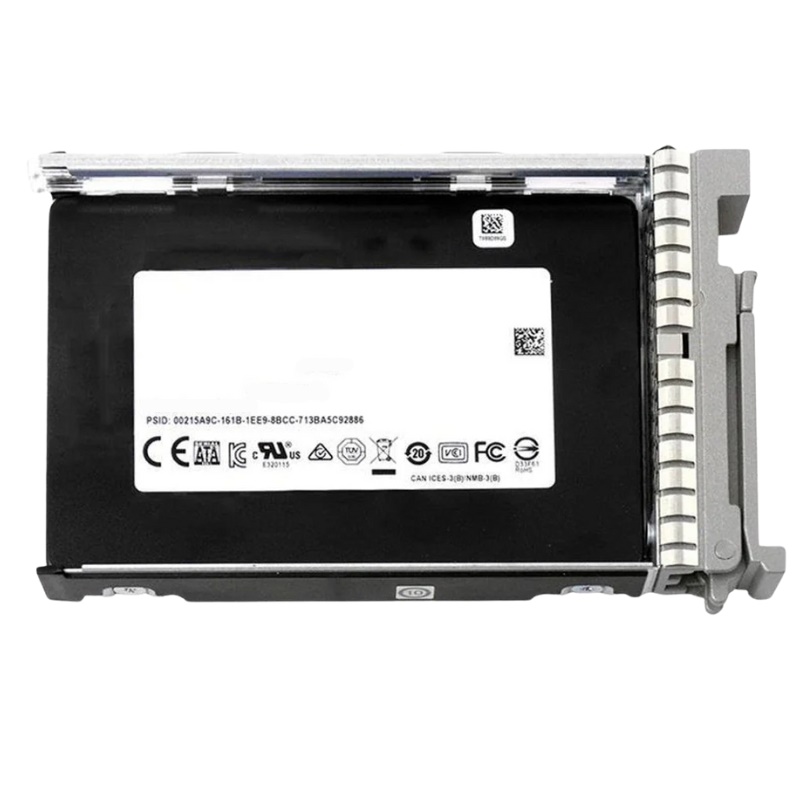
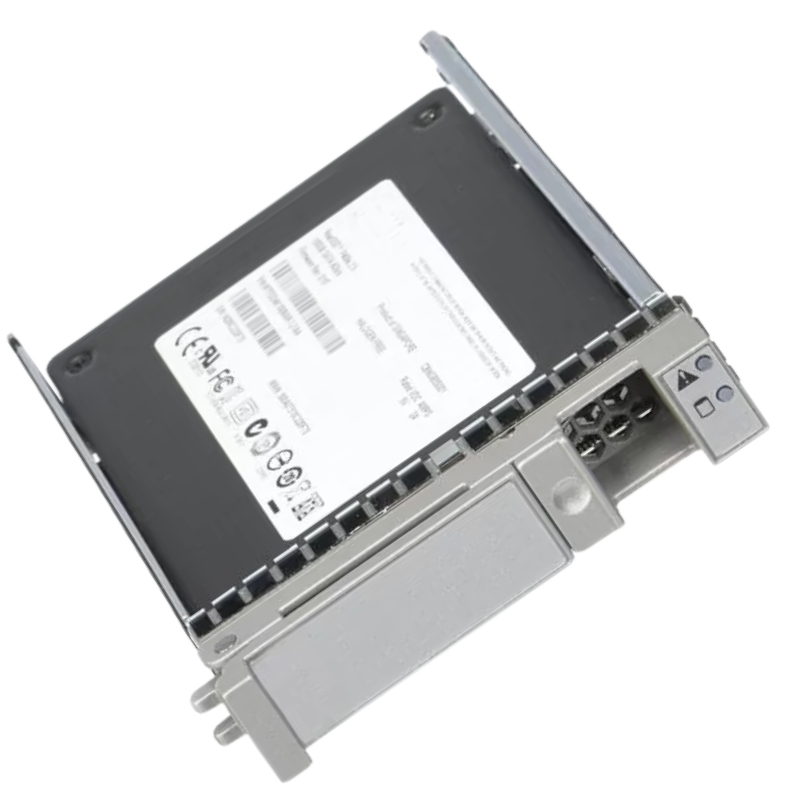
Cisco UCS-SD19TM3X-EP 1.9TB SATA 6GBPS Sff SSD. Excellent Refurbished with 1 year replacement warranty
Discover the Cisco UCS-SD19TM3X-EP, a high-performance 1.9TB SATA 6Gbps SFF (2.5-inch) solid state drive designed for enterprise environments. This hot-swappable drive ensures ultra-reliable performance and seamless integration with Cisco servers.
This high-performance SSD is fully compatible with a wide range of Cisco UCS servers, including:
Designed for Smartplay Select configurations, this SSD supports multiple C220 and C240 variants:
The Cisco UCS-SD19TM3X-EP represents the pinnacle of enterprise-grade SATA solid state storage technology, specifically engineered for demanding data center environments. As part of Cisco's Unified Computing System portfolio, this 1.9TB SSD delivers exceptional performance, reliability, and integration capabilities for modern enterprise infrastructure.
Enterprise storage has undergone a significant transformation from traditional spinning hard disk drives to solid state technology. Cisco's Enterprise Performance SSDs bridge the gap between cost-effective SATA interfaces and the demanding performance requirements of contemporary enterprise applications, offering a balanced solution for various workload types.
The 1.9TB capacity point represents an optimal balance for enterprise environments, providing substantial storage while maintaining performance consistency. This capacity is particularly well-suited for applications requiring large working datasets, including database operations, virtualized environments, and data analytics workloads.
The Small Form Factor (SFF) 2.5-inch design enables high-density storage configurations within Cisco UCS servers and blades. This standardized form factor ensures compatibility across multiple generations of Cisco hardware while optimizing space utilization in rack-mounted environments.
The Serial ATA (SATA) 6 gigabits per second interface provides a robust, mature connectivity standard that offers excellent compatibility and performance characteristics. While newer interfaces like NVMe provide higher bandwidth, SATA 6Gbps remains a workhorse technology for enterprise storage, particularly for capacity-optimized workloads where cost-to-performance ratio is crucial.
Enterprise SATA SSDs differ significantly from consumer-grade SATA drives through enhanced reliability features, power-loss protection, advanced error correction, and extended lifespan capabilities. The Cisco UCS-SD19TM3X-EP implements enterprise-specific enhancements that make it suitable for 24/7 operation in mission-critical environments.
The "Enterprise Performance" designation indicates that this SSD is engineered for sustained performance under heavy workloads, unlike consumer SSDs that may throttle under continuous operation. This classification ensures consistent I/O operations regardless of workload duration or intensity.
Enterprise Performance SATA SSDs typically deliver high random and sequential read/write speeds, with optimized performance for mixed workloads. The specific performance characteristics of the UCS-SD19TM3X-EP make it ideal for read-intensive applications while maintaining strong write capabilities.
Enterprise SSDs are characterized by their high endurance ratings, measured in total bytes written (TBW) or drive writes per day (DWPD). The Cisco UCS-SD19TM3X-EP is engineered to handle extensive write operations throughout its operational lifespan, significantly exceeding consumer-grade alternatives.
The UCS-SD19TM3X-EP is specifically validated for use within Cisco Unified Computing System environments, ensuring seamless integration with UCS Manager, optimal performance within UCS blade and rack servers, and comprehensive management capabilities through Cisco's integrated management framework.
Each drive ships with the appropriate hot-swap tray, facilitating easy installation and serviceability without requiring additional components. The tray design ensures proper airflow, thermal management, and secure mounting within UCS server chassis.
The hot-swap capability allows for drive replacement without powering down the entire server system, a critical feature for maintaining service availability in enterprise environments. This capability supports rapid maintenance, upgrades, and failure recovery while minimizing system downtime.
Proper hot-swap procedures involve coordination with system management software, verification of drive status indicators, and adherence to Cisco's documented replacement processes to ensure data integrity and system stability during drive replacement operations.
Enterprise SSDs include enhanced serviceability features such as status indicators, predictive failure analysis, and detailed telemetry reporting. These features integrate with Cisco's management ecosystem to provide comprehensive monitoring and maintenance capabilities.
The UCS-SD19TM3X-EP utilizes enterprise-grade NAND flash memory, controllers, and firmware specifically designed for 24/7 operation. These components undergo rigorous qualification processes and are subject to more stringent quality control than consumer-grade alternatives.
Advanced error correction codes (ECC), end-to-end data protection, and sophisticated wear-leveling algorithms ensure data integrity throughout the drive's operational life. These technologies work in concert to detect and correct errors, preventing data corruption and maintaining storage reliability.
Enterprise SSDs typically feature significantly higher MTBF ratings compared to consumer drives, reflecting their design for continuous operation in demanding environments. The specific MTBF for the UCS-SD19TM3X-EP demonstrates its suitability for mission-critical applications.
The 1.9TB capacity and enterprise performance characteristics make this SSD ideal for virtualized infrastructure, supporting multiple virtual machines with demanding storage requirements. The consistent performance profile ensures predictable VM performance even under heavy load conditions.
As boot drives for hypervisor installations, these SSDs provide fast system startup, reliable operation, and sufficient capacity for hypervisor software and management components while leaving ample space for virtual machine storage.
Database workloads benefit from the low latency and high IOPS capabilities of enterprise SSDs. The UCS-SD19TM3X-EP can serve as storage for database files, transaction logs, or temporary databases, significantly improving query performance and transaction throughput.
For read-intensive database applications such as data warehouses, reporting databases, or content management systems, the high read performance and capacity of this SSD provide excellent performance characteristics while maintaining cost efficiency.
In multi-tier storage architectures, the UCS-SD19TM3X-EP can serve as a performance tier for active data, working in conjunction with higher-capacity, lower-performance storage tiers. This approach optimizes both performance and cost across the storage infrastructure.
Cisco UCS management capabilities include automated storage tiering that can dynamically move data between performance tiers based on access patterns. The Enterprise Performance SSD serves as the target for frequently accessed data within these automated systems.
Enterprise SSDs are commonly deployed as cache devices to accelerate storage performance. The UCS-SD19TM3X-EP can function as either a read cache, write cache, or combined cache solution, improving application performance while maintaining data persistence through appropriate protection mechanisms.
Compared to traditional hard disk drives, SSDs consume significantly less power while delivering substantially higher performance. The power efficiency of the UCS-SD19TM3X-EP contributes to reduced operating costs and improved power budgeting in dense server configurations.
Enterprise SSDs implement sophisticated power management with multiple active and idle states, optimizing power consumption based on workload demands while maintaining responsiveness to I/O requests.
Enterprise SSDs include secure erase capabilities that efficiently sanitize the entire drive, rendering previous data unrecoverable. This feature is essential for drive repurposing, end-of-life disposal, or security compliance requirements.
For drives supporting encryption, crypto erase provides instantaneous data sanitization by destroying the encryption keys rather than overwriting the physical storage media. This approach offers significant time savings while ensuring complete data destruction.
Understanding the positioning of SATA SSDs relative to SAS and NVMe alternatives helps in appropriate technology selection. SATA provides an optimal balance of performance, capacity, and cost for many enterprise workloads, while SAS offers enhanced reliability features and NVMe delivers maximum performance.
The choice between storage technologies should consider specific workload requirements including IOPS needs, latency sensitivity, capacity requirements, and budget constraints. The UCS-SD19TM3X-EP addresses workloads where SATA provides the optimal technology fit.
Enterprise SATA SSDs deliver excellent performance per dollar, making them suitable for applications where budget constraints must be balanced against performance requirements. This cost efficiency becomes particularly significant at higher capacity points.


 Contact Us
 Information
 Catalog
 Solid State Drives (SSD)
 Network Switches
 Hard Disk Drives
 HBA & Controllers
 PC & Servers
 PC & Server Memory
 CPU & Processors
 Network Routers
 Power Supplies
 Tape Drives & Libraries
 Network Devices
 Computer & Network Cables