(7% discount is applied at checkout)
Cart is empty
Your go-to destination for cutting-edge server products
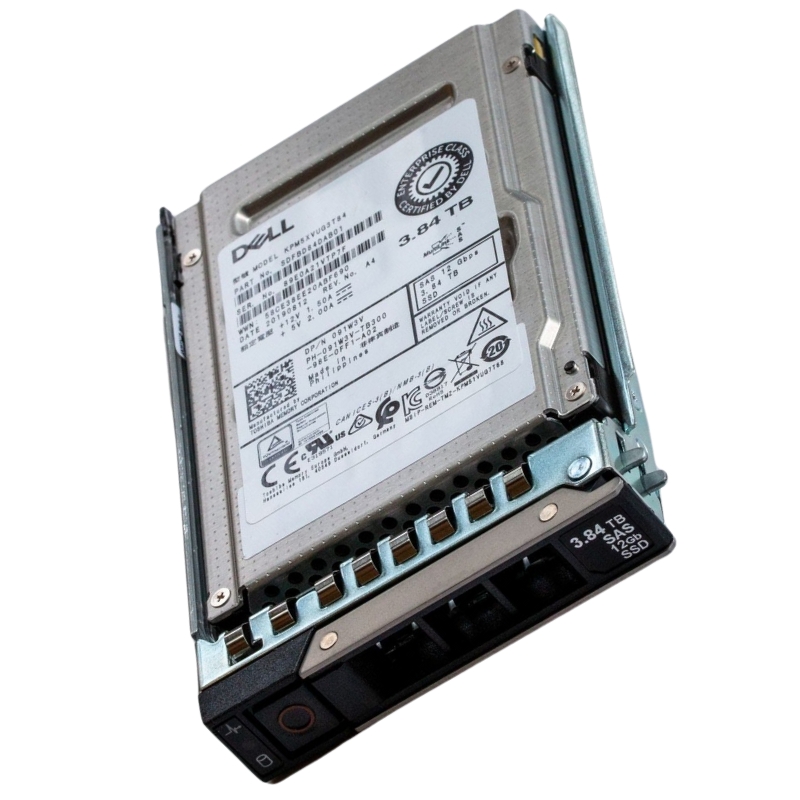


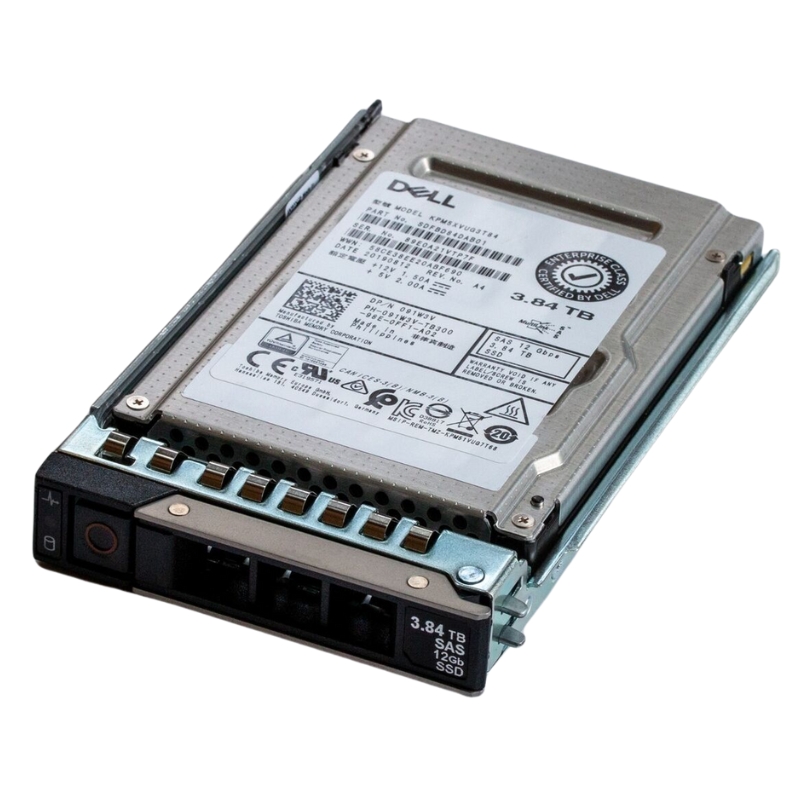
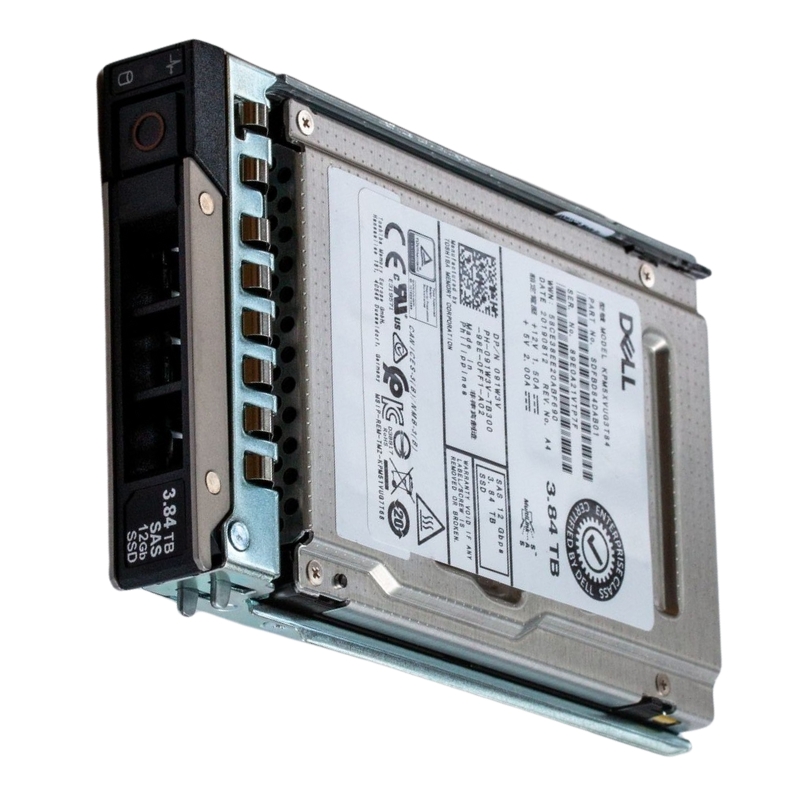
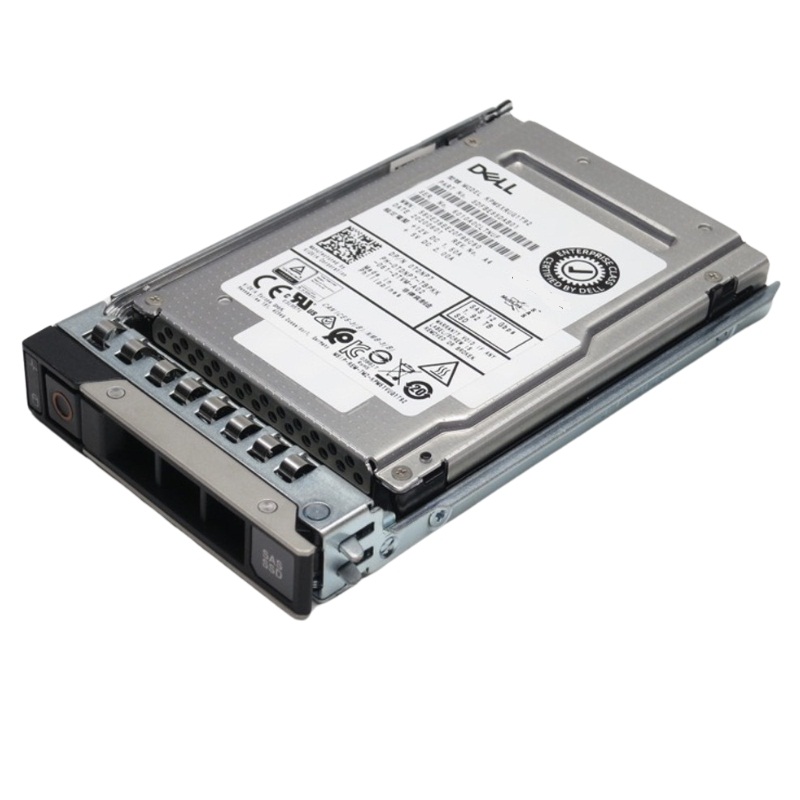
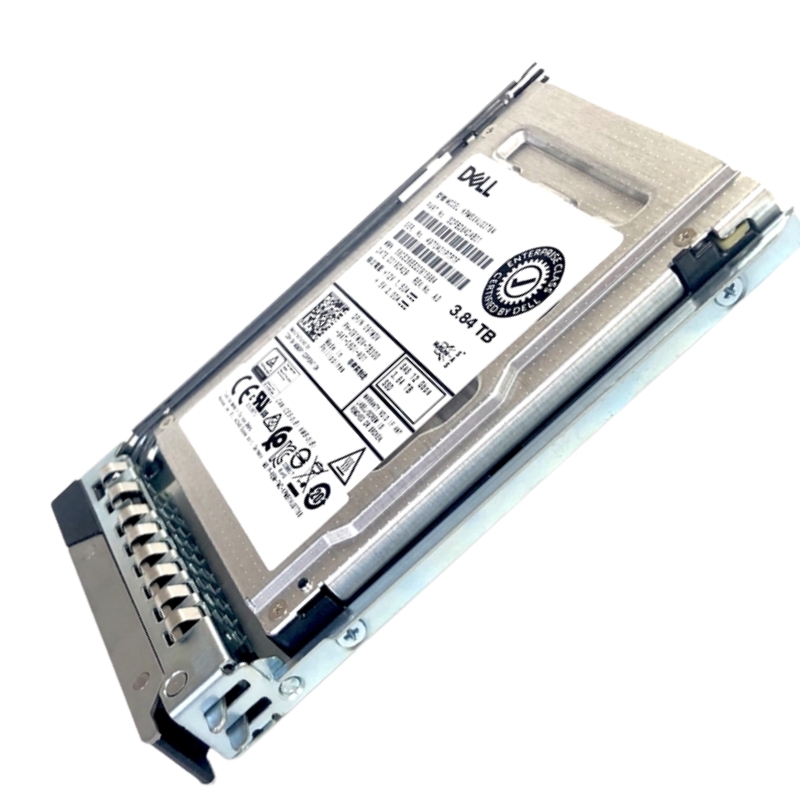
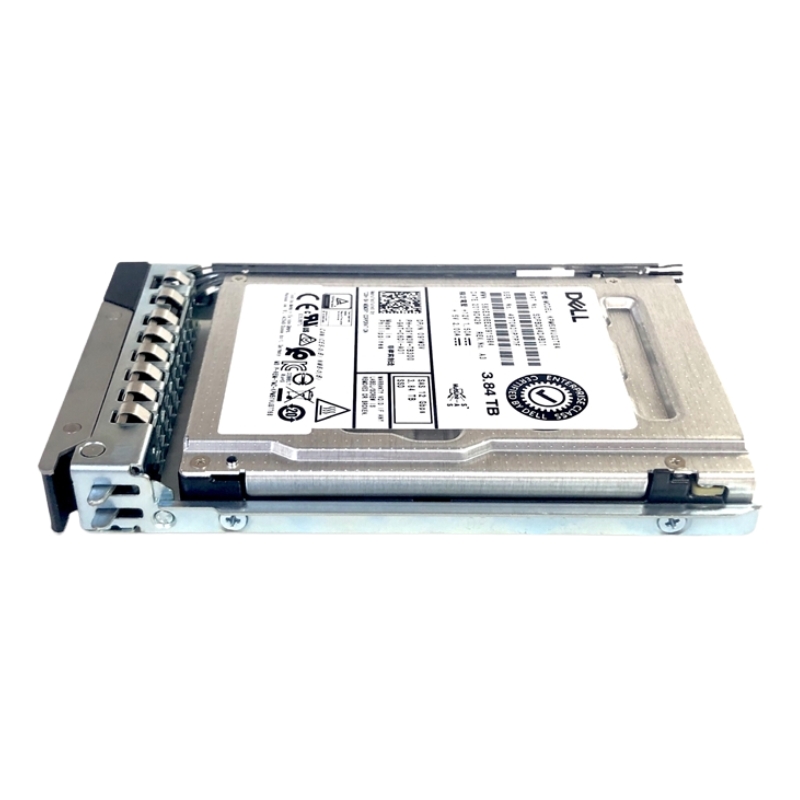
Dell 400-AQMD 3.84TB Read-Intensive TLC SAS-12GBPS 512e SFF Hot-Plug Solid State Drive for Poweredge Server. New Sealed in Box (NIB) with 1 Year Warranty
Dell 400-AQMD Solid-State Drive delivers exceptional read-focused performance, engineered for PowerEdge servers requiring reliable and scalable storage solutions.
This SSD is validated for a wide array of Dell PowerEdge systems, ensuring seamless integration and optimal performance.
The Dell 400-AQMD 3.84TB Read-Intensive TLC SAS 12Gbps 512e 2.5-inch hot plug solid state drive is precisely the kind of storage component designed to meet the demands of modern enterprise workloads. Built to fit standard 2.5-inch bays in PowerEdge servers, this SSD balances a high usable capacity with the reliability characteristics enterprises expect from Dell-branded storage components. The drive’s 3.84 terabyte raw capacity is well-suited to workloads that prioritize read throughput and random read I/O, such as virtualization host storage, content delivery, large-scale database read replicas, and capacity-optimized caching layers in a hybrid storage architecture. Its 2.5-inch form factor and hot plug capability enable rapid serviceability within rack-mounted systems, minimizing downtime during maintenance windows and simplifying upgrades for IT administrators tasked with scaling storage without disrupting critical services.
The use of triple-level cell (TLC) NAND in a read-intensive classification ensures that this SSD offers an attractive mix of cost per gigabyte and endurance characteristics tailored to workloads dominated by read operations. Read-intensive drives optimize firmware, error-correction algorithms, and wear-leveling strategies to extend usable life under high read-to-write ratios, aligning with operational patterns found in object stores, media repositories, analytics nodes, and content caching. While TLC NAND typically stores more bits per cell than MLC or SLC, careful engineering around over-provisioning, controller robustness, and data integrity features allows the Dell 400-AQMD to deliver predictable performance without the price premium associated with higher endurance media. For buyers who need large, enterprise-compatible storage without sacrificing read performance, a read-intensive TLC SAS SSD like this offers a pragmatic solution.
The SAS 12Gbps interface provides a proven, enterprise-ready channel for delivering sustained throughput and consistent low latency under concurrent I/O. SAS remains a preferred interface in mission-critical deployments where dual-port connectivity, robust error handling, and mature multipath support are required. The 512e (512-byte emulation) sector configuration ensures compatibility with a broad range of server firmware, operating systems, and RAID controllers that expect 512-byte logical sectors while supporting higher physical sector implementations internally. This compatibility reduces migration friction when integrating new SSDs into existing PowerEdge fleets and RAID arrays and helps avoid alignment issues that can negatively affect performance. For organizations consolidating storage, migrating virtual machines, or refreshing older arrays, the combination of 12Gbps SAS and 512e logical sector support facilitates smooth rollouts and predictable behavior across diverse software stacks.
Hot plug capability is a defining operational feature for enterprise server environments. The Dell 400-AQMD’s hot-swap readiness allows technicians to replace or add drives while the host remains powered and serving workloads, preserving service-level agreements and reducing maintenance windows. This functionality pairs with standard PowerEdge drive carriers and server chassis that support on-the-fly drive replacement. Hot plug drives are also an essential component in high-availability architectures where individual component replacement must not interrupt clustered services. Whether responding to proactive lifecycle updates or reactively replacing a failed module, the hot plug trait of this SSD simplifies logistical workflows and supports continuous operations across production and staging environments.
Dell calibrates storage firmware and device identifiers to align with PowerEdge server ecosystems, system management tools, and lifecycle management utilities. Drives like the 400-AQMD integrate with the Dell iDRAC and OpenManage suites to expose diagnostic telemetry, SMART attributes, and firmware update paths. This integration enables administrators to monitor health metrics, preemptively replace drives approaching endurance limits, and apply validated firmware updates centrally. Ease of firmware orchestration and visibility into drive health directly reduces operational risk and accelerates mean time to repair. For IT teams managing heterogeneous storage estates, standardized compatibility with PowerEdge management frameworks streamlines automation, alerts, and scheduled maintenance operations across hundreds or thousands of server nodes.
The Dell 400-AQMD is built to deliver low-latency read operations and consistent random read I/O under concurrent thread loads. In production environments where read scalability is critical, the drive’s architecture reduces seek and access time variability that otherwise burden spinning media. When deployed in arrays, these drives contribute to higher aggregate read IOPS and more efficient handling of mixed workloads by offloading read-heavy traffic from primary storage tiers. The SAS 12Gbps backbone mitigates bottlenecks in high-throughput scenarios and preserves headroom when multiple drives operate concurrently. For solutions such as VDI pools, large-scale web hosting, or analytical query engines that perform many small random reads, read-optimized SSDs can drastically reduce query times and improve end-user experience while lowering the total cost of ownership compared to over-provisioning high-endurance media solely for capacity needs.
Deploying the 3.84TB Dell drive within RAID arrays or multipath configurations leverages SAS dual-port advantages and provides redundancy suited to enterprise SLAs. The drive’s logical sector emulation and SAS protocol support enable predictable behavior in hardware RAID controllers and software-defined storage engines that expect standardized block device interfaces. When aggregated in RAID groups, these drives can be paired with controllers that support advanced features such as automatic rebuild prioritization, adaptive caching, and background patrol reads. Multipath configurations further increase availability by allowing alternate paths to the same drive, reducing the impact of a single path failure. These deployment patterns are common in high-uptime data centers where redundancy, rebuild speed, and consistency under failure conditions are top priorities.
Read-intensive SSDs like the Dell 400-AQMD find a natural fit in a range of deployment patterns. Content delivery and caching layers that serve large quantities of static assets gain from fast, consistent read responses. Virtual desktop infrastructure (VDI) solutions see improved boot storms and desktop responsiveness when read latency and random read throughput are optimized. Analytics nodes that perform heavy read scans benefit from lower query latency and improved concurrency. Hybrid tiers that combine a mix of spinning disk capacity with read-optimized SSD caches can yield a significant uplift in read performance without large increases in storage cost per terabyte. In each scenario, the drive’s balance of capacity, SAS reliability, and read-focused firmware makes it an attractive option for architects who require durable, predictable storage behavior for read-centric workloads.
Choosing read-intensive SSDs is most effective when the workload profile demonstrates a high read-to-write ratio, when cost per terabyte is a central concern, and when compatibility with existing SAS infrastructure is required. For write-heavy transactional databases, high-endurance drives may be preferable; however, for large-scale web caching, archival hot layers, and read-mostly virtualization pools, read-optimized TLC SSDs often provide the best value. Storage architects should combine performance monitoring, workload characterization, and cost modeling to determine the optimal mix of drive types across storage tiers. The Dell 400-AQMD represents a pragmatic choice for the read-oriented tier of a tiered storage strategy, enabling administrators to right-size durability and expense across the storage estate.


 Contact Us
 Information
 Catalog
 Solid State Drives (SSD)
 Network Switches
 Hard Disk Drives
 HBA & Controllers
 PC & Servers
 PC & Server Memory
 CPU & Processors
 Network Routers
 Power Supplies
 Tape Drives & Libraries
 Network Devices
 Computer & Network Cables