(7% discount is applied at checkout)
Cart is empty
Your go-to destination for cutting-edge server products
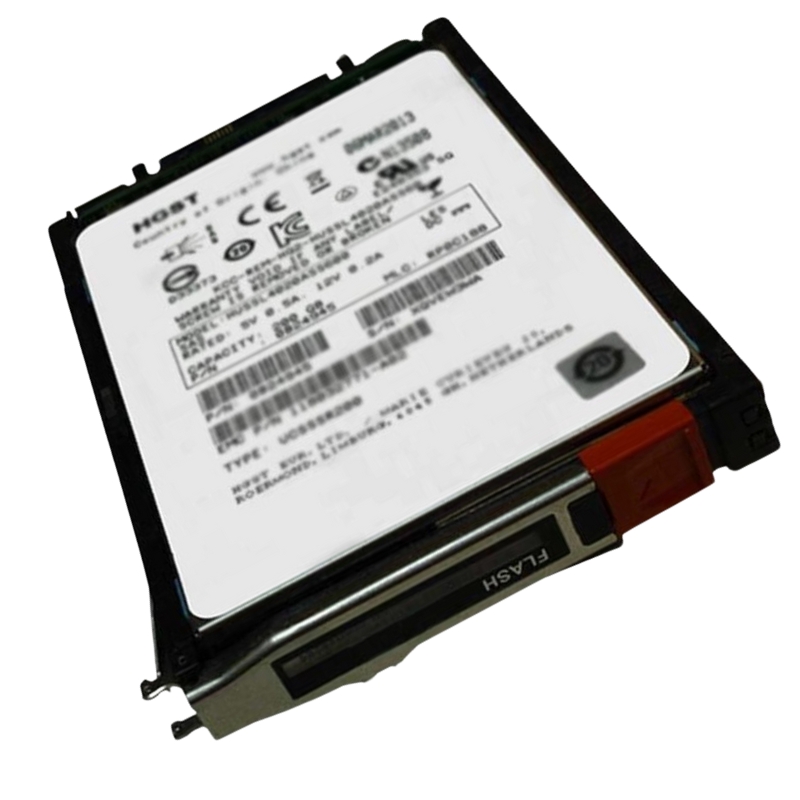


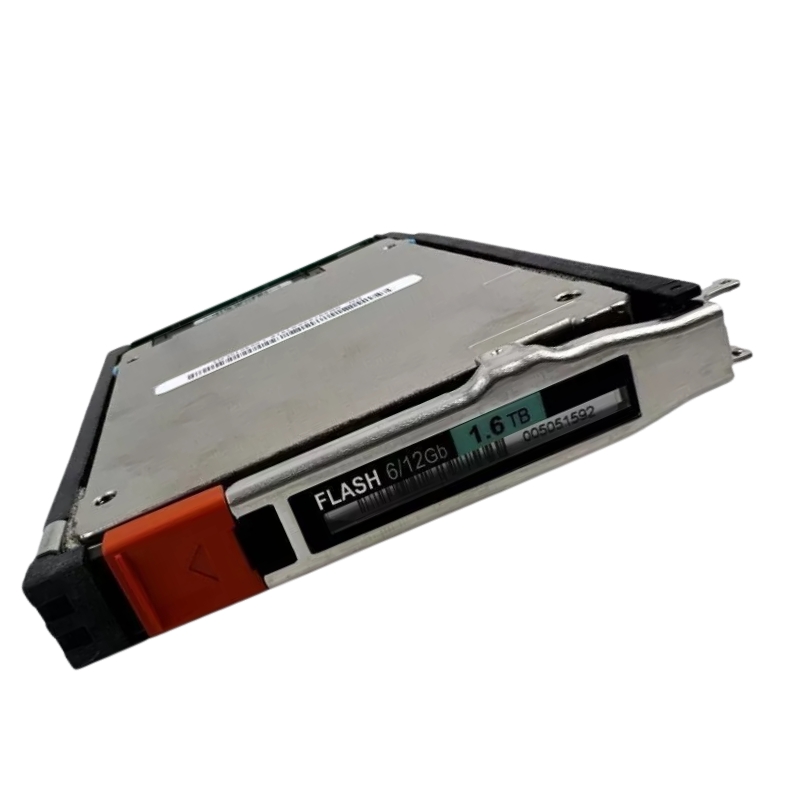
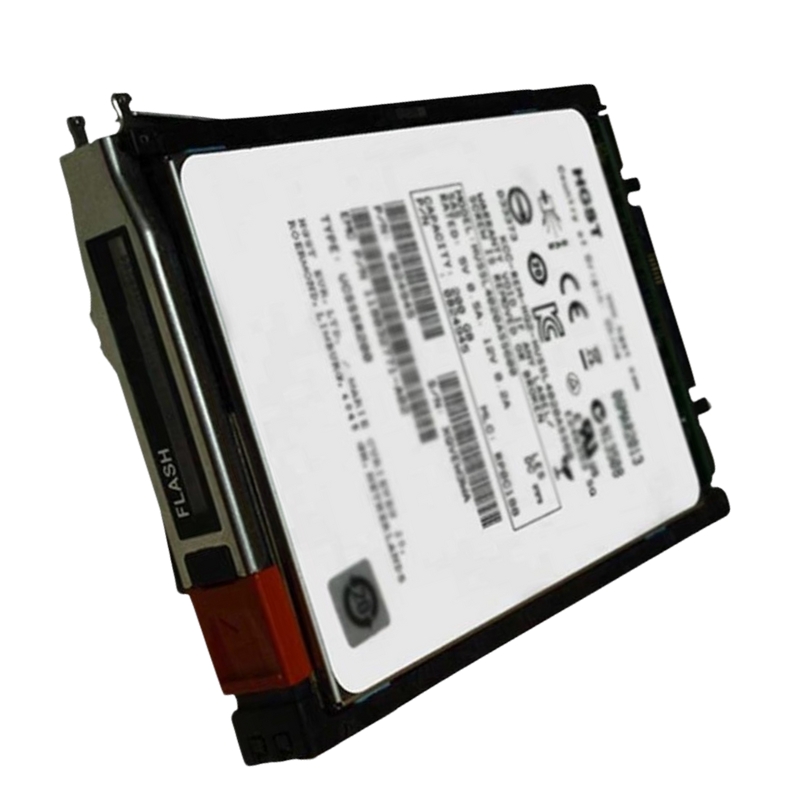
EMC D3N-2S12FX-1600 1.6Tb SAS-6Gbps 2.5Inch SSD. Excellent Refurbished with 1 year replacement warranty
The EMC D3N-2S12FX-1600 enterprise-class solid state drive is engineered for organizations seeking dependable performance, large storage capacity, and strong reliability. This high-performing SSD is designed to meet the demands of data-intensive workloads while delivering enhanced efficiency and consistent throughput.
This model is an internal solid state drive intended for enterprise applications, offering reliable performance for database systems, virtualization, cloud storage, and other business-critical infrastructures.
The 1.6TB capacity provides ample room for mission-critical data, enabling high-density storage without compromising speed or durability.
Featuring a SAS 6Gbps interface, this SSD ensures fast and consistent data transfers. Its capability of reaching 1.2GB/s throughput makes it a dependable choice for environments requiring minimal latency and maximum uptime.
Ideal for corporate IT infrastructures, this EMC drive supports server optimization, application hosting, and high-performance databases.
Data centers benefit from the speed and efficiency of SAS 6Gbps, making the D3N-2S12FX-1600 suitable for virtualization, multi-tenant hosting, and large-scale computing clusters.
With rapid read/write speeds, it is tailored for workloads requiring consistent throughput, such as analytics, content management, and transactional processing.
The EMC D3N-2S12FX-1600 1.6TB SAS-6GBPS 2.5Inch Enterprise Solid State Drive is engineered for mission-critical applications where consistent low latency, high IOPS, and predictable throughput are required. As a 2.5-inch SAS drive that communicates over the 6 Gbps Serial Attached SCSI interface, this SSD is designed to replace or augment spinning media in enterprise arrays, rack servers, storage appliances, and mixed-workload arrays. Its 1.6TB usable capacity positions it as a mid-capacity offering that balances density and performance for database workloads, virtualization hosts, caching tiers, and latency-sensitive analytics.
The physical dimensions of the D3N-2S12FX-1600 conform to the 2.5-inch form factor that is standard in modern server and storage chassis, delivering space-efficient storage density compared with 3.5-inch drives. The SAS 6 Gbps interface provides enterprise-class features such as dual-port accessibility in many implementations, robust error recovery, and compatibility with broad server and storage ecosystems. Internally, the drive pairs enterprise-grade NAND flash with a controller that optimizes wear-leveling, bad block management, and background garbage collection to keep performance steady under sustained load. These design choices translate into improved tail-latency behavior and more deterministic response times under heavy random I/O.
Performance for the EMC D3N-2S12FX-1600 is tuned for enterprise random workloads. The drive is optimized for small-block random reads and writes common to OLTP databases and virtual machine images, and it delivers high IOPS at low single-digit millisecond or sub-millisecond latencies in many deployed configurations. Sustained sequential throughput is also strong for tasks such as large-file transfers, backups, and streaming analytics, although the most significant advantage arises in mixed and random I/O patterns where flash shines compared with HDDs. Enterprise administrators can expect consistent QoS over extended periods due to firmware-managed performance consistency and on-board resources dedicated to maintaining throughput under heavy write pressure.
Endurance for the D3N-2S12FX-1600 is specified to meet enterprise write workload profiles, with TBW (terabytes written) ratings and DWPD (drive writes per day) figures that support continuous operation in server and storage array environments. The drive incorporates power-loss protection mechanisms designed to ensure in-flight data is safely committed to non-volatile media when an unexpected power event occurs, minimizing data corruption risk. Additional reliability mechanisms include advanced ECC algorithms, background media scans to detect and retire failing blocks, and smart error recovery that avoids long stalls during firmware-level repairs. These features together raise the drive's effective mean time between failures (MTBF) and make it suitable for 24/7 production use.
Security-minded enterprises will appreciate on-drive options for data-at-rest protection, such as hardware-based encryption or TCG Opal compliance where available. These encryption capabilities, when paired with centralized key management, enable organizations to meet regulatory requirements and internal governance standards for sensitive data. The drive supports common enterprise management protocols and exposes SMART attributes for predictive monitoring. Firmware update paths and vendor-supplied diagnostic utilities provide administrators with the tools necessary to keep fleet firmware current, interpret health reports, and schedule proactive maintenance. These manageability features reduce operational risk and help maintain service-level agreements.
Firmware on enterprise SSDs like the EMC D3N-2S12FX-1600 is a critical component of long-term reliability and performance. Firmware updates can improve compatibility, close security gaps, and optimize internal processes such as garbage collection and wear-leveling. Administrators should adopt a lifecycle management approach that includes validating firmware releases in test environments before updating production systems. Vendor diagnostic packages and drive health reporting make it possible to identify drives with degrading attributes and to take them out of service before failure. Fleet-level monitoring combined with a replacement policy based on SMART telemetry and TBW counters helps extend overall storage system uptime and predictability.
Because the EMC D3N-2S12FX-1600 uses the SAS 6 Gbps protocol and a standard 2.5-inch form factor, it is broadly compatible with enterprise-class servers and storage controllers that provide SAS connectivity. It is essential, however, to verify compatibility with the specific RAID controllers, backplanes, and storage controllers in each deployment, as firmware interplay and enclosure-specific settings can influence behavior. When integrating into existing arrays, administrators should consult hardware compatibility lists (HCLs) and test for features such as multipathing, port failover, and hot-swap behavior. In converged infrastructures where multiple vendors' hardware coexists, validating end-to-end compatibility ensures that advanced features like secure erase, encryption, and firmware updates function reliably.
In RAID configurations, using enterprise SSDs like the D3N-2S12FX-1600 offers massive improvements in rebuild times and predictable latency under failure conditions compared to HDD-only arrays. When planning RAID layouts, storage architects must consider rebuild impact and the possibility of encountering increased write amplification during rebuild operations. Choosing an appropriate RAID level, understanding the interplay of RAID controller cache and drive behavior, and allocating spare capacity for background rebuilds are all crucial. Mixing SSDs and HDDs in hybrid arrays is common; using the EMC drive as a cache tier or as high-performance hot-tier storage allows legacy capacity tiers to be preserved while delivering fast access to the most frequently used data sets.
To maintain consistent performance in RAID, schedule rebuilds during low-activity windows when possible and monitor drive SMART attributes closely during rebuild operations. Configure RAID controllers to use features that reduce write amplification, such as intelligent caching algorithms and optimized background scrubs, and ensure that controller firmware is kept current. Avoid mixing drives with significantly different performance or endurance characteristics within the same RAID group, as the slowest member can become a bottleneck. Additionally, consider overprovisioning and reserve capacity to help the drive manage wear-leveling more effectively and to sustain peak performance for longer.
Enterprise SSDs dissipate heat during sustained high I/O, and the D3N-2S12FX-1600 is no exception. Proper airflow and thermal management in server chassis and storage enclosures are essential to sustain performance and to avoid thermal throttling. Rack-level deployments should be designed to permit consistent airflow across drive bays, and administrators should monitor inlet and internal temperatures relative to the drive's specified operating range. In some dense configurations, chassis fans or optimized airflow baffles may be required. Observing manufacturer-recommended thermal profiles helps maintain warranty coverage and avoid premature performance degradation due to excessive heat.
The 2.5-inch enterprise form factor combined with SAS interface typically supports hot-swapping, allowing failed drives to be replaced without taking systems offline. Hot-swap trays and carrier designs vary by vendor, so it's important to follow the enclosure manufacturer's service instructions for safe replacement and to ensure that drive handles, tray latches, and indicators are correctly aligned for quick identification and removal. Properly labeling and documenting drive locations in arrays reduces mean time to repair and avoids accidental removal of operational devices during maintenance.
The EMC D3N-2S12FX-1600 excels across a variety of enterprise workloads. Transactional database systems that require low tail latency for read and write operations will benefit from the drive's rapid random I/O performance. Virtual desktop infrastructure (VDI) environments, where unpredictable spikes in IOPS are common as many virtual machines boot or run concurrent tasks, will see improved responsiveness and reduced contention. Analytics systems that perform frequent small reads, high concurrency web application backends, and metadata services in file systems are other ideal targets. For content delivery and caching, the drive provides the responsiveness needed to serve requests quickly while reducing load on spinning media tiers.
Organizations should opt for the D3N-2S12FX-1600 when they require enterprise features such as the SAS protocol's reliability, compatibility with existing SAS-based controllers or arrays, and a balance of endurance and capacity at the 1.6TB tier. In environments where NVMe is not yet supported or where controller ecosystems are tightly coupled to SAS, choosing a high-quality SAS SSD makes sense. Conversely, greenfield deployments that prioritize maximum raw throughput and the lowest possible latency might evaluate NVMe alternatives; however, the EMC SAS drive remains compelling where management simplicity, broad compatibility, and mature ecosystem support are priorities.


 Contact Us
 Information
 Catalog
 Solid State Drives (SSD)
 Network Switches
 Hard Disk Drives
 HBA & Controllers
 PC & Servers
 PC & Server Memory
 CPU & Processors
 Network Routers
 Power Supplies
 Tape Drives & Libraries
 Network Devices
 Computer & Network Cables