(7% discount is applied at checkout)
Cart is empty
Your go-to destination for cutting-edge server products


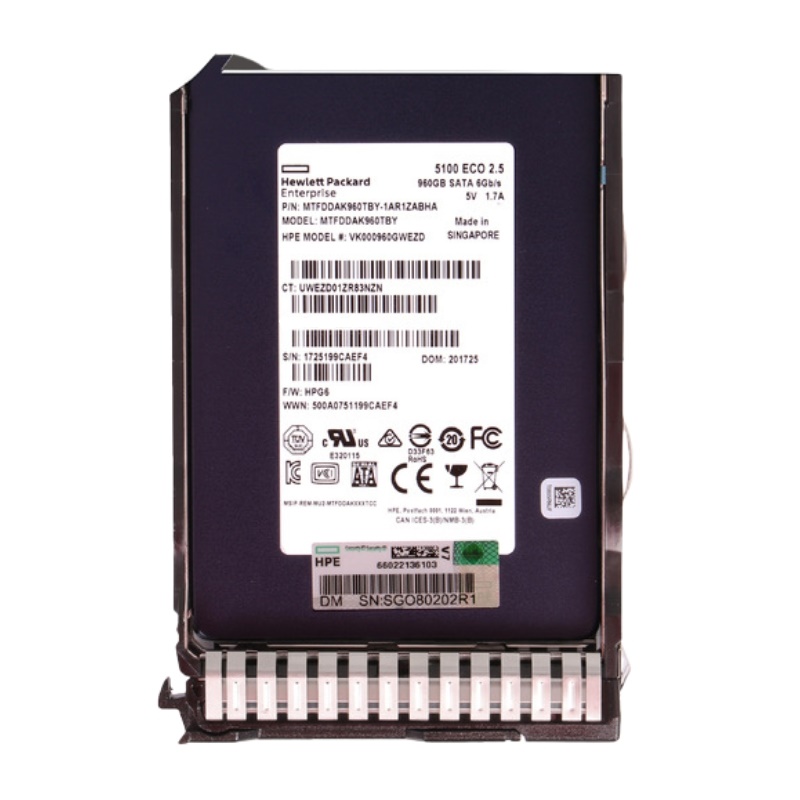
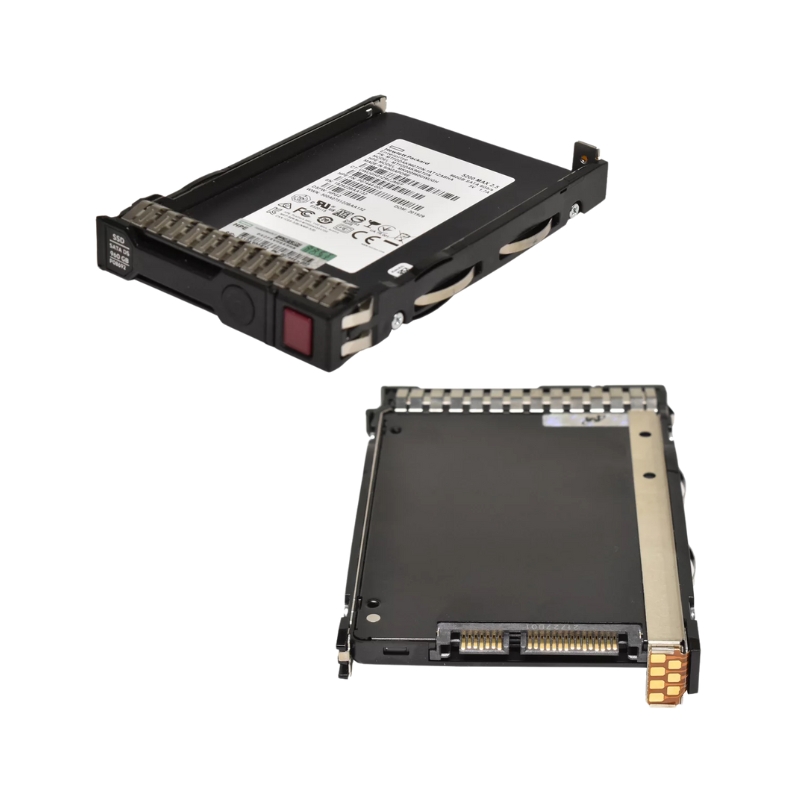
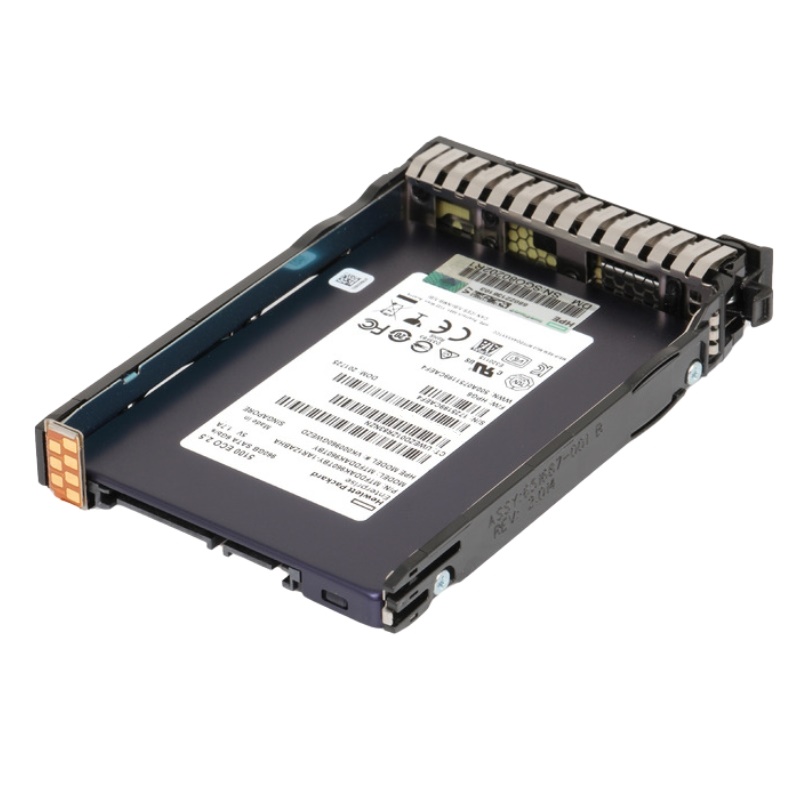
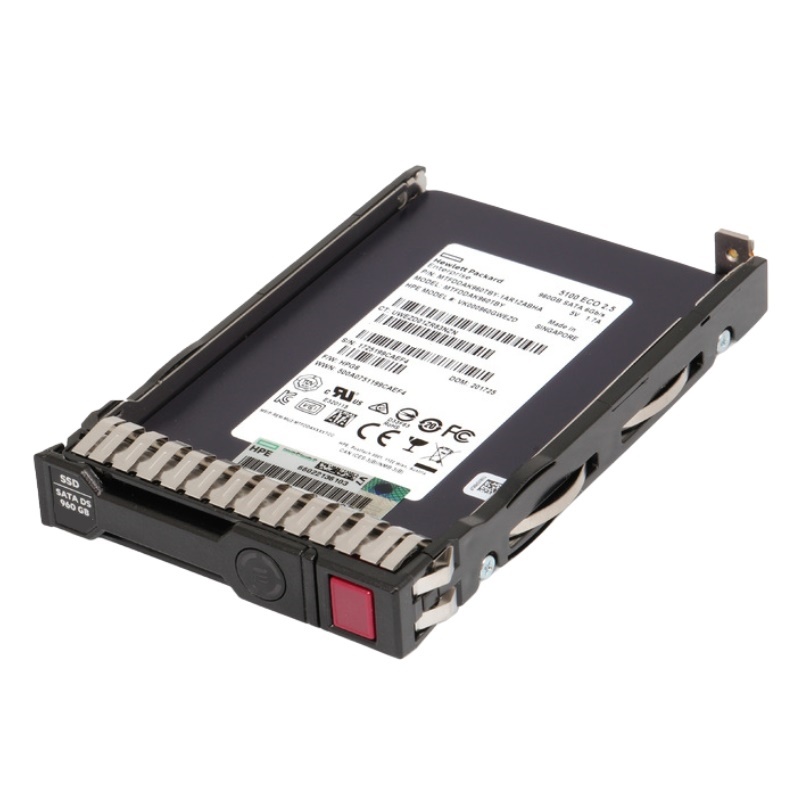
HPE P41528-001 960GB SATA 6GBPS SFF Mixed Use SSD. Excellent Refurbished with 1 Year Replacement Warranty
| SKU/MPN | Warranty | Price | Condition | You save |
|---|---|---|---|---|
| P41528-001 | 1 Year Warranty | $759.00 | Excellent Refurbished | You save: $265.65 (26%) |
| P41528-001 | 1 Year Warranty | $1,426.00 | Factory-Sealed New in Original Box (FSB) | You save: $499.10 (26%) |
The HPE P41528-001 960GB SATA 6Gbps SSD is an advanced enterprise-grade storage solution engineered for consistent speed, endurance, and compatibility. Designed for HPE Gen10 Plus Servers, this drive offers a perfect balance between performance and reliability for mixed workload environments.
The HPE P41528-001 960GB SATA 6Gbps SFF Mixed Use SSD belongs to a focused category of enterprise-class solid-state drives engineered for mixed-use workloads. These drives are designed to deliver a balanced combination of read and write performance, endurance, and reliability for data center applications that require both capacity and consistent I/O performance. In category terms, this SKU sits at the intersection of enterprise SATA storage, SFF (Small Form Factor) 2.5-inch mechanical compatibility, and a mixed-use endurance class — making it ideal for virtualization hosts, database acceleration, caching layers, and general-purpose server storage where QoS and longevity are critical.
With a nominal usable capacity of 960GB, the P41528-001 is aimed at workloads that demand substantial solid-state capacity without the premium of NVMe tier pricing. The near-1TB capacity gives administrators flexibility to consolidate more VMs or datasets per drive, reduce device count, and simplify drive management. In mixed-use categories, 960GB balances per-drive endurance and cost per GB — an important metric for procurement and TCO calculations.
The drive uses the industry-standard SATA III (6.0 Gbps) interface. While SATA cannot match NVMe's raw throughput or queue depth, it provides broad compatibility with existing server backplanes, legacy storage arrays, and many HPE server platforms. For environments where infrastructure change is limited or where SATA ports/backplanes are plentiful, SATA 6Gbps offers predictable performance and mature driver support.
The 2.5-inch SFF form factor fits dense server trays and storage enclosures, allowing administrators to pack more drives per U space compared to 3.5" drives. This drives up storage density in rack deployments, lowers cooling challenges per TB because of smaller mechanical size, and simplifies upgrades in servers that accept SFF form factor drives. SFF is the standard option for many HPE rack and blade systems.
“Mixed use” describes drives engineered to handle a higher proportion of write operations than read-optimized consumer drives while still delivering strong read performance. This classification sits between read-centric (e.g., archival/boot) and write-heavy (e.g., logging/analytics) endurance classes. Mixed-use SSDs are typically rated in drive writes per day (DWPD) or total terabytes written (TBW) that support sustained mixed I/O patterns over several years — a crucial characteristic for database servers, mail systems, and virtualization hypervisors.
Enterprise HPE-branded SSDs such as the P41528-001 generally include firmware features like power-loss protection, advanced wear-leveling, and error-correcting code (ECC). These features increase the Mean Time Between Failures (MTBF) and reduce the likelihood of data corruption during unexpected power events. For IT teams, these features translate into predictable maintenance windows, reduced unplanned downtime, and stronger confidence for SLAs.
SATA mixed-use SSDs are optimized for a balanced mix of sequential and random I/O. Sequential throughput is important for large-file transfers, backups, and bulk replication tasks. Random I/O performance — measured in IOPS (Input/Output Operations Per Second) — is crucial for transactional workloads like databases and virtual desktop infrastructure (VDI). The P41528-001 typically delivers higher IOPS than spinning media and much lower latency, improving application responsiveness under mixed workloads.
One of the primary performance benefits of enterprise SSDs is low and consistent latency. For latency-sensitive applications (OLTP databases, email servers, VDI), predictable I/O completion times are more valuable than peak throughput. Mixed-use SSDs aim to preserve low-latency behavior across both read and write operations, reducing tail latency and improving user experience under load.
Benchmarks run in isolated test environments will show idealized maximum throughput and IOPS figures. In real deployments, mixed I/O patterns, concurrent workloads, storage stack overhead (RAID controllers, HBA firmware), and host CPU contention all shape delivered performance. When planning capacity and performance for the P41528-001, architects should model workloads using real traces (database access patterns, VM IO profiles) rather than relying solely on synthetic numbers.
The 2.5" SATA form factor is supported across many HPE ProLiant servers, Gen9/Gen10/Gen11 families (depending on chassis), and certain blade enclosures. Confirming backplane compatibility and firmware readiness is essential — some HPE systems require controller firmware that recognizes enterprise SATA drives and enables health telemetry mapping into iLO or array management utilities.
Many deployments use hardware RAID or HBA/RAID controller modes. Mixed-use SSDs can behave differently behind RAID layers compared to direct-attached NVMe. Controllers that support TRIM/UNMAP and proper SSD pass-through improve sustained performance and longevity. Where possible, align RAID stripe sizes and cache policies with typical IO sizes of your applications to maximize effective throughput.
SATA is universally supported across mainstream server OSes: RHEL/CentOS, Ubuntu Server, Windows Server, VMware ESXi, and others. However, ensuring the latest storage controller drivers and firmware is critical to avoid unexpected behavior and to leverage drive SMART attributes for monitoring. For VMware deployments, use vendor compatibility guides to confirm full support of the drive model and firmware revision.
VDI and mixed-tenant virtualization benefit from the P41528-001’s balanced read/write profile. Increased IOPS and low latency accelerate VM boot storms, improve application responsiveness, and reduce CPU wait times. In HCI clusters, these drives are often used in caching tiers or as primary storage in small-to-mid-scale node configurations to strike a balance between performance and capacity.
Mixed-use drives are appropriate for transactional databases that execute both frequent reads and writes — OLTP systems, small-to-medium sized SQL or NoSQL databases, and application servers. By delivering consistent write endurance and predictable latency, these drives help maintain strict transaction latency targets.
Remote or branch office servers often require reliable local storage that is simple to manage. Mixed-use SATA SSDs provide improved reliability over spinning disks with easier deployment and compatibility with older host hardware. Their lower power draw, shock resistance, and small footprint also make them well-suited for ruggedized or constrained environments at the edge.


 Contact Us
 Information
 Catalog
 Solid State Drives (SSD)
 Network Switches
 Hard Disk Drives
 HBA & Controllers
 PC & Servers
 PC & Server Memory
 CPU & Processors
 Network Routers
 Power Supplies
 Tape Drives & Libraries
 Network Devices
 Computer & Network Cables