(7% discount is applied at checkout)
Cart is empty
Your go-to destination for cutting-edge server products
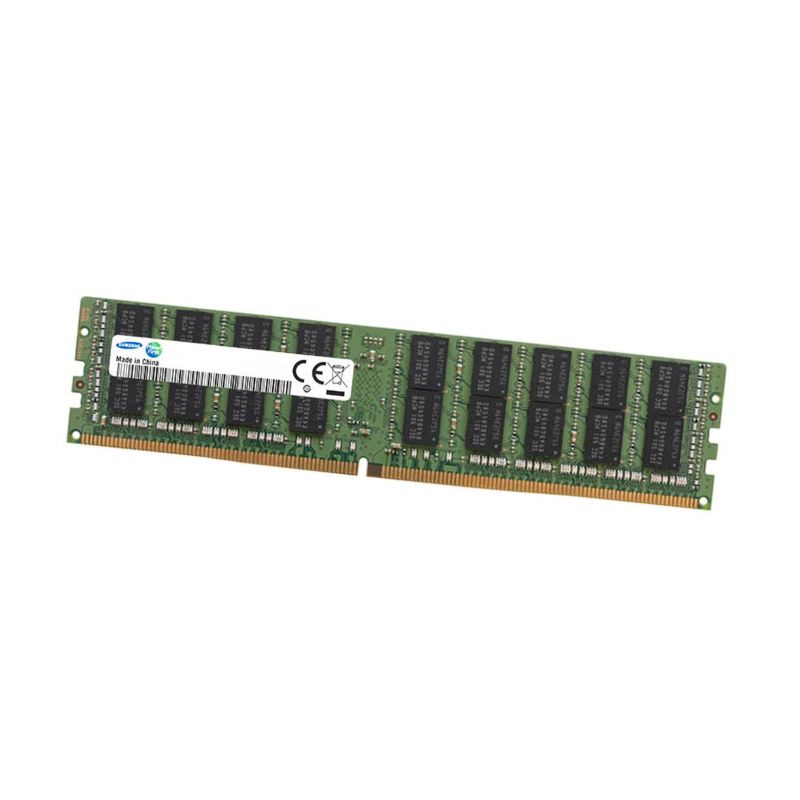


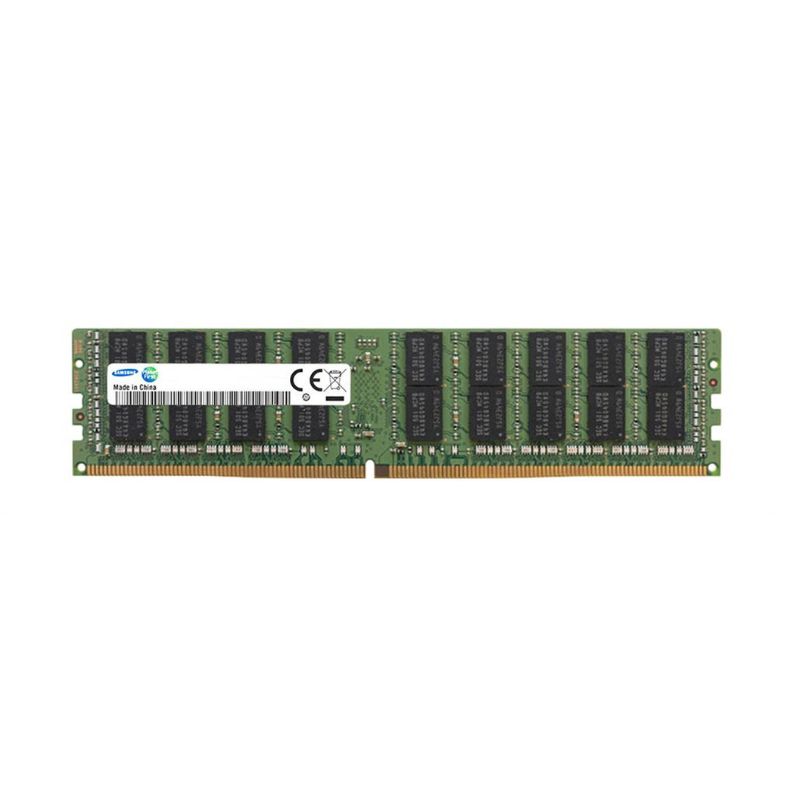
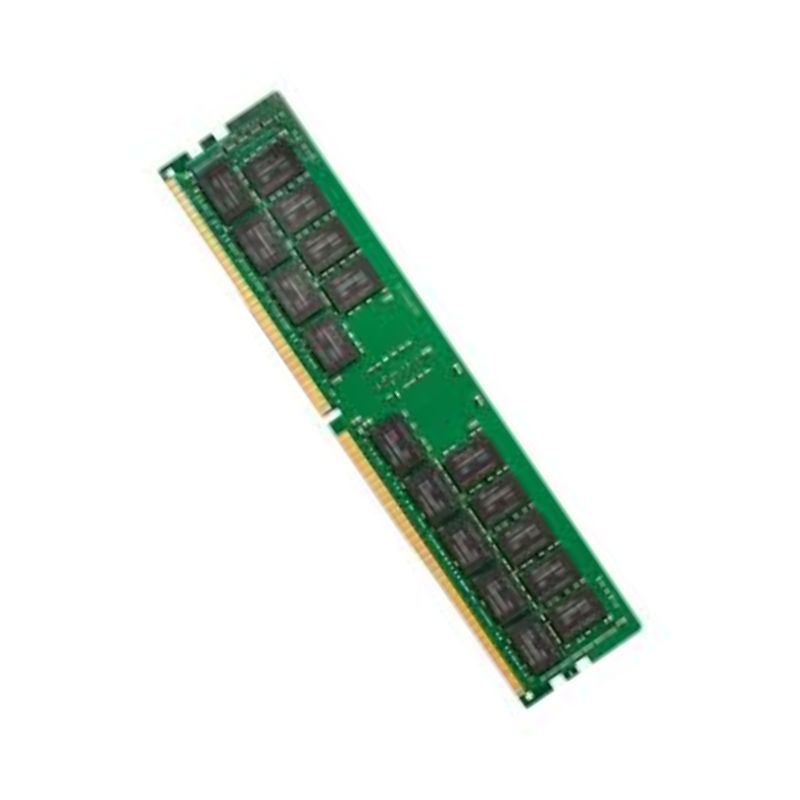
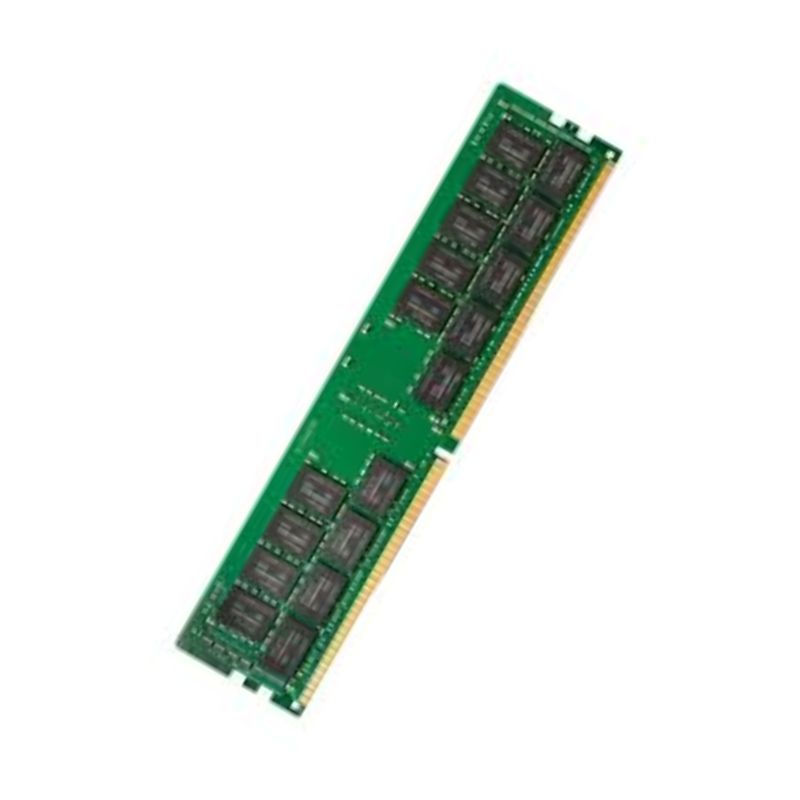
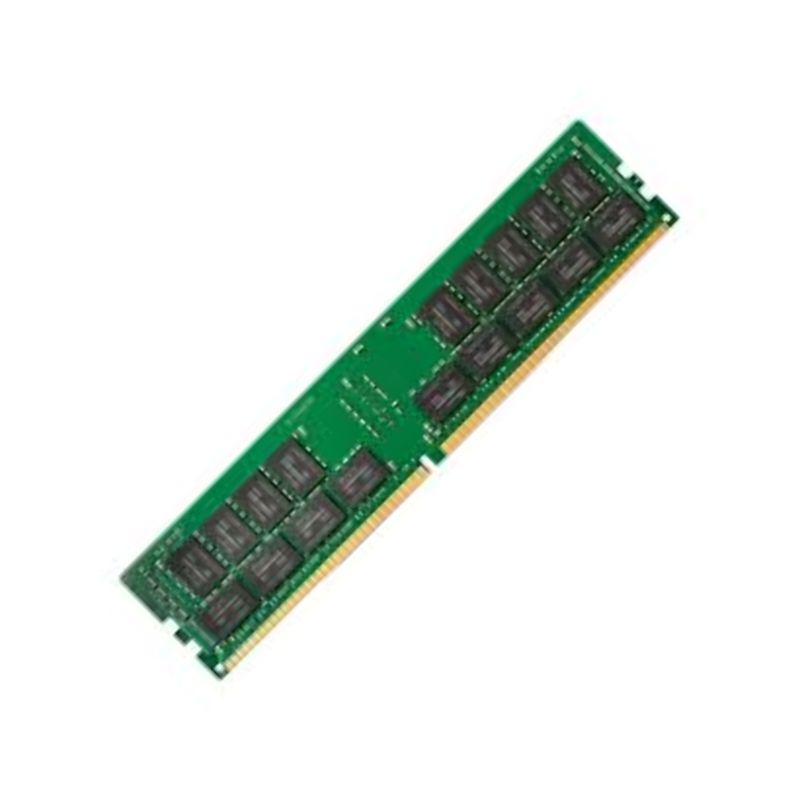
Samsung M386ABG40M5B-CYFBQ 256GB 2933Mbps PC4-23400 288-Pin LRDIMM Memory Module. New (System) Pull with 1 year replacement warranty
Discover high-performance server memory designed for speed, reliability, and efficiency. The Samsung M386ABG40M5B-CYFBQ delivers exceptional capacity and advanced features for enterprise workloads.
The Samsung M386ABG40M5B-CYFBQ 256GB DDR4 LRDIMM memory module represents a high-capacity enterprise memory category designed specifically for mission-critical server and data center environments. This category focuses on load reduced dual inline memory modules that leverage advanced buffer technology to minimize electrical load on the memory controller, allowing significantly higher capacities per slot compared to standard RDIMM solutions. Operating at DDR4-2933 speed and aligned with the PC4-23400 standard, this memory class is engineered to deliver a balance of capacity density, bandwidth efficiency, and signal integrity stability across multi-socket server platforms.
Within the enterprise DDR4 ecosystem, LRDIMM modules occupy a specialized position where memory scalability and reliability are essential. The 256GB capacity per module enables system architects to populate servers with terabytes of system memory while maintaining optimal channel loading characteristics. This category is widely adopted in virtualization hosts, in-memory databases, enterprise analytics platforms, and cloud infrastructure nodes where memory footprint directly impacts workload performance and consolidation ratios.
The DDR4-2933 specification defines a data transfer rate of 2933 megatransfers per second, translating into a theoretical bandwidth of 23.4 gigabytes per second per memory channel under the PC4-23400 classification. This performance tier supports modern Intel Xeon and AMD EPYC server processors that rely on high memory throughput to sustain multi-threaded and memory-intensive applications. The Samsung M386ABG40M5B-CYFBQ module fits squarely within this category, ensuring compatibility with enterprise platforms designed around DDR4-2933 operation.
Memory modules in this category are optimized for sustained bandwidth rather than peak consumer-style overclocking. The CL21 latency rating is carefully tuned to maintain timing stability across large memory arrays and multi-DIMM configurations. This approach prioritizes predictable response times and data integrity, which are far more critical in enterprise computing environments than marginal latency reductions.
CAS latency 21 is a standard timing specification for high-capacity DDR4-2933 LRDIMM modules. In this category, latency tuning is designed to accommodate the additional buffering logic inherent to load reduced designs while still providing efficient access times for server-class CPUs. This ensures consistent memory access patterns for transactional databases, virtual machines, and large-scale data processing workloads.
By maintaining JEDEC-compliant timings, the Samsung M386ABG40M5B-CYFBQ category avoids compatibility issues and allows system firmware to manage memory training and error handling effectively. This results in predictable performance under heavy, continuous load scenarios common in enterprise data centers.
Load reduced DIMM memory modules incorporate a specialized isolation memory buffer that electrically decouples the DRAM chips from the memory controller. This technology is central to the LRDIMM category and enables higher memory capacities without exceeding the electrical loading limits of the CPU memory controller. The Samsung 256GB LRDIMM module exemplifies this design, allowing server platforms to support large memory configurations with fewer compromises in speed or stability.
Compared to traditional registered DIMMs, LRDIMM solutions significantly reduce the signal load on the memory bus. This allows more ranks and higher density DRAM packages to be used per module, making 256GB capacities feasible within standard 288-pin DDR4 form factors. This category is especially valuable in systems where maximizing memory per socket is a priority.
The isolation buffer used in load reduced memory modules is engineered for low latency and efficient power consumption. In the Samsung M386ABG40M5B-CYFBQ category, this buffer plays a critical role in maintaining clean signal transitions and reducing reflections across the memory channel. The result is improved signal integrity even when all memory slots are fully populated.
Thermal behavior is also carefully managed in this category. High-capacity LRDIMM modules generate additional heat due to increased DRAM density, but advanced PCB layouts and optimized buffer designs help maintain stable operating temperatures within server chassis airflow specifications.
Error correcting code functionality is a defining feature of this enterprise memory category. ECC registered memory continuously monitors and corrects single-bit errors while detecting multi-bit faults, ensuring data accuracy in environments where even minor memory errors can lead to system instability or data corruption. The Samsung M386ABG40M5B-CYFBQ 256GB module integrates ECC at the hardware level, providing transparent protection without impacting application performance.
Registered memory architecture further enhances reliability by buffering address and command signals before they reach the DRAM chips. This reduces electrical noise and timing skew, which is especially important in high-capacity configurations with octal rank layouts. Together, ECC and registered signaling form the foundation of enterprise-grade memory reliability.
Systems deployed in financial services, healthcare, telecommunications, and cloud infrastructure rely on ECC registered memory to maintain uptime and data consistency. This category of Samsung LRDIMM modules supports continuous operation under heavy load, making it suitable for 24/7 data center environments where maintenance windows are limited.
The combination of ECC correction and registered buffering ensures that memory-related faults are minimized, contributing to overall system resilience and reduced operational risk.
The octal rank x4 configuration of the Samsung M386ABG40M5B-CYFBQ module reflects its high-density design. Octal rank indicates that the module contains eight logical ranks, each composed of x4 width DRAM devices. This structure allows the memory controller to interleave access across multiple ranks, improving effective bandwidth utilization and reducing access contention.
x4 DRAM organization is a common requirement for ECC implementations, as it allows more granular error detection and correction. In this category, x4 devices are paired with ECC logic to enhance fault isolation and maintain data accuracy even in the presence of hardware anomalies.
Octal rank LRDIMM modules are specifically designed for large-scale systems where each CPU socket may support multiple memory channels and slots. The reduced electrical loading of LRDIMM technology ensures that octal rank configurations remain stable even when memory channels are fully populated.
This scalability makes the category ideal for high-end servers supporting virtualization clusters, SAP HANA deployments, and large in-memory analytics platforms.
A single 256GB memory module represents a significant advancement in DDR4 memory density. This category enables system designers to achieve multi-terabyte memory capacities with fewer modules, reducing slot usage and simplifying memory population strategies. For example, fewer high-capacity modules can replace numerous lower-capacity DIMMs, improving airflow and reducing overall power consumption.
The Samsung M386ABG40M5B-CYFBQ category is particularly advantageous in systems with limited DIMM slots per socket. By maximizing capacity per slot, organizations can extend the usable life of existing server platforms while meeting growing memory demands.
In virtualized environments, memory capacity directly affects the number of virtual machines that can be hosted per server. High-density LRDIMM modules allow cloud providers and enterprise IT teams to increase consolidation ratios without sacrificing performance. This results in improved resource utilization and reduced hardware footprint.
Large memory pools also benefit containerized workloads and microservices architectures, where dynamic memory allocation and scaling are essential.
The 1.2-volt operating specification is a standard feature of DDR4 memory and contributes to improved power efficiency compared to earlier DDR3 technologies. In the Samsung M386ABG40M5B-CYFBQ category, this lower voltage is especially important given the high capacity and rank count of the module.
Reduced voltage operation lowers overall power draw and heat generation, which is critical in dense data center deployments. When multiplied across dozens or hundreds of servers, the power savings achieved by DDR4 LRDIMM modules can be substantial.
Power efficiency directly influences thermal output. High-capacity memory modules must maintain safe operating temperatures to ensure long-term reliability. The DDR4 LRDIMM category incorporates design optimizations that balance performance and thermal stability, supporting continuous operation in rack-mounted server environments.
The 288-pin DIMM form factor is standard for DDR4 memory and ensures mechanical compatibility with modern server motherboards. The Samsung M386ABG40M5B-CYFBQ module adheres to JEDEC specifications, allowing seamless integration into supported enterprise platforms without the need for custom configurations.
This category is designed for use in servers that explicitly support DDR4 LRDIMM modules. Platform compatibility depends on CPU memory controller support and motherboard firmware, making it essential to verify system specifications when deploying high-capacity memory solutions.
This category of memory modules is tailored for workloads that demand extensive memory resources. In-memory databases rely on large contiguous memory spaces to deliver rapid query responses. High-performance computing applications benefit from the ability to store large datasets in RAM, reducing reliance on slower storage tiers.
Enterprise analytics, artificial intelligence preprocessing, and real-time data streaming platforms also leverage high-capacity DDR4 LRDIMM memory to maintain throughput and minimize latency.
Database platforms such as large relational systems and columnar analytics engines gain significant performance advantages from increased memory availability. The Samsung M386ABG40M5B-CYFBQ category supports these workloads by enabling entire datasets to reside in memory, improving query execution times and reducing I/O bottlenecks.


 Contact Us
 Information
 Catalog
 Solid State Drives (SSD)
 Network Switches
 Hard Disk Drives
 HBA & Controllers
 PC & Servers
 PC & Server Memory
 CPU & Processors
 Network Routers
 Power Supplies
 Tape Drives & Libraries
 Network Devices
 Computer & Network Cables