(7% discount is applied at checkout)
Cart is empty
Your go-to destination for cutting-edge server products
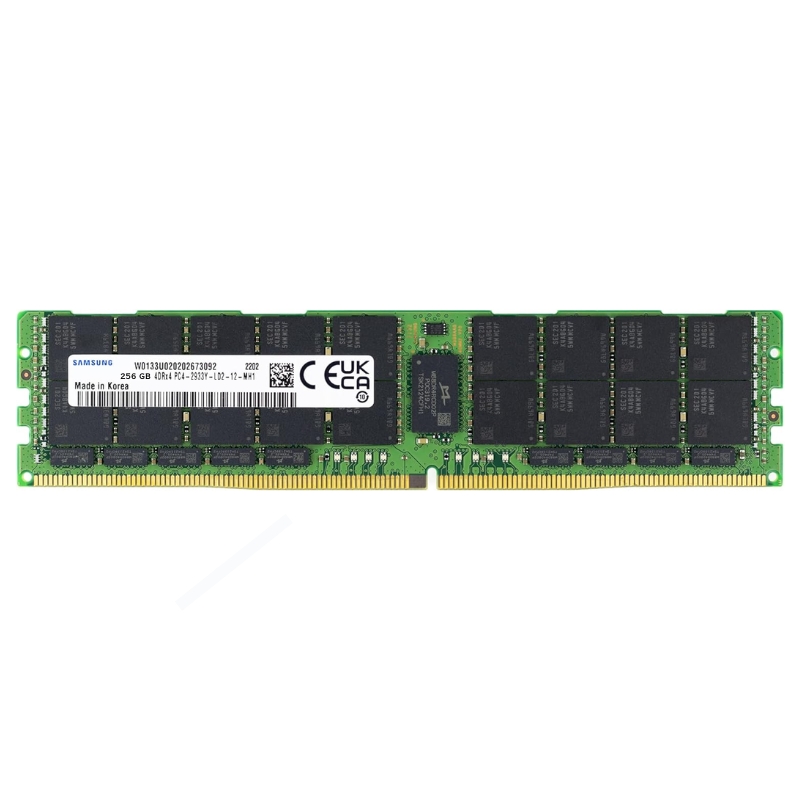


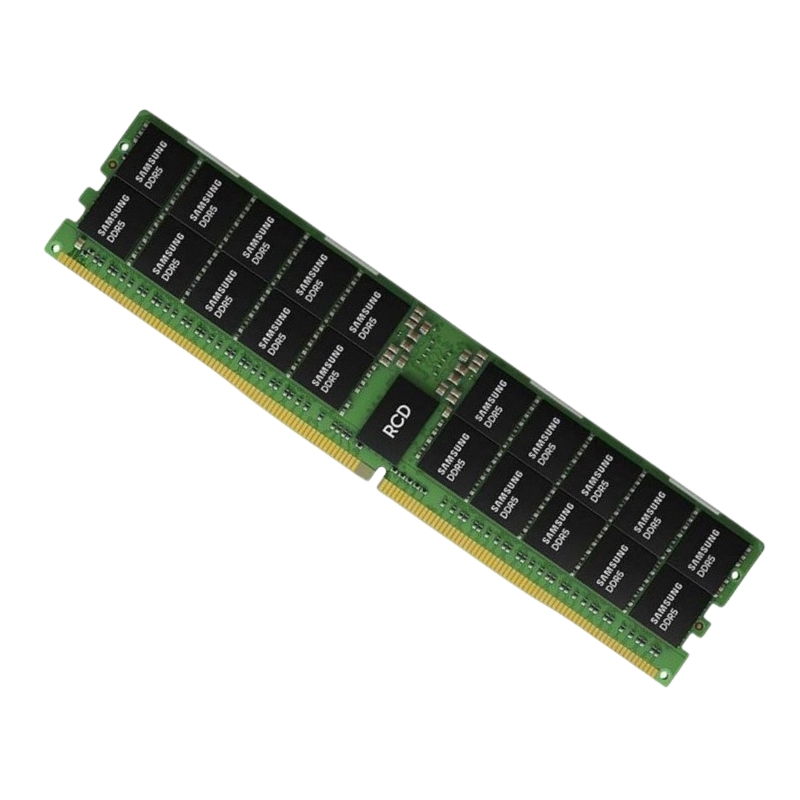
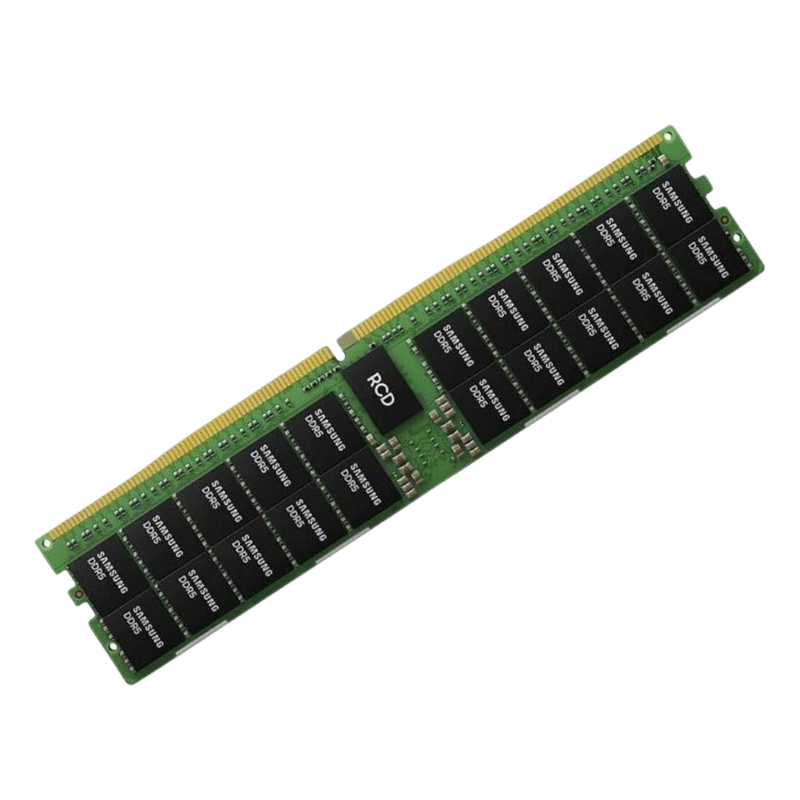
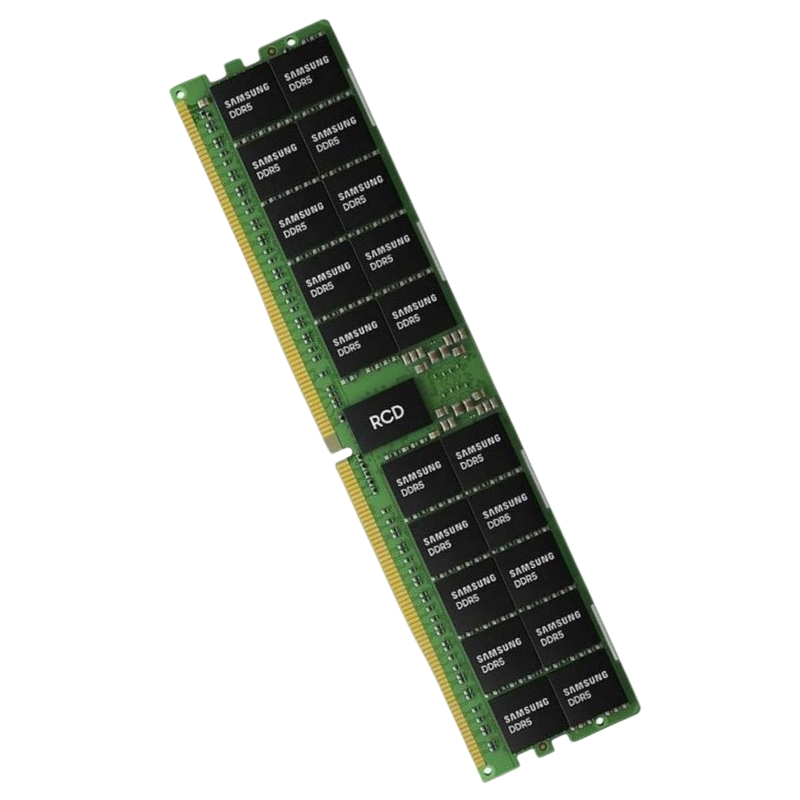
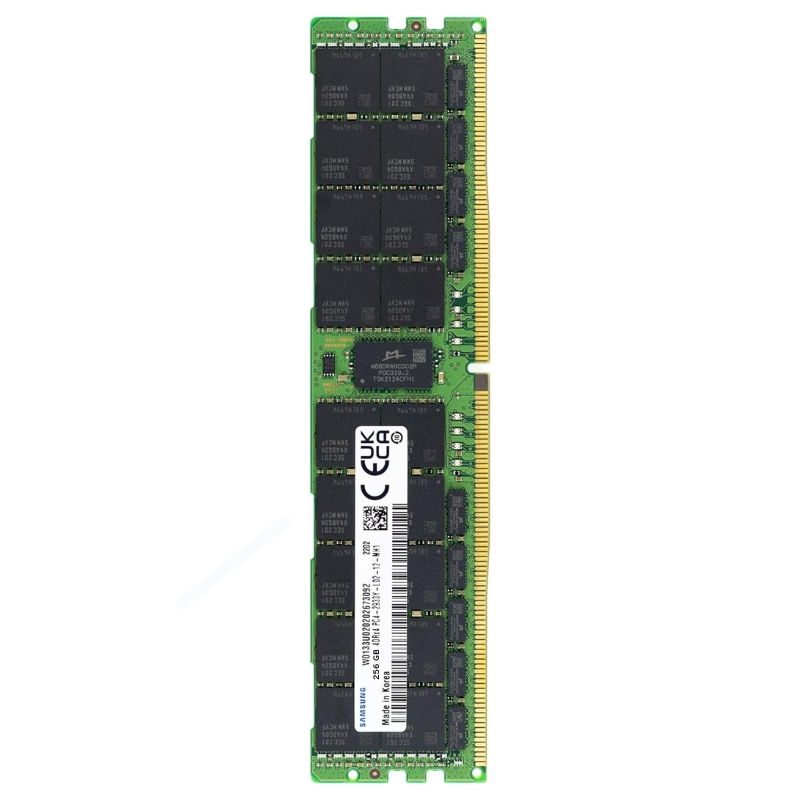
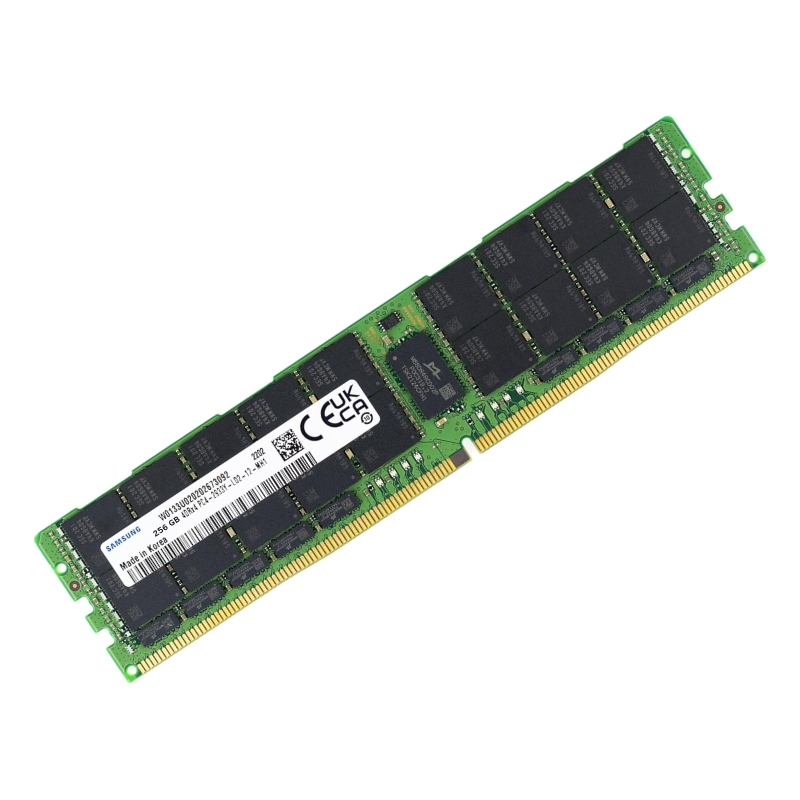
Samsung M386ABG40M5B-CYFCQ 256GB PC4-23400 DDR4-2933Mbps ECC Memory Module. New (System) Pull with 1 year replacement warranty
The Samsung M386ABG40M5B-CYFCQ 256GB PC4-23400 DDR4-2933Mbps 8RX4 ECC Memory Module is engineered for enterprise-grade performance, ensuring reliability and speed for demanding workloads.
High-capacity server memory modules are a critical foundation for modern data-driven infrastructures, and the Samsung M386ABG40M5B-CYFCQ 256GB DDR4 LRDIMM is positioned within the enterprise DDR4 Load-Reduced DIMM category that addresses extreme memory density requirements. This category focuses on delivering maximum memory capacity per slot while maintaining electrical stability, predictable latency behavior, and long-term reliability under continuous workloads. DDR4 LRDIMM technology is designed to support advanced processors and multi-socket server platforms that must handle virtualization, in-memory databases, analytics pipelines, and cloud-scale applications without compromising performance consistency.
The DDR4 SDRAM standard represented by this memory category operates at a reduced operating voltage of 1.2 volts, which directly contributes to improved energy efficiency across dense server environments. Lower voltage operation reduces thermal output and helps data centers optimize power usage effectiveness. Within the LRDIMM subcategory, the presence of a dedicated memory buffer allows the memory controller to see a reduced electrical load, enabling support for significantly higher capacity modules such as 256GB per DIMM without signal integrity degradation.
Load-Reduced DIMM memory occupies a specialized segment of enterprise memory technology, designed specifically for systems that require extremely large memory footprints. Unlike standard unbuffered or registered DIMMs, LRDIMMs use an advanced buffer chip that isolates the memory controller from the DRAM devices. This architectural approach allows server platforms to populate more memory ranks per channel while preserving timing margins and stable signaling at high data rates.
The Samsung M386ABG40M5B-CYFCQ belongs to a class of LRDIMM modules optimized for mission-critical server deployments. By using octal rank organization and x4 DRAM devices, this category of memory supports massive memory capacities while enhancing reliability and fault tolerance. Octal rank configurations are particularly valuable in scale-up servers where memory capacity per CPU socket is a limiting factor, enabling higher consolidation ratios for virtual machines and containers.
Operating at a data rate of 2933 megatransfers per second, DDR4-2933 memory provides a balanced combination of bandwidth and latency suitable for a wide range of enterprise workloads. This speed tier is commonly supported by many server-class processors and chipsets, ensuring broad compatibility across established and transitional server generations. The PC4-23400 bandwidth rating associated with DDR4-2933 enables high-throughput data access for memory-intensive applications such as real-time analytics, scientific simulations, and large-scale transaction processing systems.
Within this category, performance consistency is as important as raw throughput. LRDIMM memory modules are engineered to sustain their rated speeds under continuous load conditions, even when all memory slots are fully populated. This reliability is critical for enterprise environments where predictable performance directly impacts service-level agreements and application responsiveness.
The CL21 latency specification of this DDR4 LRDIMM category reflects a timing profile optimized for stability and compatibility rather than aggressive overclocking. In server environments, consistent and validated timing parameters are preferred over minimal latency values, as they ensure long-term operational stability across diverse workloads. CAS latency values in this range are typical for high-capacity DDR4 modules operating at elevated densities.
Timing stability is further enhanced by Samsung’s rigorous validation processes, which include extensive stress testing under thermal and electrical load conditions. This approach ensures that the memory category represented by the M386ABG40M5B-CYFCQ module maintains data integrity and predictable access times throughout its service life.
ECC registered memory is a defining characteristic of enterprise DDR4 LRDIMM modules. Error Correction Code functionality enables the detection and correction of single-bit memory errors, significantly reducing the risk of data corruption and system crashes. In large-memory configurations where billions of memory cells are active simultaneously, ECC support is essential for maintaining system reliability.
The registered design further enhances signal integrity by buffering address and command signals between the memory controller and the DRAM devices. This buffering allows for improved scalability and stability, particularly in multi-DIMM per channel configurations. The combination of ECC and registered signaling places this memory category firmly within the requirements of mission-critical server workloads.
The x4 DRAM organization used in this category of LRDIMM memory plays a significant role in enhancing fault tolerance. By distributing data across a larger number of smaller-width DRAM chips, the memory module can better isolate and manage faults. This architecture works synergistically with ECC mechanisms to improve overall system resilience.
x4-based LRDIMM modules are often preferred in enterprise environments where uptime and data integrity are paramount. The design supports advanced error correction schemes and aligns with industry best practices for high-availability computing platforms.
Octal rank memory modules represent the highest density configurations commonly deployed in enterprise servers. By incorporating eight logical ranks within a single DIMM, this category enables unprecedented memory capacity per slot. The Samsung M386ABG40M5B-CYFCQ exemplifies this design philosophy, delivering 256GB of DDR4 memory in a single 288-pin module.
This level of density allows organizations to maximize memory capacity without increasing the number of DIMMs, which can be constrained by physical slot availability or memory channel limitations. As a result, octal rank LRDIMM memory is particularly valuable in systems designed for in-memory computing, large-scale virtualization, and database acceleration.
High-capacity memory categories such as 256GB LRDIMM modules play a crucial role in virtualization and private cloud environments. By providing large memory pools per server, these modules enable higher virtual machine density and more efficient resource utilization. Memory-intensive workloads benefit from reduced swapping and improved performance predictability.
In cloud infrastructure, the ability to scale memory independently of compute resources offers greater flexibility in workload placement and capacity planning. LRDIMM memory categories support this flexibility by enabling dense memory configurations that align with modern cloud-native architectures.
Thermal performance is a key consideration in high-density memory deployments. DDR4 LRDIMM modules operating at 1.2 volts generate less heat compared to earlier DDR generations, contributing to improved cooling efficiency. Samsung’s memory design incorporates optimized PCB layouts and high-quality components to ensure effective heat dissipation under sustained workloads.
Power efficiency is further enhanced by the load-reduced architecture, which minimizes the electrical burden on the memory controller. This reduction in load translates into lower overall system power consumption, an important factor for data centers seeking to reduce operational costs and environmental impact.
This category of DDR4 LRDIMM memory is engineered to meet the compatibility requirements of a wide range of enterprise server platforms. Support for registered and load-reduced memory is typically found in high-end server CPUs and chipsets designed for scalability and reliability. Proper platform validation ensures that the memory operates within specified parameters across supported configurations.
Compatibility considerations include BIOS support, memory controller capabilities, and thermal design constraints. Enterprise-grade memory modules undergo extensive qualification to ensure seamless integration into certified server systems.
The 288-pin DIMM form factor is the standard physical interface for DDR4 memory modules. This design provides improved signal integrity and supports higher data rates compared to earlier DIMM generations. The mechanical layout of this category of memory ensures secure installation and reliable electrical contact within server memory slots.
Samsung’s manufacturing standards emphasize precision and durability, ensuring that the module maintains consistent performance even in environments with frequent thermal cycling. The robust construction supports long-term deployment in data centers and enterprise IT environments.
High-capacity DDR4 LRDIMM memory categories are ideally suited for workloads that demand large contiguous memory spaces. In-memory databases benefit significantly from the ability to store entire datasets in RAM, reducing latency and improving query performance. Analytics platforms and machine learning workloads also leverage large memory pools to process complex data structures efficiently.
Enterprise resource planning systems, customer relationship management platforms, and large-scale transaction processing applications rely on stable and high-capacity memory configurations to maintain responsiveness under heavy user loads. LRDIMM memory enables these applications to scale without compromising reliability.
Investing in high-density DDR4 LRDIMM memory allows organizations to extend the useful life of their server platforms. By maximizing memory capacity within existing systems, businesses can accommodate growing data volumes and evolving application requirements without immediate hardware replacement. This approach supports cost-effective scalability and long-term infrastructure planning.
As software ecosystems continue to evolve toward memory-centric architectures, the importance of reliable and high-capacity memory categories will only increase. DDR4 LRDIMM modules remain a cornerstone of enterprise computing strategies focused on performance, stability, and scalability.
Enterprise servers are often expected to operate continuously with minimal downtime. Memory modules within this category are designed to support such operating conditions through robust electrical design, conservative timing specifications, and comprehensive error correction features. These attributes collectively reduce the risk of unplanned outages caused by memory-related issues.
Continuous operation environments such as financial services, telecommunications, and healthcare IT systems place a premium on data integrity and system availability. High-quality DDR4 LRDIMM memory plays a foundational role in meeting these demands.


 Contact Us
 Information
 Catalog
 Solid State Drives (SSD)
 Network Switches
 Hard Disk Drives
 HBA & Controllers
 PC & Servers
 PC & Server Memory
 CPU & Processors
 Network Routers
 Power Supplies
 Tape Drives & Libraries
 Network Devices
 Computer & Network Cables