(7% discount is applied at checkout)
Cart is empty
Your go-to destination for cutting-edge server products
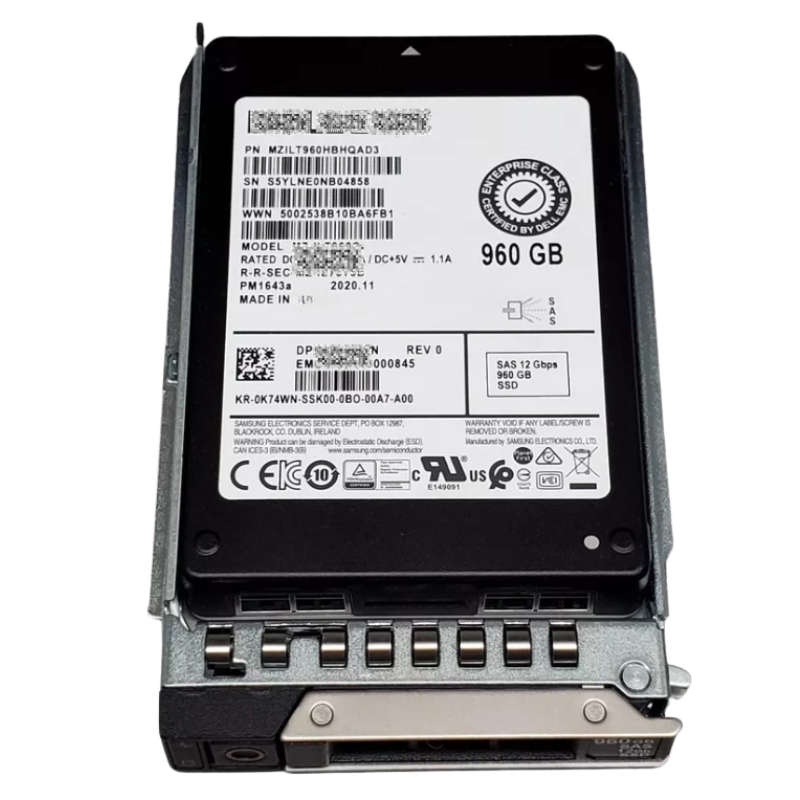


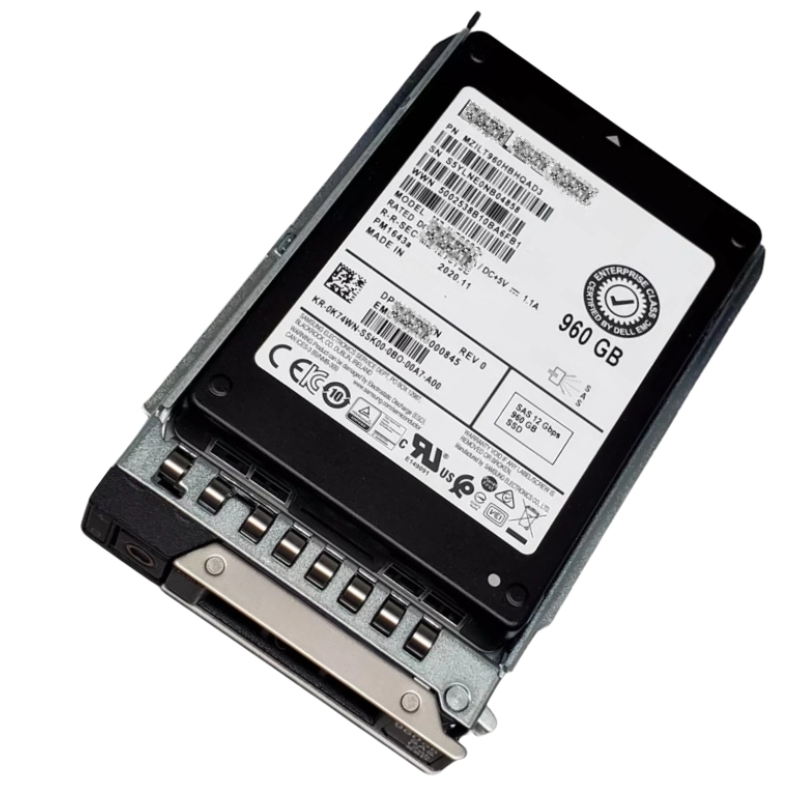
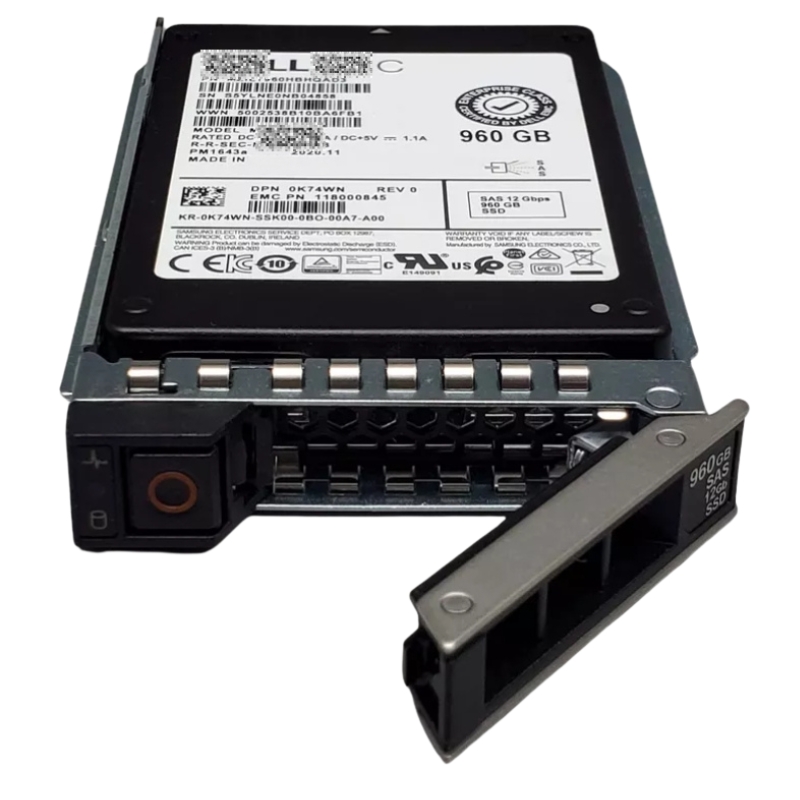
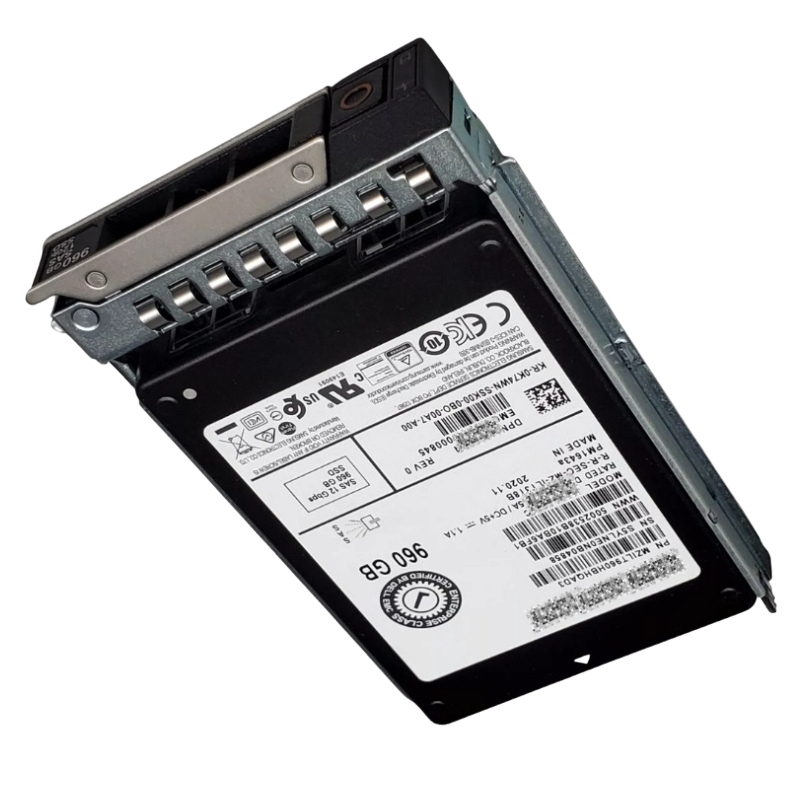
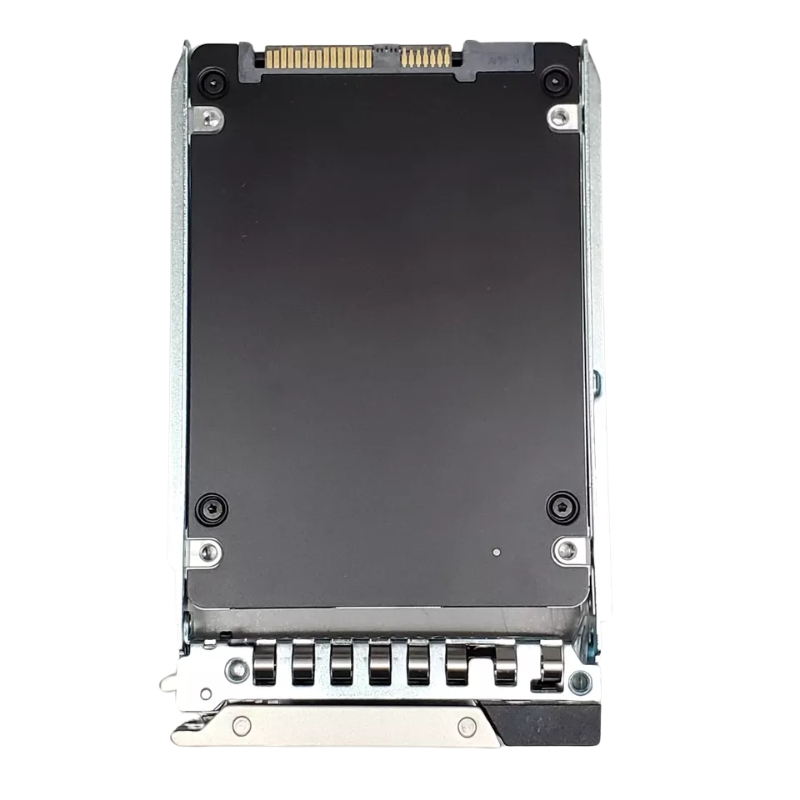
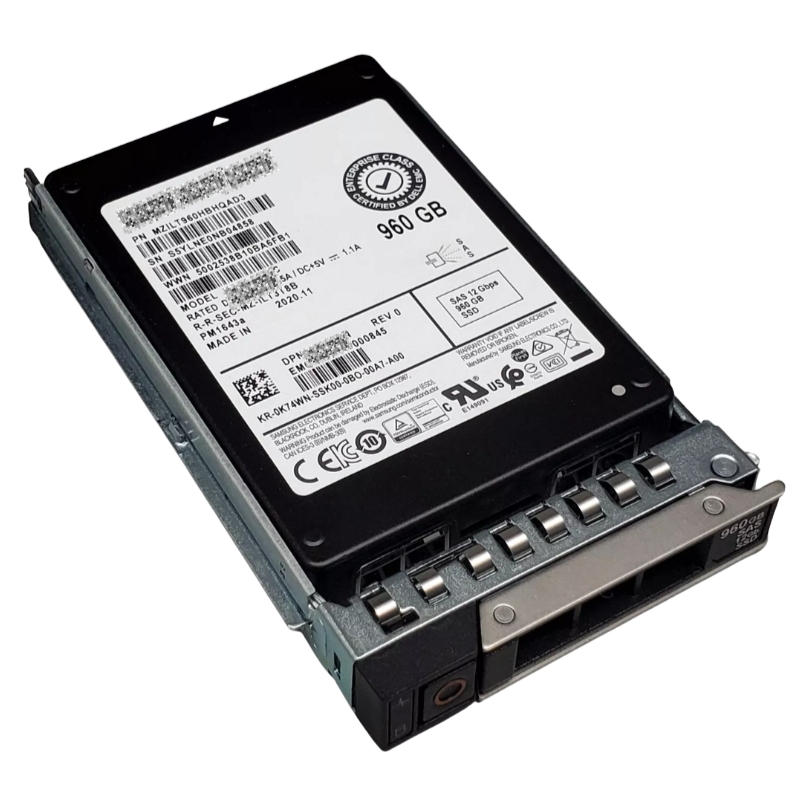
HPE P42692-001 960GB SAS-12GBPS Read Intensive SC MV Digitally Signed Firmware Hot Plug SSD With Tray For Server. Factory-Sealed New in Original Box (FSB) with 3 Years Warranty
HPE P42692-001 960GB SAS-12GBPS Read Intensive SC MV Digitally Signed Firmware Hot Plug SSD With Tray For Server represents a high-value enterprise-class storage option engineered for predictable, low-latency read-dominant workloads in server environments. Designed to meet the demands of virtualization, database read caches, content delivery, and large-scale analytics, this category of SAS SSDs emphasizes consistent throughput, robust firmware integrity, and seamless serviceability. Each paragraph below expands on specific aspects of the category to help technical buyers, storage architects, and procurement teams understand capabilities, deployment scenarios, operational considerations, and optimization strategies.
The P42692-001 SAS-12Gbps interface provides a reliable, enterprise-proven transport layer with full-duplex communications, robust error handling, and compatibility with existing storage backplanes and HBA/RAID controllers commonly used in HPE ProLiant servers and external storage enclosures. Deployers benefit from the mature SAS ecosystem, which includes multipath I/O support, advanced queueing, and broad interoperability across vendor controllers. The 12 gigabits-per-second link speed helps the SSD achieve high sustained throughput while maintaining low latency, an important attribute in scale-up database and virtualization hosts.
Digitally signed firmware elevates the trust model for enterprise storage devices by ensuring that only authenticated and vendor-approved firmware images execute on the drive. This mitigates risks associated with firmware tampering, supply-chain compromise, and unintended firmware regressions. For organizations subject to compliance regimes or strict change control, digitally signed firmware simplifies audit trails and reduces the operational risk of uncontrolled firmware loading. Firmware signing also enables vendor tooling to validate firmware identity before applying updates, producing a safer, more predictable maintenance cadence.
When adopting drives with digitally signed firmware, IT teams should align change management processes to HPE’s firmware release cadence. System administrators should plan firmware updates during maintenance windows and use HPE system management utilities or validated firmware repositories to ensure integrity. The operational benefit includes reduced exposure to firmware-based vulnerabilities and more deterministic behavior in multi-controller environments where mismatched firmware can cause intermittent anomalies.
Hot-plug support and a standardized drive tray simplify in-field serviceability and reduce mean time to repair for failed drives. The tray design ensures proper mechanical alignment, airflow preservation, and electrical interface consistency when slides are inserted or removed from drive bays. For enterprises operating large server fleets, the ability to hot-swap an SSD without shutting down a host or taking a storage enclosure offline translates into higher availability and lower operational disruption. The tray also includes indexing and labeling surfaces that facilitate asset tracking and rapid identification during maintenance tasks.
Operators should follow established protocols when hot-swapping. These include verifying that the storage controller supports online rebuild or reassignment, ensuring the operating system or hypervisor has properly staged any write-back caches, and using management tools to off-line the drive logically before physical removal when appropriate. When inserting a replacement drive, allow controllers to detect and initialize the device, and monitor rebuild or resync progress to avoid overloading controller resources.
Performance for the HPE P42692-001 class SSDs is typically characterized by strong read IOPS, low queue depth latency stability, and predictable throughput under steady-state conditions. Benchmarks should be tailored to reflect real-world workloads—synthetic tests that stress random read I/O with varying block sizes and queue depths most closely simulate the intended usage. Application-aware testing that exercises database read patterns or virtualization boot storms will reveal the drive’s true impact on end-to-end responsiveness. It is important to monitor both steady-state performance and behavior during background operations such as garbage collection and media scans.
One hallmark of enterprise read-intensive SSDs is the consistency of latency under load. Quality of service considerations require observability into 99th and 99.9th percentile latencies rather than only median values. This helps identify tail-latency events that can negatively affect time-sensitive applications. Deployers should configure storage controllers and host multipathing to avoid creating bottlenecks that mask the drive’s native latency characteristics.
Read-intensive SSDs are optimized for workloads dominated by read operations and therefore often carry endurance ratings tuned to that profile. Endurance metrics, typically specified as terabytes written (TBW) or drive writes per day (DWPD), should be matched against expected write amplification from the host workload. Lifecycle planning should include initial provisioning for spare capacity, a monitoring plan for wear leveling indicators, and policies for replacement prior to end-of-warranty thresholds. By proactively aligning endurance expectations with real-world telemetry, administrators can avoid unplanned replacements and performance degradation toward the end of device life.
Compatibility with a wide range of HPE controllers, including HPE Smart Array controllers and third-party SAS HBAs, is a key category benefit. Confirming compatibility matrices before procurement reduces integration risk. When using RAID or erasure coding, it is important to understand how controller write caches, battery or capacitor-backed caching, and controller rebuild policies interact with the drive’s firmware optimizations. Certain controllers may offload error handling or use vendor-specific commands; therefore, validated configurations are recommended for mission-critical deployments.
During drive rebuilds, controller and host behavior can stress remaining drives. For read-intensive SSDs, rebuild strategies that throttle rebuild speed or stagger operations prevent service-impacting spikes in I/O latency. Administrators should tune rebuild parameters and consider online spare usage to minimize the time to recovery without jeopardizing performance for active workloads. Awareness of how the drive responds to sustained high-load rebuilds helps avoid compounding failures.
Thermal management matters for long-term reliability and performance. The tray and server chassis design must provide consistent airflow across drive slots to ensure temperature specifications are met. Elevated temperatures accelerate NAND wear and can trigger thermal throttling that reduces throughput. Data center architects should ensure proper cooling distribution, measure intake and exhaust differentials, and maintain clear service loops to provide stable thermal conditions for densely packed SSD arrays.
Power characteristics of SAS SSDs influence rack-level power planning. Read-intensive drives typically consume less power than mixed-use or write-intensive equivalents during steady-state read-heavy workloads, but power draw can increase during background management activities such as scrubbing and garbage collection. Incorporating drive power profiles into capacity planning and UPS sizing helps ensure uninterrupted operation and avoids thermal hotspots created by under-provisioned cooling.
In addition to digitally signed firmware, enterprises often require data-at-rest protections such as self-encrypting drive (SED) support or integration with encryption managers. While digitally signed firmware secures the device’s operational integrity, encryption features protect sensitive workloads and can aid regulatory compliance. Administrators should verify whether the specific model supports SED capabilities, key management interoperability, and how secure erase or cryptographic erase functions operate for decommissioning drives.
Proper end-of-life handling for SSDs includes documented sanitization steps that satisfy organizational and regulatory policies. Cryptographic erase, vendor tools for secure wipe, or physical destruction are common patterns depending on sensitivity. For drives used in multi-tenant or cloud environments, strict sanitization ensures tenant isolation and prevents residual data risk. Maintain auditable logs of sanitization activities to support compliance reporting.
While NVMe SSDs deliver higher raw throughput and lower latency in many scenarios, SAS-12Gbps SSDs like the HPE P42692-001 provide advantages in compatibility, predictable integration with legacy controller infrastructures, and cost-effectiveness for read-centric workloads. For organizations with existing SAS ecosystems, migrating to SAS SSDs can provide substantial performance gains without the architectural changes required for NVMe fabrics. Decision-making should weigh total cost of ownership, software stack compatibility, and performance requirements at the application level.
Choose SAS-12Gbps SSDs when ecosystem compatibility, drive hot-swapability within existing backplanes, and predictable I/O behavior are priorities. SAS remains attractive for direct-attach storage arrays, multi-bay server trays, and environments where controller offloading is relied upon. Conversely, NVMe is preferable when applications demand the lowest possible latency and systems are architected for PCIe-native storage stacks.
Because firmware is digitally signed, administrators should employ vendor-supplied tools and follow recommended procedures for upgrades. Maintain a tested rollback plan in case an update exhibits unexpected behavior in a production cluster. Test firmware updates in a representative staging environment and validate performance, SMART reporting, and compatibility with controller firmware before progressing to full rollout. Keep detailed change logs and preserve previous firmware images for emergency recovery.
Maintaining a small pool of manufacturer-matched spare drives reduces Mean Time To Repair for critical arrays. Spares should be stored in controlled environments and periodically cycled to ensure firmware currency. Document and automate the spare replacement workflow to avoid inserting mismatched drives into arrays, which can complicate rebuilds or trigger controller incompatibilities.
Enterprises commonly deploy the HPE P42692-001 family in read-cache layers to accelerate databases, in virtualization clusters to speed VM boot storms, and as part of multi-tiered storage hierarchies where hot data is kept on SSD tiers and colder data on high-capacity HDDs. Another pattern is use in clustered file systems where many clients read shared datasets; the drive’s read profile benefits such workloads by minimizing contention and improving overall throughput. These deployment patterns leverage the drive’s strengths while containing costs through selective tiering.
To future-proof storage architecture, design with modularity and clear upgrade paths in mind. Deploying SAS-12Gbps SSDs with standardized trays and backplanes allows incremental upgrades without wholesale chassis replacement. Scalability planning should consider expansion ports, controller queue depth limits, and thermal headroom to safely add higher-performance drives later. Where workload growth is expected, establish monitoring thresholds that trigger capacity expansion before performance degradation is observed.


 Contact Us
 Information
 Catalog
 Solid State Drives (SSD)
 Network Switches
 Hard Disk Drives
 HBA & Controllers
 PC & Servers
 PC & Server Memory
 CPU & Processors
 Network Routers
 Power Supplies
 Tape Drives & Libraries
 Network Devices
 Computer & Network Cables