(7% discount is applied at checkout)
Cart is empty
Your go-to destination for cutting-edge server products
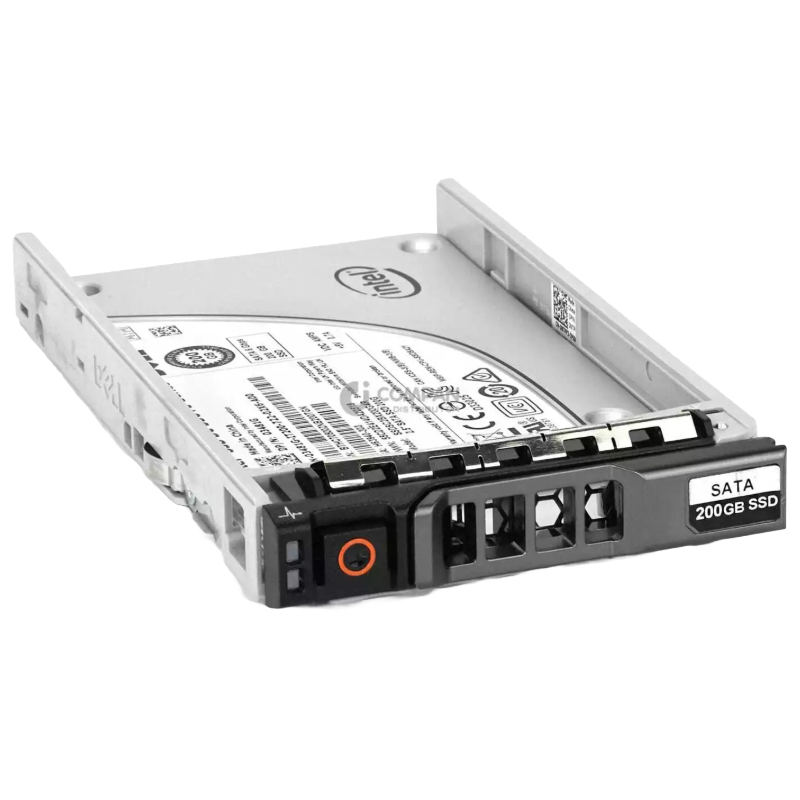


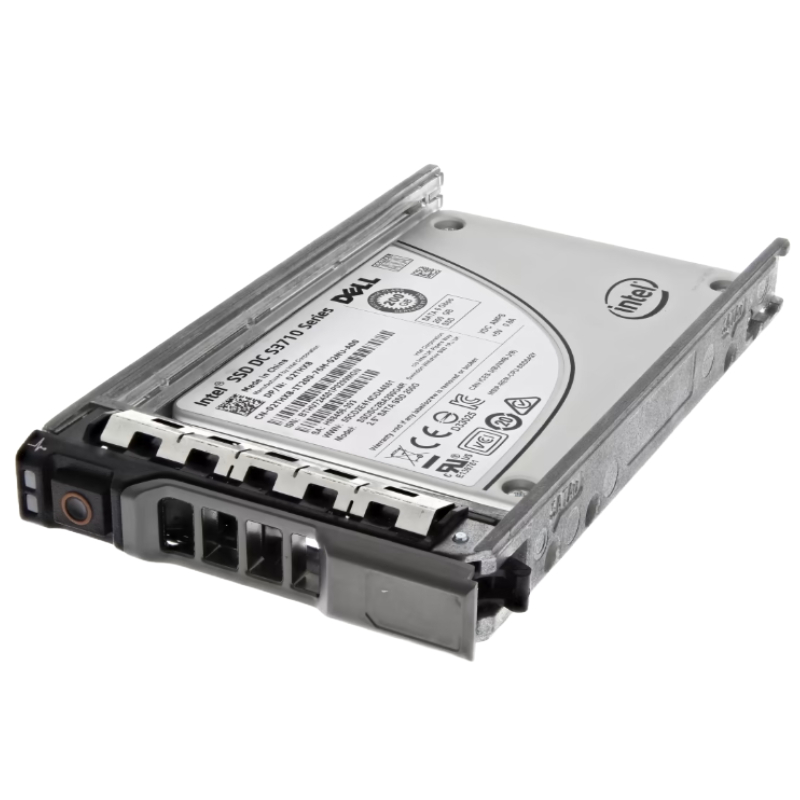
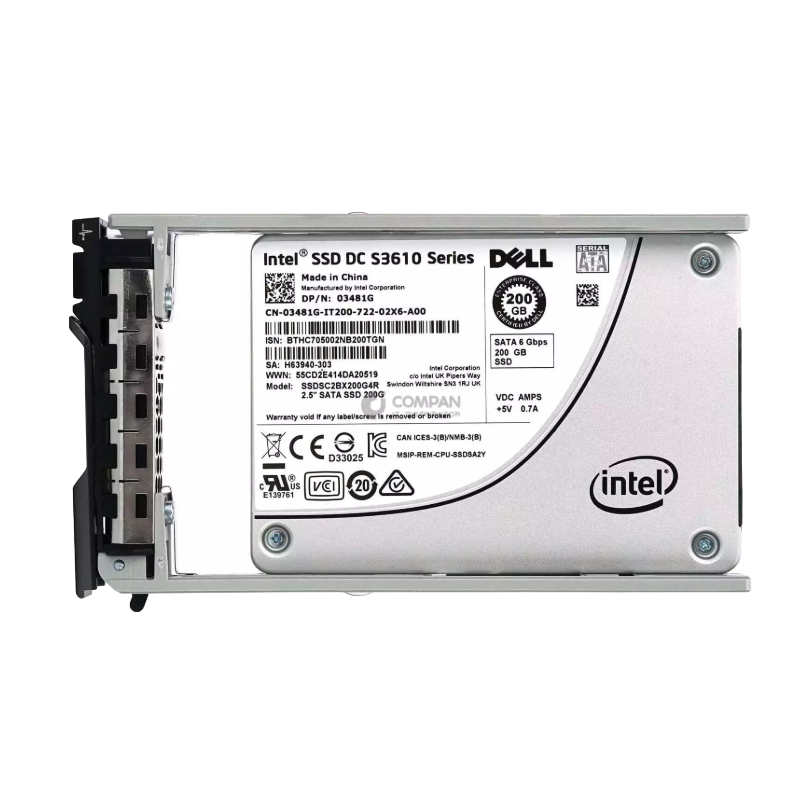
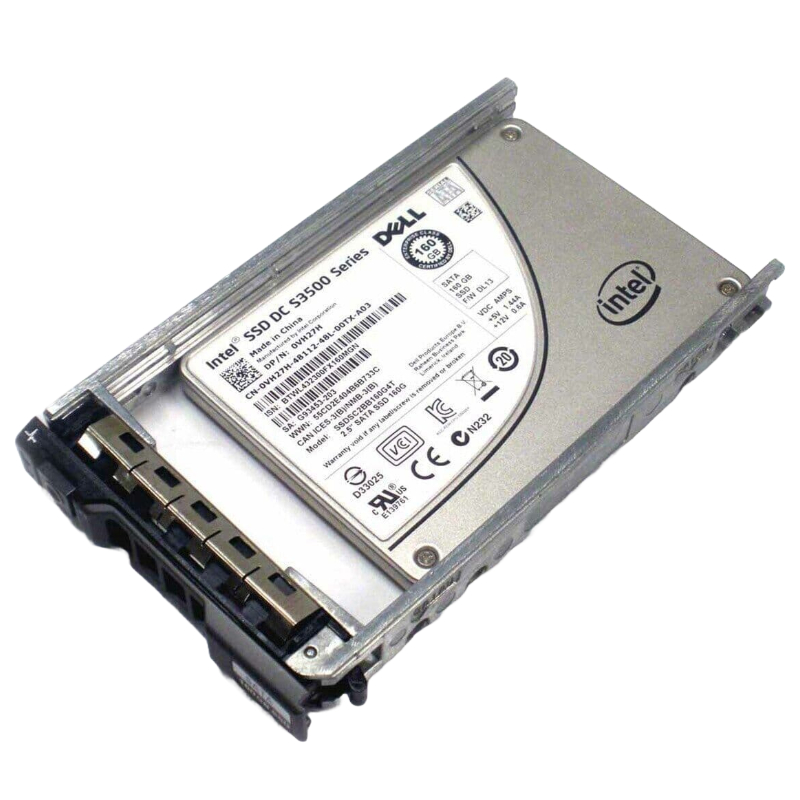
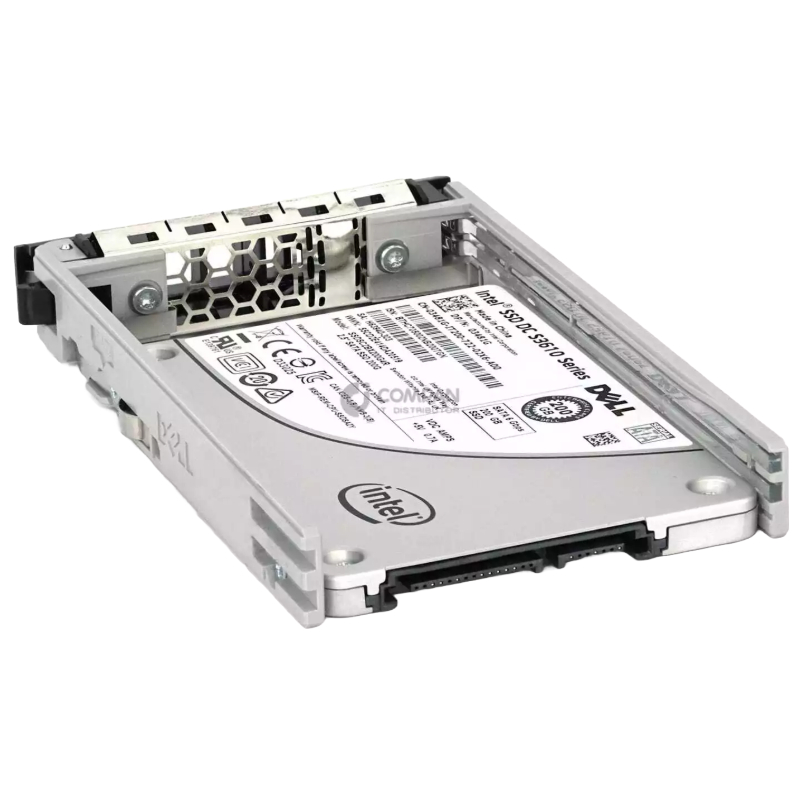
Dell 2THX8 200GB SATA 6GBPS Write Intensive MLC 2.5inch Hot Plug Solid State Drive. Excellent Refurbished with 1 year replacement warranty
Designed For High-Demand Enterprise Environments, The Dell 2THX8 200GB SATA 6Gbps Write Intensive MLC 2.5inch Hot Plug Solid State Drive Represents A Purpose-Built Storage Option That Balances Performance, Endurance, And Manageability. Built On Multi-Level Cell (MLC) Flash With Write-Intensive Endurance Characteristics, This Drive Targets Workloads Where Sustained Writes, Predictable Latency, And Robust Serviceability Matter Most—Including Database Logging, Virtual Machine Swap Files, Large-Scale Caching, And Transactional Applications In Enterprise Servers And Storage Arrays.
The Drive Uses A Standard 2.5-Inch Form Factor And A SATA III Interface Capable Of 6Gbps Signaling, Making It Compatible With A Wide Range Of Enterprise Blade, Rack, And Tower Servers. The Hot-Plug Design Enables Tool-Less Replacement And On-The-Fly Swapping In Supported Backplanes, Allowing Administrators To Replace Drives Without Powering Down Systems. The 200GB Logical Capacity Is Optimized For Write-Intensive Use Cases Where Smaller, High-IOPS Volumes Outperform Larger Capacity Drives In Terms Of Sustained Throughput And Write Endurance.
Performance For The Dell 2THX8 Is Tuned Toward Low Latency And Consistent I/O Response Under Sustained Write Pressure. Typical Enterprise Benchmarks Show Improved Random Write IOPS Compared To Consumer-Grade SSDs, With Predictable Latency Profiles That Minimize Tail Latency In Multi-Tenant Environments. Sequential Throughput Remains Competitive For SATA-Based Devices, But The Primary Value Proposition Lies In Superior Small-Block Random Write Performance, Which Directly Benefits Transactional Workloads And Write-Heavy Database Operations.
Small-Block Random I/O Is Where The Write-Intensive MLC Design Excels. The Drive Implements Internal Over-Provisioning, Intelligent Wear-Leveling, And Advanced NAND Management Algorithms To Keep Write Amplification Low And Deliver Stable IOPS Over Prolonged Periods. These Characteristics Translate Into Better Virtual Machine Density Per Host And More Predictable Quality Of Service For Latency-Sensitive Applications.
Although SATA III Creates A Theoretical Cap Of 6Gbps, Real-World Sequential Throughput Varies Depending On Controller, Firmware, And Queue Depth. The Dell 2THX8 Balances Sequential Read And Write Performance With Endurance Trade-Offs To Ensure That Sustained Writes Do Not Rapidly Degrade The Device. In Workloads Like Large File Writes, Backup Streams, Or Media Ingest, The Drive Delivers Reliable Sustained Throughput Without Compromising Flash Health.
Write-Intensive MLC Flash Is Engineered For Higher Program/Erase (P/E) Cycle Ratings Than Typical Client MLC, Offering Greater Endurance For Constant Write Workloads. The Dell 2THX8’s Endurance Rating Is Designed To Support Enterprise Duty Cycles, With Endurance Metrics Expressed In Drive Writes Per Day (DWPD) Or Total Terabytes Written (TBW) Over The Warranty Period. Administrators Can Use SMART Metrics And Dell Management Tools To Monitor Wear Levels, Estimate Remaining Life, And Plan Non-Disruptive Replacements.
On-Drive Wear-Leveling Algorithms Ensure That Writes Are Distributed Evenly Across The NAND Array, Extending The Effective Lifespan Of The Device. Factory Over-Provisioning Allocates A Portion Of The Raw NAND Capacity To Background Maintenance Tasks, Reducing Write Amplification And Improving Sustained Performance Under Heavy Write Workloads. These Mechanisms Are Critical In Maintaining Consistent Performance Over Months And Years Of Intensive Use.
Compatibility With Dell Servers And Storage Arrays Is A Key Advantage Of The 2THX8 SSD. These Drives Are Qualified For Specific Dell PowerEdge Models And Are Supported Through Dell’s Lifecycle Management Tools, Making Firmware Management, Device Inventory, And Health Monitoring Easier For Administrators. Firmware Is A Critical Component That Controls Garbage Collection, Thermal Management, And Error Correction; Always Validate Compatibility With Your Server BIOS And RAID Controller Firmware Before Deployment.
The Hot-Plug Feature Allows For Seamless Removal And Insertion In Supported Drive Bays. When Combined With Dell’s Backplanes And Hot-Swap Caddies, The Process Of Replacing A Failed Drive Becomes Straightforward, Minimizing Mean Time To Repair (MTTR). Ensure That Drive Carrier Latches, Drive Identification LEDs, And Backplane Connectors Are All Compatible With The 2THX8 Form Factor To Avoid Service Interruptions.
When Deployed Behind Hardware RAID Controllers Or In Software-Defined Storage Environments, The Drive’s Behavior Depends On The Controller’s Caching Policy And Stripe Size. Write-Intensive SSDs Like The 2THX8 Are Ideal For RAID Levels That Prioritize Performance And Redundancy (For Example, RAID 10 Or Suitable Erasure Coding Schemes). Consider Controller Battery/Capacitor-Backed Cache And Write-Back Policies Carefully—Proper Configuration Prevents Excessive Write Amplification And Maintains Data Integrity.
Enterprise SSDs Include Multiple Layers Of Data Integrity Protection, And The Dell 2THX8 Is No Exception. Advanced Error Correction Codes (ECC), End-to-End Data Path Protection, And Power-Loss Protection Mechanisms Work Together To Minimize The Risk Of Data Corruption During Writes Or Unexpected Power Events. Administrative Tools Can Surface SMART Attributes Such As Reallocated Sectors, Program Failures, And Unrecoverable Read Errors So That Proactive Measures Can Be Taken.
Power-Loss Protection Is A Distinguishing Feature In Enterprise SSDs; It Ensures That Data Buffered In The Drive’s Internal Memory Is Committed To Flash In The Event Of An Outage. Some Implementations Use On-Board Capacitors To Provide Enough Energy To Complete In-Flight Writes, While Firmware Ensures Metadata Consistency. Confirm The Specific Power-Loss Behavior Documented For The 2THX8 If Your Workload Relies Heavily On Synchronous Writes And Transactional Consistency.
Security Is Central To Enterprise Storage. The Dell 2THX8 May Support Hardware-Based Encryption Standards And Secure Erase Capabilities That Make It Easier To Decommission Drives Or Redeploy Them Securely. Self-Encrypting Drive (SED) Support, When Present, Offloads Cryptographic Tasks To The Drive Hardware And Simplifies Key Management Strategies. Ensure That Your Key Management Infrastructure Is Compatible With The Drive’s Encryption Modes And That Secure Erase Procedures Meet Your Compliance Requirements.
When Retiring Or Repurposing Drives, Follow Documented Data Sanitization Procedures To Ensure Regulatory Compliance. For Drives That Support Cryptographic Erase, Deleting The Encryption Key Renders Data Irrecoverable. Where Cryptographic Erase Is Not Available Or Not Sufficient For Your Compliance Regime, Use Vendor-Specified Secure Erase Tools That Interact With The Drive Firmware To Wipe Data Reliably.
Operating Temperature Ranges And Thermal Throttling Characteristics Impact Sustained Performance. In Dense Server Enclosures, Adequate Airflow And Rack-Level Cooling Strategies Ensure That Drives Operate Within Specified Thermal Envelopes. The 2THX8’s Firmware May Include Thermal Throttling To Protect NAND During High-Load Conditions; Awareness Of These Mechanisms Helps Administrators Design Systems That Avoid Unnecessary Performance Degradation.
Several Typical Use Cases Make The Dell 2THX8 A Compelling Choice: Database Transaction Logs, High-Frequency Logging, Virtual Desktop Infrastructure (VDI) Boot Storms, Hypervisor Swap Files, And High-Performance Caching Layers In Hybrid Storage Architectures. Its Write-Intensive Profile Means It Is Best Positioned Where Write Endurance And Consistent Low Latency Matter More Than Raw Capacity Per Dollar.
In Virtualized Environments, Many Small Random Writes From Guest Operating Systems Create Heavy Write Pressure On Storage Media. The 2THX8’s Endurance Characteristics Allow Higher VM Density Per Host While Preserving Responsiveness During Boot Storms Or Peak I/O Events. When Deployed As A Cache Tier Or Dedicated VM Storage Tier, These Drives Deliver Clear Benefits Over Traditional HDD Or Consumer SSD Options.
Databases That Rely On Frequent Checkpoints, Write-Ahead Logging, Or Constant Transactional Writes Benefit From The Drive’s Write-Intensive Design. Low-Latency Random Writes Speed Up Commit Latency And Improve Overall Transaction Throughput. While Capacity Is Modest At 200GB, Strategic Use As A Log Device Or Index Partition Can Yield Substantial Application-Level Gains.
Compared To Consumer SATA SSDs, The Dell 2THX8 Offers Superior Endurance, Enterprise-Grade Power-Loss Protection, And Firmware Tuned For Consistency Under Load. Versus NVMe Or PCIe-Based SSDs, The SATA Interface Imposes Higher Latency And Lower Peak Throughput; However, In Many Existing Server Fleets, SATA Remains The Most Economical Way To Upgrade Performance And Endurance Without Replacing Motherboards Or Add-In Controllers.
SATA-Based Drives Make Sense When Existing Infrastructure Lacks NVMe Support, When Budget Constraints Favor Incremental Upgrades, Or When Workloads Do Not Require Ultra-High Queue Depths And Extremely Low Latency. The 2THX8 Bridges The Gap Between Legacy SATA OpEx And Modern Enterprise SSD Features, Making It A Practical Choice For Mid-Generation Refreshes.
At 200GB, The Drive Is Ideal For Tiered Storage Architectures Where Hot Data Resides On High-Performance SSDs And Larger Cold Stores Live On High-Capacity HDDs Or Lower-Cost SSDs. Use The 2THX8 As A High-Performance Tier For Logs, Metadata, And Frequently-Updated Datasets, While Leveraging Larger Drives For Bulk Storage, Backups, Or Less Latency-Sensitive Data.


 Contact Us
 Information
 Catalog
 Solid State Drives (SSD)
 Network Switches
 Hard Disk Drives
 HBA & Controllers
 PC & Servers
 PC & Server Memory
 CPU & Processors
 Network Routers
 Power Supplies
 Tape Drives & Libraries
 Network Devices
 Computer & Network Cables