(7% discount is applied at checkout)
Cart is empty
Your go-to destination for cutting-edge server products
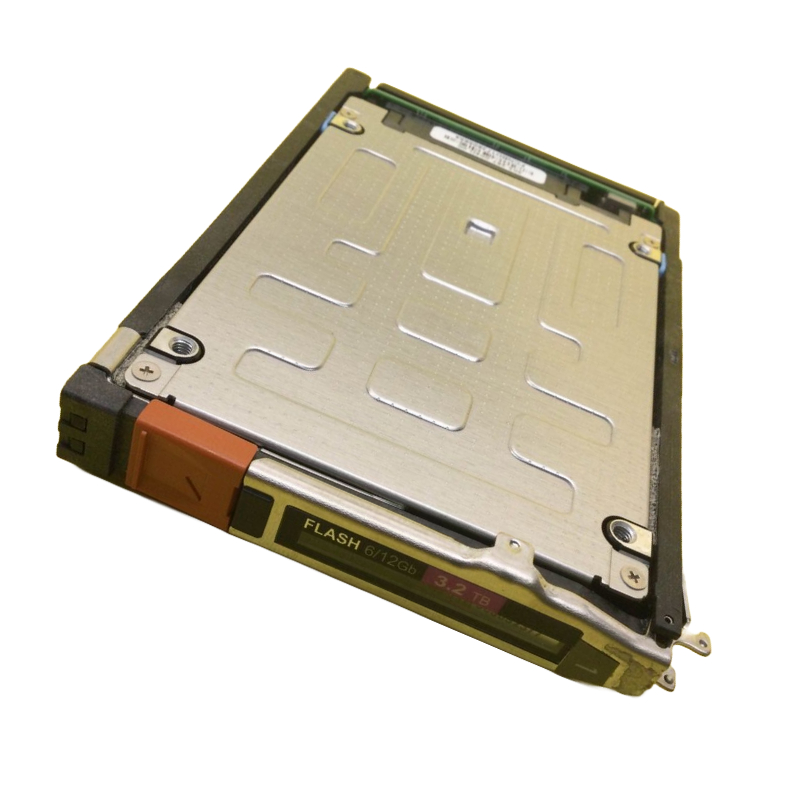


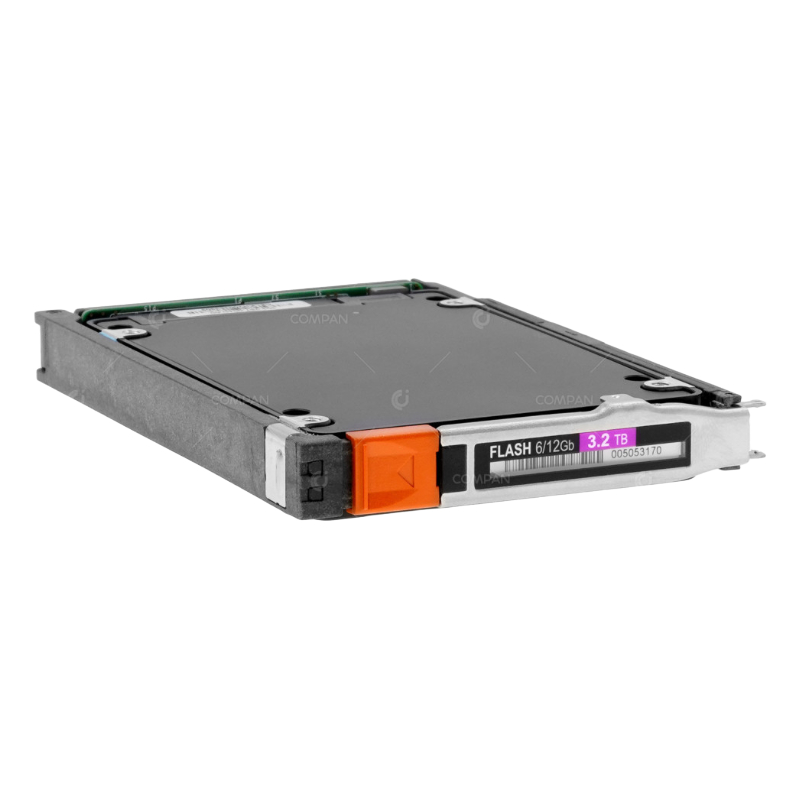
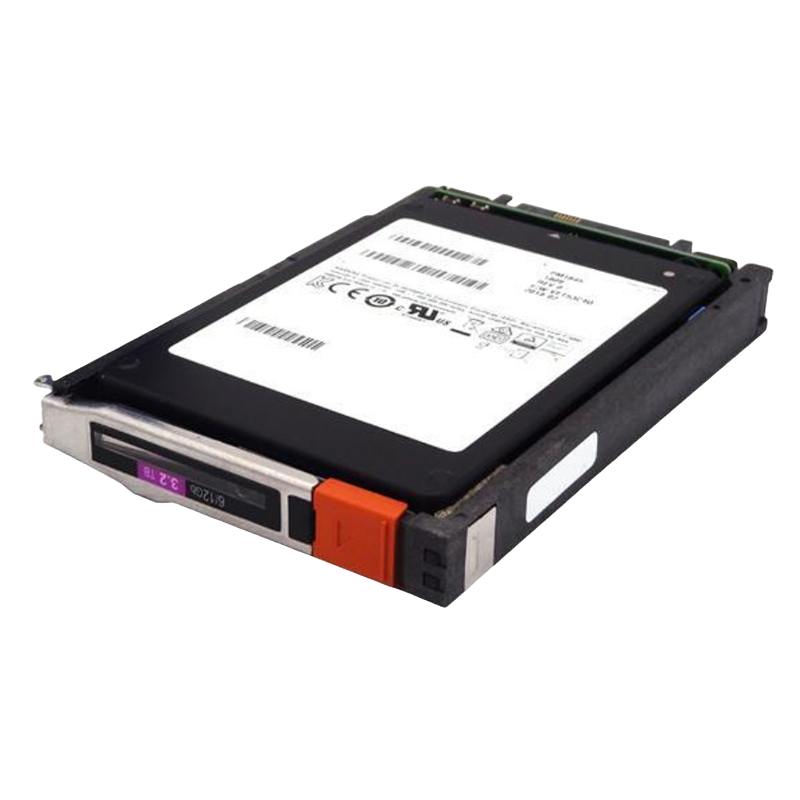
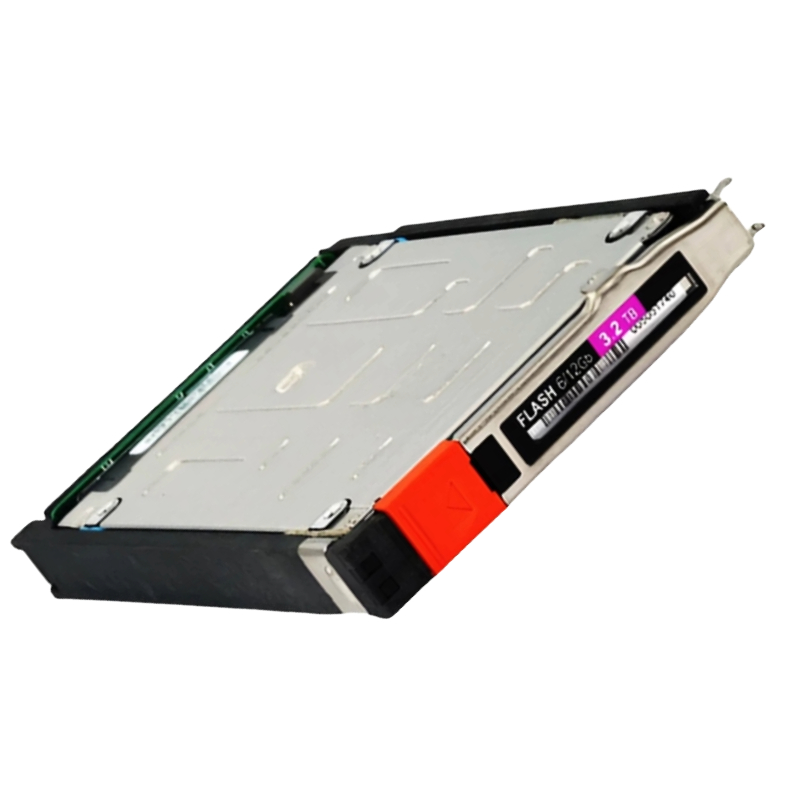
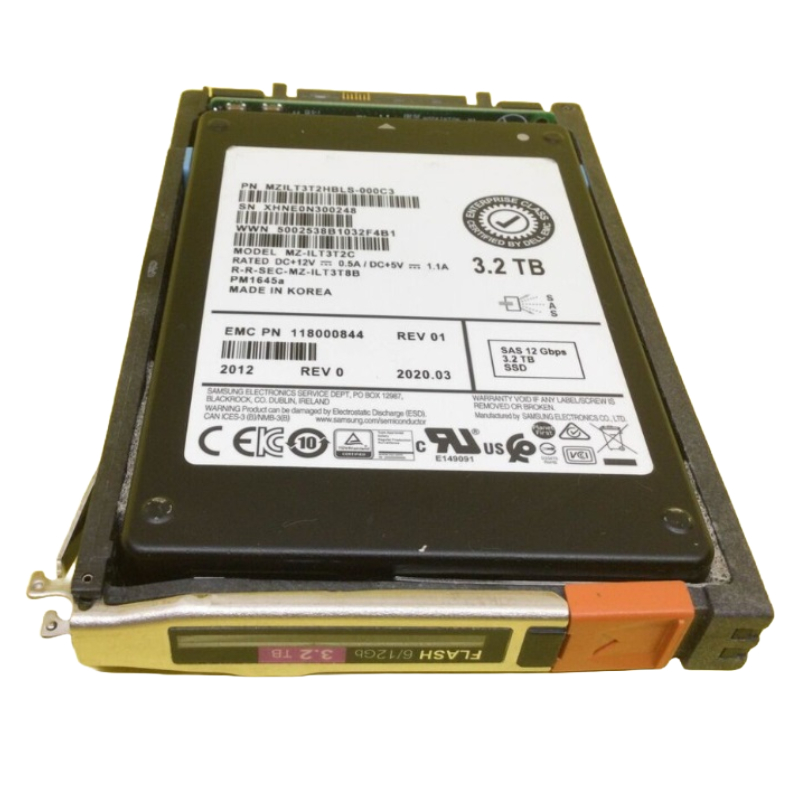
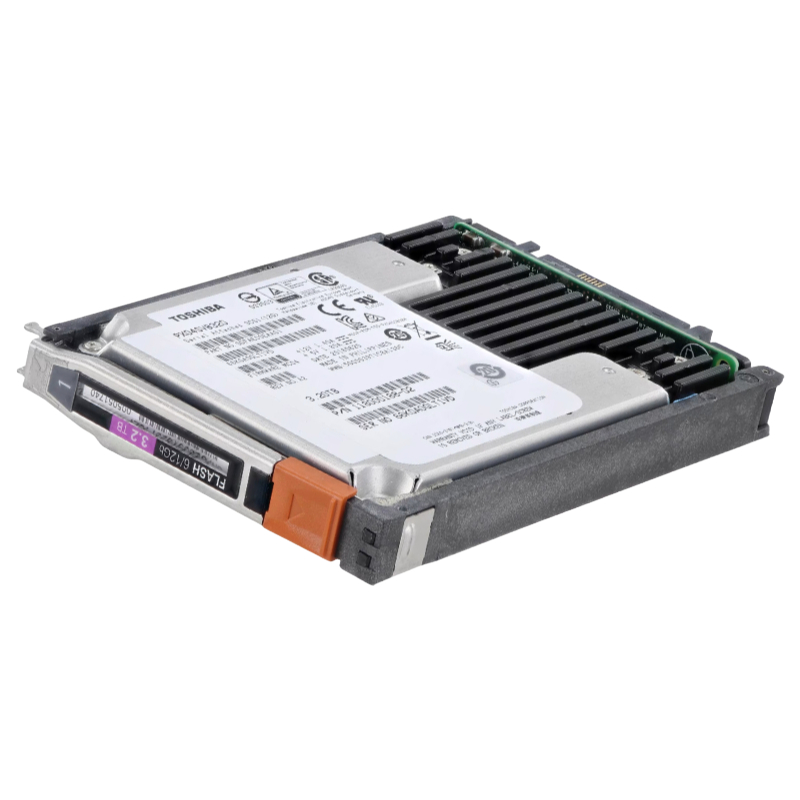
EMC D3F-D2S12FXL-3200 Enterprise Solid State Drive 3.2TB Sas-12gbps 2.5inch. Excellent Refurbished with 1 year replacement warranty
The D3F-D2S12FXL-3200 is engineered for demanding enterprise workloads — delivering high IOPS, consistent low latency and sustained bandwidth for mixed read/write tasks. Its SAS 12 Gbps link and NV-grade controller provide predictable performance under heavy queue depths, making it ideal for databases, virtualization layers and high-transaction file systems.
Designed for 24/7 operation, this EMC SSD includes endurance enhancements and enterprise-grade error management. It supports features that protect user data during power events and mitigate silent data corruption, ensuring long service life in continuous-use environments.
The 3.2TB EMC D3F-D2S12FXL-3200 excels in scenarios that require a balance between capacity and high sustained performance:
The EMC D3F-D2S12FXL-3200 3.2TB SAS-12Gbps 2.5-inch enterprise solid state drive is engineered for heavy-duty datacenter workloads where predictable latency, sustained throughput, and long-term durability are mission-critical. Designed to fit modern 2.5-inch server and storage chassis, this drive leverages the Serial Attached SCSI (SAS) 12Gb/s transport to deliver a balance of I/O operations per second (IOPS), sequential bandwidth, and enterprise-grade features such as power loss protection, advanced error correction, and firmware tuned for array interoperability. Unlike consumer or client SSDs, enterprise SAS SSDs like the D3F series are manufactured and validated for multi-tenant virtualization, database acceleration, analytics platforms, and mixed read/write workloads commonly found in private cloud and colocation environments.
The 3.2TB capacity of the D3F-D2S12FXL-3200 represents a practical sweet spot for balancing per-drive usable capacity and performance density. The 2.5-inch small form factor (SFF) allows higher drive counts per chassis, enabling greater aggregate capacity and parallelism when deployed in dense blade servers or storage arrays. This density is advantageous in environments that favor many parallel devices for higher aggregate IOPS and throughput rather than a few high-capacity devices.
Using SAS 12Gb/s provides both bandwidth headroom and enterprise-grade command set features. SAS supports dual-port connectivity for high availability, full SCSI command semantics for advanced storage features, and superior error recovery compared to consumer interfaces. For workloads requiring consistent low latency under heavy concurrency, SAS 12Gb/s helps maintain responsiveness while allowing existing SCSI management tools and array features to remain functional.
The D3F series is optimized for mixed-use performance profiles: strong random IOPS for transactional databases and virtual desktop infrastructure (VDI), coupled with competitive sequential throughput for streaming and replication tasks. Performance figures in vendor datasheets typically describe both steady-state random write endurance performance and mixed read/write IOPS at various queue depths. In practice, this drive is intended to retain high IOPS under sustained loads where consumer SSDs would throttle, ensuring that latency targets for service level agreements (SLAs) are easier to meet.
Enterprise SSD endurance is usually expressed as drive writes per day (DWPD) over a warranty period or as total bytes written (TBW) for the device lifetime. Drives in the EMC D3F family are engineered with enterprise-grade NAND, overprovisioning strategies, background garbage collection, and aggressive wear leveling to support high DWPD ratings. For datacenter architects this means confident long-term use in write-heavy database or logging applications without frequent replacement cycles.
Power loss protection is a hallmark of enterprise SSDs and present on the D3F series. Internal capacitors and firmware coordination ensure that in the event of an unexpected system power interruption, in-flight data within the drive’s volatile caches is flushed to non-volatile media. This reduces the risk of data corruption and shortens the scope of recovery after outages, making the device suitable for transactional systems where atomicity and durability are required.
Advanced ECC (error correcting code), end-to-end data path protection, and background scrubbing combine to maintain data integrity across the device lifetime. SMART attributes and vendor telemetry provide early indicators of wear or media degradation, enabling preemptive drive replacement without service disruption. These mechanisms ensure sustained data correctness in large arrays where scales magnify the impact of single-device failures.
One of the most important considerations for enterprise procurement is interoperability with existing storage arrays, servers, RAID controllers, and storage operating systems. The D3F-D2S12FXL-3200 is typically validated against EMC platforms and a range of OEM servers; its firmware is tuned to cooperate with enterprise RAID/erasure coding algorithms and array-level write caching. Customers benefit when drive and array vendor certifications reduce integration issues and simplify support escalations.
SAS enterprise drives commonly support dual-port connectivity, enabling access from two separate controllers for redundancy and non-disruptive failover. This duality allows storage architects to design multi-path I/O plans, reduce single points of failure, and ensure continuous availability for critical workloads during maintenance or controller outages.
The predictable random IOPS and low queuing latency of the D3F series make it ideal for OLTP databases, index servers, and high-concurrency web applications. In such environments, I/O latency directly affects transaction response times and end-user experience; equipping database tiers with enterprise SAS SSDs reduces tail latency and supports higher transactions per second while preserving consistent performance under mixed loads.
Virtualized environments, particularly virtual desktop infrastructure, subject storage to highly random, small I/O patterns and bursty startup storms. Drives with strong small-block random read and write characteristics and consistent latency help address VDI boot storms, maintain desktop responsiveness, and enable greater virtual machine consolidation ratios on host servers.
EMC drives of this class are frequently deployed in primary storage tiers, either as a flash tier in hybrid arrays or as the performance layer in all-flash arrays. In hybrid architectures, they accelerate hot datasets while colder data remains on spinning media. In all-flash arrays, these drives deliver low-latency access to the hottest blocks and simplify tier management due to their consistent performance.
Analytical platforms and big data processing frameworks often benefit from fast local scratch and cache storage. Using SAS SSDs for caching layers, metadata directories, or intermediate shuffle/merge stages reduces job completion time and improves cluster throughput. Because these drives excel at parallel small-IO workloads, they are well suited to accelerating metadata operations in distributed file systems.
To optimize performance and endurance, administrators should provision a reasonable level of overprovisioning, either through drive configuration or within the storage array’s pool settings. Overprovisioning preserves spare blocks for wear leveling and background maintenance, reducing steady-state latency variability and improving long-term TBW behavior. Array-level thin provisioning should be used judiciously with awareness of reclaim semantics and trim support.
Continuous monitoring of SMART attributes, endurance metrics, and vendor-specific telemetry is essential. Modern infrastructure monitoring stacks can ingest drive health data and trigger alerts when thresholds are exceeded. Predictive failure detection enables scheduled maintenance windows and reduces unplanned downtime by replacing drives showing abnormal wear or rising error rates before complete failure.
Firmware updates often include performance optimizations, bug fixes, and interoperability improvements. Before wide rollout, test firmware updates in a controlled environment that mirrors production load to detect regressions. Maintain rollback procedures, document change windows, and ensure vendor support lines are reachable if issues arise during update processes.
Enterprise SSDs are sensitive to sustained elevated temperatures which can affect performance and long-term reliability. Design chassis airflow paths to direct cool intake air across drive bays, and monitor inlet temperatures at the device level. In high density deployments, consider staggered workloads, active cooling, and ambient temperature policies to keep drives within recommended thermal ranges.
Though SSDs consume less idle power than spinning disks, heavy sustained activity can increase power draw. Evaluate energy budgets for racks and plan power distribution with attention to peak draw during rebuilds or resilver operations. Drives with power loss protection also require energy reservoirs; these small capacitors have negligible impact on rack power planning but are critical to data safety.
Many enterprise SSDs support hardware-based encryption and secure erase commands, allowing organizations to meet regulatory requirements for data sanitization when drives are repurposed or decommissioned. Hardware encryption reduces CPU overhead compared to software encryption and ensures that sensitive data remains protected in transit and at rest within the drive’s domain.
Fast primary storage must be paired with robust backup and replication strategies. Use array-aware snapshots, replication appliances, and backup software that understands underlying SSD characteristics to avoid saturating links with rebuild operations. Snapshot cadence should align with RPO objectives, and replication mechanisms must account for the drive’s performance profile to minimize production impact during full-sync operations.
NVMe offers higher raw bandwidth and lower protocol overhead due to PCIe transport and modern command sets, making it preferable where absolute latency and maximum throughput are required. However, SAS retains benefits in terms of broad ecosystem compatibility, dual-port high-availability, and mature array interoperability. For enterprises with large investments in SCSI-based arrays or multi-controller architectures, SAS 12Gb/s SSDs like the D3F series provide a pragmatic upgrade path without wholesale architecture changes.
SATA SSDs are often lower cost but lack enterprise features such as dual-port support and robust error recovery. SAS drives typically deliver higher sustained performance under concurrency and are better suited for RAID environments used in production storage arrays. For customers aiming for higher availability and predictable behavior under load, SAS enterprise SSDs are preferred to consumer or SATA-class alternatives.
While per-GB sticker price for enterprise SAS SSDs is higher than for consumer SSDs or high-capacity HDDs, the total cost of ownership (TCO) must include factors such as reduced rack space, lower cooling and power for equivalent performance, improved application efficiency from lower latency, and reduced operational disruption due to reliability. When calculating TCO, factor in endurance ratings, expected replacement cadence, and the value of avoided downtime.
Procurement should include careful review of warranty terms, endurance guarantees, and cross-vendor support commitments. Enterprise vendors often supply advanced replacement options and extended support packages; these should be matched to the organization’s risk tolerance and operational model. Maintain clear asset records, serial numbers, and firmware baseline documentation to streamline support interactions.
Typical warning signs include rising uncorrectable error counts, increased ECC corrections, thermal excursions, and sudden shifts in latency profiles. Monitoring tools that correlate these metrics with workload patterns help differentiate transient load-related behavior from real device degradation. Early detection enables scheduled replacements and prevents data path interruptions.
When a drive is replaced, RAID rebuilds or erasure code resynchronizations can stress remaining devices. Plan rebuild windows during lower utilization periods where possible, throttle rebuild bandwidth if the array supports it to protect production performance, and ensure spare capacity and cooling are sufficient to sustain rebuild operations without cascading performance degradation.
Upgrading to enterprise SAS SSDs can be done non-disruptively in many arrays by incrementally replacing spinning media or lower-class SSDs and allowing the array to rebuild or rebalance data across the new devices. Hybrid pools that mix SAS SSDs and mechanical drives should be configured with clear tiering policies to ensure hot data resides on flash while cold blocks remain on cost-efficient HDDs.
Design storage architectures with migration in mind: abstracted storage pools, software-defined storage layers, and automation reduce the effort required to adopt newer interfaces such as NVMe over Fabrics in the future. For organizations expecting aggressive growth, choose chassis and controllers that support additional density and higher interconnect speeds to protect the initial investment.
Before purchase, confirm compatibility matrices between the drive model and targeted arrays, HBAs, and server platforms. Validate firmware versions recommended by both drive and array vendors and request test units for performance validation in a staging environment that approximates production conditions.
Perform acceptance testing that mirrors expected workload patterns—small random reads/writes at various queue depths, sequential transfer tests for replication workloads, and endurance tests to observe drive behavior during sustained heavy writes. Acceptance criteria should include IOPS, tail latency percentiles (e.g., 99th and 99.9th), and stability under mixed read/write scenarios.


 Contact Us
 Information
 Catalog
 Solid State Drives (SSD)
 Network Switches
 Hard Disk Drives
 HBA & Controllers
 PC & Servers
 PC & Server Memory
 CPU & Processors
 Network Routers
 Power Supplies
 Tape Drives & Libraries
 Network Devices
 Computer & Network Cables