(7% discount is applied at checkout)
Cart is empty
Your go-to destination for cutting-edge server products
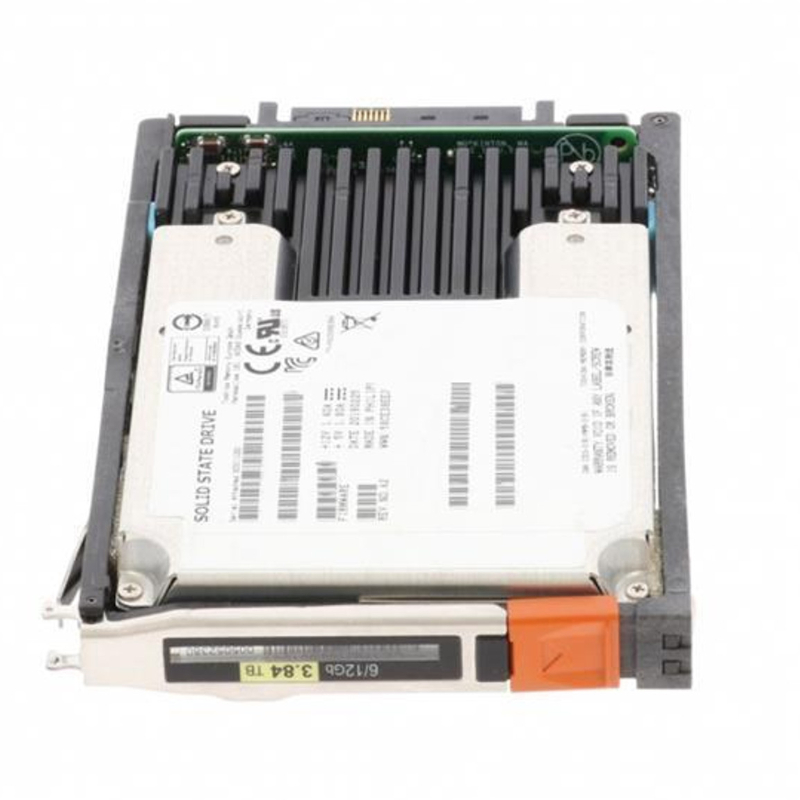


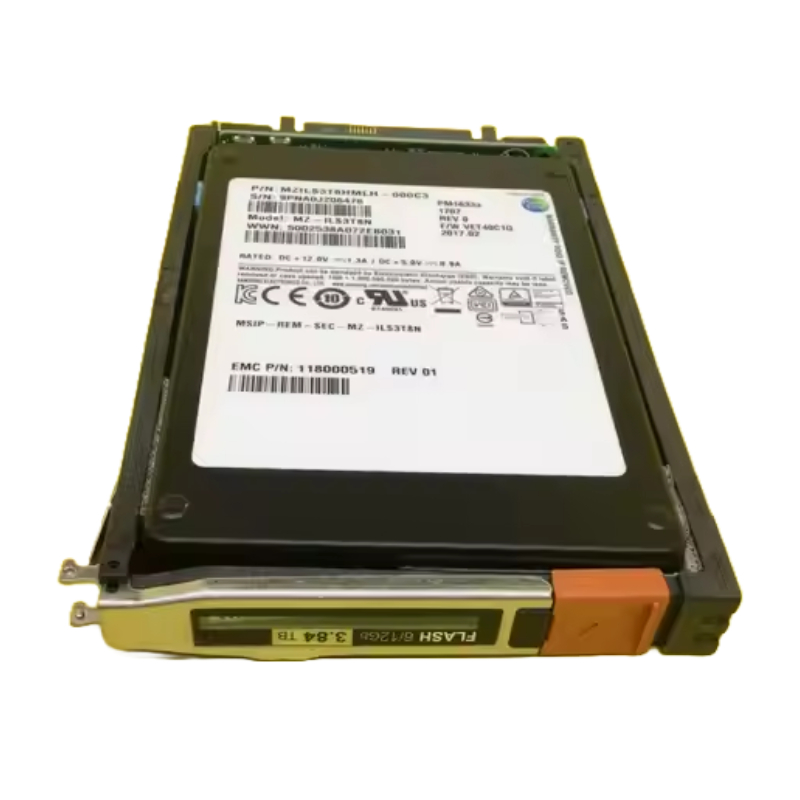
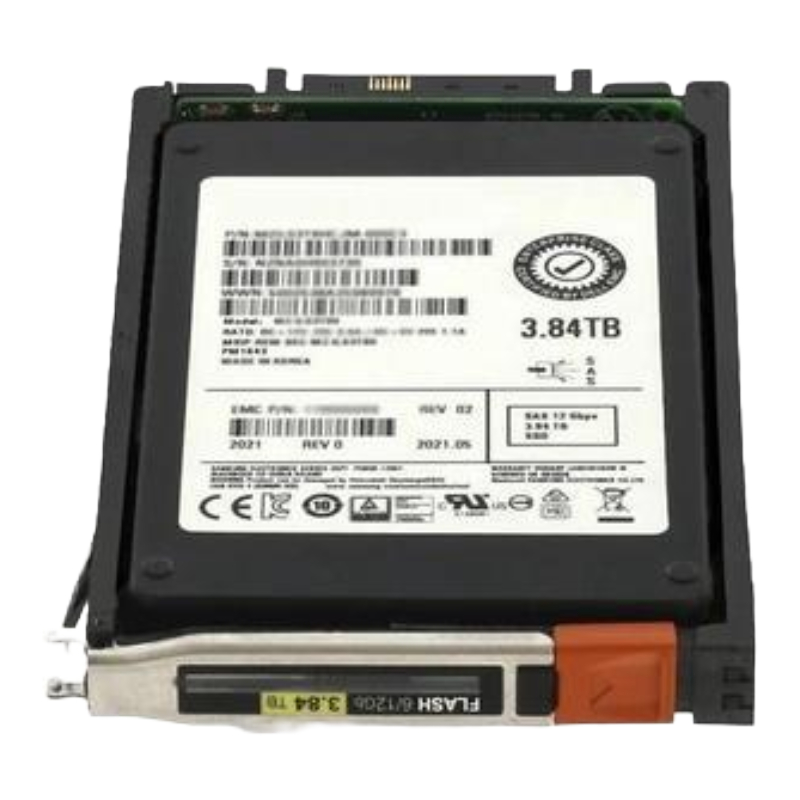
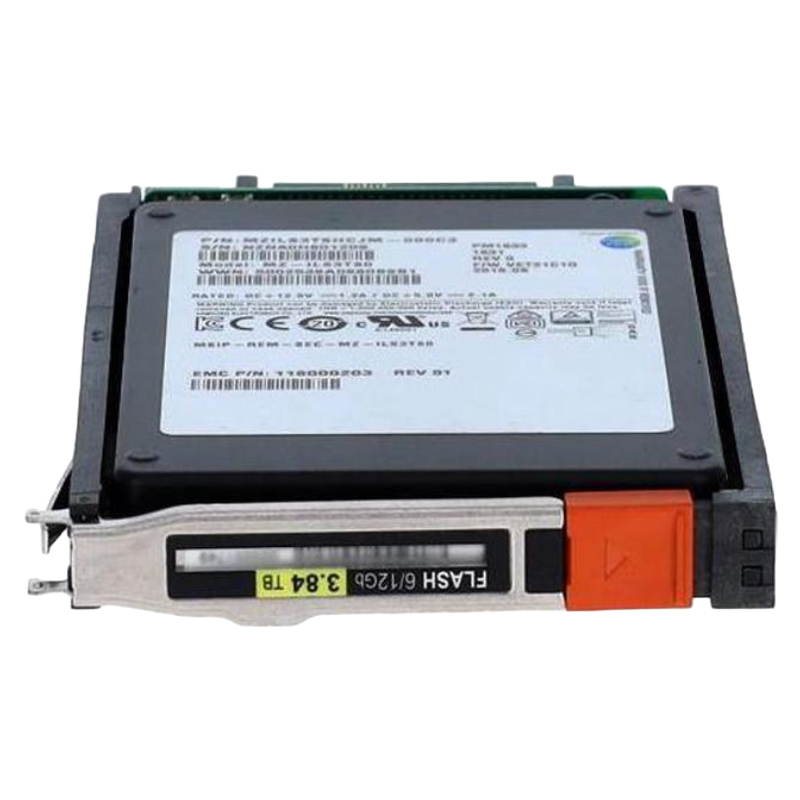
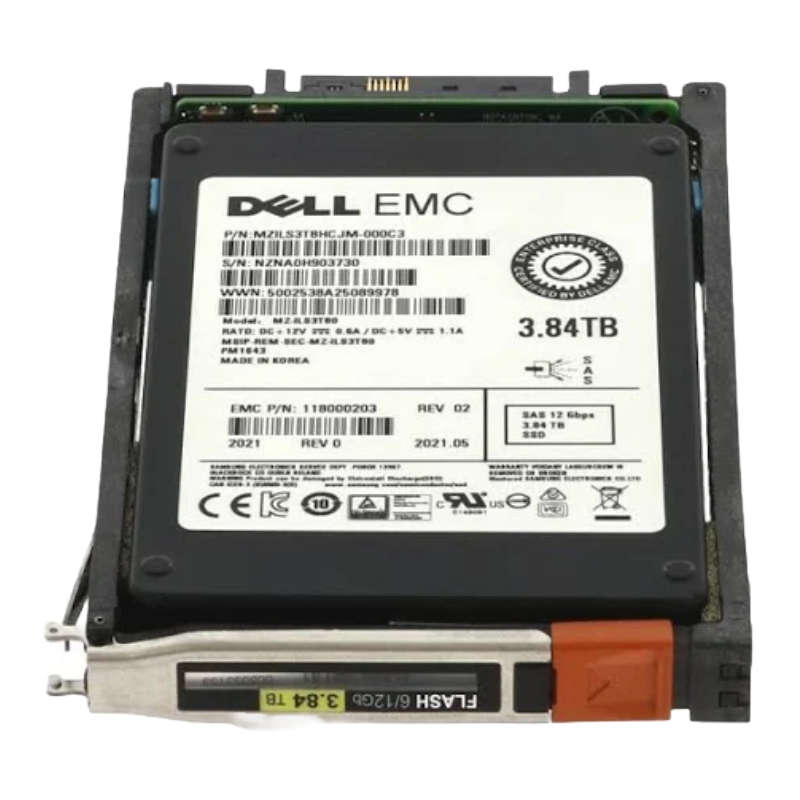
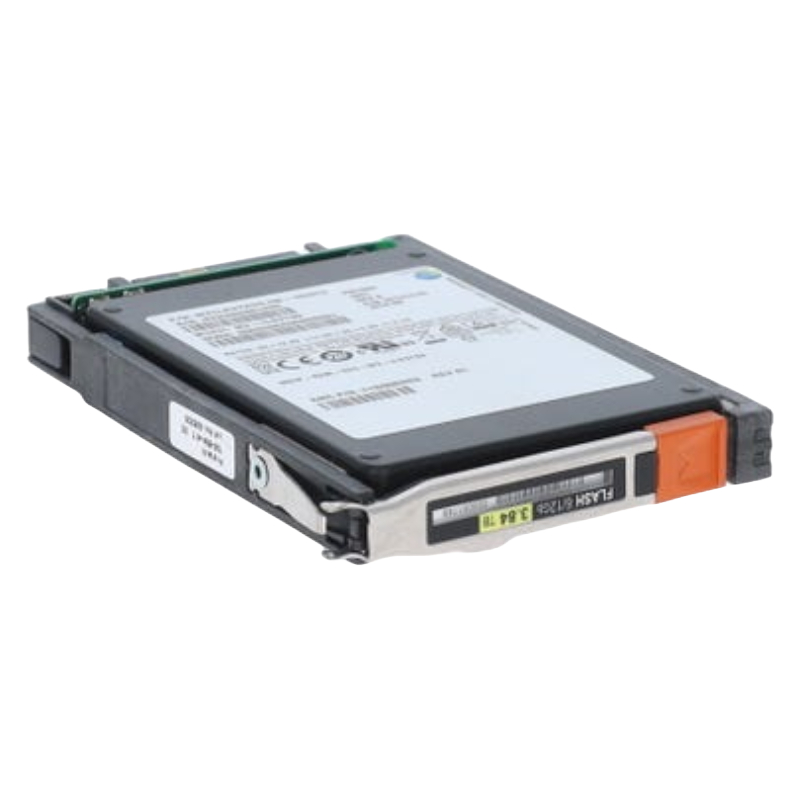
EMC 005052111 3.84TB SAS-12GBPS 2.5inch Enterprise SSD. Excellent Refurbished with 1 year replacement warranty
Comprehensive Overview of EMC 005052111 3.84TB SAS-12Gbps 2.5-Inch Enterprise SSD
The EMC 005052111 3.84TB SAS-12Gbps 2.5-Inch Solid State Drive represents a premium-class enterprise data storage solution built for exceptional speed, reliability, and scalability. Designed by EMC with robust performance architecture, this internal SSD ensures seamless operation for data-intensive workloads and enterprise-grade applications. It combines advanced NAND flash technology, a compact 2.5-inch form factor, and high-throughput SAS connectivity to deliver consistent results in mission-critical systems.
Discover the EMC 005052111 series of high-density enterprise solid-state drives — purpose-built 2.5-inch modules that deliver large usable capacity (3.84TB), enterprise-grade connectivity via the SAS 12Gb/s ecosystem, and a durable engineering profile for mixed and write-intensive data center workloads. These SSDs are commonly stocked across server spares and refurbished-server channels and are sold as OEM / array-compatible drives for EMC/DELL enterprise arrays.
The 3.84TB capacity fits a storage design pattern many enterprises prefer: consolidate I/O onto fewer, faster devices rather than many slower spindles. Packing multi-terabyte NVMe-class usable capacity into a 2.5" SAS form factor enables high-density tray installations in 1U/2U servers or storage shelves while preserving compatibility with established SAS backplanes and controller firmware. This makes the EMC 005052111 attractive for organizations that need higher capacity without a forklift upgrade to NVMe infrastructures.
These drives are commonly listed as OEM parts for EMC arrays (examples include listings tied to VMAX/PowerMax families). That OEM affiliation simplifies procurement for support contracts and makes them a frequent choice for administrators who require spares that match vendor-validated parts lists. When sourcing, look for vendor photos, OEM part numbers and any vendor-provided firmware IDs to ensure compatibility with your controller generation.
A strong market exists for refurbished EMC enterprise SSDs: remanufacturers and parts resellers often carry tested inventory with varying warranty terms (30–360 days or longer from specific sellers). For budget-sensitive projects — lab clusters, non-production pools, or scaled test environments — recertified drives offer a lower unit cost while retaining many enterprise traits (array firmware compatibility, enterprise SATA/SAS connectors, and often rebuild-tested health metrics). Always validate the seller's test procedures and available SMART/health reports before bulk buy.
The 2.5" SFF footprint is standard across modern enterprise servers and storage arrays. These modules are designed to mount in hot-swap sleds or manufacturer caddies (Dell EMC caddies, HPE trays, etc.). When replacing or upgrading, confirm that the drive's physical caddy or carrier is correct for the chassis: many marketplace listings will show drives with or without a vendor caddy; if your backplane expects a Dell or HPE tray, choose a unit that either includes the tray or buy the tray separately.
The EMC 005052111 is commonly presented for SAS backplanes. Because enterprise arrays often vendor-lock firmware and drive IDs for performance and predictability, always confirm controller compatibility (firmware version checks, vendor HCLs) before deploying replacements at scale. Some sellers list these drives for both 6Gb/s and 12Gb/s SAS environments — this often reflects different host backplane capabilities rather than a change in the drive's internal behavior; check the vendor's part listing and photos.
Many enterprise SSD listings for this MPN family show multi-level cell (MLC) or enterprise-grade flash as the NAND technology. Enterprise-grade flash and controller tuning prioritize predictable latency, background housekeeping, and sustained write endurance — important traits for mixed OLTP, virtualization, and database workloads. When endurance (drive writes per day, DWPD) matters to your SLA, request vendor-specific endurance and workload ratings (e.g., DWPD, TBW, or enterprise write workload classification) from the seller or manufacturer documentation.
2.5" enterprise SSDs are optimized to run in dense arrays — they typically feature controlled power draw and thermal profiles suitable for server chassis with directed airflow. However, in high-density deployments, monitor drive inlet temperatures and firmware-reported thermal events; thermal throttling is a safety behavior that can affect sustained write performance. Many remanufacturers will report product condition and operational temperature results; capture those before accepting large shipments.
Use the EMC 3.84TB drives to accelerate primary datasets: virtual machine boot volumes, active database partitions, and transactional application logs. The high capacity and SAS connectivity make the drives useful where array-level features (deduplication, thin provisioning, replication) are combined with fast underlying media. Because the drives are 2.5" form factor, you can deploy many drives per array shelf for significant aggregate capacity.
These SSDs can serve as cache or read-acceleration layers in hybrid flash/HDD arrays. The large capacity lets you provide a sizable cache window that improves hit ratios for frequently accessed data sets, reducing rotational overhead on HDD tiers. When used as cache, firmware and controller policies become key — match drive endurance and controller cache algorithms for predictable improvements.
A high-capacity enterprise SSD is also a good target for fast restores and snapshot staging. Because restores are often I/O-heavy bursts, SSD durability and consistent latency make restores faster and more predictable than HDD targets. Many shops keep a pool of enterprise SSD capacity specifically for rapid recovery operations.
NVMe drives generally offer higher raw throughput and lower latency than SAS. However, in many enterprise environments the cost/benefit ratio still favors SAS SSDs when backward compatibility, existing HBA/RAID controllers, or particular array features are required. The EMC 005052111 is a pragmatic choice where array compatibility, long-term supportability and cost per usable TB matter more than top-of-stack latency.
Smaller SSDs let you scale aggregate performance by adding more spindles/drives which may reduce the impact of a single-device failure. Choose larger 3.84TB modules when you need reduced drive count, simplified management, and lower power/cooling overhead per TB. Consider RAID rebuild times and rebuild impact when planning RPO/RTO for large-capacity SSDs.


 Contact Us
 Information
 Catalog
 Solid State Drives (SSD)
 Network Switches
 Hard Disk Drives
 HBA & Controllers
 PC & Servers
 PC & Server Memory
 CPU & Processors
 Network Routers
 Power Supplies
 Tape Drives & Libraries
 Network Devices
 Computer & Network Cables