(7% discount is applied at checkout)
Cart is empty
Your go-to destination for cutting-edge server products
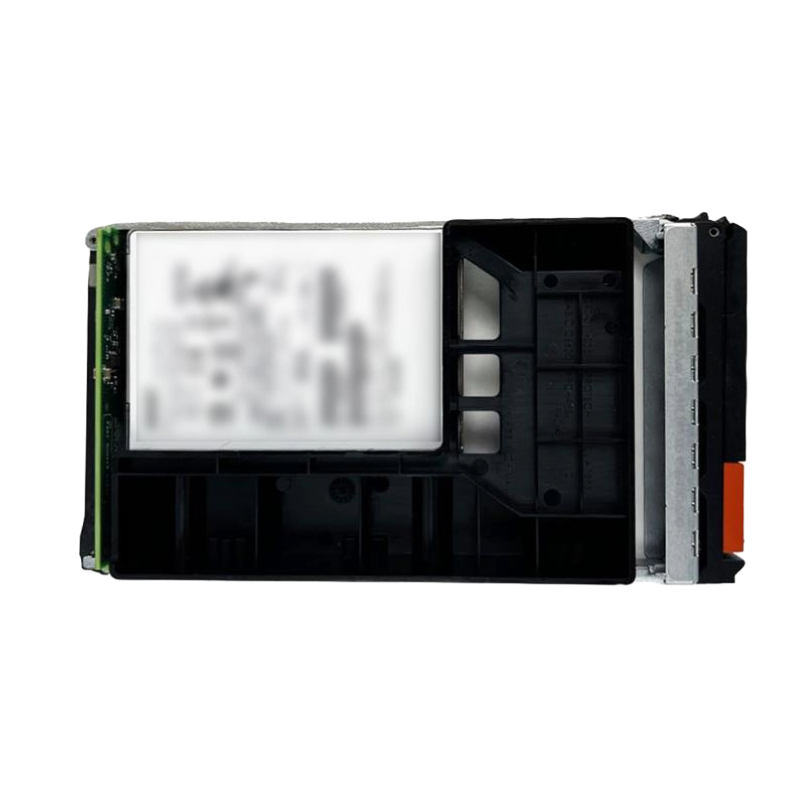


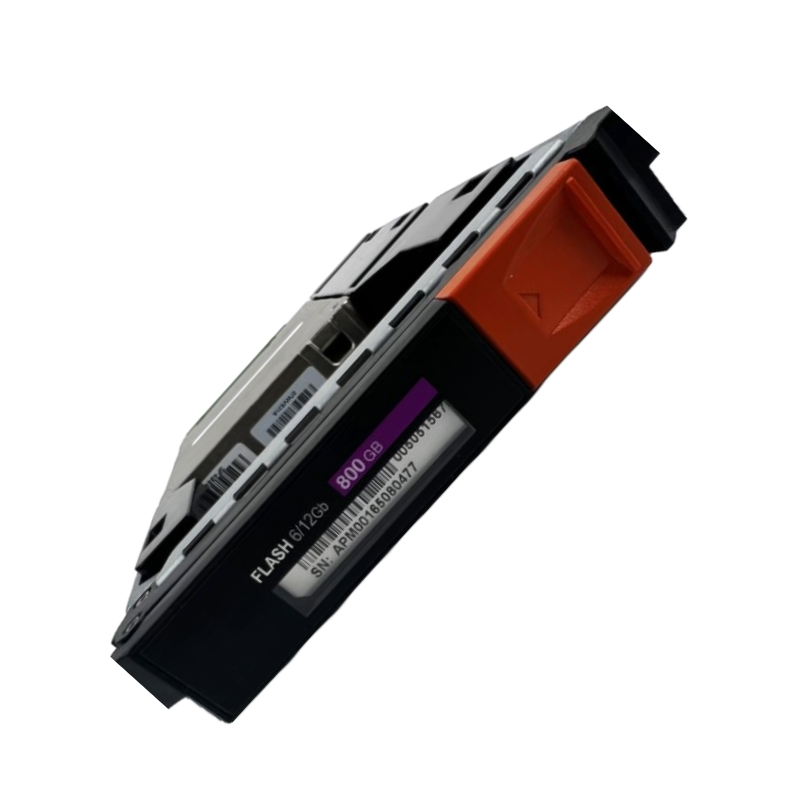
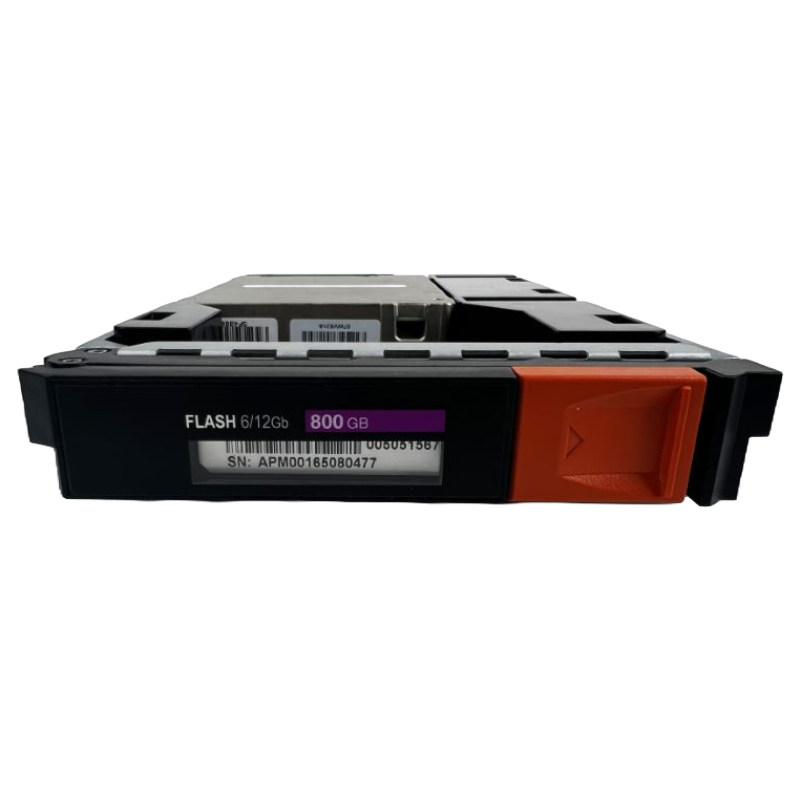
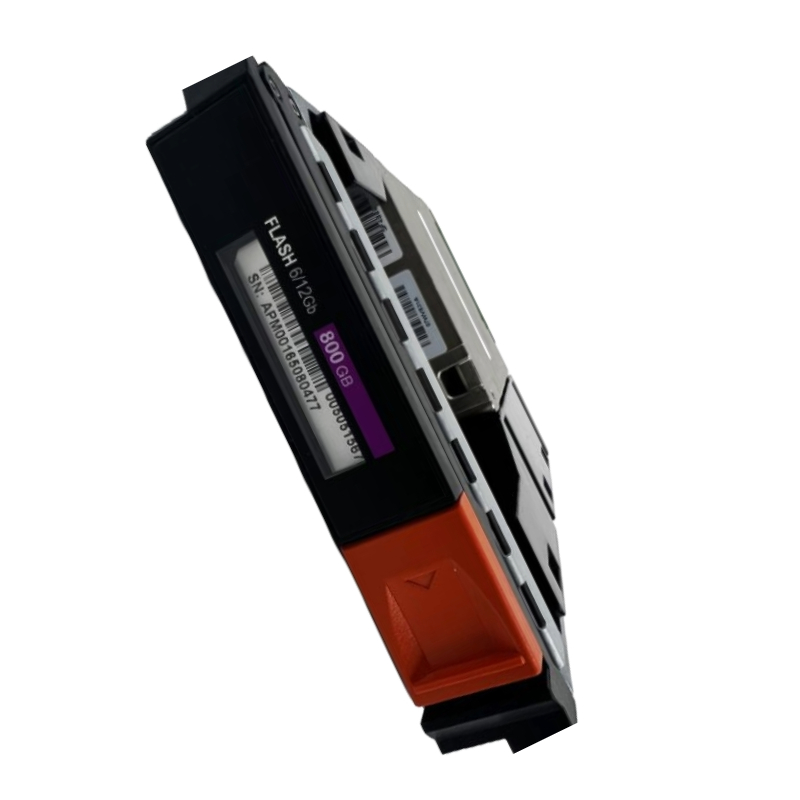
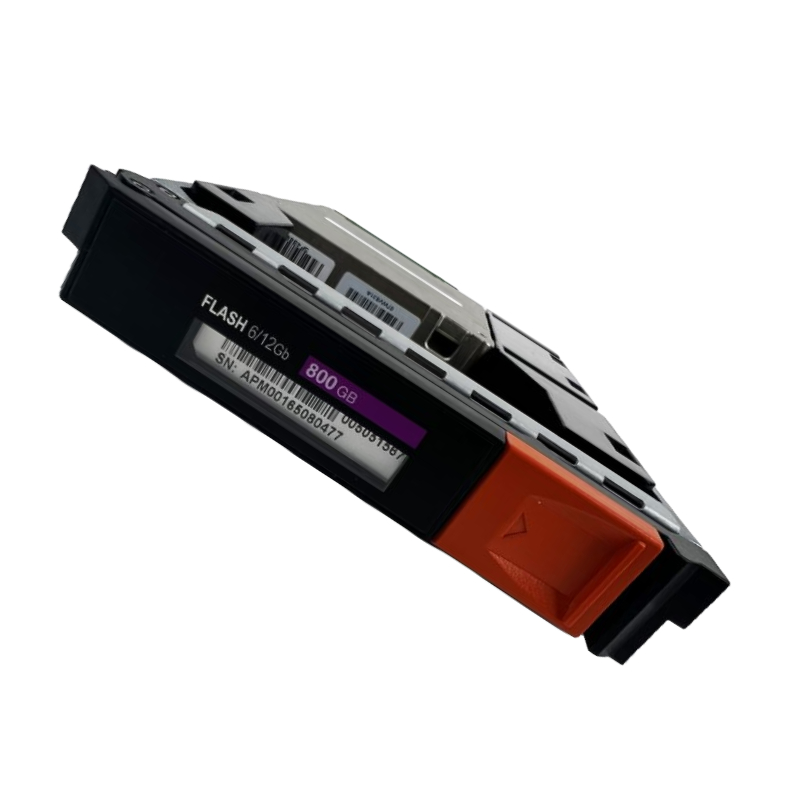
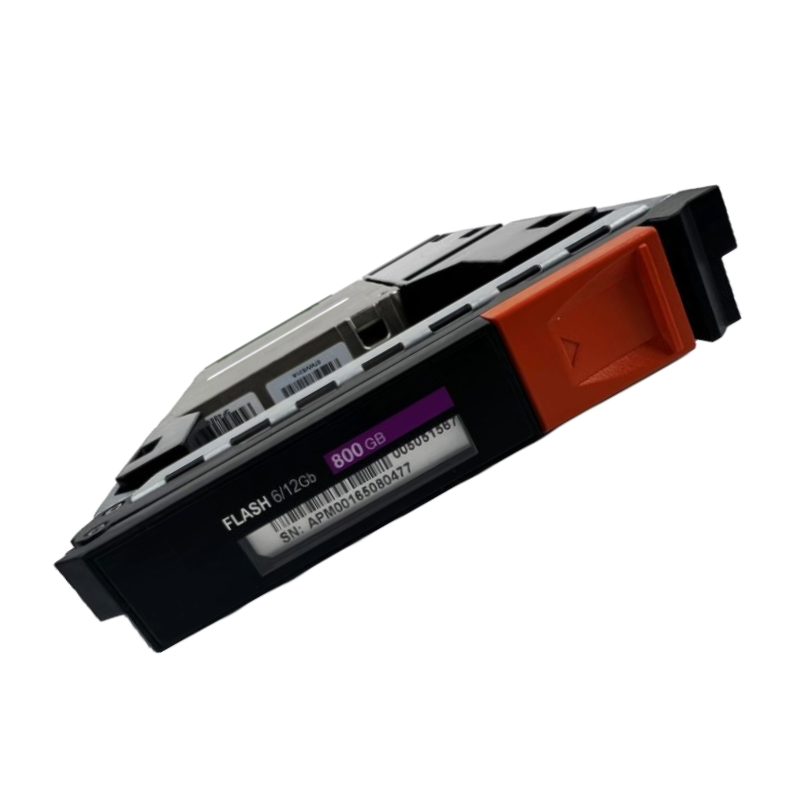
EMC 005051567 800GB SAS 12GBPS 3.5-inch MLC Enterprise Solid State Drive. Excellent Refurbished with 1 year replacement warranty
Discover high-performance data storage with the EMC 005051567 internal solid-state drive, engineered for enterprise-grade reliability and speed.
Engineered for demanding enterprise workloads, the EMC 005051567 800GB SAS 12Gbps 3.5-inch MLC Enterprise Solid State Drive represents a blend of performance, endurance, and compatibility tailored for modern data center environments. Designed to integrate seamlessly into EMC storage arrays and a wide range of enterprise servers, this drive addresses high-throughput, low-latency requirements while providing the robustness necessary for mission-critical systems. Built with multi-level cell (MLC) NAND, a 3.5-inch form factor, and a 12Gbps SAS interface, the drive is optimized for mixed and read-intensive applications where sustained performance and data integrity are paramount.
Every enterprise SSD in this category is designed to maximize I/O operations per second (IOPS) while minimizing latency. The SAS 12Gbps interface of the EMC 005051567 enables higher sequential throughput than previous generations, reducing bottlenecks for both read and write-intensive tasks. Typical deployment scenarios show measurable improvements in random read performance and deterministic latency, which directly benefits database transactions, virtual machine fleets, and caching layers in converged infrastructure solutions.
Endurance metrics for MLC-based enterprise SSDs are expressed in drive writes per day (DWPD) and total bytes written (TBW). This model is tuned for enterprise-class mixed-use workloads where both read and write activity are expected over extended periods. The drive firmware includes advanced wear-leveling and garbage-collection algorithms that help maintain steady performance across the drive’s lifecycle, extending usable life while protecting data consistency.
Power efficiency is a critical metric in large-scale deployments. The 3.5-inch format provides additional thermal headroom compared to smaller form factors, enabling cooler operation under sustained load. Enterprise firmware and optimized thermal profiles reduce throttling incidents, and the drive’s power characteristics contribute to lower rack-level cooling demands, which in aggregate reduce operating costs for large installations.
Choosing a 3.5-inch enterprise SSD offers compatibility benefits with legacy and modern storage arrays that expect larger physical drives. The EMC 005051567 fits into standard 3.5-inch trays and sleds, simplifying retrofits and upgrades in mixed fleets where 3.5-inch bays are plentiful. The larger form factor also helps with heat dissipation and provides space for enhanced controller components and capacitors for power-loss protection.
The SAS 12Gbps interface provides robust, enterprise-grade connectivity with full-duplex communication, dual-port availability in many implementations, and strong error detection and recovery features. This ensures high availability in storage fabrics and allows for redundant paths in mission-critical storage topologies. SAS connectors and cabling are widely supported in server and SAN ecosystems, making the drive a versatile choice for heterogeneous environments.
Multi-level cell NAND offers a solid compromise between cost, density, and endurance compared to SLC and TLC technologies. For enterprise applications where sustained performance and reasonable cost per GB are both important, MLC delivers predictable behavior under heavy workloads. With enterprise-grade MLC and tailored firmware, the drive provides consistent performance and superior write endurance compared to consumer-grade MLC implementations.
Transactional databases demand low latency and consistent IOPS. The EMC 005051567 is well-suited for database acceleration roles such as primary or secondary storage for transactional systems, log journaling, and indexes. In clustered database environments, the drive’s predictable latency characteristics help maintain query responsiveness and reduce tail-latency spikes that can impact user experience and SLA compliance.
Virtual desktop infrastructure (VDI) and dense virtualization platforms benefit from SSDs that can sustain mixed I/O patterns. The drive reduces boot storms and login latency for large numbers of concurrent users. Its MLC endurance and enterprise firmware reduce the risk of early wear-out in hypervisor environments where many virtual machines share the same underlying storage pool.
Organizations frequently deploy enterprise SSDs as a tier within hybrid storage architectures to accelerate hot data. This SSD’s characteristics make it an ideal candidate for cache layers, read/write tiering, and accelerating metadata operations in all-flash arrays or hybrid arrays. When used as part of a flash-first tier, it can dramatically decrease application response times and increase overall system throughput.
Analytics and real-time data processing platforms require high sequential throughput and robust random I/O. The SAS 12Gbps interface and enterprise-grade MLC support workloads such as log ingestion, streaming analytics, and intermediate result set storage. The drive’s thermal and power profiles also support dense rack deployments common in analytics clusters.
Enterprise drives commonly incorporate power-loss protection mechanisms and onboard capacitors to ensure write caches are flushed to NAND in the event of sudden power interruption. The EMC 005051567 contains design features and firmware safeguards to protect in-flight data and to maintain metadata integrity during unexpected outages, essential for transactional systems and SAN arrays.
Advanced ECC (error-correcting code) engines and end-to-end data protection prevent silent data corruption. This SSD includes enterprise-grade ECC and data path protection to minimize the risk of data loss due to bit errors, while standard SMART reporting and telemetry enable administrators to track drive health and preemptively replace drives showing deterioration.
Firmware maturity is a significant part of enterprise reliability. The SSD is shipped with firmware tuned for EMC ecosystems and common server platforms. Firmware updates address performance optimizations, compatibility improvements, and reliability patches. In production environments, tightly controlled firmware release processes and tested update procedures ensure minimal disruption during maintenance windows.
Although identified by an EMC part number, this drive often functions across a variety of enterprise systems. Compatibility testing and validated configurations with EMC storage arrays, SAN controllers, and mainstream server vendors mean the drive can be used as a direct replacement or upgrade in certified platforms. Cross-vendor compatibility simplifies inventory and lifecycle management for data centers that use mixed equipment vendors.
In RAID configurations, SSD characteristics such as write amplification, endurance, and consistent latency must be understood for optimal array performance. The EMC 005051567 is appropriate for many RAID levels but administrators should follow vendor guidelines when mixing drive types within the same RAID group. RAID rebuild times can be significantly reduced with SSDs, but planning for rebuild stress and background parity operations is still critical.
For regulated industries and organizations with strict data security requirements, self-encrypting drive (SED) capabilities can be a decisive feature. When enabled, hardware-based encryption protects data-at-rest without significant performance penalties. Integration with enterprise key management systems ensures that cryptographic keys are managed centrally and in compliance with corporate policies.
End-of-life sanitization must comply with organizational and regulatory requirements. Secure erase commands and overwrite procedures, when implemented correctly, render data unrecoverable. Many enterprise SSDs support vendor-sanctioned secure erase commands that are faster and more reliable than manual overwrite methods, preserving drive longevity and regulatory compliance.
The 800GB nominal capacity is often accompanied by vendor over-provisioning which reserves NAND for wear leveling and sustained performance. Understand the usable capacity in the context of RAID and deduplication/compression features in higher-level storage software to plan raw and effective capacity accurately.
IOPS and sequential throughput numbers vary by firmware, workload, and array configuration. For mixed workloads, expect more modest IOPS than in pure random read benchmarks but significantly improved performance compared to HDDs. Monitor and compare performance in situ with representative application patterns to set realistic expectations.


 Contact Us
 Information
 Catalog
 Solid State Drives (SSD)
 Network Switches
 Hard Disk Drives
 HBA & Controllers
 PC & Servers
 PC & Server Memory
 CPU & Processors
 Network Routers
 Power Supplies
 Tape Drives & Libraries
 Network Devices
 Computer & Network Cables