(7% discount is applied at checkout)
Cart is empty
Your go-to destination for cutting-edge server products
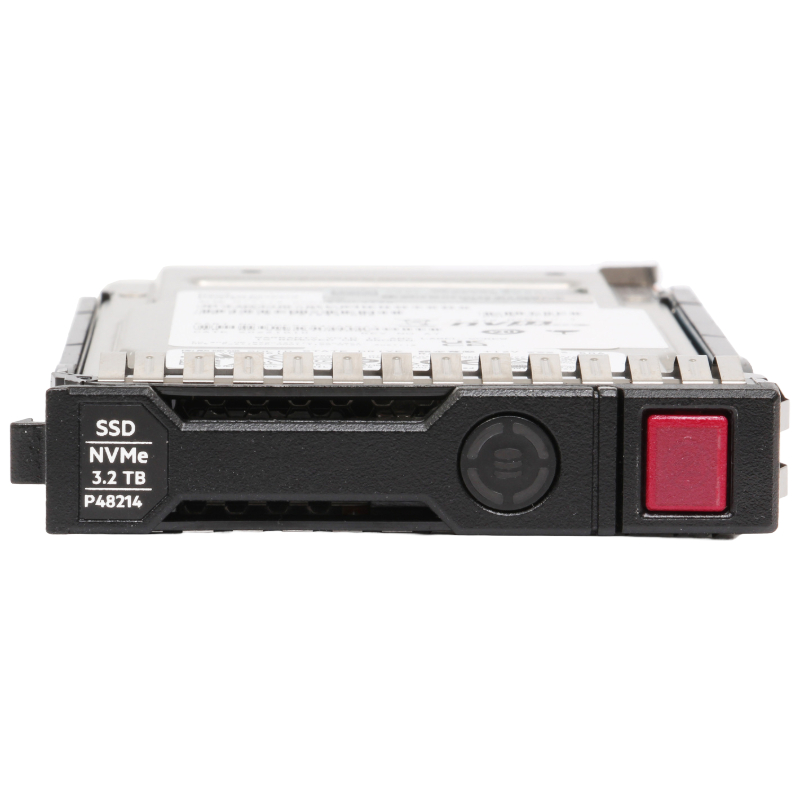


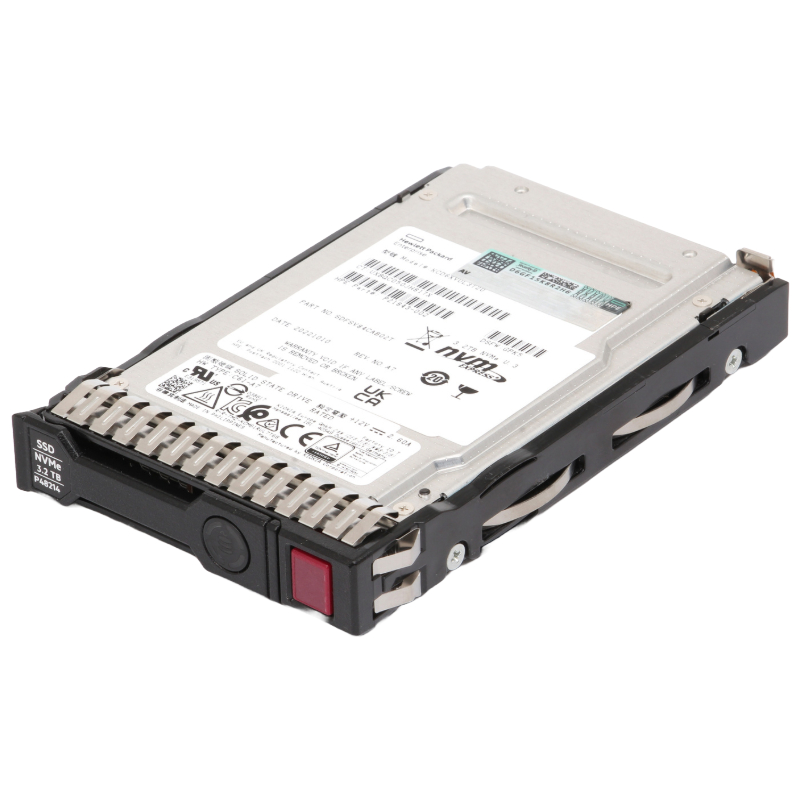
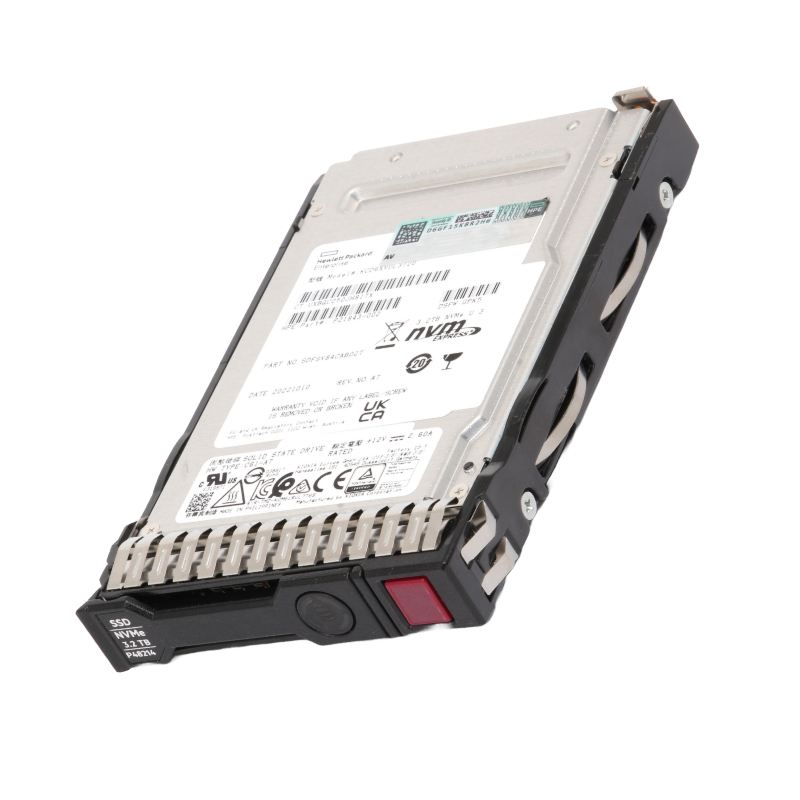
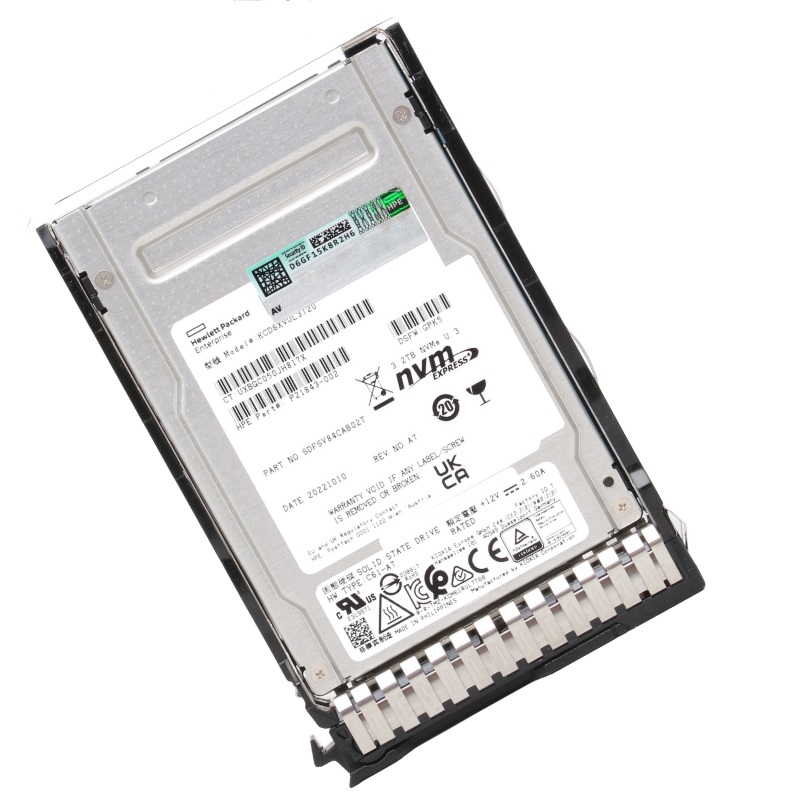
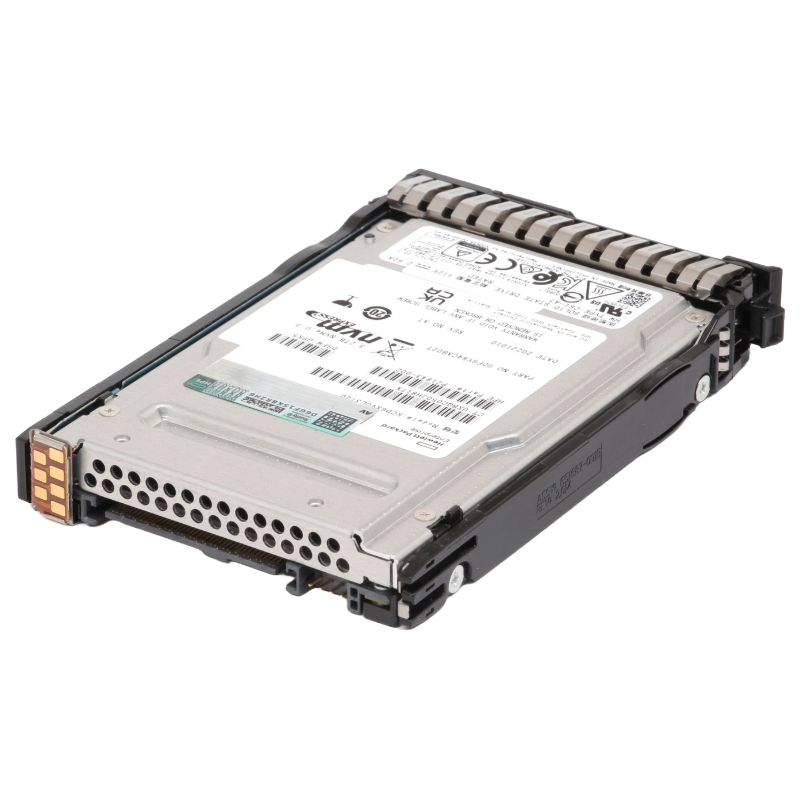
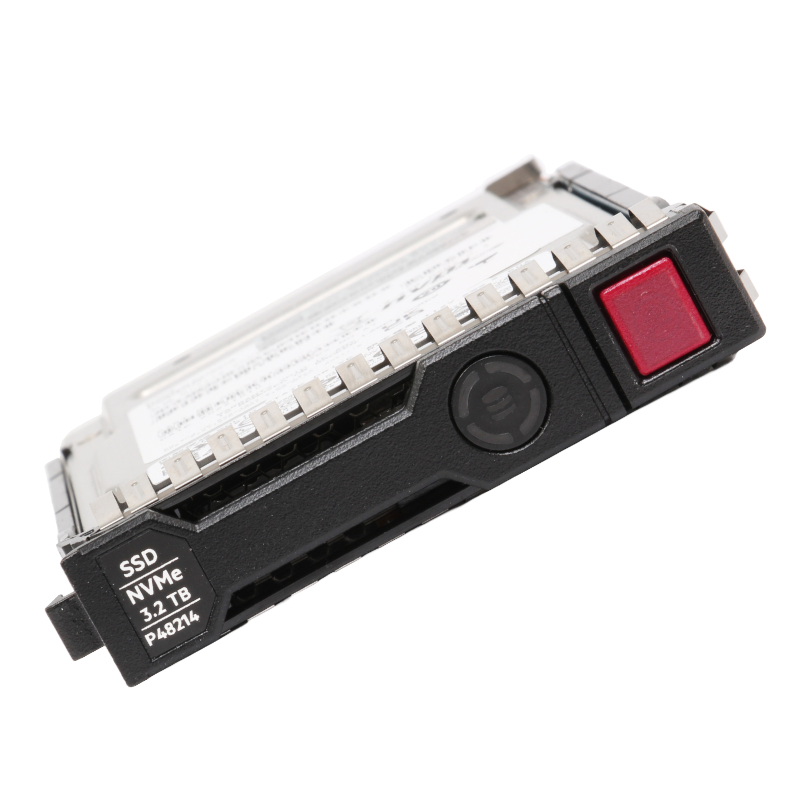
HPE P47835-B21 3.2TB NVMe Gen3 Mainstream Performance Mixed Use Sff Sc U.3 Static Multi Vendor SSD. Excellent Refurbished with 1 year replacement warranty
The HPE P47835-B21 3.2TB NVMe Gen3 Solid-State Drive is a high-efficiency enterprise-grade storage solution engineered for mixed-use workloads that demand exceptional read/write performance, reliability, and scalability. This SSD delivers cutting-edge NVMe technology to enhance application responsiveness and accelerate data-intensive operations in professional computing environments.
The HPE P47835-B21 NVMe SSD integrates advanced PCIe Gen3 interface technology to provide seamless data access and superior I/O performance. Its 3.2TB capacity offers ample space for high-demand enterprise workloads, while the 15mm height ensures easy deployment across server configurations.
Delivering exceptional performance for enterprise-class applications, the P47835-B21 SSD is optimized for both read and write-intensive workloads. Its balanced architecture ensures smooth operations across transactional databases, virtualized workloads, and analytics-driven infrastructures.
The drive features digitally signed firmware to safeguard against unauthorized modifications, ensuring data authenticity and compliance with security standards. Built with TLC flash technology, it offers a balanced combination of endurance, efficiency, and cost-effectiveness for large-scale deployments.
The HPE P47835-B21 3.2TB NVMe SSD is designed to seamlessly integrate with multiple generations of HPE servers, providing optimized performance and system reliability across various enterprise setups.
The HPE P47835-B21 3.2TB NVMe Gen3 Mainstream Performance Mixed Use SFF SC U.3 Static Multi Vendor SSD represents a focused category of enterprise-class solid state drives optimized for mainstream performance and mixed-use workloads. This category is defined by a combination of NVMe Gen3 x4 performance, the compact small form factor (SFF) U.3 connector, and firmware tuned for mixed read/write profiles that commonly occur in virtualization, database acceleration, general-purpose server caching, and converged infrastructure. As a “static multi vendor” offering, these drives are built to meet broad interoperability requirements across modern HPE servers and certified storage enclosures, enabling datacenter operators to standardize on a single, high-density NVMe footprint without sacrificing compatibility or manageability.
At its core, the category is centered around NVMe over PCIe Gen3, leveraging four PCIe lanes to deliver low-latency block storage access that dramatically outperforms legacy SATA and SAS SSDs in random I/O workloads. The U.3 (SFF-8639) form factor is the physical hallmark of this category: it provides a hot-pluggable 2.5-inch SFF footprint with a connector designed to support NVMe performance while remaining backward-friendly within modern server backplanes. The “3.2TB” capacity point is strategically placed for organizations seeking high-capacity NVMe media for mixed-use applications where a balance of cost per GB and sustained performance is essential.
NVMe Gen3 drives in this category capitalize on the protocol’s streamlined command set and parallelism to reduce latency and increase IOPS per drive. For mainstream performance tiers, the emphasis is on consistent latency under varied queue depths and balanced throughput for both reads and writes, ideal for mixed-use environments where bursts of transactional activity and sustained streaming coexist. Whether the workload is virtual machine boot storms, moderately concurrent database queries, or software-defined storage metadata operations, NVMe Gen3 drives significantly improve application responsiveness and server consolidation ratios.
The SFF U.3 connector and 2.5-inch chassis footprint translate into high-density NVMe deployments that are easier to service in rack-scale systems. The U.3 interface supports hot-swap capability in many HPE systems, enabling rapid field replacement and easier lifecycle management compared with non-hot-pluggable media. The small physical size, paired with high capacity like 3.2TB per drive, allows datacenter architects to optimize rack real estate while maintaining the operational simplicity expected of enterprise-class storage components.
Drives in this category are engineered to deliver mainstream performance: meaning they provide robust, predictable throughput and IOPS for a wide variety of applications without targeting the extreme tail of performance reserved for “data center class” or “ultra-performance” SSDs. They are optimized to handle mixed-use I/O patterns where reads and writes are present in significant proportions. The firmware in these devices typically includes features for write optimization, wear leveling, and garbage collection tailored to maintain sustained performance over time, which is critical for environments with continuous write activity.
While peak IOPS and sequential throughput are relevant metrics, the more important quality for mainstream mixed-use NVMe drives is latency consistency. These drives are tuned to minimize tail latency across typical queue depths found in virtualized servers and containerized environments. For IT teams concerned with service-level objectives, drives in this category can be incorporated into monitoring and observability frameworks to track latency percentiles and detect shifts in workload behavior before they impact application performance.
Endurance for mixed-use SSDs is balanced to deliver practical drive lifetimes for mainstream enterprise deployments. Endurance metrics for this category are typically expressed in drive writes per day (DWPD) over a specified warranty period; the design intent is to support the aggressive but realistic write patterns of server consolidation and database caching without excessive overprovisioning. Reliability is reinforced by enterprise-grade features such as power-loss data protection, end-to-end data path protection, and SMART telemetry for pre-failure detection. Together, these mechanisms help datacenter operators maintain data integrity and schedule maintenance proactively.
The “static multi vendor” designation emphasizes cross-vendor interoperability and certification with HPE server platforms, storage controllers, and management tools. Drives in this category integrate seamlessly with HPE management utilities for firmware updates, drive health reporting, and compatibility checks. This ensures that the SSDs not only fit physically into HPE ProLiant and Apollo systems but also participate in vendor-supplied lifecycle and diagnostic workflows.
Firmware in enterprise NVMe SSDs is a critical element of the product lifecycle. For the P47835-B21 category, firmware releases address bug fixes, performance tuning, and compatibility improvements. HPE’s ecosystem often provides validated firmware bundles so administrators can apply updates in a controlled manner. Regular firmware maintenance delivered through established channels reduces the risk of incompatibilities and maintains optimal performance with evolving server BIOS and OS NVMe driver stacks.
Modern datacenter operations demand visibility into storage health and usage. Drives in this category emit SMART attributes and vendor-specific telemetry that integrate with HPE OneView, iLO, or third-party monitoring systems. Administrators can track wear metrics, temperature, error counts, and remaining life estimates to plan replacements and avoid unplanned downtime. These telemetry channels also support capacity planning by revealing actual utilization patterns across virtualized workloads.


 Contact Us
 Information
 Catalog
 Solid State Drives (SSD)
 Network Switches
 Hard Disk Drives
 HBA & Controllers
 PC & Servers
 PC & Server Memory
 CPU & Processors
 Network Routers
 Power Supplies
 Tape Drives & Libraries
 Network Devices
 Computer & Network Cables