(7% discount is applied at checkout)
Cart is empty
Your go-to destination for cutting-edge server products
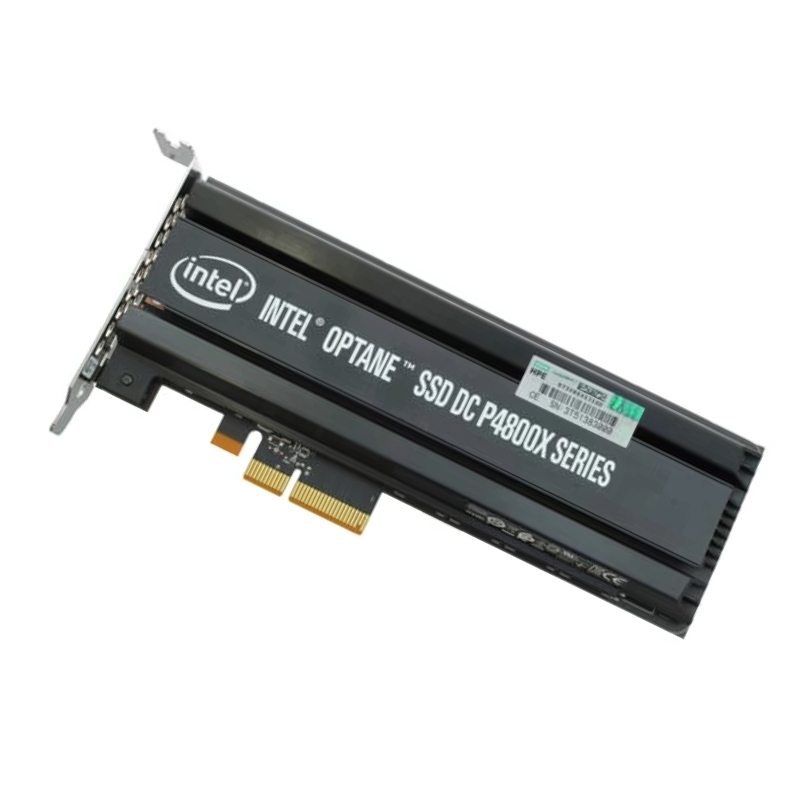


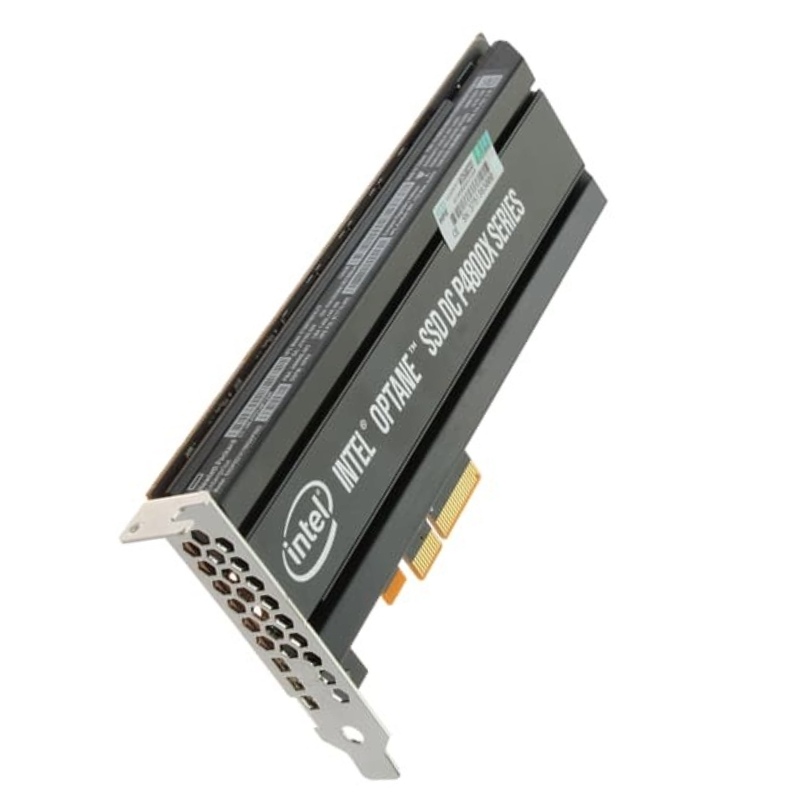
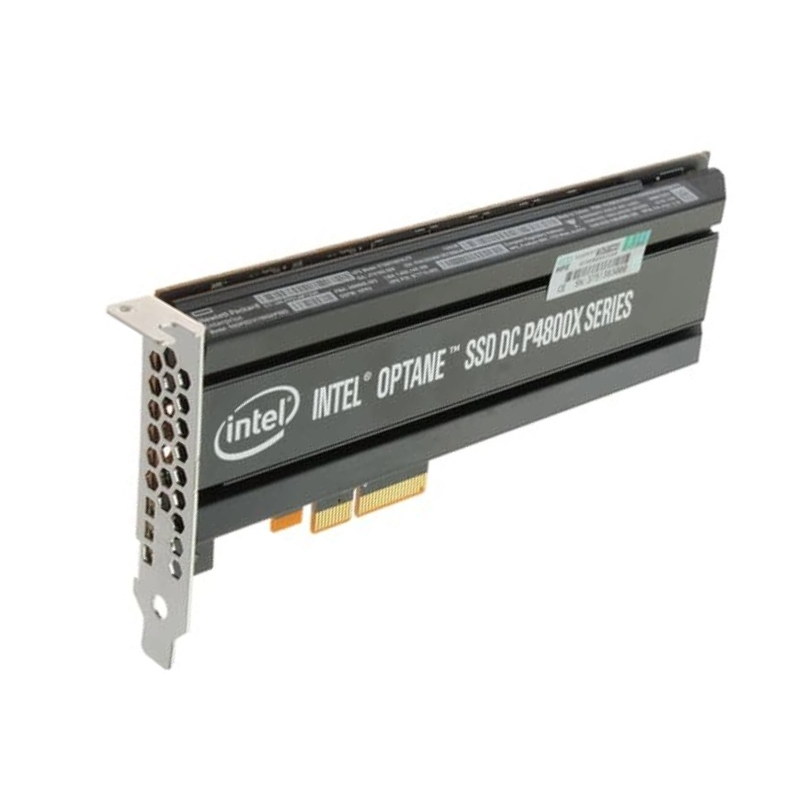
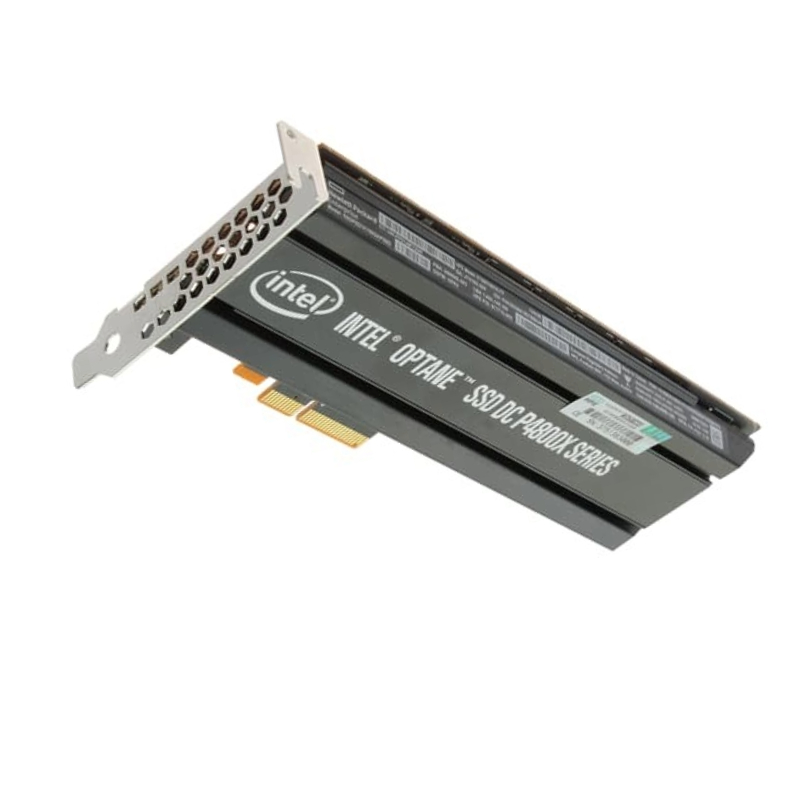
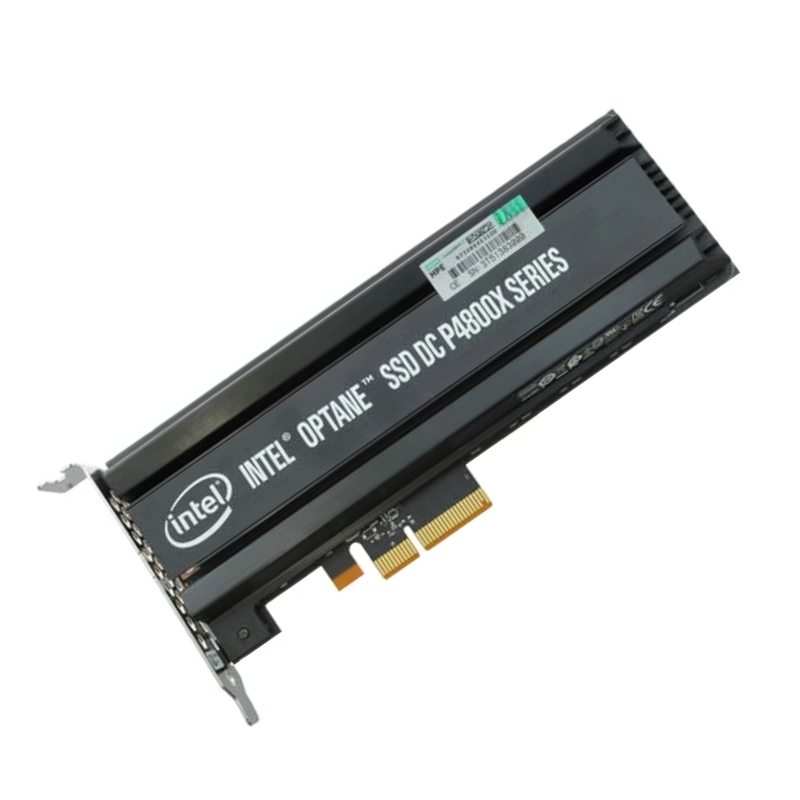
HPE 878038-B21 750GB Write Intensive NVMe PCI-E Card (HHHL) SSD with Digitally Signed Firmware for ProLiant Server. Excellent Refurbished with 1 year replacement warranty
The HPE 878038-B21 750GB Write Intensive NVMe PCI-E card (HHHL) SSD is designed as a high-performance, high-endurance storage option for HPE ProLiant server environments where write throughput, consistent low latency, and firmware security matter. This category section delves deep into the technical characteristics, deployment models, and real-world implications of choosing a write-intensive NVMe PCI-E card for enterprise workloads. It focuses on the 750GB capacity tier and the HHHL form factor, describing how these drives integrate with ProLiant server architectures and what administrators should expect in terms of endurance, I/O behavior, thermal management, firmware policies, and long-term lifecycle considerations.
The half-height, half-length (HHHL) PCI-E add-in card form factor is fundamental to the HPE 878038-B21 design. As a PCI-E card that occupies a single slot, HHHL cards balance density and cooling accessibility in rack and tower ProLiant chassis. The HHHL profile ensures compatibility with a wide range of HPE ProLiant models while providing a robust heatsink and board layout that optimize heat dissipation across sustained write workloads.
The card leverages NVMe protocol across PCI-E lanes, providing a direct, low-overhead path to the CPU and memory subsystem. NVMe is engineered for parallelism with multiple submission and completion queues, which unlocks much higher IOPS and lower latency compared to legacy SATA or SAS interfaces. The HPE 878038-B21 is typically provisioned to use x4 or more PCI-E lanes depending on the server slot and motherboard configuration, enabling the SSD to deliver the burst and sustained throughput necessary for write-heavy database and logging workloads. The NVMe protocol also allows advanced features such as namespace management and firmware commands via the NVMe command set, simplifying integration with modern orchestration and monitoring tools.
Write-intensive NVMe SSDs are engineered to sustain a high volume of write operations over time without compromising latency. The HPE 878038-B21 in the 750GB capacity class typically targets use cases that demand consistent write bandwidth and predictable tail latency. Performance metrics for this category emphasize sustained sequential write bandwidth, random write IOPS at small block sizes (4K and 8K), and predictable response times under heavy queue depths. For workloads such as database commit logs, caching layers, message queues, and virtual machine swap activity, the write endurance profile is the critical differentiator that allows these drives to support aggressive write patterns while preserving usable capacity and performance stability throughout the product lifecycle.
The designation “write intensive” signals an internal design that prioritizes endurance and sustained write capability. These drives typically utilize enterprise-grade NAND and robust over-provisioning to extend the drive’s lifetime when subjected to heavy write cycles. Over-provisioning helps maintain write amplification at a manageable level by providing spare blocks for wear leveling and garbage collection processes. Enterprise controllers on these cards implement sophisticated wear leveling, predictable background operations, and capacitors or other power loss protection mechanisms to ensure data integrity during abrupt power events.
Digitally signed firmware is a crucial security and compliance feature of modern enterprise SSDs and is specifically highlighted in the HPE 878038-B21. Digitally signed firmware ensures that only authenticated and integrity-verified firmware versions can be loaded on the drive, protecting systems from unauthorized or malicious firmware modifications. This capability plays a central role in regulated environments and security-conscious deployments where firmware provenance and traceability matter. Firmware signing also enables administrators to adopt strict change control processes: firmware updates are validated against cryptographic signatures, simplifying compliance audits and reducing the risk of supply-chain tampering. Integration with HPE server management tools further streamlines firmware rollout, rollback policies, and reporting for enterprise asset management.
Compatibility with HPE ProLiant servers is a primary consideration for procurement and deployment. The card is engineered to work with validated HPE ProLiant platforms, with firmware and hardware interfaces that align with HPE’s server management ecosystem. Compatibility encompasses physical fit, BIOS/UEFI recognition of NVMe devices, VROC or HPE RAID controller interplay (when applicable), and monitoring via HPE management suites for asset inventory and health metrics. When deploying HPE 878038-B21 drives, administrators should follow published HPE compatibility matrices and firmware guides to ensure optimal performance and supported configurations. Server slot placement, PCI-E bifurcation settings, and BIOS storage driver compatibility can all influence device enumeration and subsequent OS-level behavior.
Write-intensive NVMe SSDs are purpose-built for a set of demanding use cases within enterprise data centers. Primary categories include persistent logging and journaling tiers for database systems, write-back cache layers for storage controllers, virtualized desktop and application workloads with high write churn, high-frequency trading and telemetry ingestion systems that require microsecond latency, and streaming ingest platforms where sequential write throughput directly affects downstream processing. These drives are particularly beneficial where consistent write performance and endurance trump raw capacity alone, and where predictable response times reduce the risk of service-impacting latency spikes during peak activity.
Sustained write workloads generate continuous heat, and PCI-E NVMe cards with enterprise controllers and heatsinks require sufficient airflow to avoid thermal throttling. Best practices include placing the card in server slots where the airflow path is least impeded, verifying that chassis fans are configured to provide adequate cubic feet per minute (CFM), and monitoring drive temperature via server management tools. Thermal throttling algorithms on the card reduce performance to protect the drive at elevated temperatures, so maintaining recommended operating temperatures through proper cooling design preserves both performance and long-term reliability. In dense blade or modular systems, additional heat mitigation strategies such as supplemental air shrouds or redistributed fan profiles may be necessary.
Enterprise NVMe cards often include features designed to preserve data integrity on unexpected power loss. These mechanisms can include power capacitors to flush volatile caches to NAND, firmware-level handling for in-flight metadata, and controller logic that ensures consistent recovery after abrupt power events. Power consumption under write load is an important factor when sizing power supplies and when planning for redundant power paths in critical systems. The HPE-validated design of these cards aligns with ProLiant power and thermal envelopes, but administrators should account for worst-case power draw when configuring dense server racks to prevent brownout conditions or unintended throttling.


 Contact Us
 Information
 Catalog
 Solid State Drives (SSD)
 Network Switches
 Hard Disk Drives
 HBA & Controllers
 PC & Servers
 PC & Server Memory
 CPU & Processors
 Network Routers
 Power Supplies
 Tape Drives & Libraries
 Network Devices
 Computer & Network Cables