(7% discount is applied at checkout)
Cart is empty
Your go-to destination for cutting-edge server products
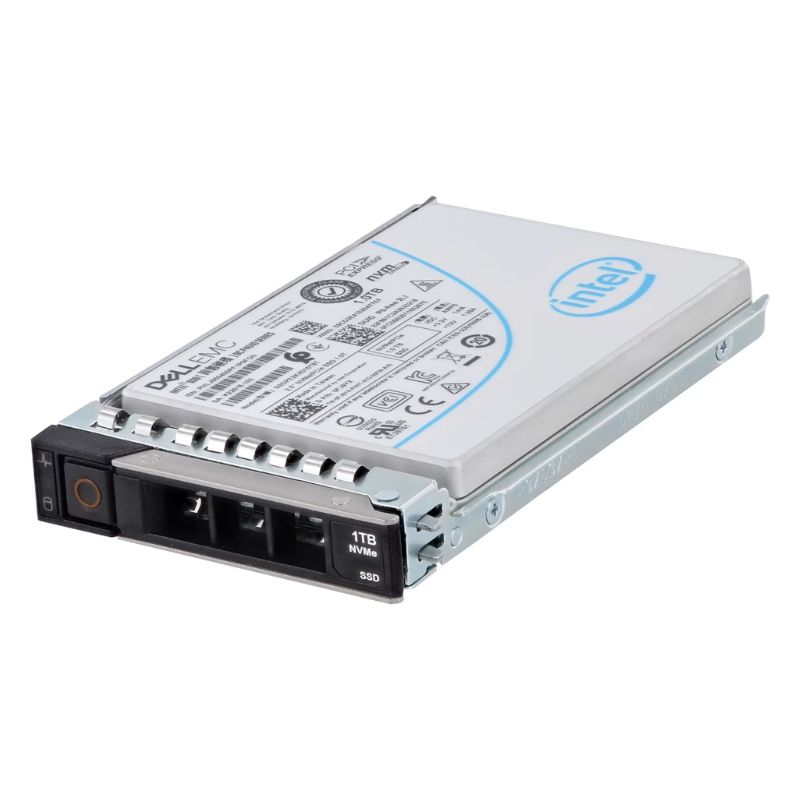


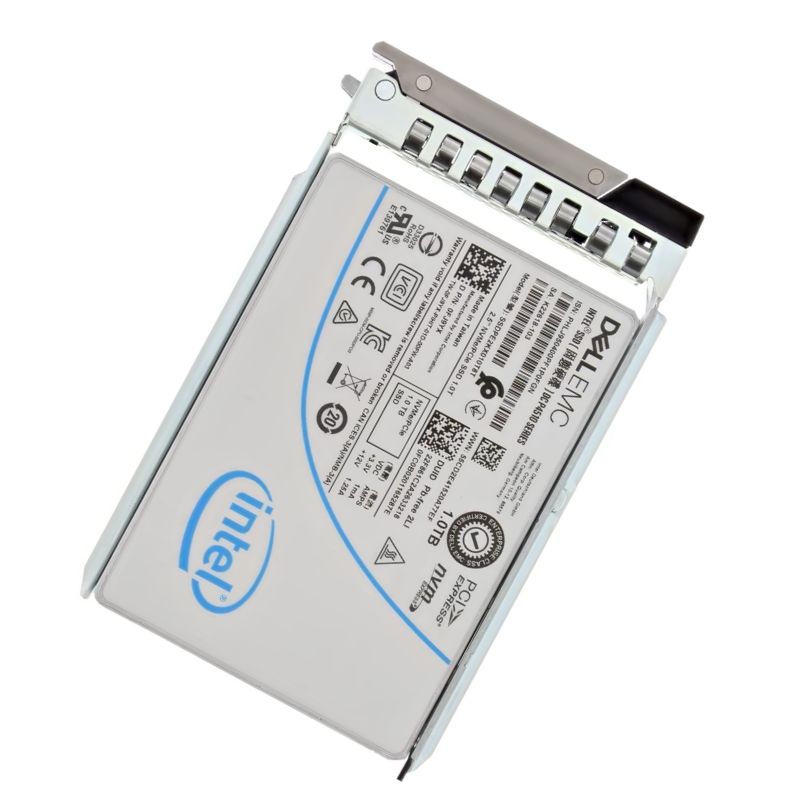
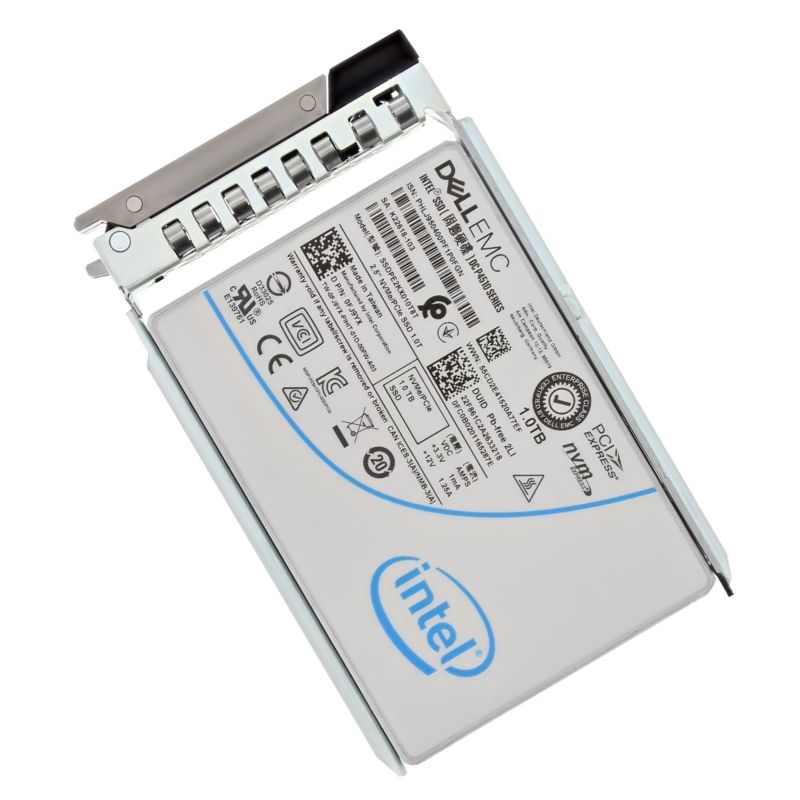
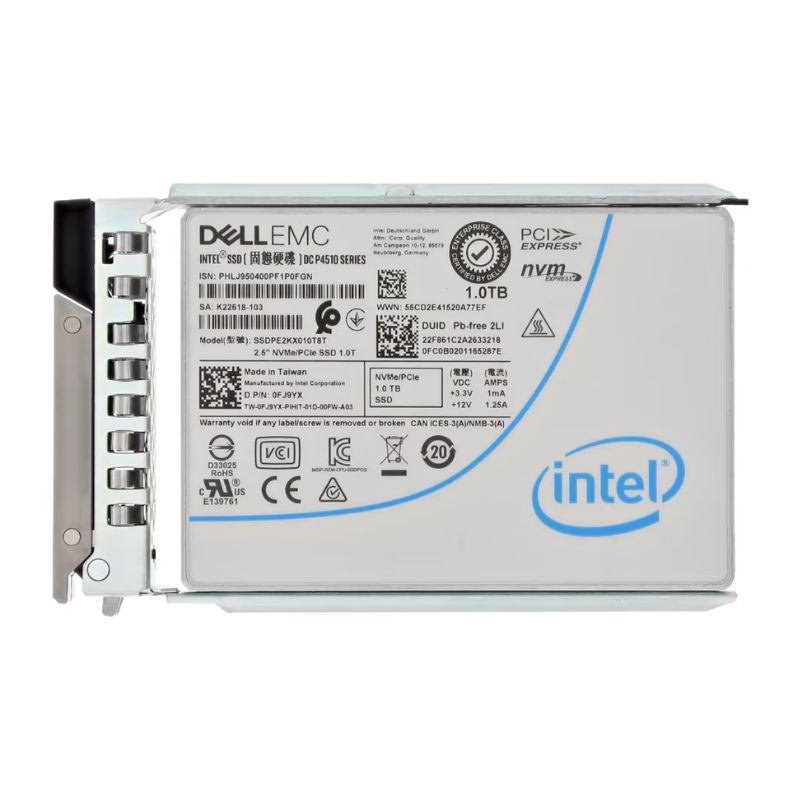
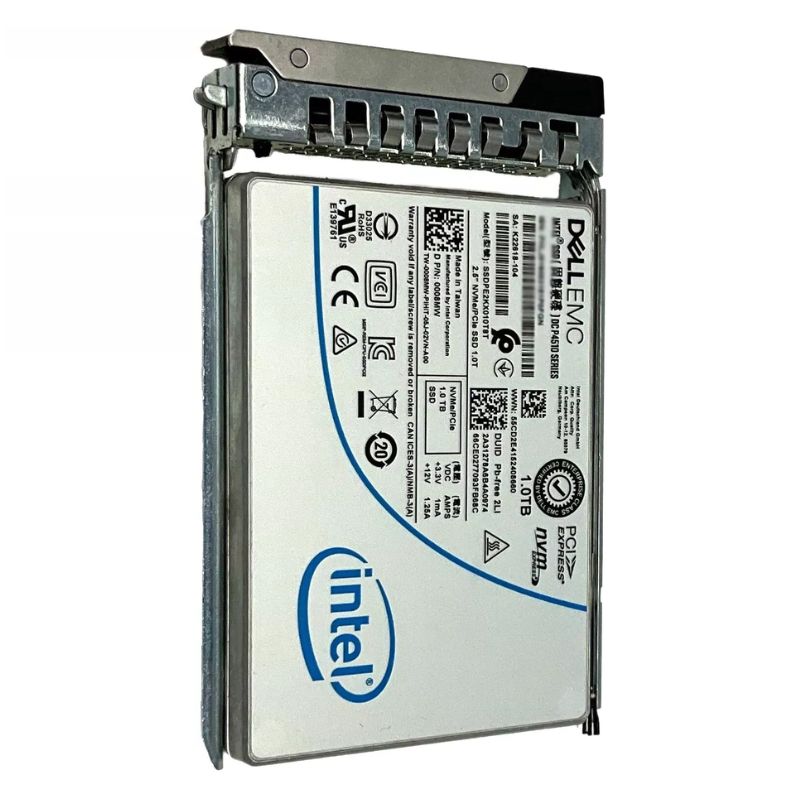
Dell FJ9YX 1TB NVMe PCIe Gen3.1 x4 SSD for 14G PowerEdge Server with Tray. Excellent Refurbished with 1 year replacement warranty
The FJ9YX Dell 1TB NVMe PCIe Gen3.1 x4 SSD is a high-performance enterprise storage device designed specifically for Dell PowerEdge 14G servers. Engineered to deliver ultra-low latency and sustained high throughput, this SSD utilizes NVMe technology over PCIe Gen3.1 x4 to dramatically improve data access speeds for demanding enterprise workloads. The integration of this drive with the 14G PowerEdge server architecture ensures optimum performance for applications requiring high-speed storage and reliability.
This NVMe SSD is supplied with a compatible tray, ensuring easy installation and seamless integration within Dell's hardware ecosystems. The tray design aligns with Dell’s standards, enabling hot-swap capability, system monitoring through Dell OpenManage tools, and consistent firmware updates for ongoing reliability.
The FJ9YX model delivers a compelling value proposition for enterprise storage. Its high throughput and low latency transform server storage capabilities, making it ideal for high-performance computing environments. The tight integration with Dell’s PowerEdge 14G servers provides an optimized storage solution that is supported by Dell’s enterprise management tools.
Unlike traditional SATA or SAS drives, the NVMe interface provides a direct path to the CPU, bypassing legacy storage bottlenecks. This results in significantly reduced I/O latency and improved performance for transactional workloads, database acceleration, virtualization, and analytics. The SSD’s capacity of 1TB allows for a balance of speed and storage density, making it suitable for high-volume datasets and performance-sensitive applications.
The FJ9YX Dell NVMe SSD adopts a compact M.2 or U.2 form factor, depending on the tray type, with PCIe Gen3.1 x4 connectivity. This interface provides a maximum bandwidth of up to 32Gbps, significantly faster than SATA and SAS interfaces. PCIe lanes ensure parallel data transfer, delivering high-speed access to stored data, which is critical for applications that demand low latency and high throughput.
This SSD incorporates enterprise-grade NAND flash memory with high durability and endurance, specifically tuned for sustained performance in high-load environments. Coupled with a specialized controller, the device ensures efficient wear leveling, error correction, and consistent performance even under continuous heavy workloads. The firmware is optimized for Dell’s hardware ecosystem, ensuring compatibility and stability across various workloads.
With a storage capacity of 1TB, the FJ9YX NVMe SSD offers ample space for intensive workloads such as virtual machine storage, high-speed databases, and application acceleration. The drive delivers extremely high sequential read and write speeds, often exceeding 3,000 MB/s for reads and 2,000 MB/s for writes in typical configurations. Random read/write performance is equally impressive, providing hundreds of thousands of IOPS for small-block operations.
The FJ9YX Dell NVMe SSD is designed to meet enterprise-grade reliability standards, with a Mean Time Between Failures (MTBF) rating in the millions of hours. It offers robust endurance specifications to support heavy read and write workloads over the device’s lifetime. Enterprise firmware includes advanced error correction, power-loss protection, and secure erase functions, ensuring data integrity and drive longevity even in high-demand server environments.
Database servers running critical transactional workloads greatly benefit from the high IOPS and low latency characteristics of the FJ9YX Dell 1TB NVMe SSD. For applications such as SAP HANA, SQL Server, and Oracle databases, the reduced latency translates into faster query execution, improved concurrency, and better overall system responsiveness. Enterprises relying on rapid data retrieval and transaction processing can leverage this drive for optimal performance.
In virtualized environments, the demands on storage systems are significant, particularly for boot storms and high concurrency workloads. The NVMe performance characteristics of the FJ9YX model make it well suited to host virtual machine storage and to support hyper-converged infrastructure platforms. The ability to deliver predictable performance with low latency is critical for maintaining service-level agreements in enterprise virtualized environments.
The FJ9YX Dell NVMe SSD can function as a high-speed caching layer within hybrid storage architectures. By caching frequently accessed data, enterprises can dramatically improve application responsiveness and reduce the load on backend storage tiers. This use case is particularly valuable for analytics workloads, large-scale content delivery, and machine learning inference applications.
As edge computing becomes more prevalent, having high-speed storage close to the point of computation is essential. The 1TB capacity combined with NVMe performance enables edge nodes to handle large datasets locally, reduce latency, and optimize bandwidth usage. This is beneficial for real-time analytics, content distribution, and IoT gateway storage.
The FJ9YX SSD is designed specifically for Dell PowerEdge 14G servers. Compatibility with Dell’s proprietary hardware and management software allows seamless integration into server environments. Dell’s lifecycle controller and OpenManage tools detect and manage this drive for health monitoring, firmware updates, and performance optimization. The included tray ensures proper physical fit and connectivity within the server chassis, enabling hot-swap capability for maintenance without downtime.
This NVMe SSD is fully supported by major operating systems such as Linux distributions, Windows Server, and VMware ESXi. Drivers and firmware provided by Dell ensure optimal performance and reliability. For virtualization workloads, the drive can be configured to support both VM-level and hypervisor-level caching, delivering maximum efficiency for storage-intensive environments.
Proper partitioning and filesystem configuration can improve performance and extend the lifespan of the drive. Choosing a filesystem optimized for NVMe storage, enabling TRIM support, and aligning partitions to physical block boundaries can significantly improve throughput and reduce latency. For Linux systems, ext4 or XFS with tuned mount options can be effective, while Windows Server environments benefit from NTFS with optimized allocation unit sizes.
Although enterprise NVMe SSDs ship with factory-level over-provisioning, administrators can allocate additional capacity as over-provisioning to further enhance performance and endurance. Over-provisioning allows the SSD controller to perform garbage collection more effectively, reduce write amplification, and maintain consistent performance throughout the drive’s lifecycle. Tools provided by Dell can assist in monitoring endurance levels and managing over-provisioning parameters.
The FJ9YX SSD can be deployed in RAID configurations to balance performance, redundancy, and capacity. RAID 0 can maximize throughput for read-intensive workloads, while RAID 10 offers high performance with redundancy. For mission-critical environments, RAID 5 or RAID 6 provides fault tolerance, though with some write performance overhead. RAID controllers supporting NVMe ensure maximum benefit from the drive’s capabilities while maintaining data protection.
The FJ9YX Dell NVMe SSD supports hardware-based encryption to protect data at rest. This feature is essential for compliance with data protection regulations such as GDPR, HIPAA, and PCI DSS. Secure erase functions provided by Dell allow administrators to wipe drives safely when decommissioning hardware or re-purposing storage, ensuring sensitive data is irrecoverable.
Enterprise SSDs require strict firmware management practices to maintain security and stability. The FJ9YX SSD uses signed firmware to ensure authenticity, and Dell provides tools to verify firmware integrity. Regular updates are part of a robust security posture, ensuring the drive remains protected against potential vulnerabilities and benefits from performance improvements.
Vendor benchmarks for the FJ9YX SSD often represent ideal conditions. Real-world performance depends on workload characteristics, queue depth, and server configuration. Testing in production-like conditions is critical to understanding expected performance. Benchmarks should be conducted under sustained workloads, reflecting typical access patterns such as random read/write mixes or sequential access for large data transfers.
NVMe SSD performance scales with queue depth and concurrency. Low queue depths often represent typical interactive workloads, where latency is most important, while high queue depths reflect throughput under heavy load. Understanding workload patterns allows administrators to tune storage configurations and align expectations with real-world performance.
NVMe SSDs such as the FJ9YX offer significantly lower latency and higher throughput than SATA or SAS SSDs due to the PCIe interface and NVMe protocol. For applications that require sub-millisecond access times and high IOPS, NVMe is the clear choice. However, NVMe drives require compatible hardware and may carry a higher cost per gigabyte compared to SATA drives.
Compared to HDDs, NVMe SSDs deliver orders of magnitude improvements in latency, random IOPS, and power efficiency. HDDs remain cost-effective for cold storage and large sequential datasets, but NVMe SSDs are the superior choice for active datasets and performance-critical workloads. Hybrid architectures combining both technologies can offer optimal cost-performance balance.
Before deploying the FJ9YX SSD in production environments, it is advisable to conduct testing in a staging environment. This testing should simulate production workloads to verify compatibility, performance, and firmware stability. Staging allows for validation of RAID configurations, firmware updates, and integration with server management tools.
Maintaining firmware consistency across SSDs in a deployment is critical for stability and performance. A controlled firmware update process should be in place, including testing in a lab environment, staged rollouts, and documentation of update history. Dell’s management tools simplify firmware update deployment and rollback if needed.
Operating temperature has a direct impact on SSD endurance and reliability. The FJ9YX SSD is designed to operate within Dell’s specified temperature ranges, but administrators should ensure proper airflow and cooling within server chassis. Regular monitoring of drive temperature through system management tools can prevent thermal-related performance degradation.


 Contact Us
 Information
 Catalog
 Solid State Drives (SSD)
 Network Switches
 Hard Disk Drives
 HBA & Controllers
 PC & Servers
 PC & Server Memory
 CPU & Processors
 Network Routers
 Power Supplies
 Tape Drives & Libraries
 Network Devices
 Computer & Network Cables