(7% discount is applied at checkout)
Cart is empty
Your go-to destination for cutting-edge server products
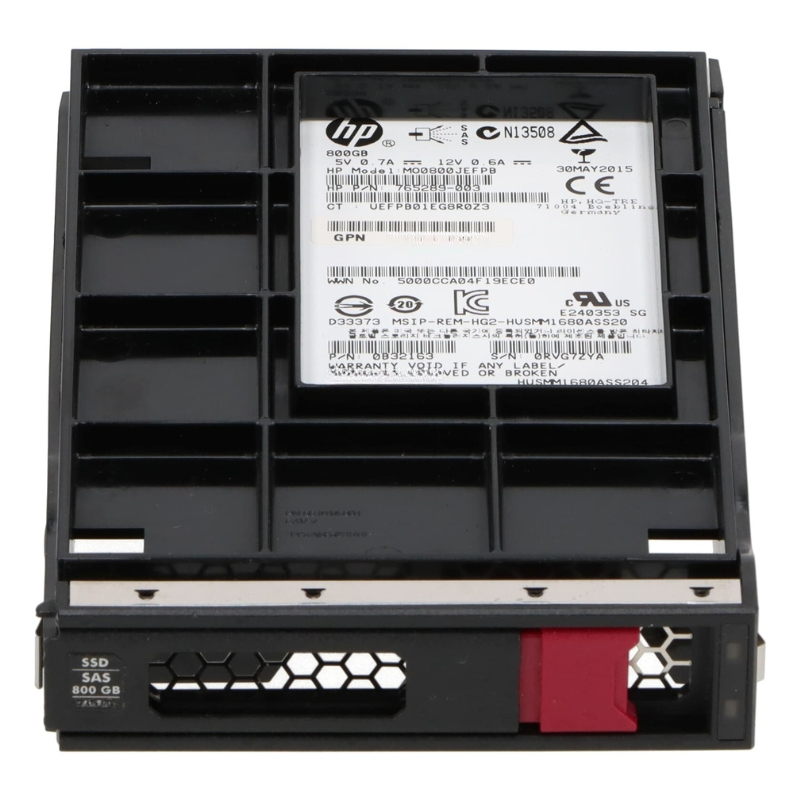


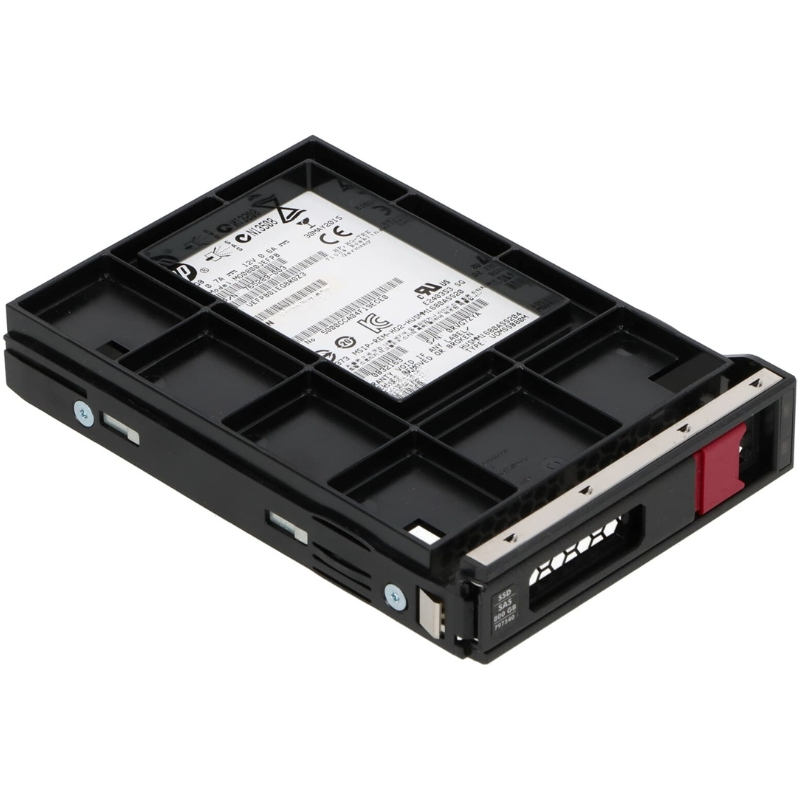
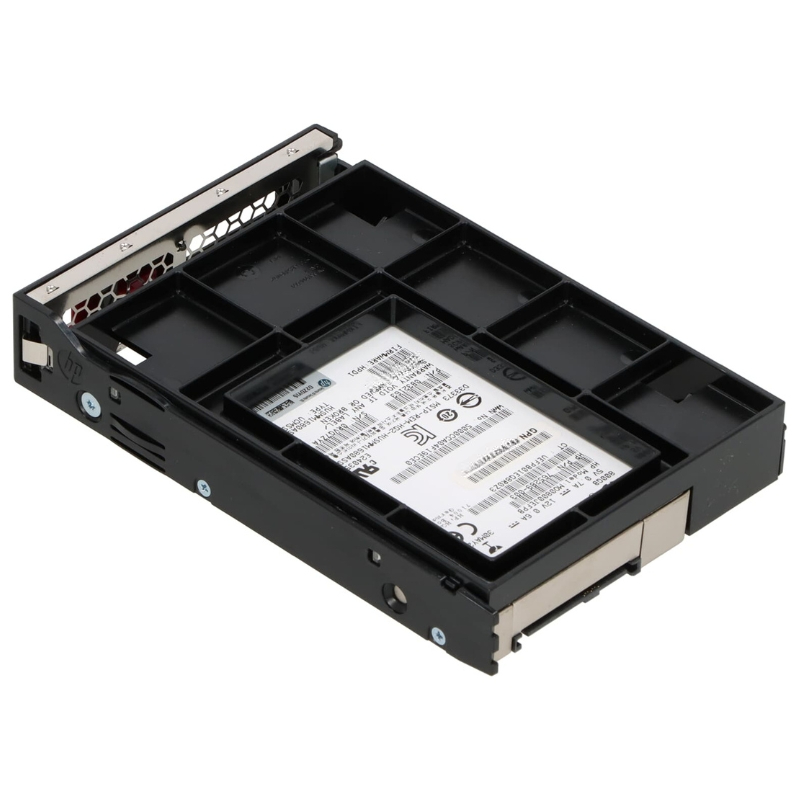
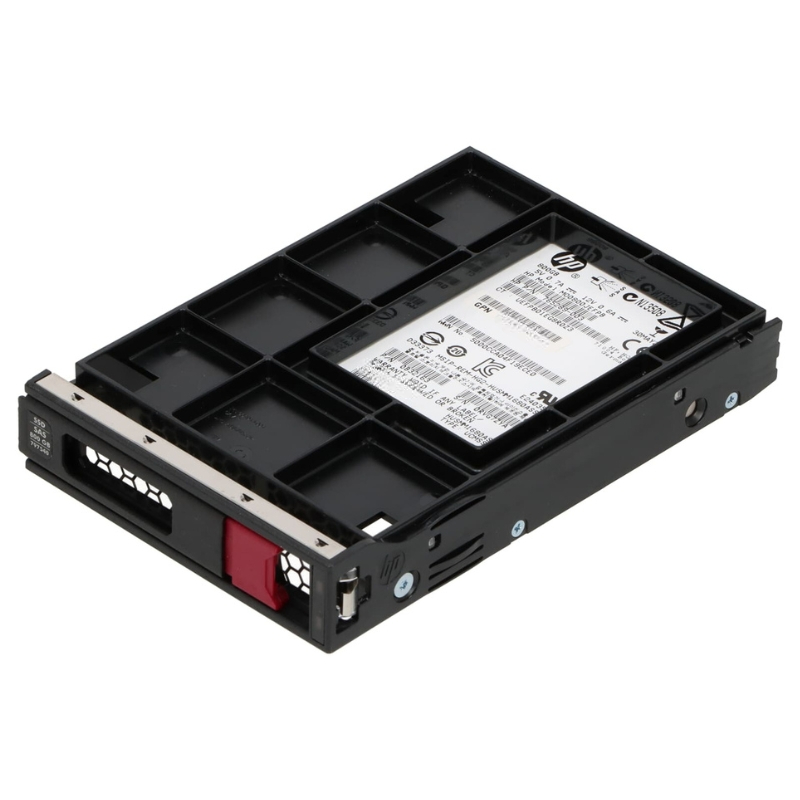
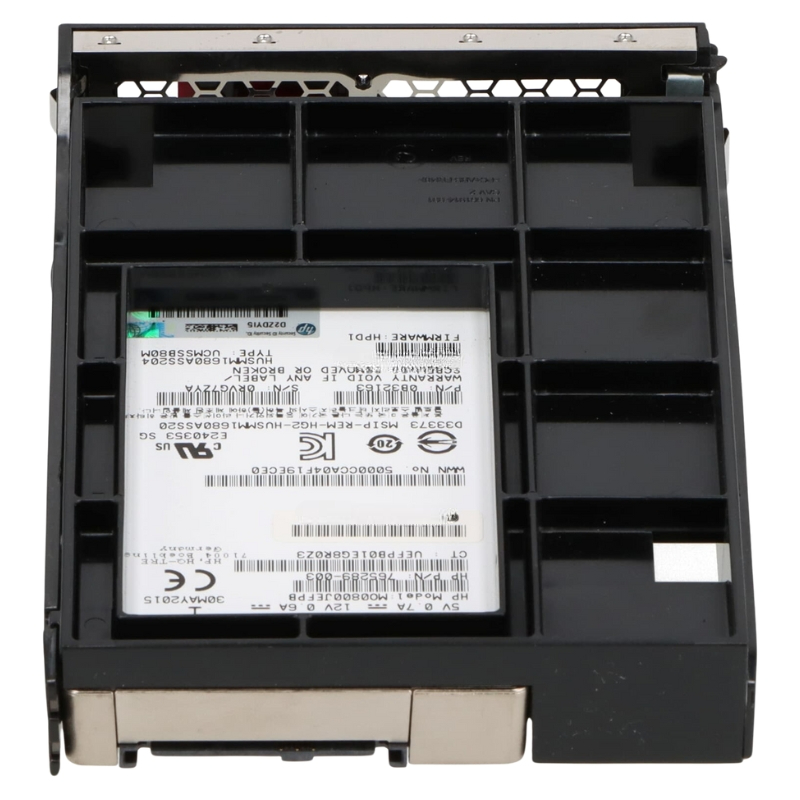
HPE P49046-B21 800GB SSD DS SAS-12GBPS SC Mixed Use Smart Carrier. Excellent Refurbished with 1 year replacement warranty
| SKU/MPN | Warranty | Price | Condition | You save |
|---|---|---|---|---|
| P49046-B21 | 1 Year Warranty | $380.00 | Excellent Refurbished | You save: $133.00 (26%) |
| P49046-B21 | 1 Year Warranty | $1,323.00 | Factory-Sealed New in Original Box (FSB) | You save: $463.05 (26%) |
HPE P49046-B21 800GB SAS-12GBPS SC Mixed Use SSD
This category centers on the HPE P49046-B21 — an 800GB Dual-Stream (DS) SAS SSD engineered for 12 Gbps SAS backplanes and optimized for mixed-use workloads. The product line blends enterprise-class NAND technologies, advanced wear management, and HPE’s Smart Carrier integration to deliver a balanced mix of performance, endurance, and manageability. Within this continuous category description, you'll find detailed subcategory breakdowns, technical clarifications, deployment guidance, compatibility notes, operational best practices, and purchasing considerations tailored for system architects, storage admins, and procurement teams.
The P49046-B21 uses a 12 Gb/s SAS (Serial Attached SCSI) interface, designed for server and storage arrays that require low-latency access and high reliability. Its mechanical and electrical design follows the small form factor (2.5") enterprise drive conventions, making it compatible with HPE Smart Carrier trays and a broad set of HPE ProLiant servers and storage enclosures.
This SSD belongs to the mixed-use class: it’s optimized to handle a combination of read-heavy and write-competent workloads—typical in virtualization, database OLTP, and general-purpose tiered storage use. Mixed-use tuning balances throughput and endurance better than read-intensive devices, while still offering higher endurance than consumer-grade drives.
Enterprise-grade controllers combined with HPE-tuned firmware implement advanced wear leveling, error correction (ECC), and background garbage collection strategies. These features reduce write amplification and extend the usable life of the drive, which is critical for mixed-use environments where random write patterns are frequent.
Performance in production will vary by controller, RAID level, queue depth, and the mix of reads versus writes. The P49046-B21 is tuned to deliver predictable QoS (quality of service) in multi-tenant and virtualized environments where IO patterns can be bursty and inconsistent.
Designed to minimize tail latencies, these drives help maintain predictable response times under load. When paired with host-based caching, NVMe front-ends, or storage controllers with QoS capabilities, the drives contribute to overall SLA adherence for latency-sensitive applications.
As a mixed-use enterprise SSD, the P49046-B21 typically carries endurance ratings that support heavy mixed I/O workloads. Endurance is expressed in Drive Writes Per Day (DWPD) or total terabytes written (TBW) over warranty period. These metrics should be matched to your workload profile to ensure the drive meets lifecycle expectations.
HPE integrates SMART attributes and vendor-specific telemetry accessible through management tools. Regular monitoring of metrics (such as media wear percentage, reallocated sectors, and uncorrectable errors) allows proactive planning for replacements and minimizes unexpected service disruption.
These protections are central to enterprise SSD design and reduce the risk of data loss in high-availability deployments.
The Smart Carrier is more than a tray — it’s an integration vehicle that exposes drive health, enables hot-swap identification, and simplifies serviceability in dense HPE chassis. For HPE P49046-B21 drives sold with Smart Carrier adapters, administrators benefit from faster identification of failing units, consistent mechanical fit, and firmware compatibility that HPE validates across platforms.
Mixed-use SSDs like the P49046-B21 excel in consolidating virtual machines of varied profiles—database VMs, web servers, and application servers—because they tolerate both read and write bursts. They support dense VM consolidation without premature wear common to write-heavy consumer parts.
Transactional databases (OLTP) with frequent random reads and writes benefit from the low latency and endurance profile. When used in mirrored or RAID configurations, these drives improve transaction throughput and recovery times during rebuilds.
As a mid-tier or performance tier in hybrid arrays, mixed-use SSDs deliver consistent performance for hot data sets. They are suitable for caching layers in SDS (software-defined storage) stacks where both read and write acceleration is required.
The P49046-B21 is validated for HPE ProLiant servers and certain HPE storage arrays. Compatibility includes electrical interface, hot-swap carrier fit, and firmware interoperability. Always consult HPE’s interoperability matrices and the specific server/enclosure documentation to confirm supported firmware versions and backplane configurations.
Consider configuring additional over-provisioning on SSDs where controller options exist, and shape workloads with QoS features on the storage controller. Over-provisioning provides extra spare area which reduces write amplification and improves sustained performance for mixed workloads.
Dense SSD deployments increase heat density in server bays. Ensure adequate airflow, use HPE recommended chassis fans and maintain ambient temperature within the server vendor’s specified range. Power-loss protection relies on capacitive discharge or firmware techniques, so sudden power removal still requires careful platform-level design to avoid data in transit loss.


 Contact Us
 Information
 Catalog
 Solid State Drives (SSD)
 Network Switches
 Hard Disk Drives
 HBA & Controllers
 PC & Servers
 PC & Server Memory
 CPU & Processors
 Network Routers
 Power Supplies
 Tape Drives & Libraries
 Network Devices
 Computer & Network Cables