(7% discount is applied at checkout)
Cart is empty
Your go-to destination for cutting-edge server products
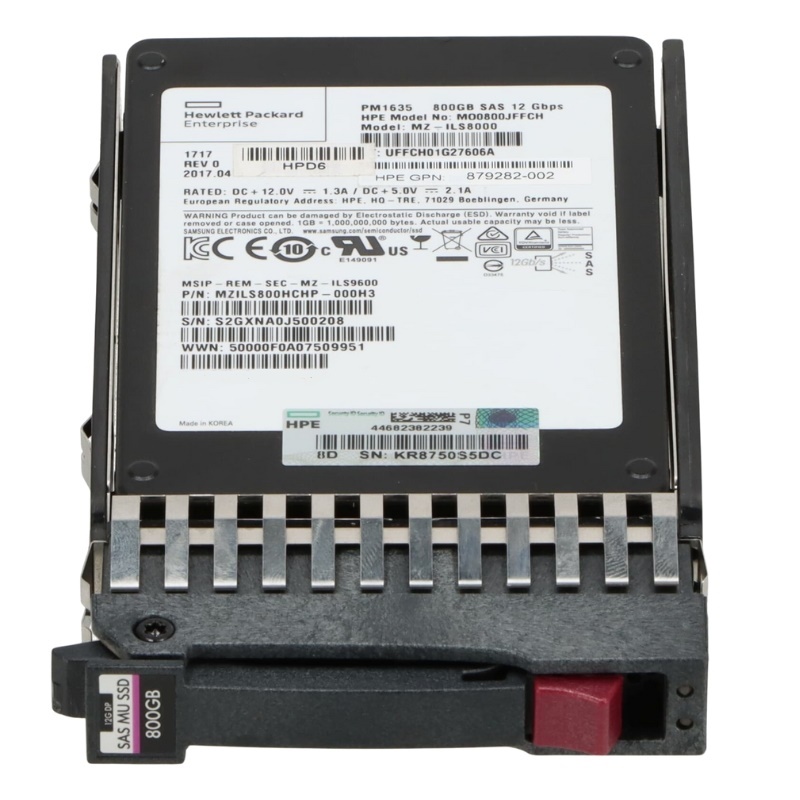


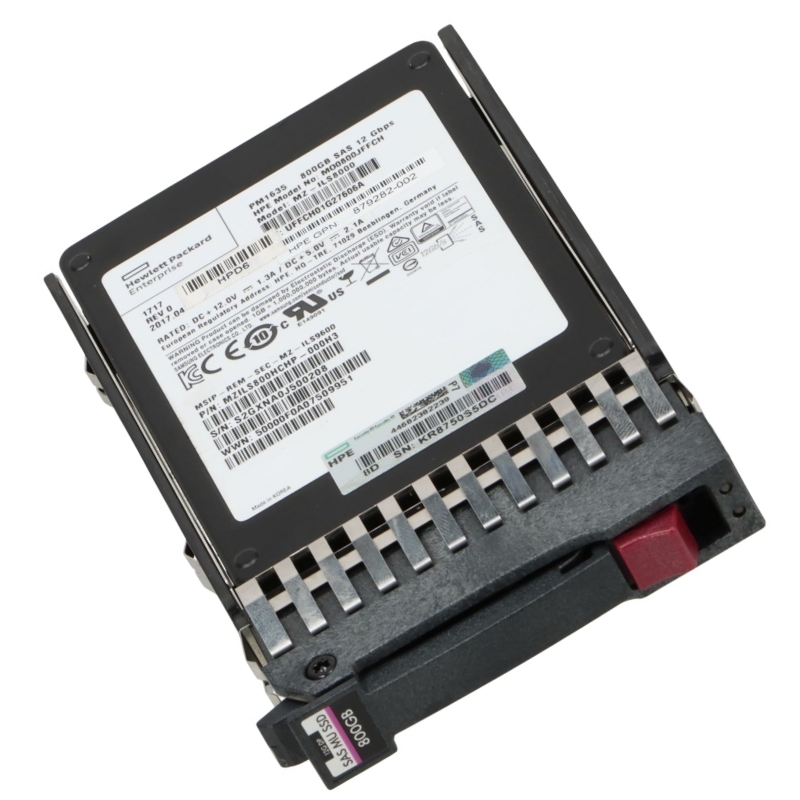
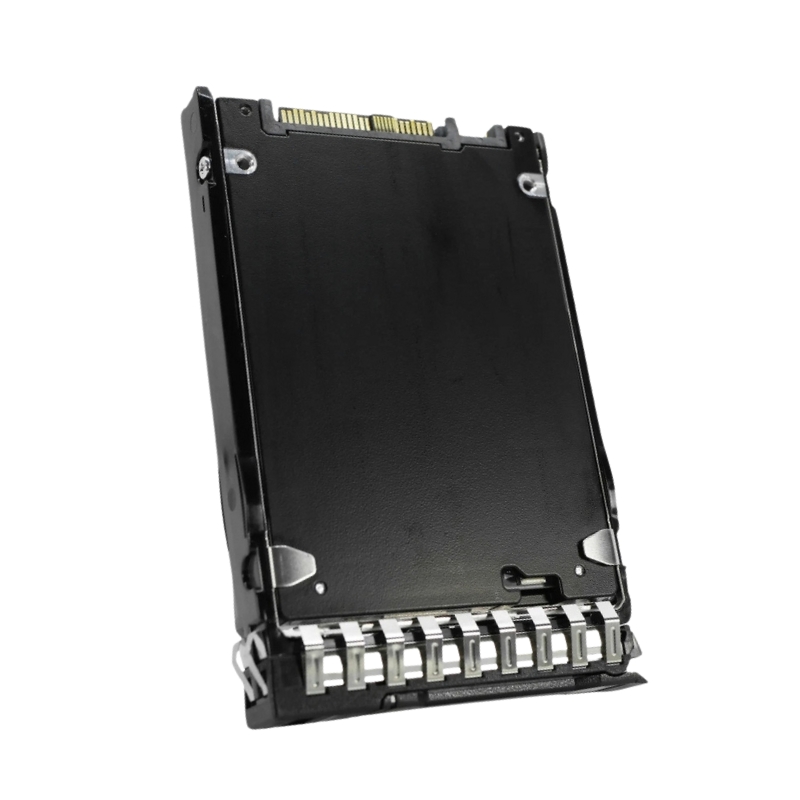
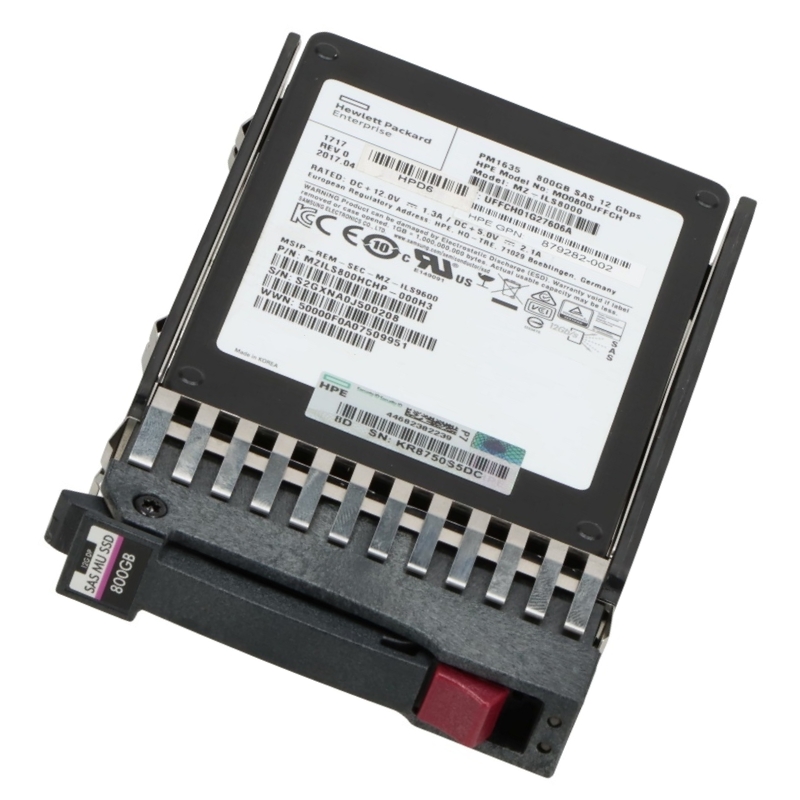
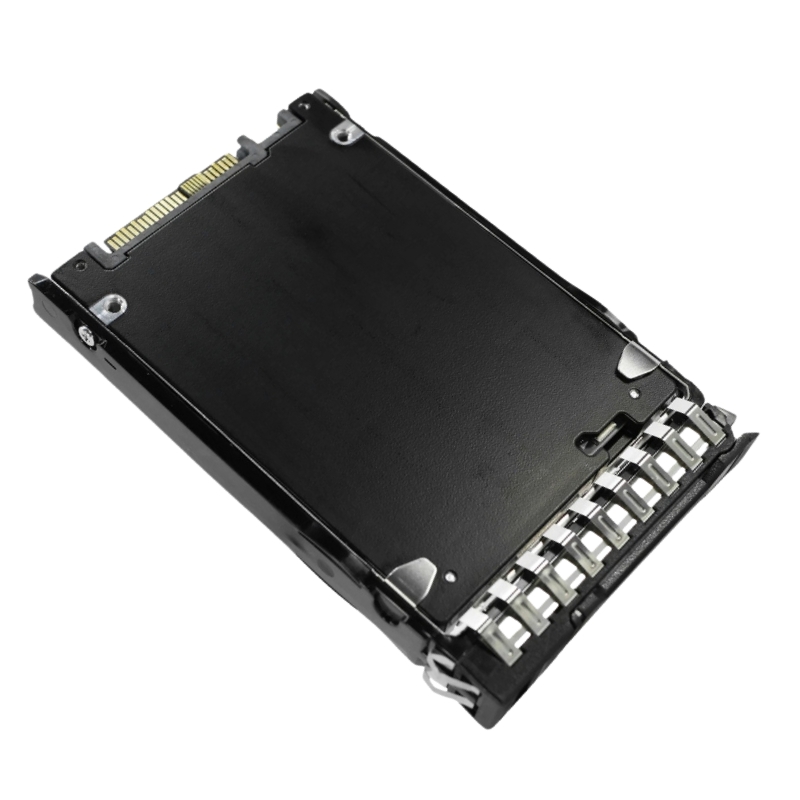
HPE P49744-001 800GB SSD SAS-12GBPS DS SC Mixed Use. Excellent Refurbished with 1 year replacement warranty
| SKU/MPN | Warranty | Price | Condition | You save |
|---|---|---|---|---|
| P49744-001 | 1 Year Warranty | $380.00 | Excellent Refurbished | You save: $133.00 (26%) |
| P49744-001 | 1 Year Warranty | $1,323.00 | Factory-Sealed New in Original Box (FSB) | You save: $463.05 (26%) |
The HPE P49744-001 Solid State Drive is designed for demanding enterprise workloads where reliability, high throughput, and consistent performance are crucial. Engineered with 12Gbps SAS interface and TLC flash technology, this storage solution ensures swift data handling and long-lasting endurance for business-critical operations.
This enterprise-class SSD delivers outstanding read and write speeds, enhancing overall system responsiveness and application performance. It is optimized for virtualized environments, data analytics, and high-transaction databases.
The HPE 800GB SAS SSD is ideal for enterprise-grade servers and storage arrays. Its hot-plug capability allows effortless maintenance and scalability, minimizing downtime in mission-critical environments.
With just 8.56 watts of power consumption, this drive maintains energy-efficient performance without compromising on speed. Its 15mm height form factor fits snugly into SFF server bays, ensuring maximum density and scalability within compact environments.
The integration of Triple-Level Cell (TLC) flash memory enhances the balance between performance and endurance. TLC SSDs offer substantial cost-efficiency while maintaining reliability essential for read-intensive and hybrid workloads.
HPE’s engineering guarantees reliability through rigorous testing and qualification processes. This SSD supports enterprise storage infrastructures that demand uninterrupted uptime and high throughput consistency.
The HPE P49744-001 800GB 2.5" SFF SAS 12Gbps Mixed-Use Solid State Drive (SSD) is a purpose-built enterprise storage component designed for modern HPE ProLiant and HPE server ecosystems. This category encompasses the drive itself and compatible trays/carriers, firmware management, enterprise deployment accessories, and services. Content in this category focuses on enterprise performance, reliability, compatibility, lifecycle management, and operational best practices for mixed-use SSDs that combine endurance and balanced performance for database, virtualization, and mixed I/O workloads.
The 12Gbps SAS interface delivers higher sustained throughput and lower latency than legacy 6Gbps interfaces while maintaining enterprise-grade link integrity, dual-port availability (where applicable), and robust error recovery. SAS provides advantages for server and storage controllers commonly used in HPE environments: persistent low latency under load, predictable QoS, and compatibility with HBA/RAID controllers certified for SAS-3.
Digitally signed firmware reduces risk of unauthorized firmware modifications and ensures only HPE-approved firmware runs on the drive. In regulated environments and security-conscious deployments, signed firmware provides an extra layer of supply-chain and operational assurance. Administrators benefit from:
Mixed-Use SSDs are engineered for environments that see both reads and writes in meaningful proportions. Compared with read-optimized or write-accelerated classes, mixed-use parts offer a middle ground with:
The HPE smart carrier (tray) provides tool-less insertion and removal, LED activity indicators, and drive status icons familiar to HPE administrators. Hot-swap capability reduces downtime during maintenance or failure replacement and supports live serviceability in clustered or high-availability server deployments.
Although exact published numbers can vary by firmware and host controller, SAS-12Gbps mixed-use SSDs generally provide high sustained sequential throughput and strong random IOPS performance under mixed read/write ratios. Typical enterprise expectations include:
Enterprise SSDs are tuned for consistent QoS. The digitally signed firmware, controller algorithms, and thermal management are designed to prevent spikes in latency during garbage collection or background tasks. Administrators seeking deterministic response times will find mixed-use enterprise SSDs a cost-effective choice compared to lower-end consumer drives.
Endurance is often expressed in DWPD or TBW. For mixed-use enterprise SSDs like the HPE P49744-001 class, expect:
These drives are engineered to integrate with HPE ProLiant servers, HPE Smart Array controllers, and HPE SAS HBAs. Compatibility notes include:
Mixed-use SAS SSDs work well in both hardware and software RAID configurations. When designing arrays, consider:
HPE provides firmware updates and validated firmware bundles. Because firmware is digitally signed, administrators should follow HPE’s recommended update procedures. Key operational practices:
In virtualization, mixed-use SSDs serve as excellent datastore media for VM images, swap files, and boot volumes. Best practices include:
OLTP databases benefit from the low latency and strong random IOPS of mixed-use SSDs. Recommended practices:
For hyperconverged infrastructures (HCI) and SDS, mixed-use SSDs act as primary fast tiers or cache devices. Considerations:
Enterprise SAS SSDs differ notably from consumer SATA drives in durability, firmware feature set, interface, and manageability. For server workloads:
NVMe offers lower latency and higher parallelism, making it ideal for extreme IOPS or latency-sensitive applications. SAS SSDs remain relevant where:
When upgrading storage, consider the following:
In VDI, mixed-use SSDs provide responsive login storms and steady user experience during profile loads. Administrators can expect faster boot/login times and reduced latency compared to HDD-only hosts. Pair SSD datastores with adequate RAM and CPU resources for best results.
Mid-sized transactional databases leverage the drive’s balanced write endurance and consistent latency. Example benefits:
Edge locations that require local performance but not the highest endurance can use mixed-use drives for caching, local databases and content staging. Advantages include lower power consumption than HDD arrays and simpler replacement logistics via hot-swap carriers.
Confirm regulatory compliance (RoHS) and follow corporate e-waste policies at end of life. SSDs contain NAND flash and electronics requiring responsible recycling.
Before disposal or repurposing, perform secure data erasure according to corporate policy and applicable regulations. When dealing with drives under warranty return, follow HPE RMA instructions to avoid data exposure and ensure RMA acceptance.


 Contact Us
 Information
 Catalog
 Solid State Drives (SSD)
 Network Switches
 Hard Disk Drives
 HBA & Controllers
 PC & Servers
 PC & Server Memory
 CPU & Processors
 Network Routers
 Power Supplies
 Tape Drives & Libraries
 Network Devices
 Computer & Network Cables