(7% discount is applied at checkout)
Cart is empty
Your go-to destination for cutting-edge server products
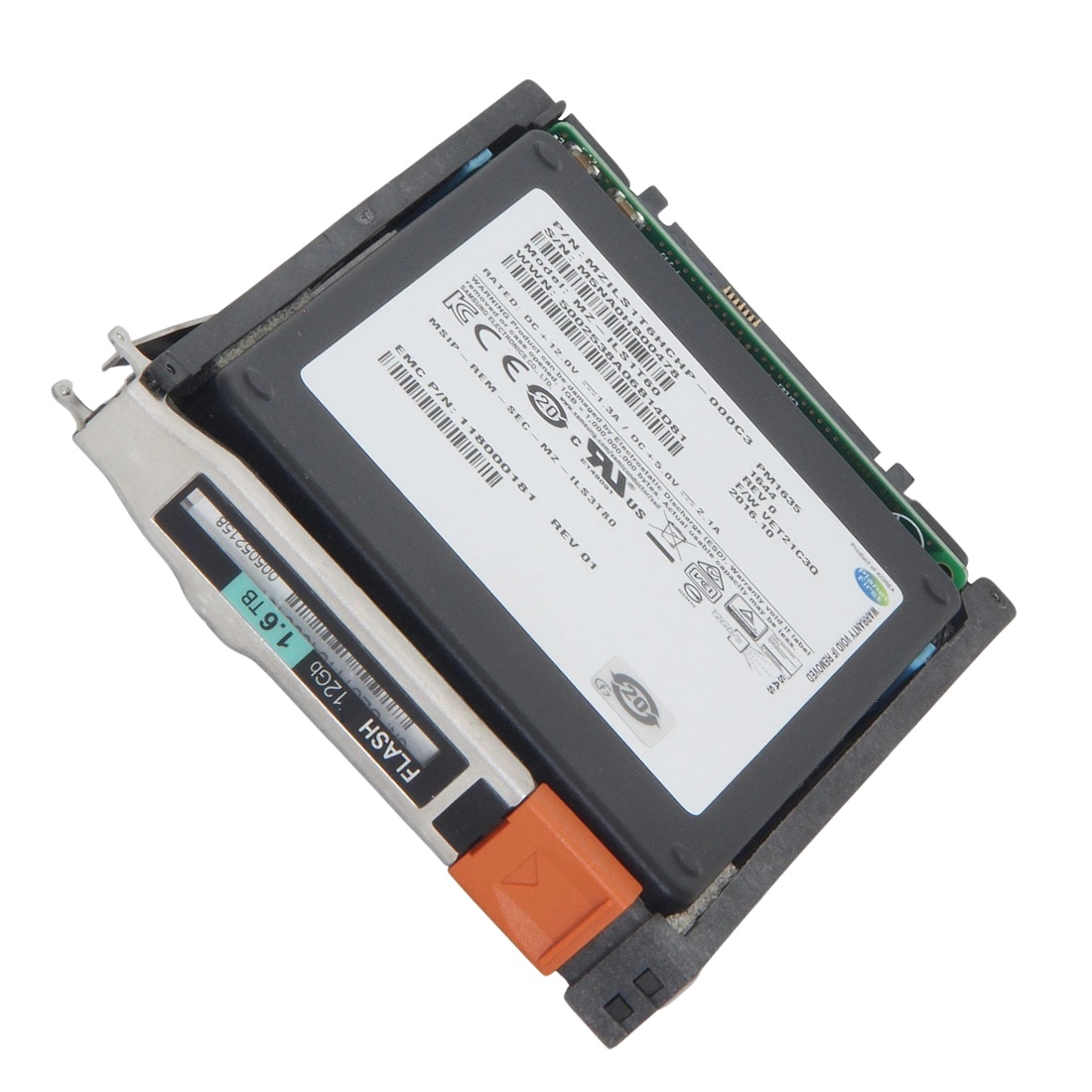


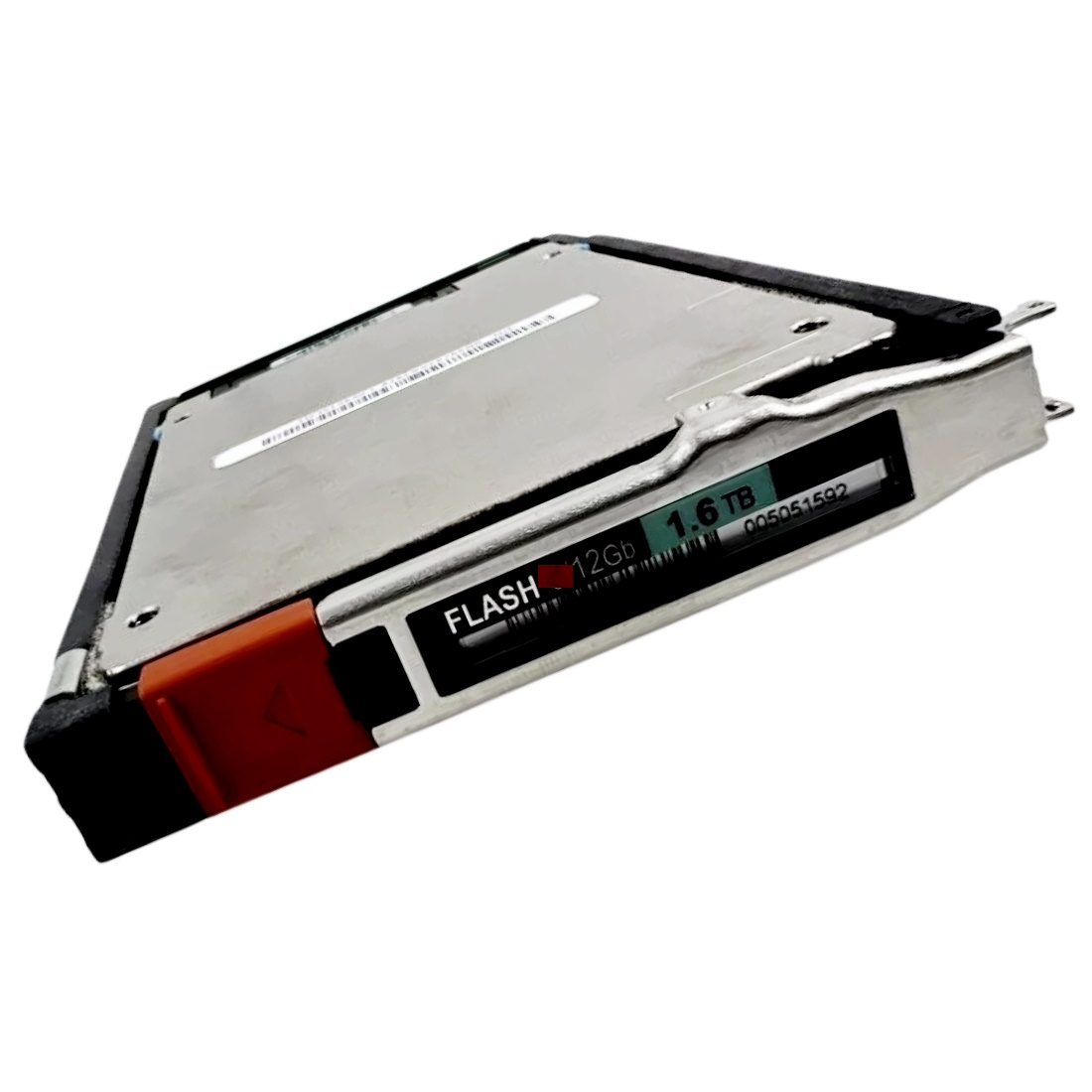
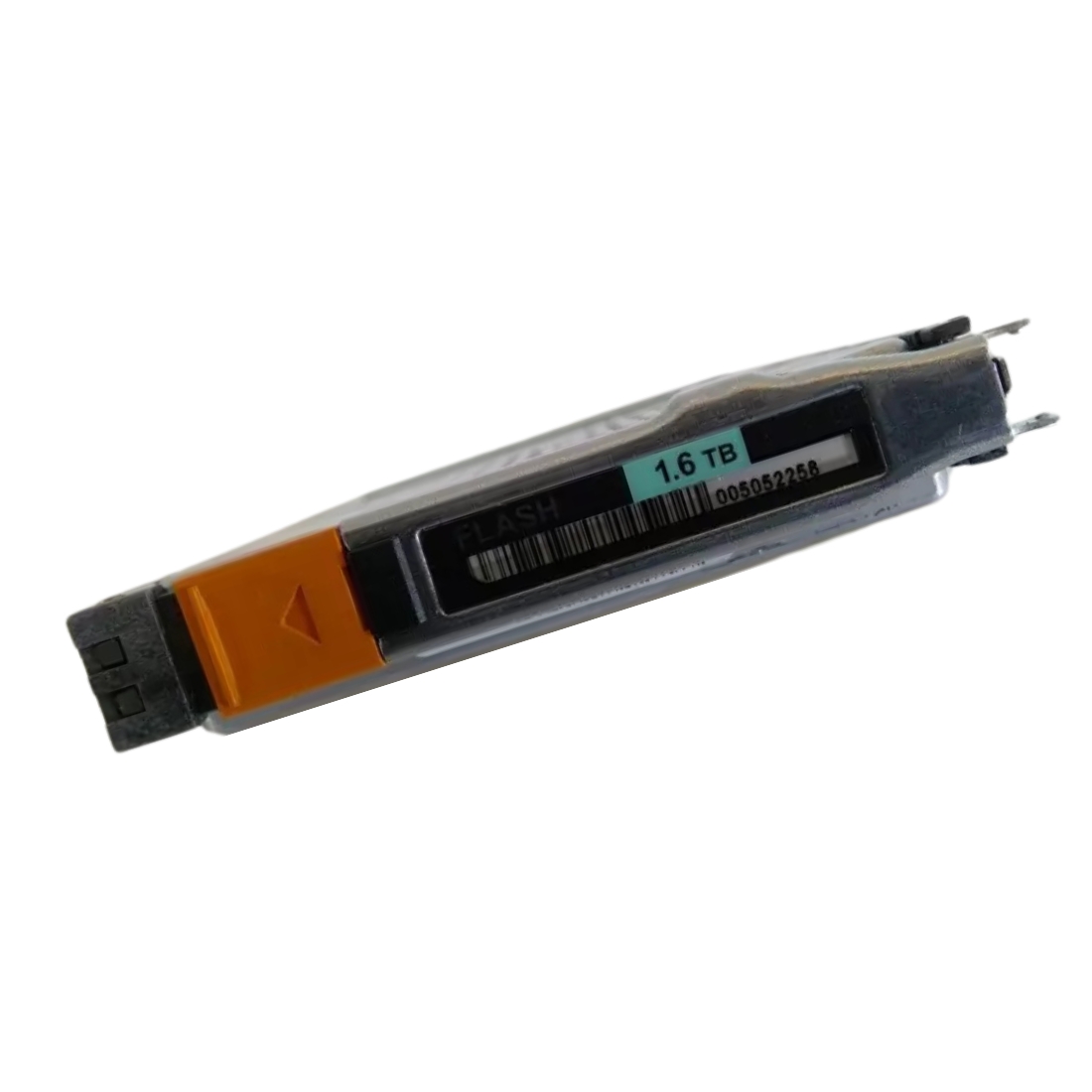
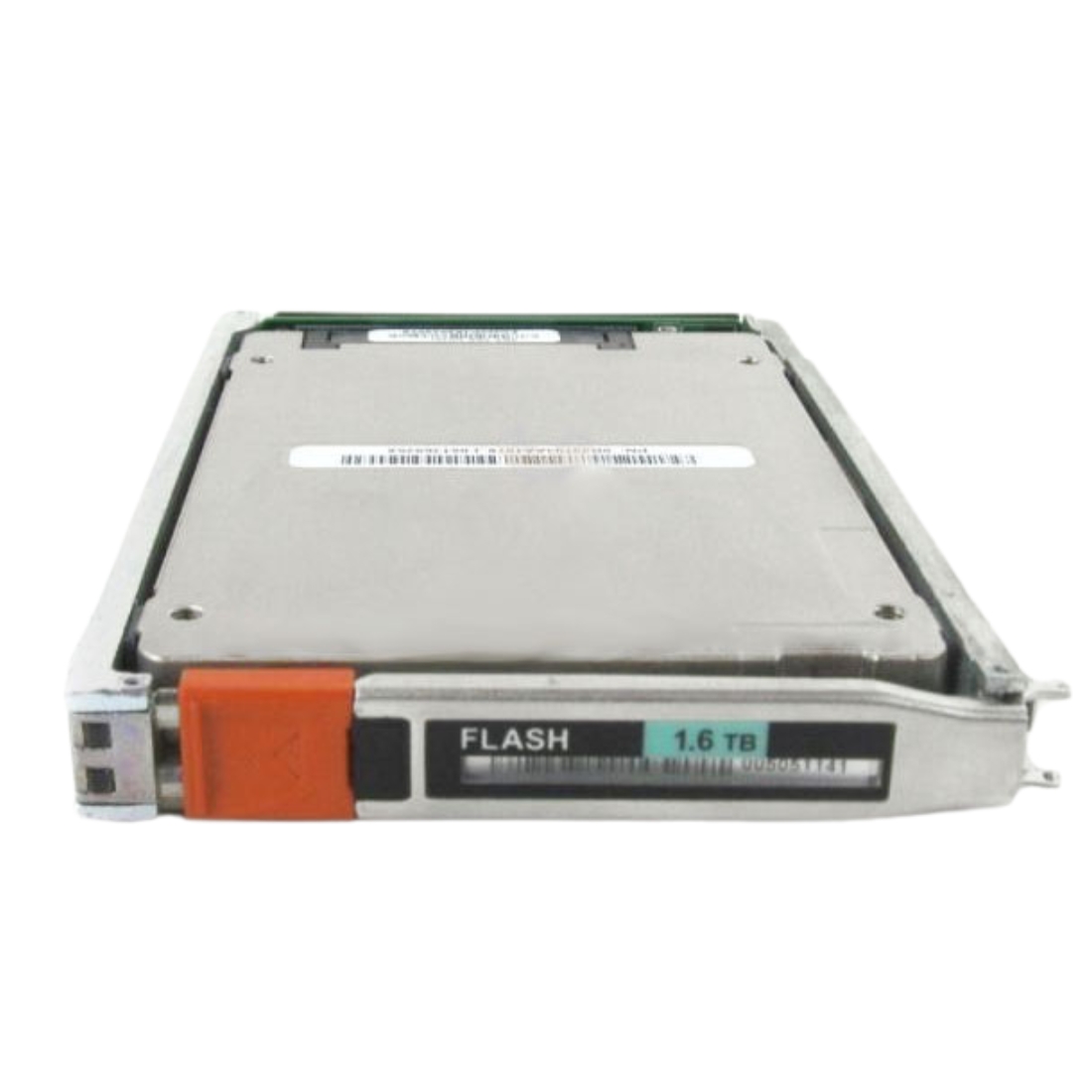
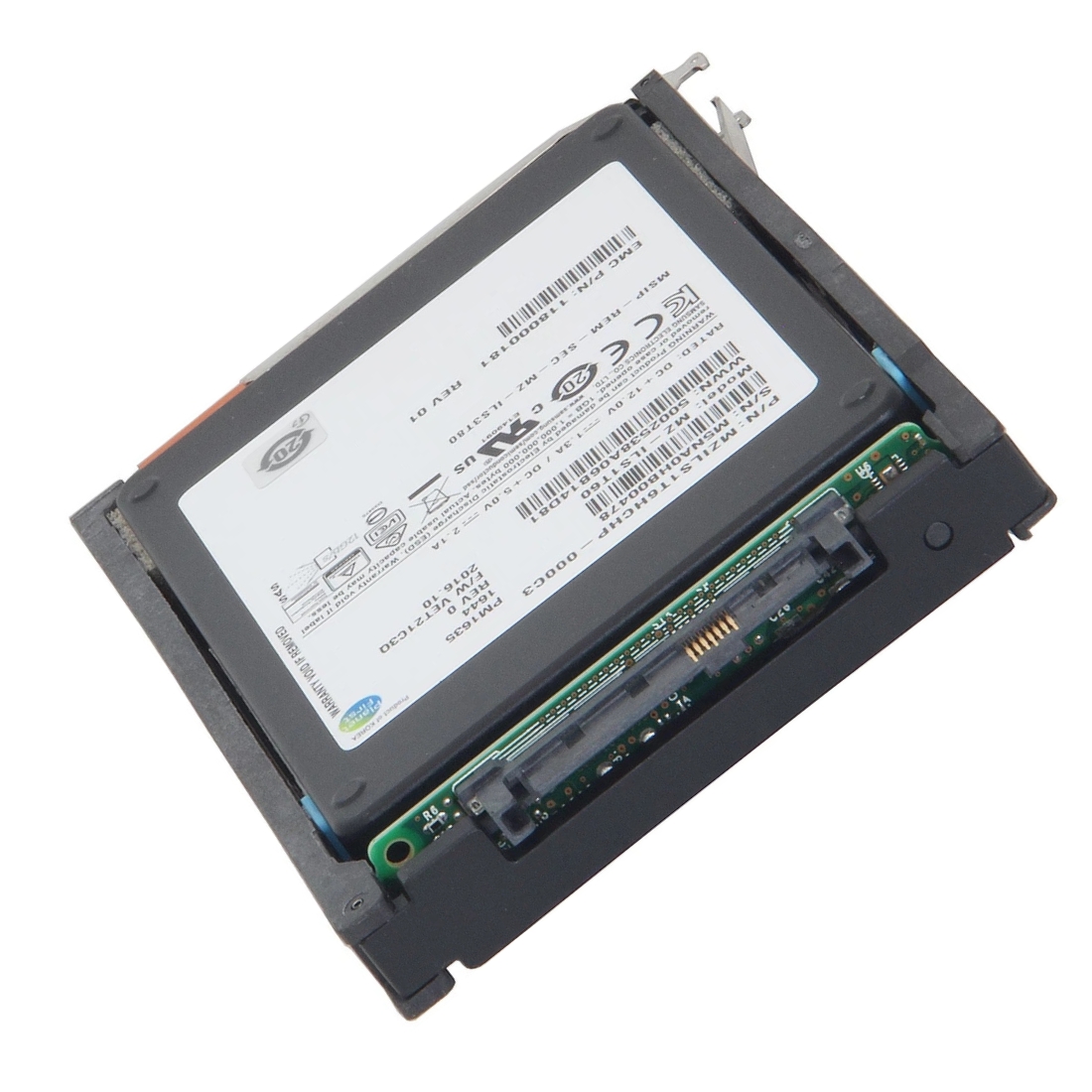
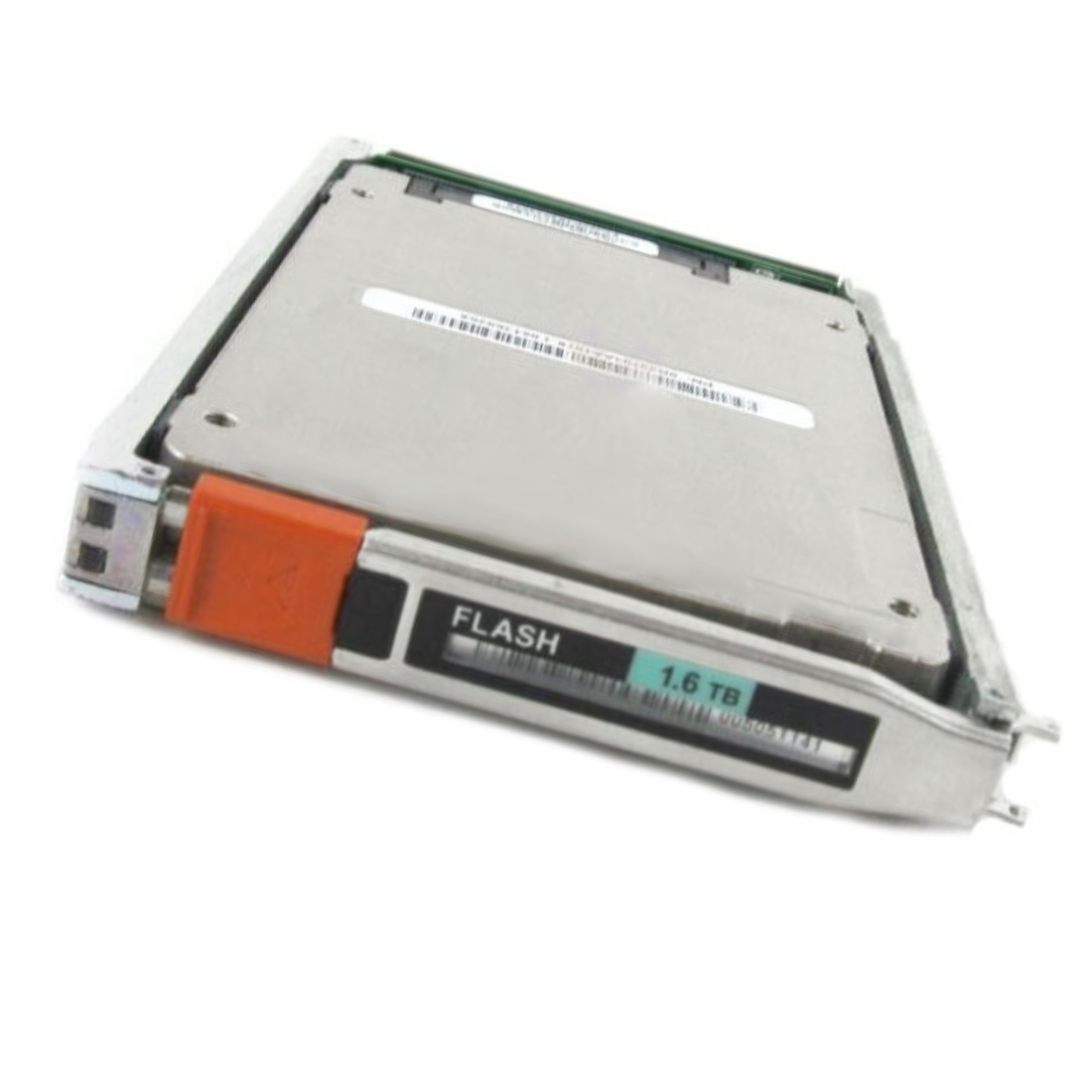
EMC 005051550 1.6TB SAS 12GBPS 3.5-inch Unity Internal Solid State Drive. New (System) Pull with 1 year replacement warranty
Discover high-performance enterprise-grade solid-state storage with the EMC 005051550 internal SSD. Engineered for speed, reliability, and compatibility, this drive is ideal for data-intensive environments.
EMC 005051550 Unity Internal Solid State Drive represents a purpose-built storage component designed for enterprise-grade environments where predictable performance, high-capacity density, and compatibility with Dell EMC Unity arrays matter. This 1.6TB SAS 12Gbps 3.5-inch drive blends the endurance and latency advantages of SAS-connected solid state media with the form factor and management features expected in midrange and scale-out Unity platforms. Buyers and integrators focused on mission-critical workloads will value the balance between usable capacity, interface throughput, and the controller-level integration that Unity arrays offer.
This drive is built to serve as an internal storage asset within Unity storage arrays, offering low-latency I/O and sustained throughput that benefit transactional applications, virtual machine hosts, database backends, and read/write intensive mixed workloads. The SAS 12Gbps interface ensures a high-bandwidth path between the drive and array controllers, reducing bottlenecks in high concurrency environments. Drive-level features such as advanced error correction, power-loss protection, and multi-level cell (MLC) or enterprise-optimized flash allow it to fit into high-availability storage tiers where both speed and resiliency are required.
Integration with Dell EMC Unity firmware and management frameworks is a central advantage of using the 005051550 model. The drive is recognized for its compatibility with Unity provisioning, health monitoring, and predictive failure analytics. Unity arrays can leverage drive telemetrics to optimize rebuilds, redistribute data non-disruptively, and alert administrators when pre-failure indicators appear. This close coupling reduces operational friction during maintenance and allows storage teams to maintain narrow recovery time objectives (RTO) and recovery point objectives (RPO).
Performance is a multi-dimensional attribute for enterprise SSDs, encompassing IOPS, throughput, and response times under sustained loads. The EMC 005051550 is tuned for workloads that require consistent, low-latency responses rather than peak burst-only throughput. Typical deployment patterns include virtualization platforms servicing hundreds of VMs, OLTP databases, metadata repositories, and latency-sensitive caching layers. The SAS 12Gbps interface maximizes the drive’s ability to serve multiple concurrent I/O streams without saturating the link.
In real-world Unity deployments, drives of this class commonly reduce average read and write latencies compared to spinning disks by an order of magnitude, producing more predictable service levels for upper-layer applications. The drive’s firmware helps smooth I/O by prioritizing small random reads and writes which are common in VM and database workloads. Sustained IOPS under mixed read/write ratios, together with consistent latency metrics, is what distinguishes enterprise SSDs like the 005051550 when compared to commodity SATA consumer-class SSDs.
Sequential throughput remains important for backup windows, large file transfers, and bulk restores. The SAS 12Gbps transport enables generous sequential read and write bandwidth when the Unity array can orchestrate parallel access across multiple drives and controllers. Administrators designing tiered storage architectures can allocate these drives to accelerate hot data, while leveraging higher-capacity HDD tiers for colder datasets.
Reliability is a defining characteristic of enterprise SSDs and the EMC 005051550 comes with mechanisms to protect data integrity under stress. Endurance metrics such as drive writes per day (DWPD) or total terabytes written (TBW) provide guidance for expected lifespan under heavy write workloads. Error-correcting code (ECC), wear-leveling routines, and spare area management all work together to extend usable drive life. Power-loss protection features help ensure writes in flight are not lost in the event of an unexpected power interruption.
Firmware plays a crucial role in preserving drive integrity, optimizing performance, and patching anomalies. The 005051550 benefits from vendor-tested firmware images that are validated for Unity compatibility. Routine firmware updates distributed via Dell EMC maintenance channels can improve garbage collection, reduce write amplification, and align the drive with the array’s performance characteristics. Wear-leveling algorithms and dynamic over-provisioning help ensure even distribution of writes across NAND cells, prolonging the effective lifespan of the drive.
The 1.6TB usable capacity in a 3.5-inch form factor gives administrators a middle ground between higher-density 3.5-inch HDD bays and more expensive smaller form-factor SSDs. Physical compatibility with Unity drive sleds and trays simplifies field replacements and hot-swap servicing. The larger 3.5-inch format may be preferred where tray standardization and cooling paths are optimized for midrange arrays, enabling simpler inventory management for mixed media environments.
Enterprise SSD deployments require attention to airflow and thermal design. The Unity chassis provides directed airflow and temperature sensors that work alongside drive thermal throttling to ensure consistent operation. Power consumption is generally lower than HDDs, but peak power during heavy write periods and drive spin-up equivalencies for some sled electronics should be included in power capacity planning. Operating temperature ranges and shock/vibration tolerances are also relevant for installations in data center racks with shared cooling policies.
Certification for Unity platforms is a central selling point of OEM-branded drives. The EMC 005051550 has been validated for interoperability with Unity firmware releases and power management settings, which reduces integration risk compared to generic aftermarket drives. Lifecycle management entails certified replacement parts, support contracts, and access to replacement firmware and vendor assistance when troubleshooting complex storage topologies.
The EMC 005051550 is a natural fit for several enterprise storage scenarios. Virtual desktop infrastructure (VDI) environments benefit from boot storms and concurrent I/O surges; database systems gain from transactional throughput and short latencies; and content delivery or analytics platforms profit from predictable sequential reads and writes. Unity’s integrated data services such as compression, deduplication, and thin provisioning can be leveraged on top of these drives to increase effective capacity and lower total cost of ownership when appropriate.
When consolidating hosts onto fewer physical servers, the storage layer must absorb increased parallel I/O. The 1.6TB SAS 12Gbps drives provide the low-latency responsiveness needed for large vSphere or Hyper-V clusters. Storage policies can assign these drives to performance tiers used for boot volumes, databases, and high-transaction application datasets while relegating colder data to bulk HDD tiers.
Databases with high random I/O rates, such as OLTP systems, achieve measurable improvements in transaction latency and throughput when backed by enterprise SSDs. The drive’s consistent response times contribute to flatter tail-latency distributions which improve user experience in latency-sensitive applications. Unity arrays can be tuned to place database files on faster pools and apply caching or snapshot schedules that minimize impact on production windows.
Selecting the correct provisioning type is essential. Thin provisioning and compression can increase usable capacity but require monitoring to prevent oversubscription. Storage pools composed of EMC 005051550 drives should be sized with spare capacity to sustain performance during rebuilds and to absorb snapshot growth. Unity’s pool-level analytics can assist administrators in rebalancing workloads and identifying hotspots that require additional resources.
Data protection strategies should align with the drive’s performance profile. Frequent snapshots and efficient replication mechanisms help meet stringent RPOs, while periodic backups to slower tiers or cloud repositories safeguard against corruption or ransomware events. Using Unity’s integrated replication and snapshot policies with drives optimized for low-latency access will minimize impact to production workloads during protection operations.
Data governance is an essential consideration for storage components. The 005051550 supports drive-level encryption capabilities when paired with array-based key management systems. Compliance-oriented organizations can leverage hardware-based encryption, audit logging, and secure erase features within Unity arrays to fulfill regulatory obligations and to ensure that decommissioned media does not present residual data risks.
Encrypted drives reduce the administrative burden of handling sensitive data and help demonstrate adherence to controls for standards such as GDPR or industry-specific regulations. Secure erase capabilities aid in safe repurposing or retirement of drives. Unity integration streamlines key management and simplifies compliance reporting when encryption is in active use.
Array-level access controls, role-based administration, and audit trails complement drive-level security to provide comprehensive governance. Clear separation of duties and robust logging help detect unauthorized access attempts and maintain forensic records if incidents occur. Storage teams should align access policies with organizational security baselines.


 Contact Us
 Information
 Catalog
 Solid State Drives (SSD)
 Network Switches
 Hard Disk Drives
 HBA & Controllers
 PC & Servers
 PC & Server Memory
 CPU & Processors
 Network Routers
 Power Supplies
 Tape Drives & Libraries
 Network Devices
 Computer & Network Cables