(7% discount is applied at checkout)
Cart is empty
Your go-to destination for cutting-edge server products
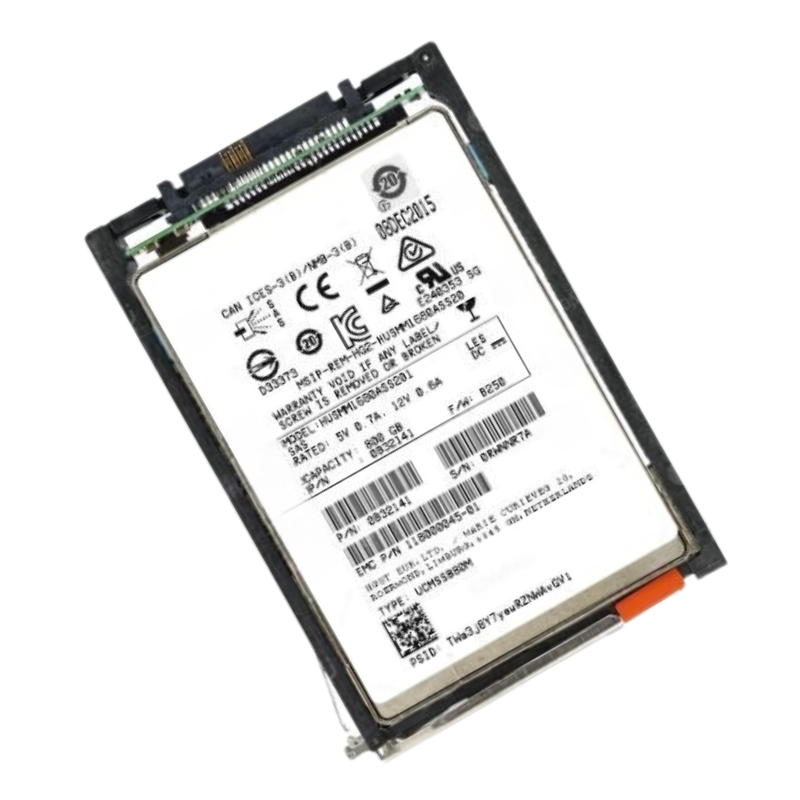


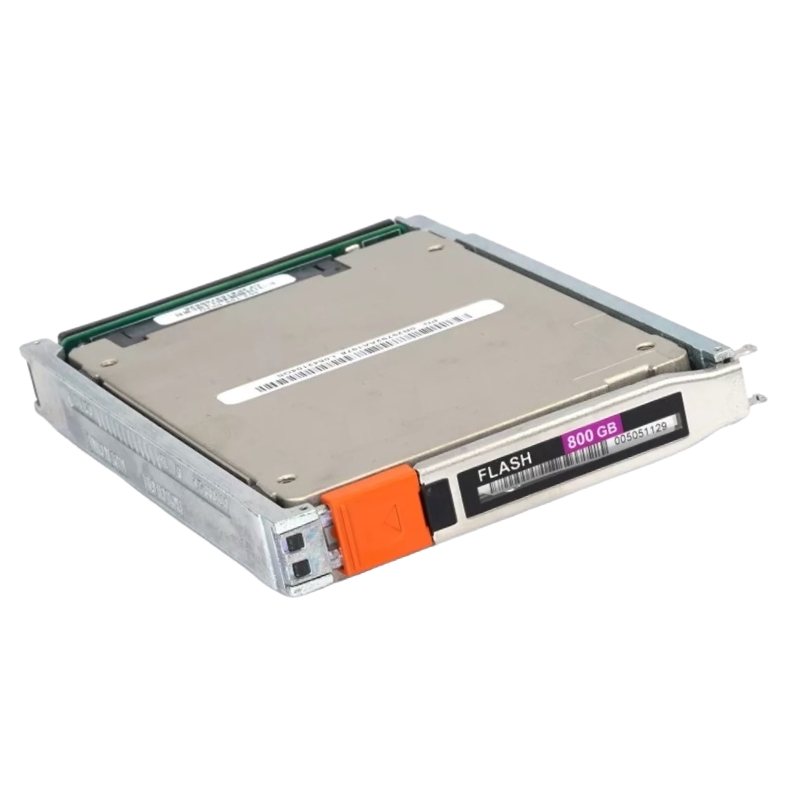
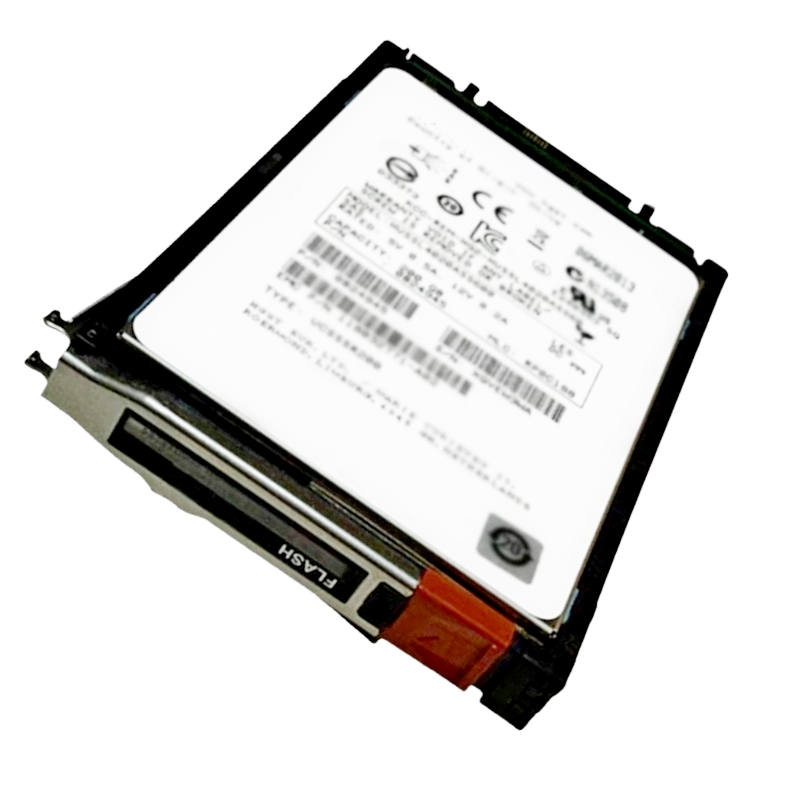
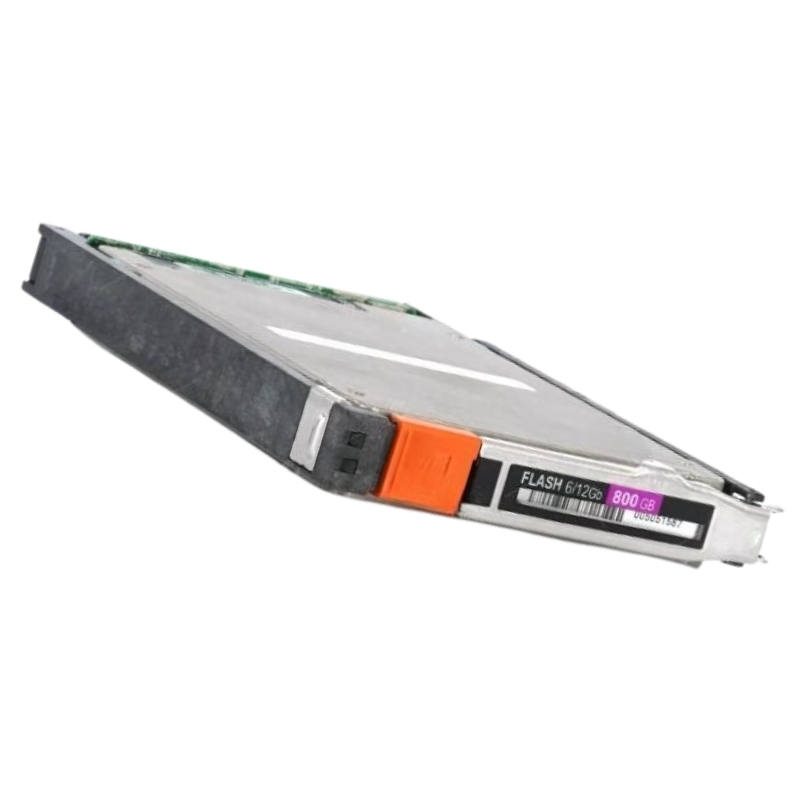
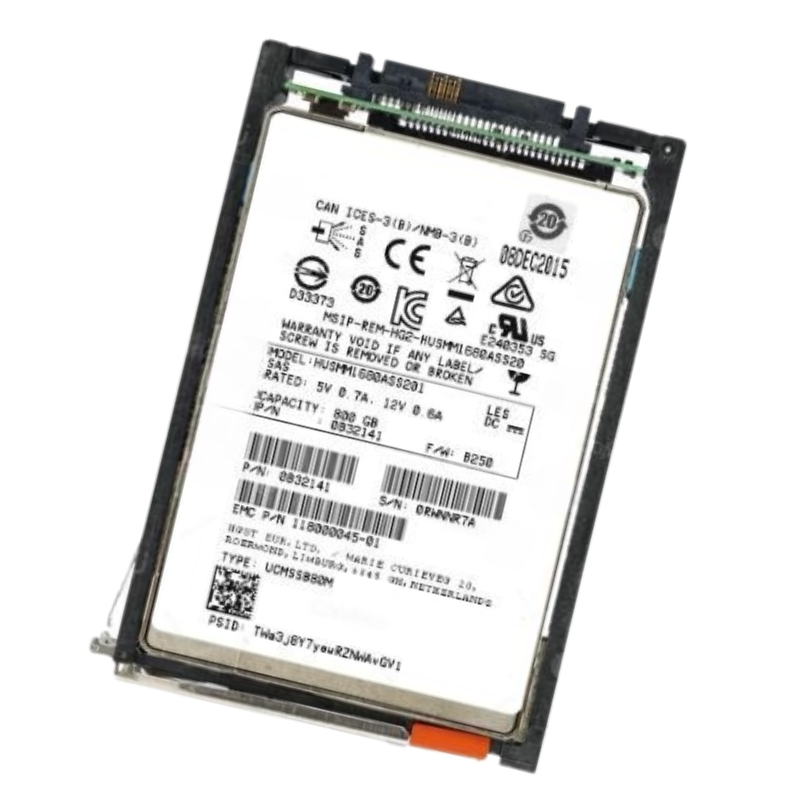
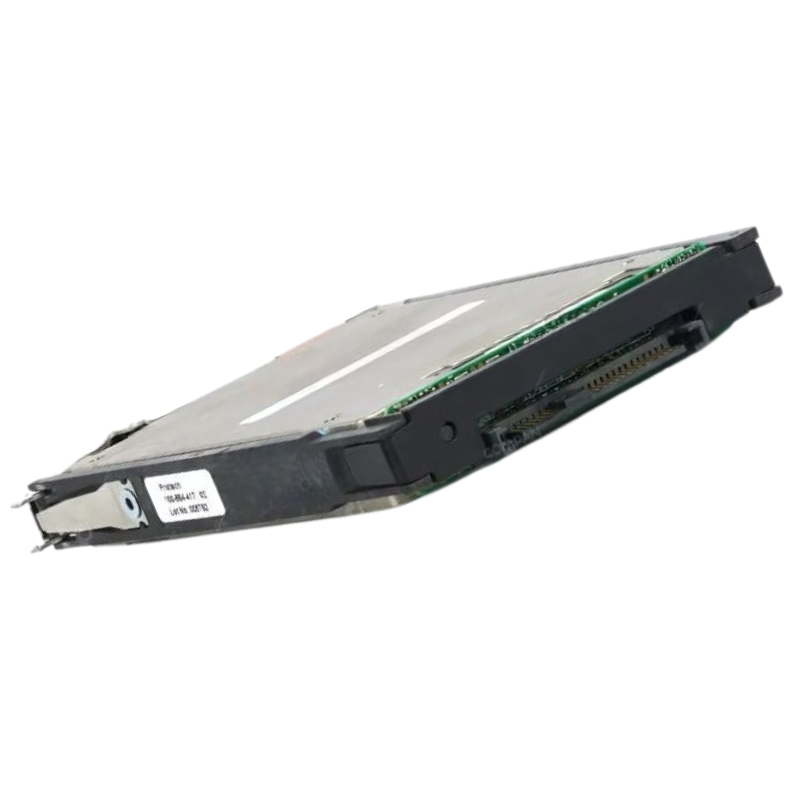
EMC 005051587 800GB SAS 12GBPS 2.5-inch Unity Internal Solid State Drive. Excellent Refurbished with 1 year replacement warranty
Discover high-performance enterprise-grade solid-state storage with the EMC 005051587 Internal SSD. Engineered for speed, reliability, and compatibility, this 2.5-inch SAS drive is ideal for data-intensive environments.
EMC 005051587 800GB SAS 12Gbps 2.5-inch Unity Internal Solid State Drive is engineered to deliver dependable enterprise-class storage performance for midrange arrays, virtualization hosts, and I/O-intensive applications. Designed as part of the Unity storage family, this drive combines high throughput, low latency, and strong data integrity safeguards to support demanding read/write workloads. Its 12Gbps SAS interface and 2.5-inch form factor provide a balance of density and performance, making it a versatile choice for data centers, backup systems, and mixed application environments.
The drive uses a 12Gbps Serial Attached SCSI (SAS) host interface, ensuring compatibility with a wide range of enterprise controllers and backplanes. The 2.5-inch form factor supports higher drive density in server and storage chassis, enabling administrators to maximize usable capacity per rack unit while maintaining hot-swap accessibility for serviceability and uptime.
With an 800GB raw capacity, this EMC Unity SSD targets mixed workload scenarios where a balance of capacity and endurance is needed. The drive typically utilizes multi-level cell (MLC) or 3D NAND TLC flash optimized for enterprise workloads, offering a blend of endurance and cost-effectiveness. Drive-level firmware and over-provisioning strategies are applied to enhance sustained performance and prolong flash lifespan under heavy write cycles.
Designed for low-latency access, the EMC 005051587 SSD provides consistent I/O response times across random and sequential workloads. Peak sequential throughput can take advantage of the 12Gbps link, while random IOPS remain high thanks to optimized controller firmware and internal parallelism. These characteristics make the drive well-suited for database acceleration, virtual machine boot storms, and responsive file serving.
Endurance ratings for the drive are tailored to typical Unity array workloads, with internal mechanisms like wear-leveling, error correction (ECC), and power-loss protection to guard data integrity. Enterprise-grade SMART monitoring and diagnostic telemetry enable proactive drive health reporting and predictive failure analysis when integrated into storage management tools. The drive is built to meet stringent mean time between failures (MTBF) expectations for enterprise environments.
Because the EMC 005051587 drive is specified for Unity arrays, it benefits from native firmware compatibility that optimizes RAID behavior, rebuild patterns, and global pool management. Unity storage software uses drive telemetry to tune background maintenance tasks such as scrubbing and rebalancing. Administrators deploying this drive in Unity systems will notice smooth interoperability with storage services like snapshots, replication, and automated tiering policies.
The 12Gbps SAS interface ensures broad compatibility with modern enterprise server backplanes and SAS expanders. It supports typical SAS topologies used in arrays, allowing straightforward replacement or expansion of existing Unity nodes. Careful attention to drive firmware revisions and supported part numbers is important when performing upgrades or hot swaps to maintain guaranteed compatibility and to avoid unexpected firmware mismatches.
Virtualized environments hosting dense virtual machine (VM) workloads benefit from the EMC 005051587 drive's ability to sustain high random IOPS and low latency. In VDI deployments where many VMs boot or perform I/O bursts concurrently, the drive helps reduce boot storms and delivers snappy desktop performance. Unity arrays populated with these SSDs offer effective consolidation of virtual workloads while maintaining predictable response times.
Transactional databases require consistent latency and durable writes — characteristics that the Unity-targeted 800GB SAS SSD addresses through robust firmware controls and power-loss protection. Mixed read/write workloads that combine analytics with transactional processing will find the drive a capable option, particularly when employed in tiered storage strategies that prioritize hot data placement on SAS SSD tiers.
File servers, content delivery nodes, and application acceleration layers can use these drives to improve responsiveness for hot datasets. The 2.5-inch 12Gbps SAS SSDs reduce access times for frequently-read objects and speed up metadata-heavy operations, improving user experience for file shares, collaboration platforms, and content repositories.
Because enterprise SSDs are sensitive to thermal conditions, ensure adequate airflow and temperature monitoring in the chassis. Unity systems provide environmental telemetry; administrators should configure alerts for temperature excursions and maintain drive temperature within vendor-recommended thresholds to prevent performance throttling or shortened lifespan.
Within Unity ecosystems, the EMC 005051587 800GB SSD can be deployed as part of an all-flash tier or as the high-performance layer in a hybrid configuration. When used in hybrid tiers, policies can automatically move hot data to SAS SSDs while colder data resides on higher-capacity HDD media. This approach optimizes cost-per-GB while preserving the responsiveness of frequently accessed data.
SSD tiers in Unity arrays serve as effective caching layers for read-intensive and latency-sensitive write operations. Intelligent caching algorithms leverage SSD performance to accelerate random small-block I/O and reduce the load on spinning media, resulting in improved overall system throughput for mixed workloads.
Enterprise deployments often require encryption and secure erase capabilities. While drive-level encryption may be available in certain variants, Unity arrays also provide array-level encryption and access controls to meet regulatory requirements. Administrators should follow organizational policies and leverage array-based encryption if the drive model does not include self-encrypting drive (SED) functionality.
Drive telemetry integrated into Unity management simplifies audit trails by providing operational logs, firmware versions, and health metrics. These artifacts support evidence of compliance with change control and asset management processes, assisting organizations in meeting internal governance and external regulatory demands.
12Gbps SAS SSDs like the EMC 005051587 occupy a middle ground between legacy SATA devices and newer NVMe drives. Compared to SATA, SAS offers better enterprise features, higher link speeds, and dual-port capabilities in some implementations. Versus NVMe, SAS SSDs may be preferred in environments standardized on SAS backplanes and where existing virtualization and SAN infrastructures are optimized for SCSI command sets. NVMe delivers the highest raw performance, but the cost and architectural changes required for NVMe adoption can make SAS SSDs a pragmatic upgrade path for many organizations.
When selecting drives, consider total cost of ownership, including purchase price, endurance ratings, power consumption, and effective usable capacity after RAID and provisioning overhead. The 800GB capacity offers a balance of density and cost-efficiency for many Unity midrange deployments. Buyers should also account for spare drives and lifecycle replacements when forecasting budget and capacity growth.


 Contact Us
 Information
 Catalog
 Solid State Drives (SSD)
 Network Switches
 Hard Disk Drives
 HBA & Controllers
 PC & Servers
 PC & Server Memory
 CPU & Processors
 Network Routers
 Power Supplies
 Tape Drives & Libraries
 Network Devices
 Computer & Network Cables