(7% discount is applied at checkout)
Cart is empty
Your go-to destination for cutting-edge server products
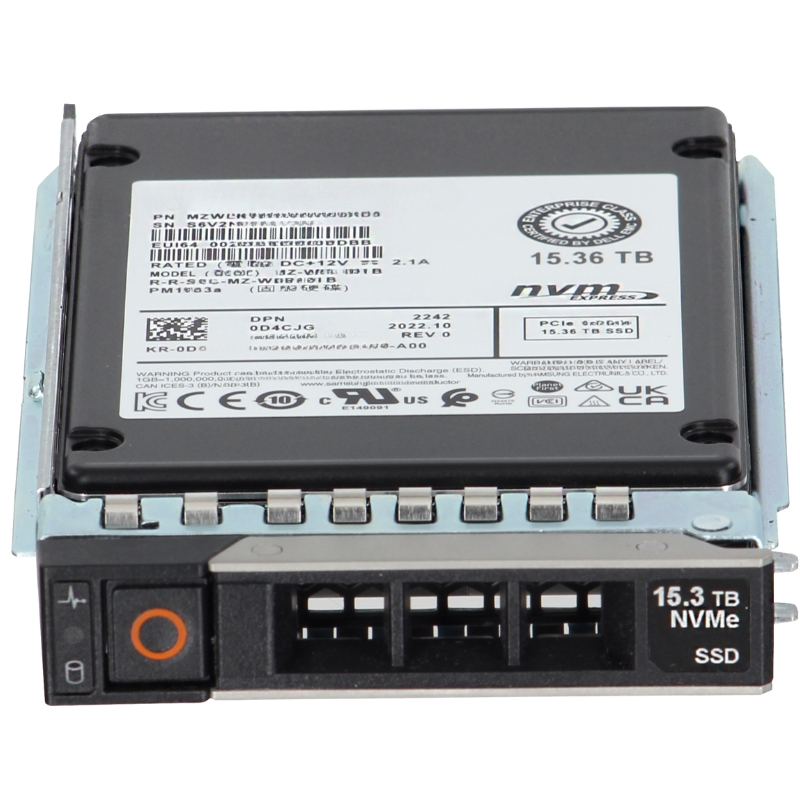


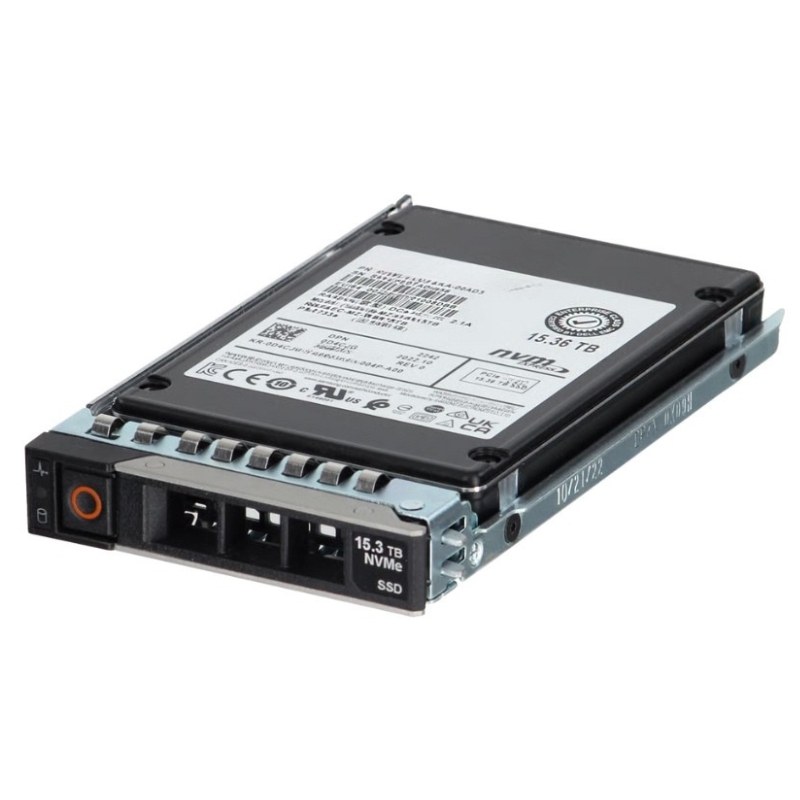
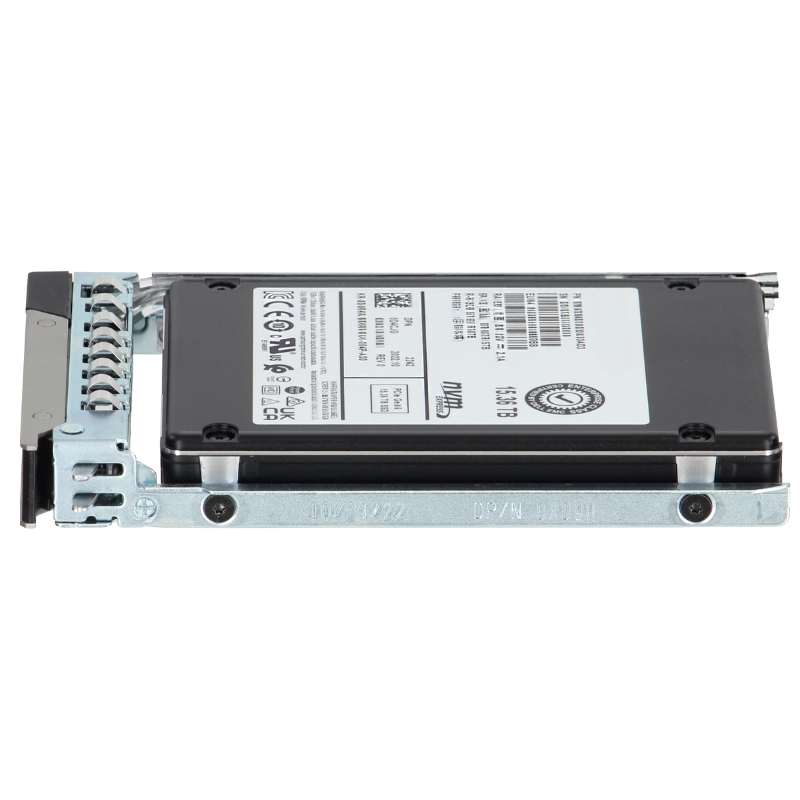
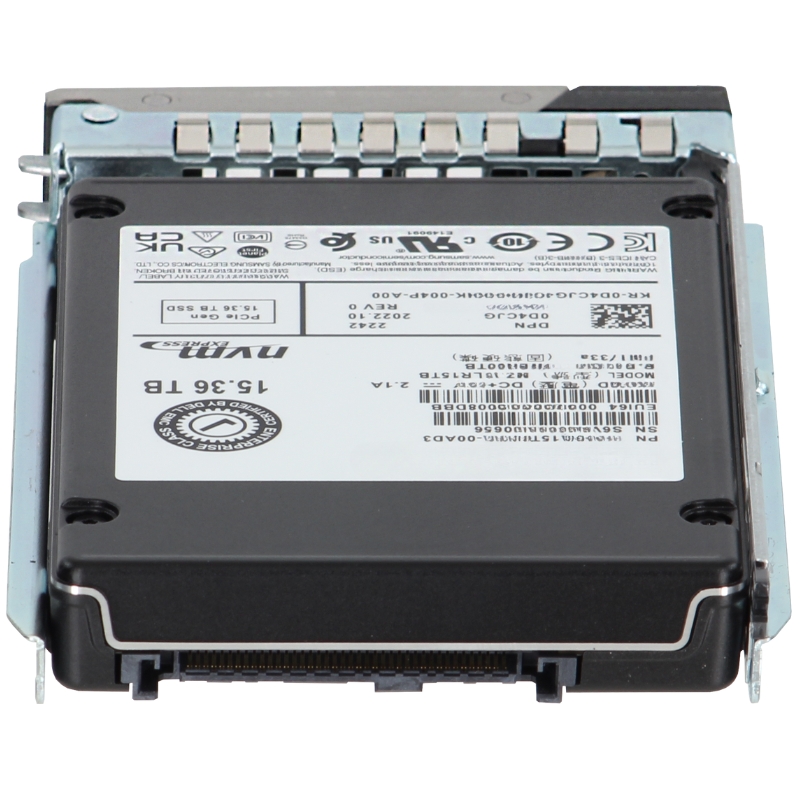
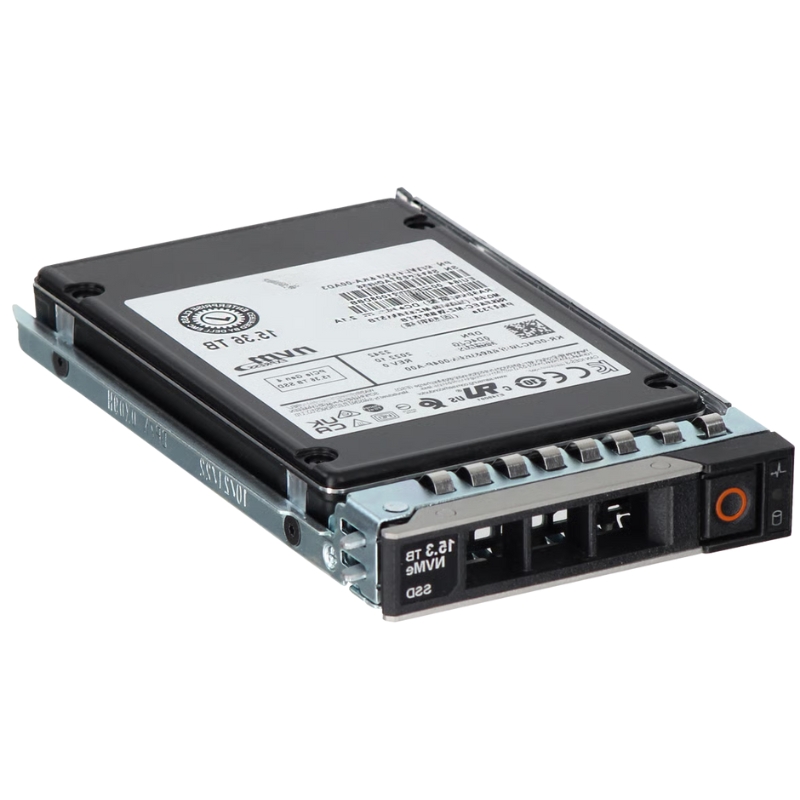
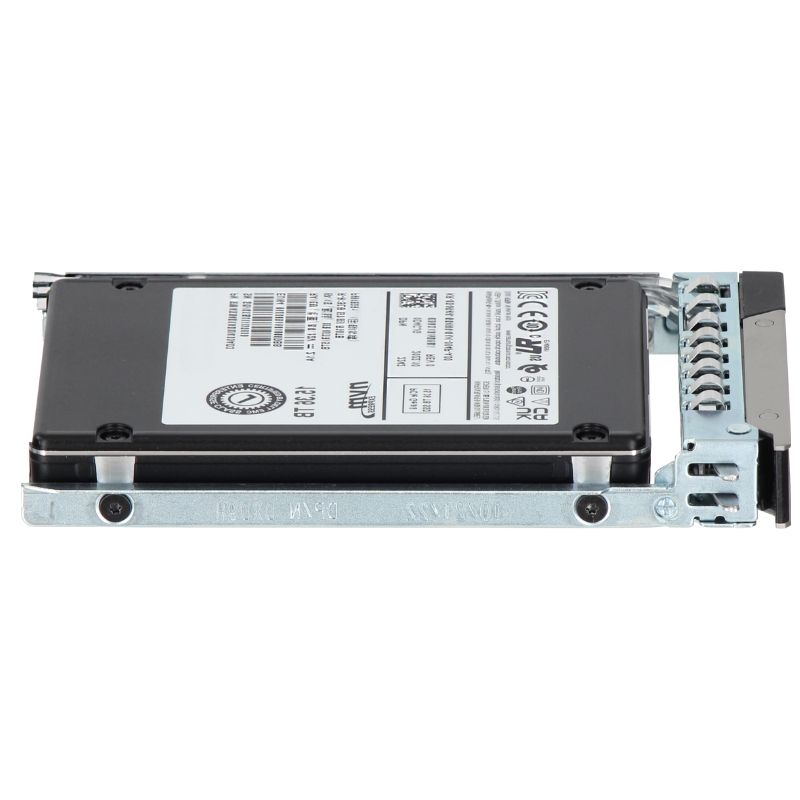
EMC 118000743 15.36TB Pci Express Nvme U.2 2.5inch Internal Solid State Drive. Excellent Refurbished with 1 year replacement warranty
The EMC 15.36TB PCI Express (NVMe) U.2 2.5-inch Internal Solid State Drive is designed to deliver superior storage capabilities for enterprise-grade applications. With massive capacity and ultra-fast performance, it provides businesses with the scalability and dependability required for today’s demanding workloads. Offering cutting-edge NVMe interface technology, this drive is ideal for data centers, mission-critical databases, and cloud storage environments where reliability and speed are essential.
Advanced Storage Features
This enterprise-grade SSD offers a unique combination of high capacity and NVMe performance. With ultra-low latency, it accelerates workloads that require rapid response times. Its U.2 connector ensures seamless integration into server environments, while the PCIe architecture guarantees optimal bandwidth utilization for heavy-duty computing processes.
The EMC NVMe U.2 15.36TB SSD is a perfect solution for businesses that prioritize efficiency and long-term performance. It serves as an optimal choice for:
Choosing the EMC 15.36TB PCIe NVMe U.2 SSD means investing in a reliable, high-performance solution that supports business continuity and future growth. Its combination of vast storage capacity, superior speed, and enterprise resilience makes it a top-tier option for organizations seeking to modernize their storage infrastructure.
The EMC 118000743 uses NVMe over PCIe accessed via a U.2 connector. U.2 drives plug into standard 2.5" hot-swap bays present in most enterprise servers and storage arrays. Compatibility checklist:
While exact numbers vary by firmware and system configuration, enterprise NVMe SSDs in this class typically provide:
The 15.36 TB storage capacity tier is significant in enterprise storage because it delivers extremely large usable capacity in a single drive footprint, reducing rack-space, power and cooling overhead compared to deploying multiple smaller drives to reach similar aggregate capacity. The EMC 118000743 model, for instance, is explicitly listed at 15.36 TB capacity.
Use-cases for this capacity level include high-volume data-warehousing, large-scale virtualization environments, big-data analytics, real-time database processing and high-performance computing (HPC) where both capacity and speed matter. Because fewer drives can deliver the needed capacity, system architects can simplify the storage architecture, reduce power and thermal footprints, and potentially reduce total cost of ownership (TCO) in dense deployments.
For analytics platforms or data-warehouses that require fast access to large datasets, the combination of high capacity and high throughput is key. Instead of forming large arrays of smaller drives, a single drive in this class can deliver the capacity and speed needed with fewer components, reducing complexity.
In HPC clusters the bottleneck often shifts from CPU to storage I/O. Drives in this class serve as cache or scratch layers for simulation, modelling or large-scale data output. Their NVMe speed and enterprise reliability enable sustained performance under high concurrency.
Cloud providers and service-oriented platforms can leverage these drives in multi-tenant or containerised environments. The high density (15 TB+) and performance allow more storage capacity per server node and help maintain consistency of performance across many tenants.


 Contact Us
 Information
 Catalog
 Solid State Drives (SSD)
 Network Switches
 Hard Disk Drives
 HBA & Controllers
 PC & Servers
 PC & Server Memory
 CPU & Processors
 Network Routers
 Power Supplies
 Tape Drives & Libraries
 Network Devices
 Computer & Network Cables