(7% discount is applied at checkout)
Cart is empty
Your go-to destination for cutting-edge server products
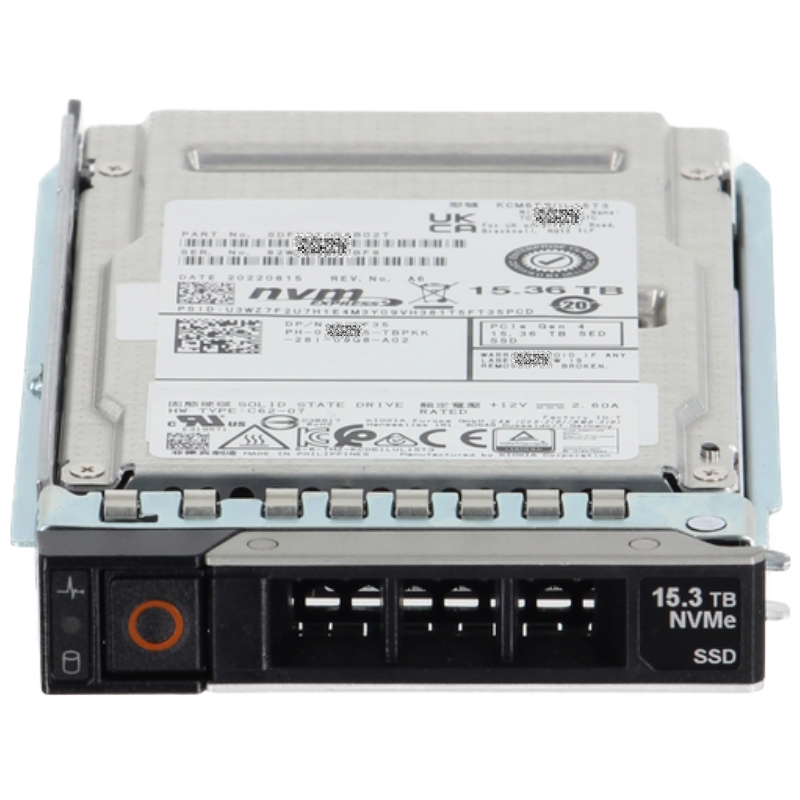


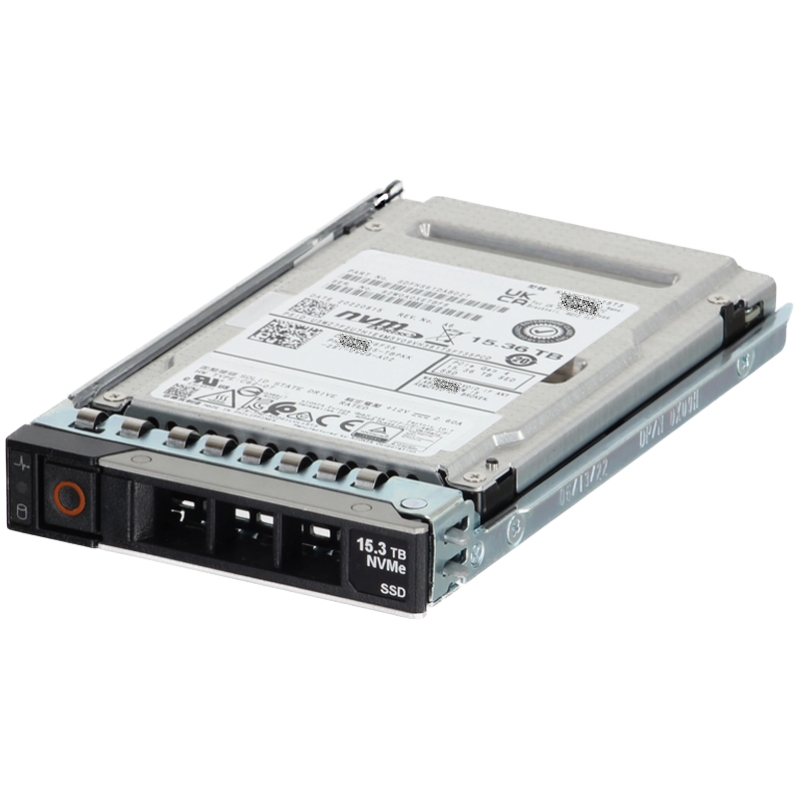
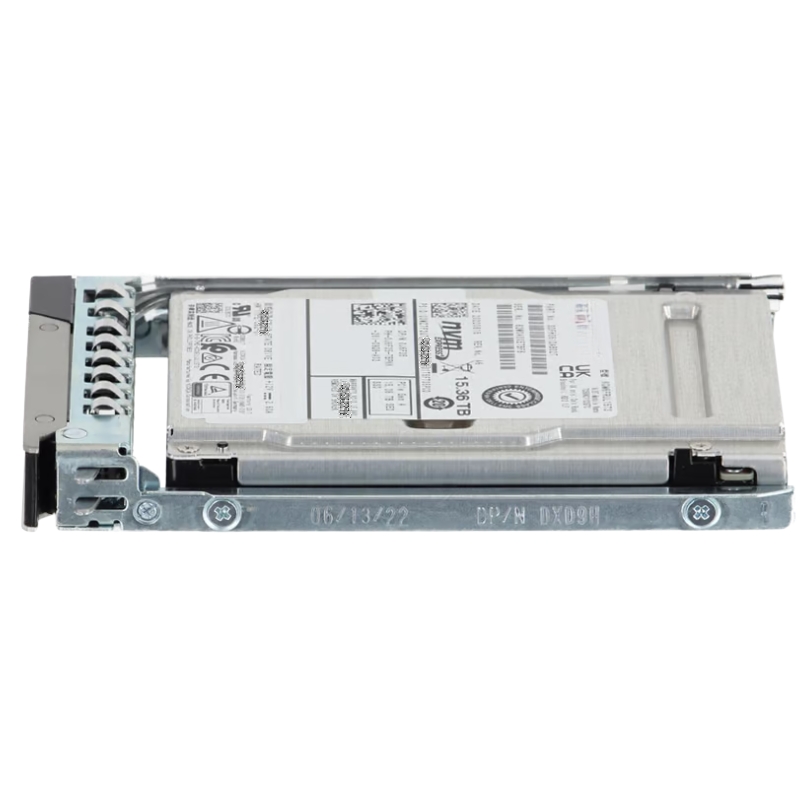
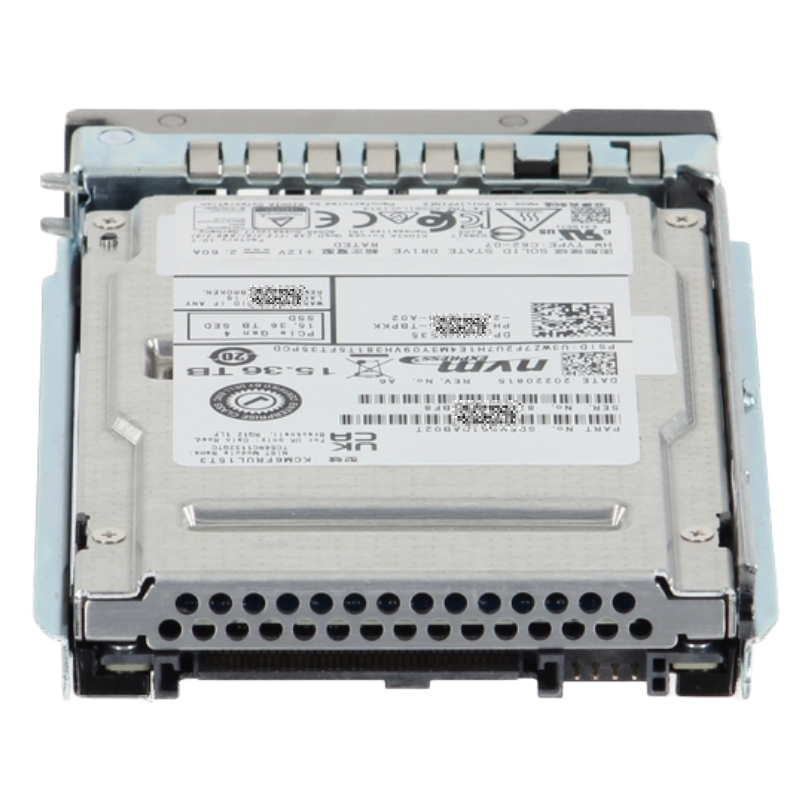
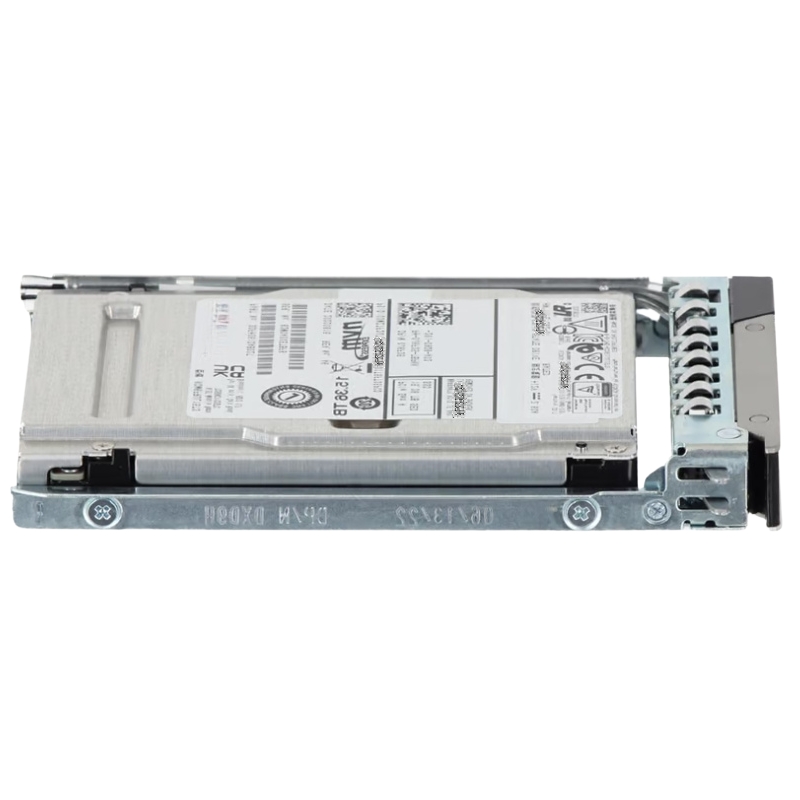
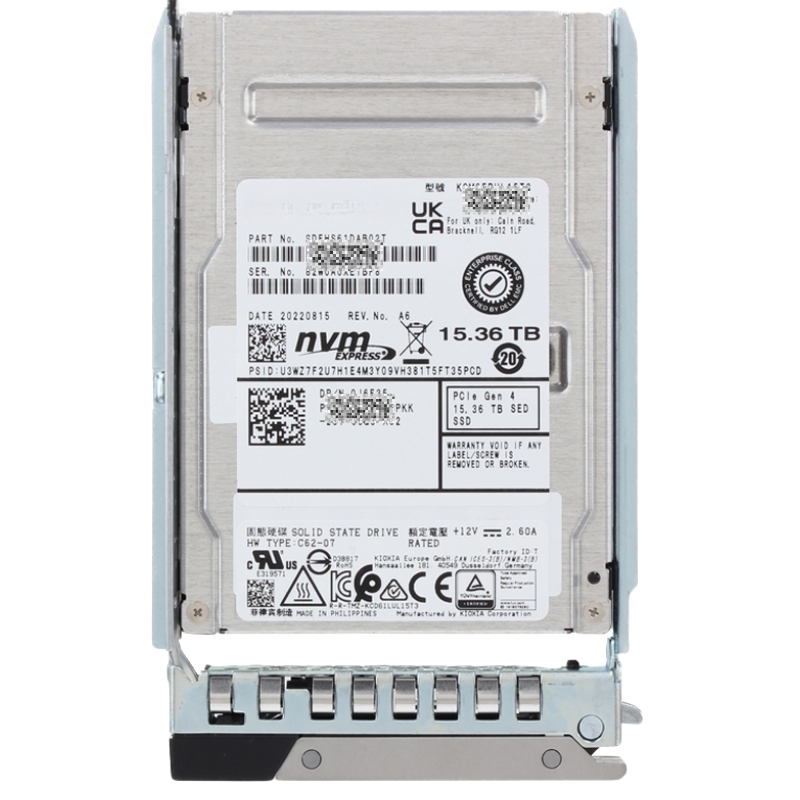
HPE P44511-001 15.36TB PCI-Express NVMe Cray Clusterstor Gen4 Read Intensive SFF Solid State Drive With Tray. New (System) Pull with 1 year replacement warranty
The HPE P44511-001 is a high-capacity enterprise-grade solid-state drive (SSD) engineered to deliver exceptional performance, reliability, and scalability. Designed for mission-critical applications, this NVMe-based AIC storage device ensures rapid data access and seamless integration with HPE ProLiant servers.
HPE P44511-001 represents a specialized class of enterprise storage: a high-capacity, read-intensive PCI-Express NVMe solid state drive designed for Cray Clusterstor Gen4 and comparable high-performance clustered storage platforms. This category targets data centers, high performance computing (HPC) installations, scientific research facilities, cloud providers, and enterprises that demand sustained read throughput, low latency, and reliable large-scale storage density in a small form factor. The category emphasizes drives optimized for read-heavy workloads — analytics, object stores, metadata tables, content delivery, and large-scale scientific datasets — where sequential and random read performance outweigh write endurance considerations.
The drives in this category conform to the SFF (Small Form Factor) mechanical constraints while delivering exceptional capacity — 15.36TB per device in the specific model referenced. The P44511-001 SFF packaging enables dense deployment in blade servers, storage enclosures, and clustered arrays like Cray Clusterstor racks. Mechanical compatibility with tray assemblies and hot-swap bays is a core design consideration; each drive ships with a tray or carrier engineered to fit Cray Clusterstor Gen4 sleds and HPE server bays, enabling rapid serviceability and predictable airflow within chassis.
PCI-Express NVMe Gen4 connectivity is a defining technical attribute of this category. Gen4 doubles the per-lane bandwidth relative to Gen3, enabling significantly higher aggregate throughput for a multi-lane NVMe device. The HPE P44511-001 leverages PCIe Gen4 to serve demanding read workloads with reduced queuing and improved latency consistency. For clustered storage fabrics, the increased host-side bandwidth translates to higher effective cluster throughput and fewer bottlenecks when many compute nodes concurrently access shared datasets.
Read-intensive SSDs are optimized for use cases with a heavy read/write ratio favoring reads. Firmware, media selection, and error management strategies in this category prioritize read performance and data integrity while providing endurance that balances cost and lifecycle expectations for read-dominant environments. The P44511-001 endurance rating of a read-intensive enterprise drive is calibrated to expected write amplification, metadata churn, and background maintenance activities typical in clustered object and file systems. The HPE P44511-001 fits into this profile by offering sizable capacity with endurance figures sufficient for its intended workload mix.
Performance considerations for drives in this category encompass sustained sequential reads, random read IOPS at sub-millisecond latencies, and tail-latency behavior under high concurrency. Real-world throughput depends on host controllers, NVMe lanes, PCIe Gen4 vs Gen3 interconnects, and cluster fabric characteristics such as NVMe-over-Fabric (NVMe-oF) deployments. The architectural combination of Gen4 lanes and NVMe command sets allows these drives to deliver consistent read bandwidth for large dataset streaming and low latency for small random reads, which are common in metadata-heavy workloads.
Latency and IOPS characteristics are central to evaluating drive suitability for a particular cluster role. Drives in this category are engineered to minimize 99th percentile read latency through aggressive internal parallelism, efficient flash translation layer (FTL) algorithms, and calibrated background garbage collection that avoids interfering with foreground reads. Command queue depth handling in NVMe enables many concurrent outstanding requests; the drive firmware must manage those queues effectively to prevent latency spikes and ensure predictable behavior under heavy multi-client loads.
Enterprise SSDs intended for cluster use incorporate numerous reliability features. End-to-end data protection, power loss protection (PLP) mechanisms, advanced error correction codes (ECC), and firmware safeguards against silent data corruption are typical. The category also emphasizes SMART telemetry, telemetry streaming for proactive health monitoring, and compatibility with vendor management suites that aggregate health metrics across many drives. HPE’s drives typically integrate with HPE OneView and the Clusterstor management stack, enabling administrators to track predictive failure indicators, temperature trends, and media wear at scale.
While not all read-intensive devices offer full capacitive power loss protection comparable to write-intensive enterprise models, drives in this category include measures to preserve mapping tables and prevent metadata corruption during unexpected power events. These protections maintain consistency best suited to read-heavy cluster nodes where metadata integrity is crucial. System architects should pair such devices with redundant power and well-designed RAID or erasure coding strategies to protect against more catastrophic failure modes.
This category is specifically tailored for integration into Cray Clusterstor Gen4 infrastructures and similar high-performance cluster storage architectures. Compatibility considerations include mechanical fit (tray/carrier), thermal envelope alignment with enclosure cooling, firmware interoperability with storage controllers and cluster management, and validation by HPE/Cray for predictable behavior in large arrays. HPE-certified firmware ensures that features like namespace management, NVMe features, and telemetry align with Clusterstor’s expectations for large scale parallel file systems and object stores.
Operational excellence for deployments of these drives depends on correctly balancing cooling, power provisioning, and physical density. SFF form factor enables high drive counts per rack, but thermal design must ensure adequate airflow and heat transfer to avoid thermal throttling. The power profile of Gen4 NVMe drives can exceed older Gen3 devices, so data center architects must account for peak and steady-state power consumption when planning racks and PDUs. The tray inclusion simplifies swap operations and enforces consistent airflow channels designed by the chassis manufacturer.
Maintaining sustained performance requires thermal headroom. Passive heatsinks on the drives, directed chassis airflow, and rack-level cooling policies mitigate thermal throttling risk. Administrators should consider drive placement within enclosures to ensure even heat distribution and avoid concentrated hot spots, especially in dense Clusterstor arrays where numerous drives operate concurrently under sustained read loads.
This category is ideal for read-dominant workloads such as large scale analytics, genomics pipelines, weather simulation data playback, media streaming for content platforms, and metadata repositories. The large 15.36TB capacity enables storing sizeable dataset shards on each drive, while NVMe Gen4 performance supports parallel reads from many compute nodes. When architecting solutions, workloads that demand high read IOPS and consistent low latency benefit most from these drives, whereas extremely write-heavy transactional systems may be better served by write-intensive or mixed-use enterprise drives.
Realistic benchmarking under representative workloads is crucial. Synthetic benchmarks (e.g., fio) provide baseline metrics but must be augmented with application-level testing to measure real behavior under parallel access patterns. Validation should include multi-node simultaneous access, mixed file sizes, metadata operations, and long-duration streaming tests to reveal thermal and firmware stability characteristics. Performance tuning sometimes includes NVMe queue tuning, host-side driver settings, and cluster software placement policies to optimize data locality and read amplification.
Compared with write-intensive or mixed-use enterprise SSDs, this read-intensive category emphasizes capacity and read throughput over raw write endurance. Compared with spinning disk alternatives, NVMe Gen4 read-optimized SSDs deliver vastly superior latency and throughput, smaller rack footprint, and lower power per IOPS, making them preferable for performance-sensitive applications despite higher per-TB acquisition. The decision to use read-intensive NVMe drives should be driven by workload analysis that quantifies read/write ratios and acceptable endurance thresholds.


 Contact Us
 Information
 Catalog
 Solid State Drives (SSD)
 Network Switches
 Hard Disk Drives
 HBA & Controllers
 PC & Servers
 PC & Server Memory
 CPU & Processors
 Network Routers
 Power Supplies
 Tape Drives & Libraries
 Network Devices
 Computer & Network Cables