(7% discount is applied at checkout)
Cart is empty
Your go-to destination for cutting-edge server products
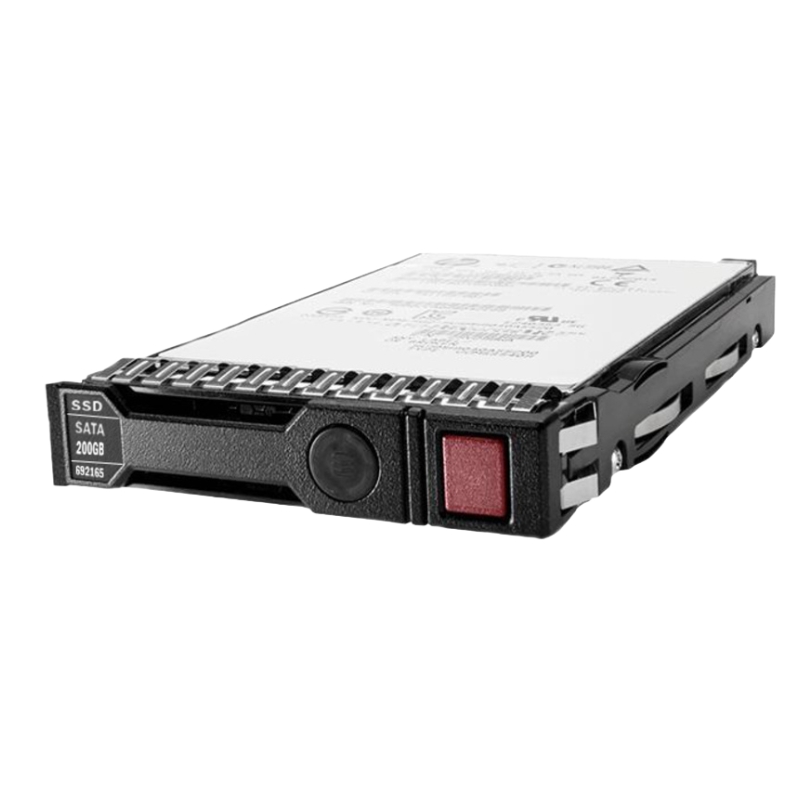


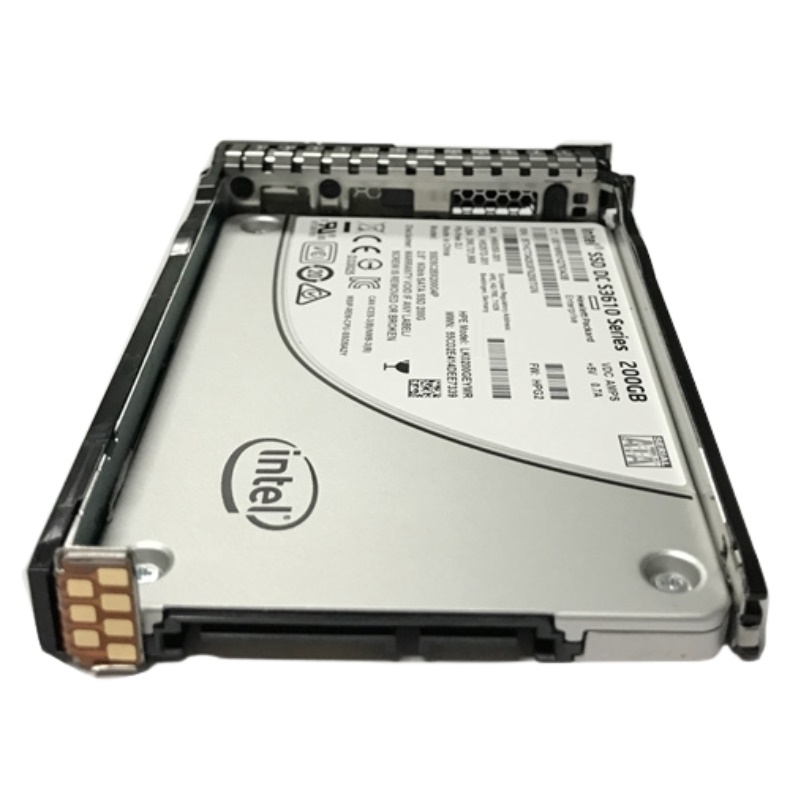
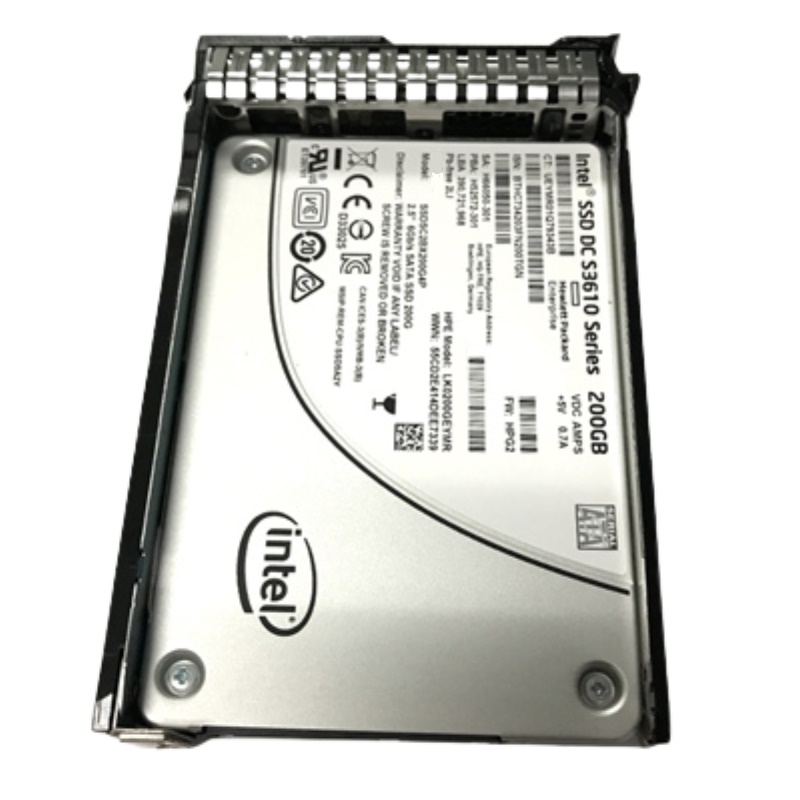
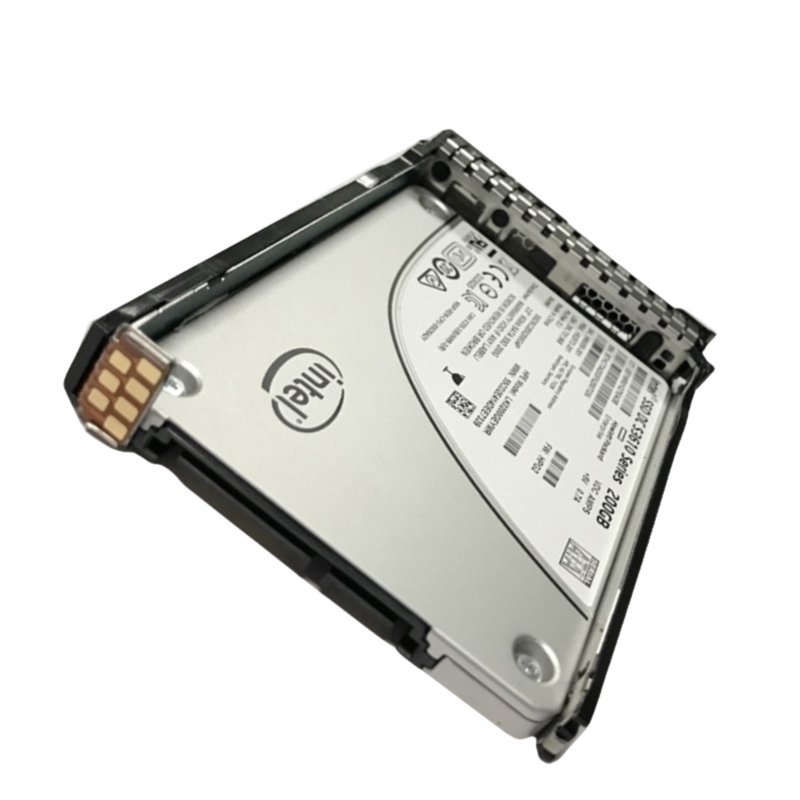
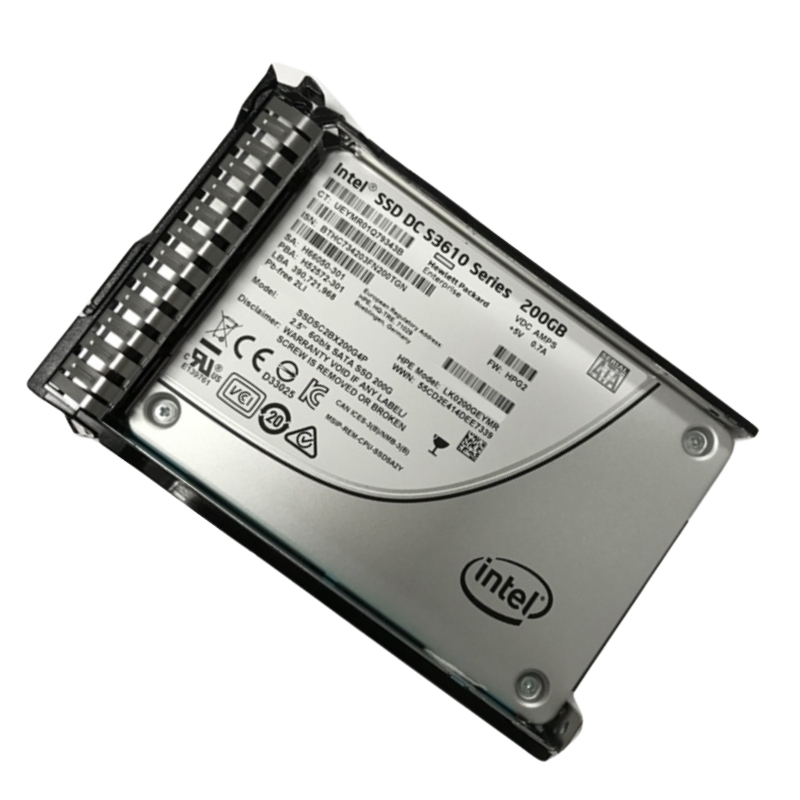
HPE 691842-002 200GB MLC SATA 6Gbps Mainstream Endurance 2.5-inch Internal Solid State Drive (SSD) with Smart Carrier. Excellent Refurbished with 1 year replacement warranty
The HPE 691842-002 is a 200GB 2.5-inch Small Form Factor (SFF) enterprise-grade solid state drive, specifically engineered for mainstream workloads in ProLiant Gen8 and Gen9 servers. Designed with reliability and high performance in mind, this SSD comes with HPE Smart Carrier for efficient hot-swap installation and seamless server integration.
The HPE 691842-002 SSD is engineered for wide compatibility across multiple HPE server families and storage arrays:
The HPE 691842-002 200GB 2.5-inch Small Form Factor Mainstream Endurance SATA-6GBPS Smart Carrier Enterprise Mainstream Solid State Drive is engineered for enterprise ProLiant Gen8 and Gen9 server platforms where reliability, predictable performance, and endurance matter. This category focuses on mainstream endurance SATA SSDs designed specifically to meet the demanding workloads typical of data centers, virtualization hosts, web servers, and transactional databases. The HPE-branded 200GB capacity strikes a balance between cost-efficiency and endurance, offering system integrators and IT administrators a storage option that supports consistent performance while reducing the power, cooling, and physical footprint compared to 3.5-inch drives and older spinning disks.
This class of SSD is ideal for read-heavy and mixed-workload environments where enterprise-grade endurance and data integrity are required without the added cost of high-write endurance drives. Typical deployments include boot volumes for ProLiant servers, cache tiers for hybrid storage arrays, virtual machine images in VDI farms, and small-scale database shards that benefit from low latency and faster random I/O. The HPE 691842-002 is also well-suited for replacement upgrades in legacy Gen8 and Gen9 systems where compatibility with HPE firmware and monitoring tools is important for maintaining predictable operation across large server fleets.
One of the key strengths of this drive category is its close integration with HPE ProLiant server families. Each SSD is validated to work with the Gen8 and Gen9 server architectures, including full compatibility with HPE Smart Carrier trays and integrated fleet management. This compatibility ensures features like health monitoring, SMART telemetry, and secure firmware updates operate seamlessly through HPE Integrated Lights-Out (iLO) and HPE Smart Storage arrays. Administrators benefit from drive-level alerts and inventory reporting that simplify large-scale deployments, lifecycle management, and warranty support.
Mainstream endurance SSDs are engineered to deliver consistent random read and write performance under sustained workloads. While not designed for extreme write-intensive workloads, the HPE 691842-002 provides robust endurance characteristics adequate for typical enterprise read-dominant scenarios. These drives use enterprise-grade NAND flash, optimized firmware, and error correction mechanisms to maintain data integrity. With sustained sequential throughput suitable for SATA-6Gbps interfaces, they reduce boot times, accelerate application startup, and lower tail latency for interactive workloads. Endurance is typically measured in drive writes per day (DWPD) and mean time between failures (MTBF), and the HPE mainstream endurance SSDs are specified to meet enterprise expectations for service life and reliability.
In practical terms, the HPE 691842-002 improves responsiveness for both random and sequential operations compared with traditional HDDs. Latency reductions are particularly notable for small-block random reads and writes, which directly influence user-facing application responsiveness and virtual machine density. For infrastructure architects, this means more efficient use of CPU resources and potential consolidation benefits—more virtual machines or application instances per server can be supported without the I/O becoming a bottleneck. Administrators should evaluate their typical I/O profile, including read/write ratio and queue depth, to determine the precise performance uplift in their environment.
The 2.5-inch Small Form Factor (SFF) design of the HPE 691842-002 provides compatibility with high-density server chassis, hot-swap bays, and HPE Smart Carrier trays. The SATA-6Gbps interface ensures broad compatibility across many controller types while offering a familiar connection standard for existing infrastructures. The small form factor reduces weight and thermal load and enables greater storage density per rack unit, which is especially beneficial in large-scale deployments where data center floor space and power budgets are constrained. The inclusion of an HPE smart carrier simplifies installation and ensures mechanical and electrical compatibility with HPE ProLiant drive backplanes.
Compared to spinning disks, mainstream endurance SSDs like the HPE 691842-002 consume less power both at idle and during active operation. This energy efficiency lowers operating costs and reduces thermal output, which in turn can reduce cooling requirements. For data center operators, the aggregate savings across hundreds or thousands of drives can be substantial. Moreover, lower device temperatures contribute to longer component lifespans and more predictable performance under continuous load. System designers and procurement teams should consider power-per-IO metrics when calculating total cost of ownership and capacity planning.
Enterprise SSDs include a suite of features to help protect data at rest and to maintain integrity over the device lifetime. The HPE 691842-002 supports SMART attributes and health reporting that integrate with HPE management tools to provide early warning of potential failures. Firmware is tested and validated for ProLiant platforms and can be managed centrally to apply updates that include performance enhancements, security patches, and bug fixes. Some drives in this family may include additional security features such as TCG Opal or enhanced secure erase capabilities; while the mainstream endurance model focuses on performance and reliability, administrators should review the specific security feature set for their procurement requirements and regulatory compliance needs.
Built-in error correction code (ECC), power loss protection, and wear-leveling algorithms work together to ensure data integrity across the drive’s lifespan. These mechanisms reduce the risk of silent data corruption and contribute to predictable behavior under stress. In enterprise environments where minute data errors can cascade into service outages or application errors, choosing a drive that emphasizes end-to-end data protection is critical. The HPE mainstream endurance SSD family is tuned to strike the right balance between ECC strength, performance overhead, and endurance for its intended use cases.
At 200GB, this drive is positioned as a performance-oriented storage tier within a multi-tier architecture. It is commonly deployed as a tier for performance-sensitive workloads, while higher-capacity or lower-cost HDDs support bulk storage. When planning capacity, architects should account for usable capacity after formatting and RAID overhead, as well as the need for spare capacity to accommodate wear-leveling and background maintenance tasks. Using a mix of mainstream endurance SSDs, higher-endurance SSDs where write intensity is high, and HDDs for archival storage provides a balanced approach to cost and performance.
Designing redundancy with RAID arrays remains important when using SSDs. While enterprise SSDs are highly reliable, RAID configurations such as RAID 1, RAID 5, RAID 6, or RAID 10 provide additional protection against device failures and accelerate rebuilds under certain controller optimizations. Some HPE Smart Array controllers include features to optimize rebuild processes, and the use of mainstream endurance SSDs in redundant arrays can dramatically reduce rebuild times compared to HDDs. Consideration should also be given to I/O balancing across arrays to avoid creating hotspots that could reduce effective endurance.
Operational excellence starts with monitoring: integrating SMART telemetry, drive health metrics, and endurance forecasts into centralized monitoring tools allows teams to spot trends and take proactive action. Regular firmware reviews, scheduled scrubs, and health checks are recommended. When drives approach their specified endurance thresholds, plan orderly replacements to ensure continuous service. Additionally, aligning operating system settings and filesystem parameters with SSD characteristics—such as enabling TRIM where supported and configuring appropriate write caching policies—can improve long-term performance and endurance.
Before installation, verify the server backplane, Smart Carrier seating, and controller compatibility. Document current firmware baselines and ensure backups exist for critical data. After physical installation, confirm the drive is recognized in system BIOS/UEFI and by HPE management utilities, and then apply any required firmware updates referenced in HPE release notes. Perform basic validation tests to ensure the drive meets expected I/O characteristics and that monitoring tools capture the device’s SMART metrics correctly.
Understanding how mainstream endurance SSDs fit into the broader spectrum of enterprise storage helps purchasers choose the right drive. Compared with read-optimized or very-read-optimized drives, mainstream endurance SSDs improve write tolerance while maintaining strong read performance. Versus write-intensive or ultra-endurance SSDs, mainstream endurance models are more cost-effective for workloads with balanced or read-dominant profiles. For organizations that require the highest possible write endurance, higher DWPD-rated devices may be warranted, but they usually come at a higher price per GB. The HPE 691842-002 sits in the middle, delivering a pragmatic trade-off that addresses many common enterprise requirements without the premium cost of high-endurance devices.
Total cost of ownership for SSDs includes initial purchase price, power and cooling costs, administration overhead, and refresh cycles. Because SSDs reduce operational costs through lower power draw and smaller physical footprints, many organizations recoup the premium over HDDs through reduced facility and maintenance expenses. Procurement strategies should include volume discounts, warranty terms, and roadmap alignment for future capacities. Including HPE-certified parts in procurement lists simplifies support and lifecycle management for organizations running ProLiant servers.


 Contact Us
 Information
 Catalog
 Solid State Drives (SSD)
 Network Switches
 Hard Disk Drives
 HBA & Controllers
 PC & Servers
 PC & Server Memory
 CPU & Processors
 Network Routers
 Power Supplies
 Tape Drives & Libraries
 Network Devices
 Computer & Network Cables